
.png?width=48&height=48&name=Group%201%20(3).png)























6 April, 2026

Gluten Intolerance in Children: Diagnosis and Care Tips
Key Highlights
- Gluten intolerance can manifest as celiac disease, an autoimmune condition, or non-celiac gluten sensitivity.
- The symptoms of celiac disease in children can include digestive issues, weight loss, joint pain, and fatigue.
- Celiac disease damages the small intestine, which can lead to nutritional deficiencies if left untreated.
- Diagnosis involves blood tests and often a biopsy of the small intestine to confirm damage.
- The only treatment for celiac disease is a strict, lifelong gluten-free diet.
- Managing the condition requires careful meal planning and avoiding cross-contamination with gluten.
Introduction
Have you noticed your child experiencing digestive problems after eating foods like bread or pasta? This could be a sign of gluten intolerance. This condition involves a reaction to gluten, a protein found in wheat, barley, and rye. For some children, this is celiac disease, where the immune system attacks the small intestine after gluten is consumed. For others, it's a non-celiac gluten sensitivity. Understanding the differences and recognizing the signs is the first step toward getting your child the right care.
Recognizing Symptoms of Gluten Intolerance
Identifying the symptoms of gluten intolerance is crucial for early intervention. These signs can vary widely among children and may not always be obvious. Common indicators include gastrointestinal symptoms such as abdominal pain, bloating, diarrhea, or constipation.
In some cases, the immune response to gluten can lead to issues beyond the digestive system. You might notice problems like unexpected weight loss or even joint pain. Being aware of this broad range of symptoms can help you connect the dots and seek medical advice sooner. Now, let's explore these signs in more detail.
Digestive and Physical Signs in Children
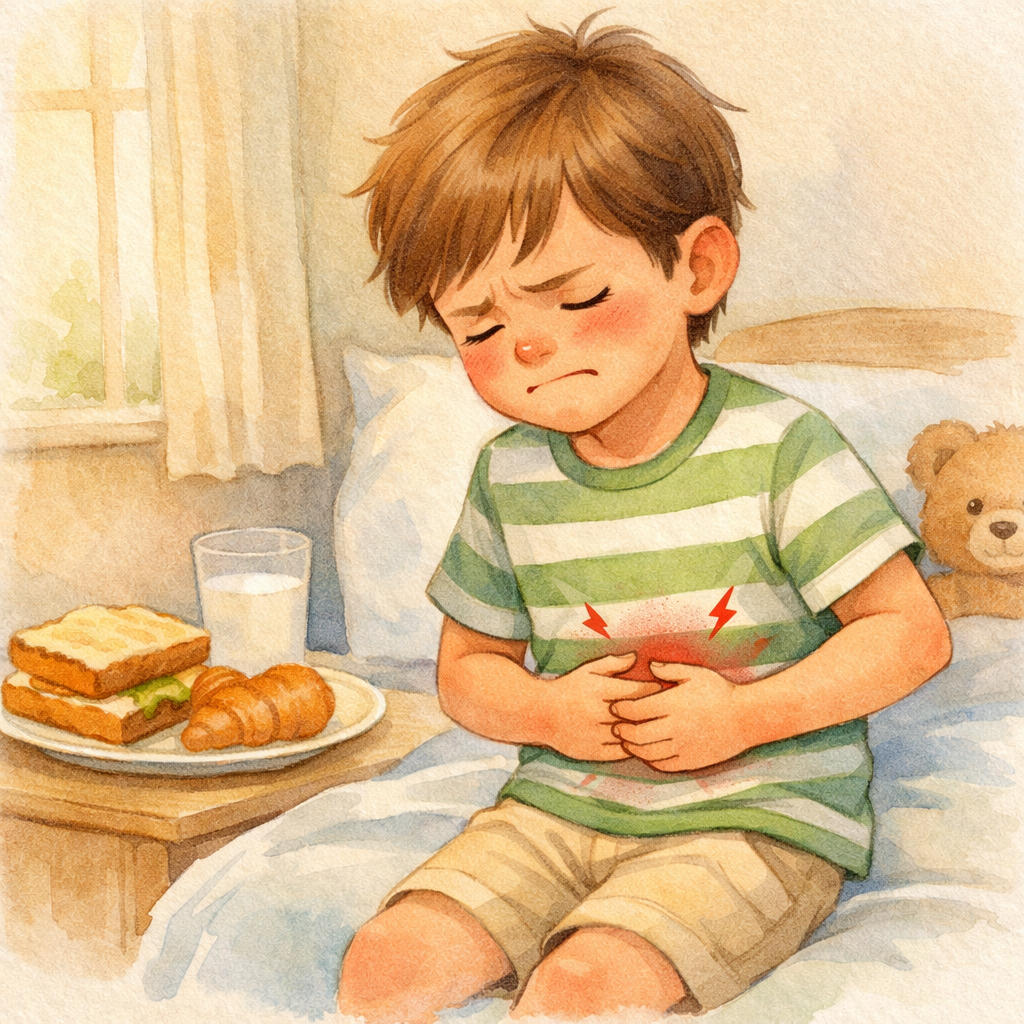
Digestive issues are often the most noticeable signs of gluten intolerance in children. Common symptoms include frequent abdominal pain, bloating, and changes in bowel habits such as chronic diarrhea or constipation.
Other physical signs may also appear, including unexpected weight loss or gain and joint pain.
Watch for a combination of these symptoms. Key signs include:
- Persistent bloating or abdominal distension
- Vomiting or nausea after meals
- An itchy, blistering skin rash (dermatitis herpetiformis)
Behavioral and Emotional Indicators
Gluten intolerance affects more than just a child’s physical health—it can influence mood and behavior, too. Many children experience “brain fog,” or trouble concentrating, which may impact schoolwork and daily life.
You might also observe mood swings, irritability, or fatigue—especially in older kids. These symptoms are often mistaken for normal stress or developmental changes, making them hard to identify.
Non-digestive signs are as important as physical ones. Key behavioral and emotional symptoms include:
- Headaches or migraines
- Unexplained fatigue or weakness
- Noticeable changes in mood or behavior
Early Symptoms in Babies and Toddlers
Yes, even very young children can react to gluten, often within months of introduction. In babies and toddlers, symptoms usually relate to growth and digestion. A common warning sign is poor weight gain or failure to thrive.
Digestive issues are also frequent, such as bulky, foul-smelling stools, chronic diarrhea, or a bloated belly—signs that nutrients aren’t being properly absorbed.
Less commonly, rashes may appear on the back of the neck or elsewhere. Watch for these early signs:
- Poor weight gain or failure to thrive
- Irritability and excessive fussiness
- Vomiting or frequent spitting up
Diagnosis of Gluten Intolerance in Children
If you suspect your child has a problem with gluten, getting a proper diagnosis is the next step. The process for diagnosing celiac disease is different from that of non-celiac gluten sensitivity, and it's essential to not remove gluten from your child's diet before medical tests are completed. Your doctor or a pediatric gastroenterologist will guide you through the necessary evaluations.
These tests are designed to check for specific markers of an immune system response to gluten. Based on the results, your healthcare provider can determine whether your child has celiac disease or another condition. Let's look at the specific tests and assessments involved.
Medical Tests for Celiac Disease and Gluten Sensitivity
The diagnostic process usually starts with blood tests that screen for antibodies, like tissue transglutaminase IgA (tTG-IgA), which signal celiac disease. High antibody levels strongly suggest the condition.
If blood tests are positive, a pediatric gastroenterologist often recommends an upper endoscopy. During this procedure, a small intestine biopsy is taken and examined for damage to the intestinal lining—a key sign of celiac disease.
There are no specific tests for non-celiac gluten sensitivity. Diagnosis involves ruling out celiac disease and wheat allergy, then seeing if symptoms improve on a gluten-free diet.
|
Test Type |
Purpose |
What It Detects |
|---|---|---|
|
Blood Tests |
Screen for celiac disease |
Antibodies like tTG-IgA indicating an immune response to gluten |
|
Endoscopy with Biopsy |
Confirm celiac disease |
Damage and inflammation in the small intestine’s villi |
|
Elimination Diet |
Diagnose non-celiac gluten sensitivity |
Symptom improvement after removing gluten (after other causes ruled out) |
How Healthcare Providers Assess Symptoms
A healthcare provider will assess your child’s symptoms to distinguish between celiac disease and non-celiac gluten sensitivity (NCGS). They’ll review clinical history, focusing on gastrointestinal symptoms, their frequency, severity, and timing. NCGS symptoms typically appear hours to days after gluten exposure; celiac reactions can vary.
The provider will also ask about non-digestive symptoms like fatigue, headaches, or behavioral changes—common in both conditions. The main difference is that celiac disease causes autoimmune damage to the small intestine; NCGS does not.
To differentiate the two, your doctor will consider:
- Blood tests for celiac-specific antibodies
- Biopsy results showing intestinal damage
- Whether symptoms improve on a gluten-free diet after ruling out celiac disease
The Role of Family and Dietary History
Your child's family and dietary history are key in diagnosing celiac disease. Since celiac has a strong genetic link, having a parent or sibling with the condition greatly increases your child’s risk. Environmental factors can also trigger symptoms in genetically susceptible children.
A detailed dietary history helps the doctor and dietitian assess eating habits and potential gluten exposure, making it easier to connect food intake with symptoms. The doctor will also rule out wheat allergy, which differs from celiac as it's an allergic reaction, not an autoimmune issue.
Your provider will ask about:
- Family history of celiac disease or other autoimmune disorders
- Food logs and related symptoms
- Previous digestive diagnoses like irritable bowel syndrome
Managing Gluten Intolerance in Daily Life
Managing gluten intolerance primarily revolves around adopting a strict gluten-free diet. This is the only treatment for celiac disease and the main strategy for managing non-celiac gluten sensitivity. The goal is to eliminate gluten to prevent symptoms and long-term health problems. This means learning about safe foods and how to avoid cross-contamination.
Ensuring your child receives all their important nutrients on this new diet is also a top priority. With careful planning and education, you can help your child thrive while managing their condition effectively. Let's explore how to navigate food choices, plan meals, and keep your child safe at home and school.
Safe Foods and Foods to Avoid
Navigating a gluten-free lifestyle means knowing which foods are safe and which to avoid. Steer clear of anything made with wheat, barley, rye, or triticale—such as most breads, pastas, cereals, crackers, and baked goods.
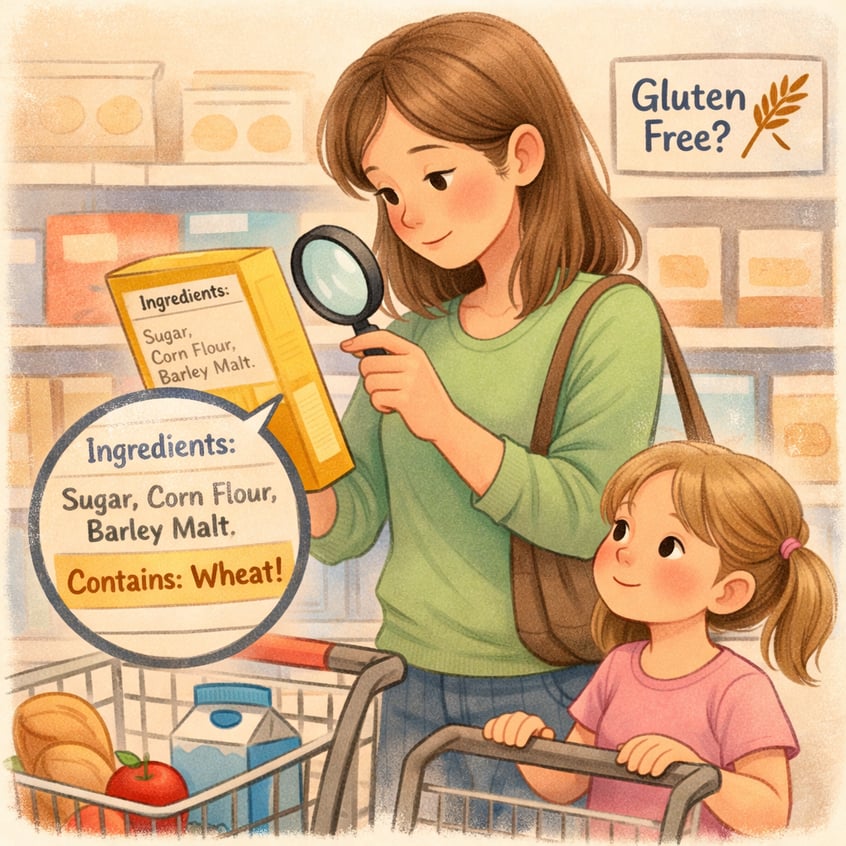
Reading food labels is essential. In the U.S., products labeled "gluten-free" must have no detectable gluten. Still, gluten can hide in sauces, soups, sausages, and additives. Always check ingredient lists, as recipes can change.
Many tasty foods are naturally gluten-free. Base your meals on:
- Fruits and vegetables
- Unprocessed meats, poultry, and fish
- Eggs, nuts, seeds, and legumes
- Rice, corn, quinoa, and buckwheat
- Most dairy products
Gluten-Free Meal Planning for Kids
Creating a balanced diet for a gluten-sensitive child requires careful planning to ensure they get key nutrients like fiber, iron, and B vitamins often found in gluten-containing grains. A gluten-free diet isn’t automatically healthier—many processed options are high in sugar and low in nutrients.
Prioritize naturally gluten-free whole foods and plan meals and snacks ahead to avoid unhealthy choices. Involve your child in meal planning to boost their interest in healthy eating.
Tips for balanced gluten-free meal planning:
- Include lean protein, healthy fats, and plenty of fruits or vegetables at each meal.
- Choose gluten-free grains such as quinoa, brown rice, and millet.
- Pack safe gluten-free lunches and snacks for school.
- Consult a dietitian to address any nutritional gaps.
Preventing Cross-Contamination at Home and School
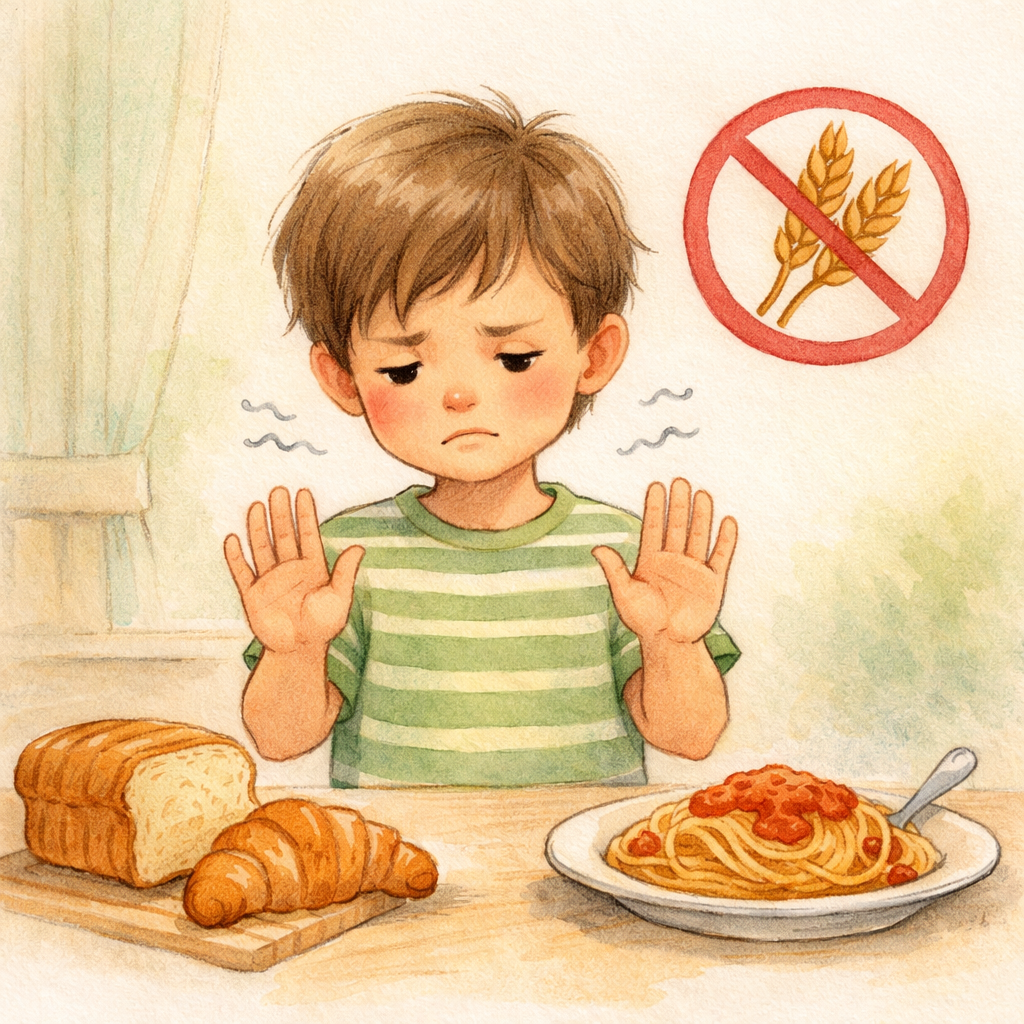
For a child with celiac disease, even tiny crumbs of gluten can cause an intestinal reaction. Preventing cross-contamination is therefore essential for maintaining a strict gluten-free diet. At home, this means creating a safe kitchen environment. Use separate toasters, cutting boards, and utensils for gluten-free food preparation.
When eating out or at school, the risk of cross-contamination increases. Teach your child to ask questions about how food is prepared and to politely decline food if they are unsure. While some resources like Coeliac Australia's ingredient list booklet are helpful, always defer to local mandatory labelling standards and be vigilant.
Here are some practical tips to avoid cross-contamination:
- Store gluten-free foods in sealed, clearly labeled containers.
- Use separate condiment jars (like butter or jam) or enforce a "no double-dipping" rule.
- Wipe down counters and surfaces thoroughly before preparing gluten-free meals.
- When deep-frying, use fresh, clean oil that hasn't been used for gluten-containing foods.
Conclusion
In conclusion, understanding gluten intolerance in children is crucial for their well-being. Recognizing the symptoms early and getting a proper diagnosis can lead to effective management strategies that ensure your child enjoys a fulfilling and healthy life. By incorporating gluten-free meal planning and being mindful of food choices, parents can create a supportive environment that minimizes risks associated with gluten intolerance. It’s essential to stay informed and proactive about your child’s dietary needs.
If you have any concerns or need personalized advice, feel free to reach out for consultation or call daar at 02 9133 2500 for guidance. Your child's health is worth it!
FAQs (Frequently Asked Questions)
Navigating gluten intolerance in children can raise many questions among parents. Common queries include whether gluten sensitivity might lead to symptoms like abdominal pain or brain fog. Some wonder about the role family history plays in diagnosis or how celiac disease can affect a child’s growth. Others seek clarification on the importance of mandatory labeling standards for food products. Understanding these facets can help caregivers make informed decisions about their child’s diet and overall health, ultimately improving their quality of life.
Are gluten-free diets safe and healthy for kids long-term?
A well-planned gluten-free diet is perfectly safe and healthy for children who need it. The key is to ensure they have a balanced diet rich in important nutrients from naturally gluten-free safe foods. Working with a dietitian can help prevent any nutritional gaps and avoid long-term health problems.
Can a child develop nutritional deficiencies with gluten intolerance?
Yes, nutritional deficiencies are a risk with untreated celiac disease. The damage to the small intestine impairs the absorption of nutrients like iron, calcium, and certain vitamins. This is why addressing the symptoms of celiac disease with a proper diet is so important for a child's growth and overall health.
Is it risky to start a gluten-free diet without medical advice?
Starting a gluten-free diet before being tested for celiac disease can make diagnosis difficult or inaccurate. Since this diet is the only treatment, an accurate diagnosis is crucial for managing long-term health problems. The absence of symptoms on the diet does not rule out underlying damage if you have celiac disease.
.svg)




.svg)