
.png?width=48&height=48&name=Group%201%20(3).png)























9 April, 2026

Pediatric Behavioural Specialist for Tantrums: What to Know
Key Highlights
- A pediatric behavioural specialist helps identify the underlying causes of frequent tantrums, such as frustration or unmet needs.
- They provide effective strategies to teach children emotional regulation and positive coping skills.
- Understanding the difference between normal tantrums and persistent tantrum behaviour is key to knowing when to seek help.
- An assessment will determine your child’s needs and create a tailored plan to improve their mental health.
- Parent guidance is a crucial part of the process, equipping you with tools to support your child's progress at home.
- Behavioural therapy can significantly reduce outbursts by teaching functional communication and self-control.
Introduction
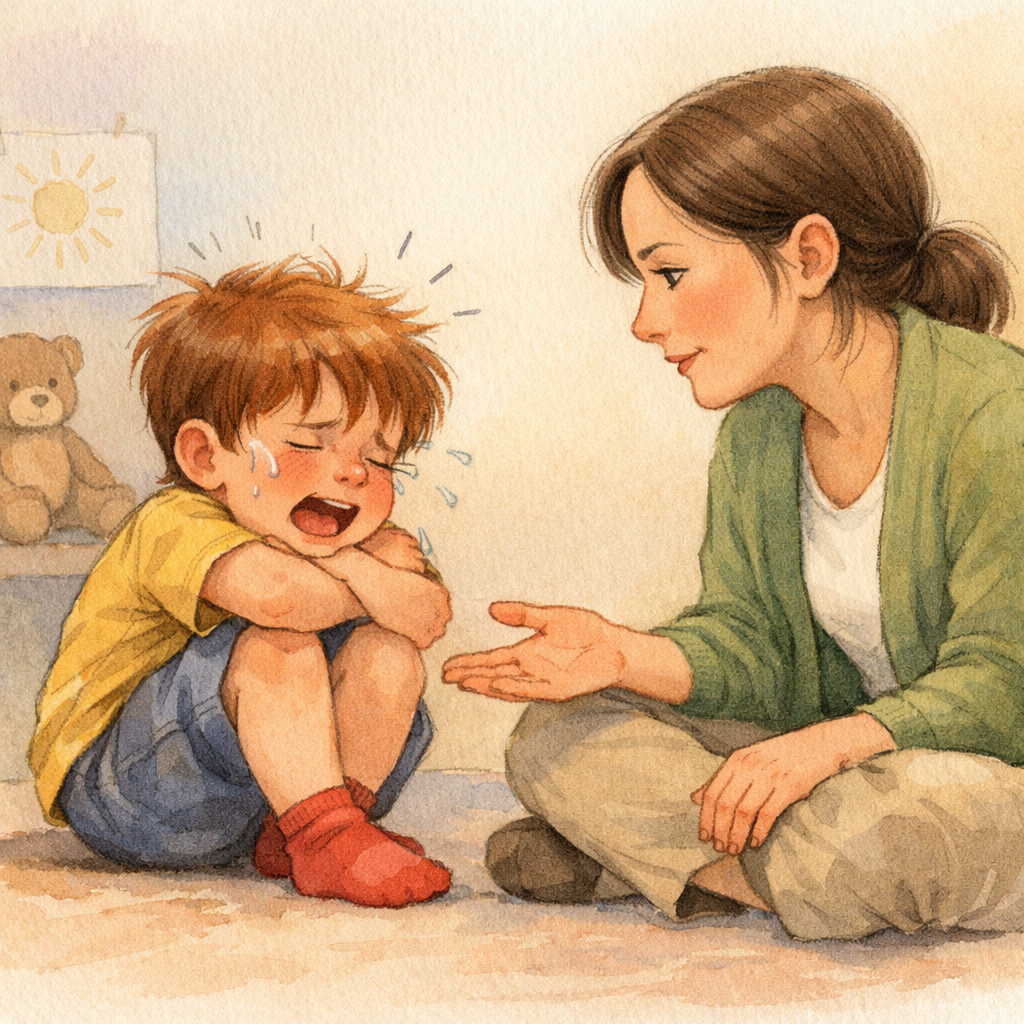
It is completely normal for young children to have tantrums. These emotional outbursts are a common part of their development as they learn to navigate big feelings. However, when your child's behaviour becomes a constant struggle and tantrums are frequent and intense, it can be overwhelming for the whole family. You might feel frustrated and unsure of what to do. Understanding when these outbursts signal a need for professional support is the first step toward helping your child and restoring peace in your home.
When to Seek Professional Help for Tantrums
While tantrums are a typical part of toddlerhood, there are times when they might point to something more. If your child's tantrums are extremely frequent, intense, or involve aggression, it could be a sign that they need extra support. These behaviours can strain family relationships and disrupt daily life.
Seeking help from health professionals can make a significant difference. Early intervention is key to identifying any underlying causes and teaching your child important emotional regulation skills. A specialist can help you understand your child's behaviour and guide you toward the right solutions.
Identifying Signs That Need Attention
It can be hard to tell if your child’s behaviour is a normal phase or something that needs attention. Watch for frequent tantrums with aggression like hitting, biting, or throwing things. If these outbursts disrupt daily life, or your child can't calm down afterward and remains upset, it may signal a deeper issue.
Such behaviours might be linked to anxiety, sensory overload, or impulse control challenges. A professional can help identify the cause and create an effective plan.
Age-Appropriate Behaviour vs Persistent Tantrums
Recognizing what’s normal is key to your child’s emotional development. Tantrums are common in toddlers as they assert independence and manage frustration—this is age-appropriate.
However, frequent or severe tantrums that persist as your child grows older may signal a problem. For example, a brief outburst over a toy is typical for a two-year-old, but daily explosive meltdowns at age five are not.
Key differences:
- Typical Tantrums: Short (a few minutes), triggered by specific events like hunger or tiredness, and the child calms quickly.
- Persistent Tantrums: Last over 15 minutes, happen multiple times daily, and may involve destructive or self-harming actions.
- Recovery: After a typical tantrum, children recover with comfort; persistent issues leave them upset much longer.
Assessing Severity and Frequency
When evaluating your child's tantrums, looking at their severity and frequency can provide important clues. How often are these episodes happening? A tantrum once a week is very different from multiple outbursts every single day. If the frequency of tantrums is high, it could indicate that your child is struggling to cope with their big emotions.
The severity of the tantrums is another key factor. Does your child scream and cry, or do the outbursts become aggressive and destructive? Tantrums that involve hitting, kicking, biting, or breaking things are more concerning. Likewise, if your child injures themselves intentionally during an episode, this is a serious sign that professional help is needed.
These intense reactions can signal developmental challenges or an inability to manage overwhelming feelings. Keeping a log of when and why tantrums occur can help you and a specialist identify patterns and triggers, which is the first step toward finding a solution.
The Assessment Process at a Pediatric Behavioural Specialist
When you decide to see a specialist, the assessment process is designed to be comprehensive and supportive. Health professionals will work to understand all aspects of your child, from their developmental history to their current environment. This holistic approach ensures that the treatment plan is tailored specifically to your child’s needs.
The goal is to get a complete picture of what might be causing the tantrums. This involves gathering information from you, observing your child, and sometimes speaking with other caregivers or teachers. This ensures every aspect of your child's care is considered before creating a strategy for moving forward.
What to Expect During the First Appointment
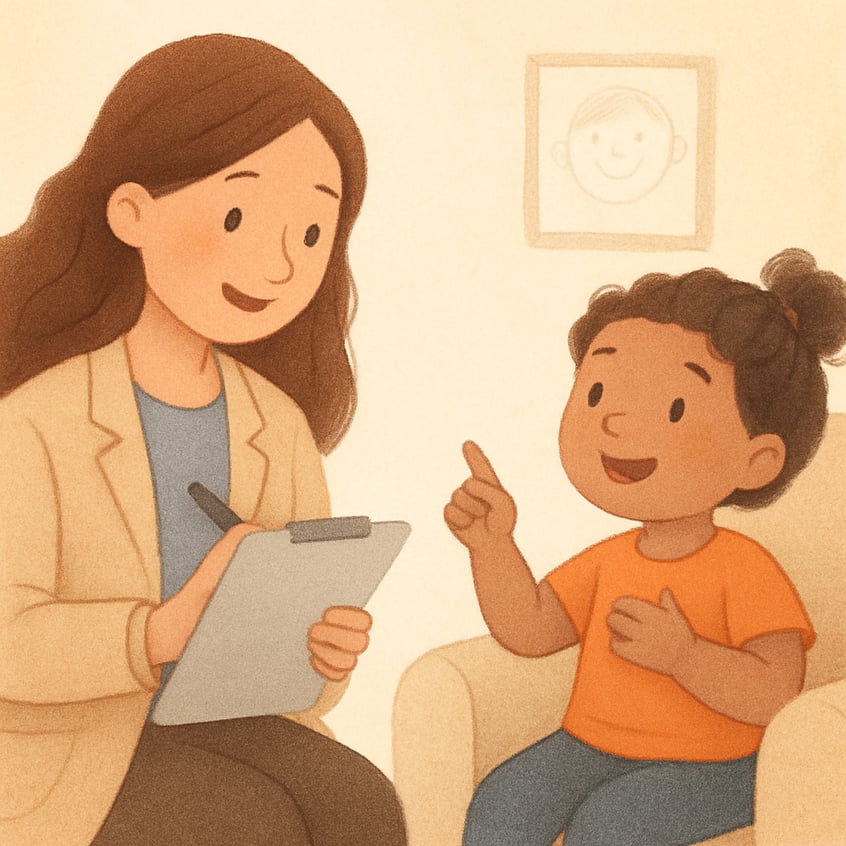
Taking the first step to see a specialist can feel overwhelming but understanding what to expect can help. The first appointment is mostly a conversation in a supportive setting, where you’ll discuss your child’s behaviour and progress. The specialist will ask about tantrums, development, and family dynamics.
This meeting helps the specialist get to know you and your child. They may observe your child through play to assess behaviour and communication. The goal isn’t a quick fix, but to gather information for an effective plan.
Here’s what the initial appointment usually includes:
|
Phase of Appointment |
What It Involves |
|---|---|
|
Initial Discussion |
Questions about your child's history, tantrums, and main concerns. |
|
Observation |
Play or simple tasks to watch behaviour and social skills. |
|
Information Gathering |
Completing questionnaires about your child’s behaviour at home and school. |
|
Next Steps |
Outlining the evaluation process and possible strategies or further assessments. |
Common Evaluation Methods
After the initial meeting, a pediatric behavioural specialist will use several methods to evaluate your child's behaviour. This helps them understand the function behind the tantrums and rule out any other contributing factors. One common approach is behaviour analysis, where the specialist observes your child in different settings to identify triggers and patterns.
These professionals may use standardized checklists or questionnaires to gather information from parents and teachers. Allied health professionals, such as occupational therapists, may also be involved to check for sensory processing issues that could be contributing to sensory overload and meltdowns.
Some common evaluation techniques include:
- Direct Observation: Watching your child interact at home or in the clinic.
- Functional Behaviour Assessment (FBA): A process to determine the purpose a behaviour serves, such as seeking attention or avoiding a task. This can inform therapies like ABA therapy or functional communication training.
- Parent and Teacher Interviews: Gathering insights from the key adults in your child's life to get a full picture of their behaviour across different environments.
Questions to Prepare for and Ask
Arriving prepared for your appointment ensures you get the most from the session. The specialist will ask detailed questions about your child's tantrums, so consider them in advance. Be ready to describe what happens before, during, and after each outburst, and any strategies you've tried.
This is also your chance to ask questions. As your child’s advocate, seek clarity on the assessment process, treatment options, and home strategies. Understanding the specialist's approach boosts your confidence moving forward.
Questions to consider:
- What are the underlying causes of my child's behaviour?
- What does the treatment process involve, and how long does it take?
- How will you track my child's progress?
- What responses should I use at home during a tantrum?
Strategies Pediatric Behavioural Specialists Use to Manage Tantrums
Pediatric behavioural specialists employ a range of effective strategies to help children manage tantrums. The focus is not on punishment but on teaching new skills. By creating a supportive environment, they help children learn to understand and control their emotions.
Techniques often include positive reinforcement to encourage good behaviour and teaching emotional regulation skills. The goal is to empower your child with the tools they need to express their feelings in healthier ways, reducing the need for tantrums altogether.
Behavioural Therapy Techniques
Behavioural therapy is a cornerstone of managing tantrums. It focuses on teaching children positive behaviours to replace challenging ones. A specialist will work with your child to identify triggers and develop skills for emotional regulation, helping them learn how to achieve calm behaviour when they feel overwhelmed.
One effective strategy is using visual supports, like a feelings chart, to help children identify and communicate their emotions. This gives them a way to express themselves without resorting to an outburst. The therapist will also model and practice appropriate ways to handle frustration, making learning fun through play-based activities.
Common behavioural therapy techniques include:
- Positive Reinforcement: Rewarding calm behaviour and successful attempts to use coping skills.
- Functional Communication Training (FCT): Teaching your child to use words, signs, or pictures to ask for what they need instead of having a tantrum.
- Skill Building: Breaking down difficult tasks into smaller, manageable steps to build confidence and reduce frustration.
Parent Guidance and Home Support
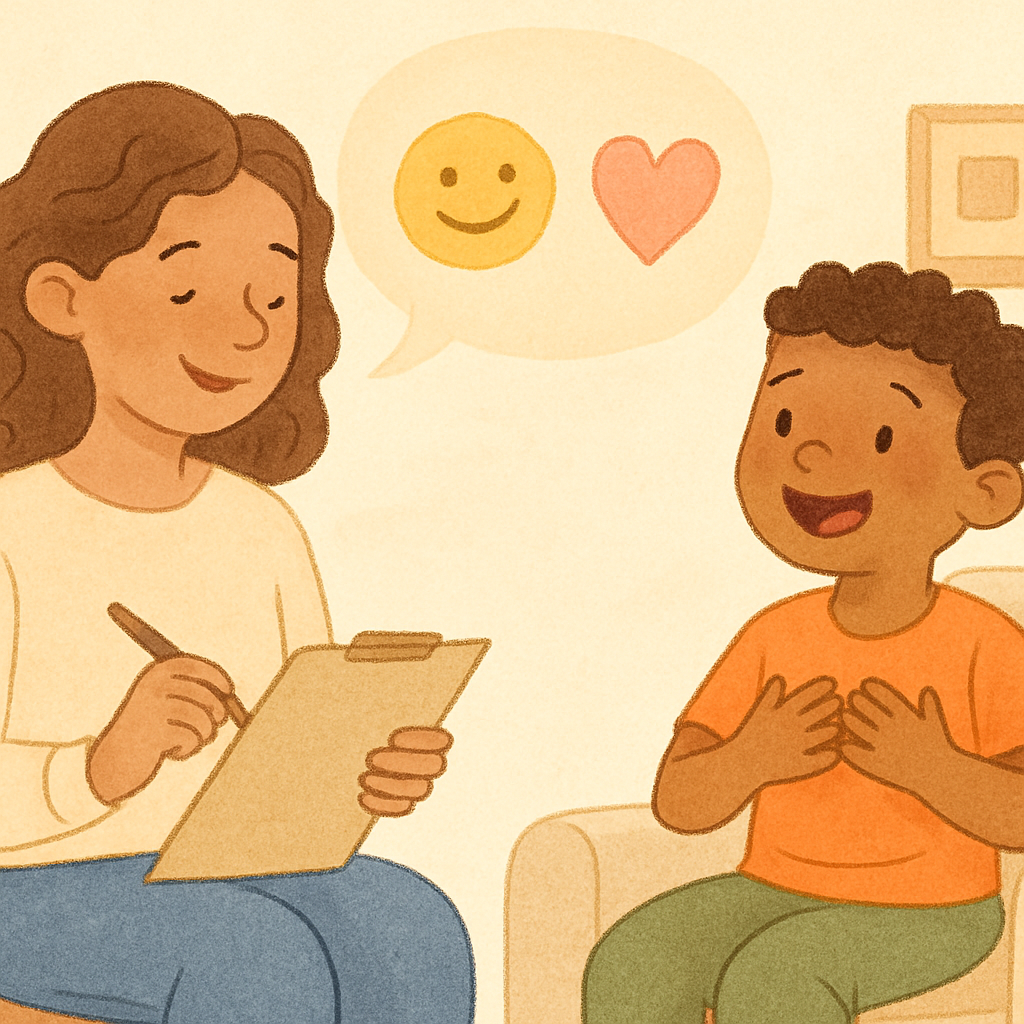
Your role as a parent is vital to your child’s success. A specialist will guide you and provide tools to create a supportive home environment, which reinforces therapy skills.
One helpful tool is using visual schedules for predictable routines. When children know what to expect, it reduces anxiety and tantrums. Setting clear expectations and consistently following through with gentle consequences helps your child understand boundaries.
Ways to support your child at home:
- Stay Calm: Model calm behaviour, even when frustrated.
- Use Positive Reinforcement: Praise your child for using words or coping skills.
- Create a "Calm-Down" Space: Set up a quiet area for your child to regulate emotions.
- Be Consistent: Respond the same way each time so your child knows what to expect.
Conclusion
Finding the right pediatric behavioural specialist for managing tantrums can be a transformative step in your child's development. It’s essential to understand when to seek help and what to expect from the assessment process. By recognizing the signs that necessitate professional intervention and familiarizing yourself with strategies used by specialists, you empower both yourself and your child to navigate these challenging moments effectively. Remember, seeking support is a sign of strength, and with the right guidance, tantrums can be addressed constructively. If you're ready to take the next step, consider reaching out to a qualified pediatric behavioural specialist today for an appointment.
Reach out now for a consultation or call daar at 02 9133 2500 for expert guidance tailored to your child’s needs.
Frequently Asked Questions
Can behavioural therapy reduce tantrums in toddlers?
Yes, behavioural therapy is highly effective for reducing tantrum behaviour in young children. It focuses on teaching emotional regulation and communication skills. Through techniques like positive reinforcement, specialists help toddlers learn to express their needs and manage frustration in healthier ways, making tantrums less necessary.
How can parents help at home after visiting a specialist?
Parent guidance is key to your child's progress. You can help at home by creating a nurturing environment with consistent routines and clear expectations. Using tools like visual schedules and reinforcing positive behaviours as recommended by the specialist will support your child's development and build on what they learn in therapy.
What signs indicate tantrums may be part of a bigger issue?
Signs that tantrums might signal underlying causes include extreme aggression, self-injury, or very frequent and long-lasting outbursts. If persistent tantrums interfere with daily life or continue past age five, they could be linked to behavioural issues like oppositional defiant disorder or other neurodevelopmental disorders, warranting a professional evaluation.
.svg)




.svg)