
.png?width=48&height=48&name=Group%201%20(3).png)























2 February, 2026

Behavioural Therapy for Kids: Fun Activities to Try Today
Introduction
As a parent, it can be tough to watch your child struggle with their emotions or behaviour. You are not alone, and there are powerful tools available to help. Behavioural therapy, including Acceptance and Commitment Therapy, offers clear, proven strategies to help young children navigate these challenges. This approach, including methods like cognitive behavioural therapy, provides practical ways to build confidence, improve emotional control, and foster resilience. This guide will explore fun and effective activities you can use to support your child’s journey toward better mental health.
Key Highlights
- Behavioural therapy helps young children manage behaviour problems by modifying negative behaviours and teaching healthier coping skills.
- Techniques like play therapy and positive reinforcement make therapy sessions engaging and effective for kids.
- A key goal is to improve a child's confidence, emotional regulation, and social skills for long-term well-being.
- Parental involvement plays a vital role in reinforcing new skills learned during therapy.
- Cognitive behavioural therapy (CBT) is a common form that helps children understand the link between their thoughts, feelings, and actions.
- Fun activities and games are used to make the therapeutic process enjoyable and impactful.
Common Behavioural Challenges in Children
Children often show struggles in different ways—what seems like misbehaviour may signal deeper behavioural issues. When negative behaviours become a pattern, professional help may be needed. These problems can affect friendships, family life, learning, and self-esteem.
Behavioural therapy identifies problem behaviours and teaches healthier responses, helping children improve emotional regulation and social skills. The first step in this process is understanding that it gives practical tools to change unhealthy habits and build confidence for lasting positive change. The next sections explain when your child might need this support.
Recognising Signs Your Child May Benefit
Every child faces ups and downs, but persistent struggles may signal a need for extra support. If challenging behaviours consistently disrupt daily life at home or school, your child might need new coping tools. These behaviours aren’t about being “bad”—they often indicate difficulty managing emotions or thoughts.
When such actions become routine, they may suggest underlying issues like anxiety or attention deficit hyperactivity disorder (ADHD). Negative thought patterns can make emotional regulation harder. Addressing these problems early can prevent them from worsening and help your child build healthier coping skills.
Consider therapy if your child shows ongoing patterns such as:
- Frequent anger, arguing, or defiance
- Trouble focusing or following directions
- Persistent sadness, irritability, or frustration
- Difficulty making or keeping friends
Social, Emotional, and Attention-Related Concerns
Behaviour therapy addresses not just outward actions but also the underlying social and emotional issues related to problematic behaviours. Many behavioural challenges arise from a child’s thoughts and feelings—for example, a child with anxiety might avoid social situations due to negative beliefs like “No one will like me.” Therapy helps challenge these beliefs and build confidence.
This approach improves emotional regulation and social skills by offering practical coping strategies for managing worry, making friends, and handling conflict. By reframing their thinking, children gain better control over their reactions and feel more empowered.
For kids with ADHD, behaviour therapy teaches problem-solving skills and routines to improve focus, organization, and reduce impulsivity, while also helping them challenge unhelpful thoughts. These practical tools help children manage symptoms and succeed at home and in school.
How Positive Behaviour Support Helps Children
Positive behaviour support is key to effective therapy for young children. It emphasizes encouraging good behaviour with positive reinforcement, like praise or rewards, making desired actions more likely. This approach builds confidence and helps children find better ways to respond, teaching and celebrating what to do, not just what to avoid.
For children facing mental health challenges, it creates a supportive environment that empowers change. Below, we’ll show how this applies to specific conditions and ways to foster lasting improvement.
Benefits for Kids with ADHD and Autism
Children with ADHD and autism benefit from structured behavioural techniques. Research shows therapies like CBT effectively reduce anxiety, including obsessive-compulsive disorder, and disruptive behaviours in autistic children, improving well-being. These approaches are tailored to help them develop communication and social skills.
For ADHD and autism spectrum disorder, behavioural therapy builds focus, organization, and self-control. Children learn to break down tasks, manage time, and control impulses, leading to better academic and social outcomes.
A structured support plan ensures progress is tracked and remains effective:
|
Stage |
Description |
|---|---|
|
1. Identify Target Behaviour |
Therapist and family pinpoint the behaviour to change. |
|
2. Set Clear Goals |
Collaborative goals for desired outcomes are set. |
|
3. Develop a Support Plan |
A customized plan with specific techniques is created. |
|
4. Implement and Practice |
Child and family practice new skills together. |
|
5. Evaluate Progress |
Therapist reviews progress and updates the plan as needed. |
Encouraging Lasting Positive Change
Parental involvement is crucial for effective therapy involving family members. Reinforcing new skills at home helps turn lessons into lasting habits. Consistent positive reinforcement encourages good behaviour and motivates your child, even on tough days.
Working together with the therapist creates a supportive environment for practicing healthy skills, including exposure therapy techniques. Recognizing and rewarding effort helps children overcome old behaviours and embrace positive change. Consistency is essential.
Try these simple strategies at home:
- Clearly define the positive behaviours you want, such as "sharing toys graciously."
- Choose meaningful rewards with your child.
- Set realistic goals to help your child experience success.
- Reward agreed-upon behaviour consistently.
Getting Started: What You’ll Need for Fun Behavioural Activities
Starting with fun behavioural activities at home doesn't require a lot of special equipment. The most important thing is creating a positive and playful environment. Many effective behaviour therapy techniques for young children are based on play therapy, which uses a child’s natural mode of expression to teach new skills and address negative patterns effectively.
This therapeutic approach focuses on making skill development feel like a game rather than a chore. Simple, everyday items can be transformed into powerful tools for learning and growth. The following sections will outline some essential resources and ideas to help you get started.
Essential Equipment and Resources
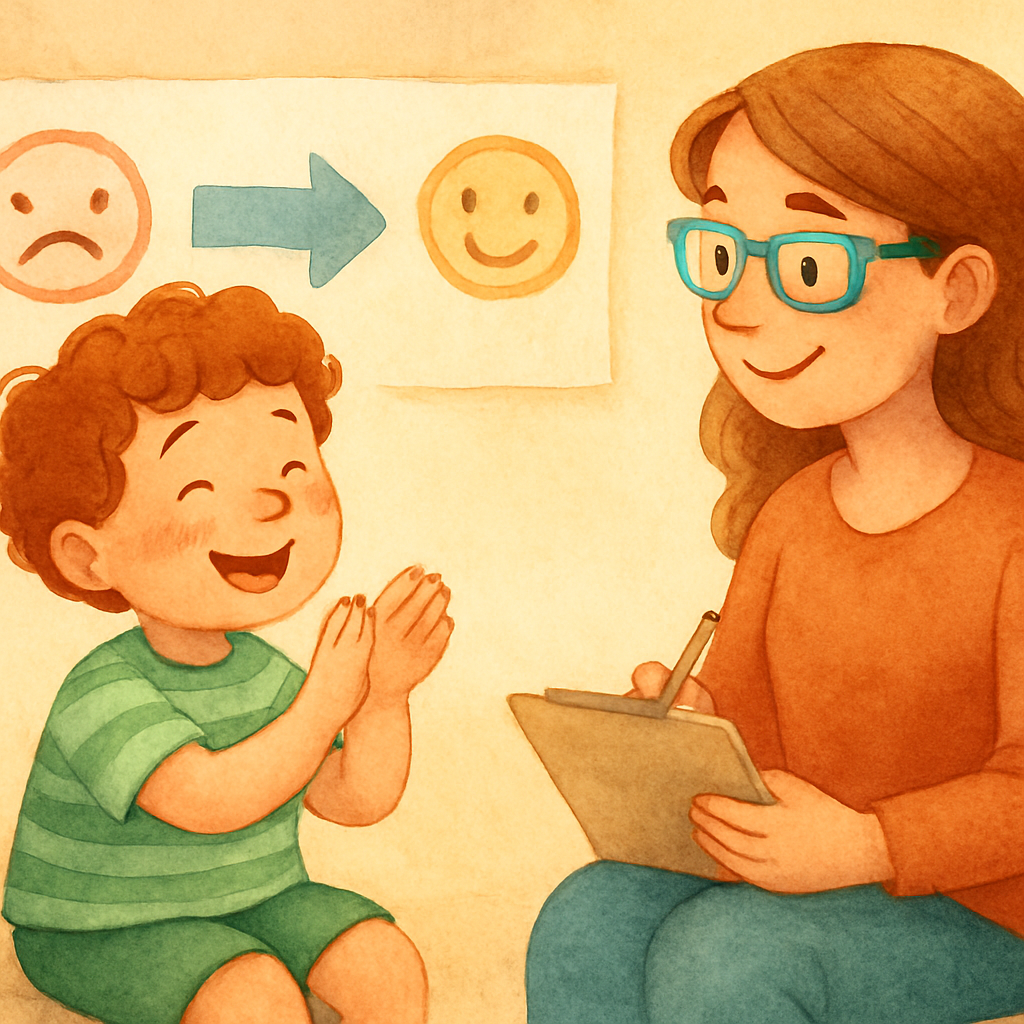
You likely already have everything you need to begin incorporating dialectical behaviour therapy activities at home. This form of therapy works by using simple tools to teach complex skills in an accessible way. The goal of at-home therapy sessions is to reinforce concepts like emotional awareness and positive reinforcement through engaging interactions.
You don't need expensive toys or gadgets. The focus of play therapy is on the process, not the products. Simple household items can be used to create games that teach problem-solving, emotional expression, and social skills. The key is to be creative and make the experience fun and interactive.
Here are a few basic resources you might find helpful:
- Paper and crayons for drawing feelings or creating reward charts.
- A "detective diary" or notebook for tracking positive behaviours and moods.
- Puppets or dolls for role-playing social scenarios.
- Building blocks or puzzles for practicing problem-solving and patience.
Choosing the Right Activities Based on Age and Needs
Tailoring activities to your child's age and specific needs is essential for success. For younger children, activities should be play-based and hands-on. Games, stories, and art are excellent ways to teach emotional and social skills without it feeling like a lesson. The focus is on learning through doing and experiencing.
For older children, teens, and young adults, you can introduce activities that involve more cognitive restructuring and self-reflection. They may be ready for journaling, problem-solving worksheets, or more complex role-playing scenarios that tackle real-life behavioural challenges. These activities help them develop deeper insight into their thoughts and behaviours.
Choosing the right type of activity ensures your child remains engaged and motivated. Here are some ideas based on different needs:
- For emotional regulation: Use a "feelings wheel" or emotion flashcards.
- For social skill development: Role-play conversations or practice taking turns in a game.
- For anxiety: Create a "worry box" or practice simple mindfulness exercises.
- For problem-solving: Work through a maze or build something together.
Step-by-Step Guide: Fun Behavioural Therapy Activities to Try Today
Now that you have some ideas, let's walk through a step-by-step guide to fun activities you can try at home. These exercises are based on proven methods like cognitive behavioural therapy, a popular type of talk therapy, and play therapy. They are designed to be simple, engaging, and effective for helping your child build new skills.
Incorporating these activities into your daily interactions can reinforce what is learned in formal therapy sessions or serve as a great starting point if you are exploring behavioural parent training. The following steps will guide you through setting up systems of positive reinforcement, role-playing, and more.
Step 1: Setting Up a Reward System
One of the most effective behavioural modification tools is a reward system. This strategy uses positive reinforcement to encourage good behaviour by making it motivating and fun. The key is to work with your child to create a system that feels exciting to them. This helps them take ownership of their progress.
Start by identifying one or two specific behaviours you want to focus on, such as "using kind words" or "finishing homework on time." By creating consistent routines around these goals, you help your child understand what is expected of them. Celebrating their successes, no matter how small, builds their confidence and makes them more likely to repeat the positive behaviour.
Here’s how to set up a simple reward system:
- Define clear and positive target behaviours.
- Choose meaningful rewards together, like extra screen time or a special outing.
- Set achievable goals so your child can earn rewards regularly.
- Use a chart to track progress and offer frequent praise and encouragement.
Step 2: Role-Playing Scenarios
Role-playing is an effective and enjoyable way for children to practice social skills in a safe setting. It lets them act out challenging situations and try different responses without real-world consequences, helping build confidence for future interactions.
You can role-play specific incidents, like an argument with a friend, or general challenges, such as joining a group. This helps kids think through their actions and understand others’ perspectives, making it useful for addressing behaviour problems and teaching communication skills.
Role-playing also relates to exposure and response prevention therapy, where children face difficult situations and learn healthier ways to respond. Practicing new approaches shows them they can handle challenges positively.
Step 3: Problem-Solving Games
Teaching problem-solving is central to cognitive behavioural therapy. When children feel anxious or frustrated, decision-making becomes difficult. Problem-solving games offer a structured way to build coping skills.
One effective game is the “traffic light” method, which breaks problem-solving into three steps: RED—stop and identify the problem; YELLOW—think of possible solutions and weigh their pros and cons; GREEN—choose the best solution and reflect on the outcome.
This approach encourages thoughtful decisions over impulsive reactions. It’s especially useful for children with ADHD, helping them manage impulse control and empowering them to make better choices.
Step 4: Using Play to Teach Coping Skills
Play is the natural language of children, making play therapy an incredibly effective way to teach coping skills. Through play, young minds can explore and process complex emotions, including understanding their child’s behaviours, healthily. Fun games and activities create a safe space for children to practice emotional regulation without feeling pressured or judged.
For example, you can use puppets to act out a situation where a character feels angry, then explore different ways the puppet could calm down. This allows children to express their feelings and learn new strategies creatively and engagingly. Play offers a holistic approach to building resilience and emotional wellness.
Play therapy helps children develop many important skills, including:
- Flexible thinking and seeing problems from multiple angles.
- Exploring and understanding a range of emotions, both positive and negative, leading to positive outcomes.
- Building empathy by considering the feelings of others.
- Developing new and creative coping mechanisms for daily challenges.
Conclusion
In conclusion, incorporating fun activities into behavioural therapy can greatly improve your child’s ability to handle behavioural problems and challenges. Engaging methods like games, role-playing, and problem-solving not only support learning but also create a safe space for self-expression. These activities encourage positive behaviour changes and make therapy enjoyable. Remember, every child is unique—choose activities that fit their needs.
For more guidance or to learn about effective techniques, reach out for a consultation or call daar at 02 9133 2500. Your child’s path to growth can begin today!
Frequently Asked Questions
Are fun games and activities really effective in behavioural therapy?
Yes, absolutely. For young children, fun games and activities are a core part of effective therapy. This approach, known as play therapy, is a type of therapy that makes therapy sessions engaging and helps kids learn and practice new skills and positive habits in a natural, low-pressure way. It turns learning into an enjoyable experience.
Does the NDIS cover behavioural therapy for kids in Australia?
Yes, the NDIS can provide funding for behavioural therapy as an effective treatment for children with a diagnosed disability or certain mental health conditions. As part of an NDIS plan, families can access funding for therapy sessions and other supports that fall under early intervention, helping them get the professional help they need.
Where can I find behavioural therapy services or specialists for my child?
You can start by asking your child's pediatrician or school counselor for a referral to qualified behavioural therapists who specialize in child behaviour. Many parents also find specialists through online searches for local providers who specialize in child or family therapy. These professionals are trained to work with young people to improve their mental health.
.svg)




.svg)