
.png?width=48&height=48&name=Group%201%20(3).png)























13 January, 2026

Speech Pathology Liverpool: Your Guide to Quality Care
Introduction
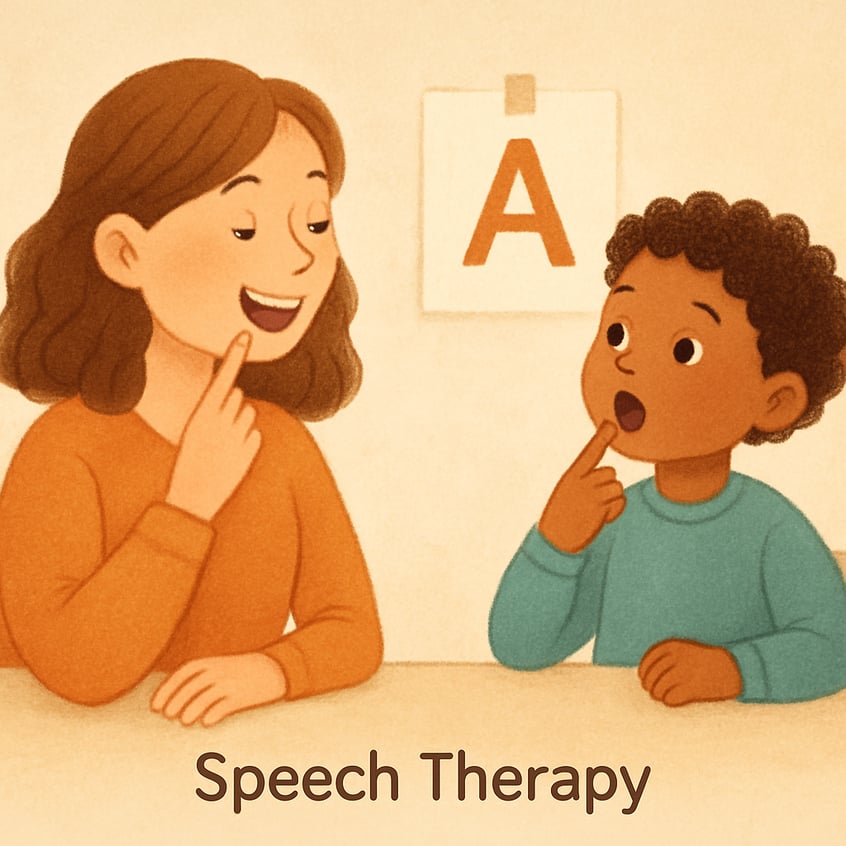
Welcome to your guide to speech pathology in Liverpool. Communication is a fundamental part of how we connect with the world, but sometimes challenges can arise. Whether it's a child struggling with language development or an adult recovering from a stroke, communication disorders can be isolating. Thankfully, speech therapists are here to help. This article will walk you through what speech pathology is, how it can help, and how you can access quality care for yourself or a family member right here in your community. You might be wondering about the difference between speech pathology and speech therapy. Speech pathology refers to the broader field that assesses, diagnoses, and treats communication and swallowing disorders, while speech therapy is the specific treatment provided within that field by trained professionals known as speech therapists. In other words, speech therapy is one component of what speech pathologists do as they help people improve their communication skills.
Key Highlights
-
A speech pathologist is a trained professional who assesses, diagnoses, and treats a variety of communication disorders.
-
Speech pathology services can help people of all ages with issues like language disorders, speech sound problems, and swallowing difficulties.
-
Individualized speech therapy plans are created to help you or your loved one meet specific communication goals. The most common conditions treated by speech pathologists include speech sound disorders, language delays, stuttering, voice disorders, and difficulties related to swallowing or social communication. Early intervention is key for children, significantly improving their long-term communication skills and quality of life.
-
Early intervention is key for children, significantly improving their long-term communication skills and quality of life.
-
This guide will help you understand how to find and choose quality speech pathology services in Liverpool, NSW.
Roles and Responsibilities of a Speech Pathologist
So, what exactly does a speech pathologist do? These healthcare professionals are experts in communication. Their primary role is to evaluate, diagnose, and treat a wide range of speech, language, voice, and swallowing disorders. They work with people of all ages, from infants with feeding difficulties to adults with communication challenges.
A speech pathologist helps individuals improve their communication skills to better engage with the world around them. This involves creating and implementing personalized speech therapy plans to address specific needs, such as language disorders or stuttering. Anyone who struggles to communicate clearly or swallow safely can benefit from their services.
Assessment and Diagnosis of Communication Disorders
The speech therapy journey begins with a thorough assessment. A speech pathologist uses various tools to identify communication challenges—whether with language, speech sounds, or social skills.
During the assessment, the therapist evaluates areas like articulation (difficulty producing sounds), language disorders (trouble understanding or expressing thoughts), fluency issues (such as stuttering), voice disorders, and challenges linked to autism or brain injury.
After this evaluation, the pathologist provides a diagnosis. This diagnosis guides targeted, effective therapy tailored to address the specific communication problem.
Individualized Treatment Planning for Clients
After a diagnosis is made, your speech pathologist will collaborate with you to create an individualized treatment plan. This plan is not a one-size-fits-all solution; it’s a roadmap designed specifically to address your unique communication issues and goals. This commitment to individualized care ensures that therapy is both relevant and effective.
The treatment plan will outline the specific therapy approaches that will be used. The goal is to build on your strengths while targeting areas that need improvement. Your speech pathologist will identify key objectives to help you achieve better communication in your daily life.
These plans often include a variety of strategies and activities. Depending on your needs, your therapy might focus on:
-
Exercises to strengthen the muscles used for swallowing or speaking.
-
Strategies to improve vocabulary and sentence structure.
-
Techniques to manage fluency and reduce stuttering.
Supporting Families and Caregivers Through the Process
Effective speech therapy involves the whole family, not just the individual. Speech pathologists know that communication challenges affect everyone, so they offer guidance and strategies for caregivers to support loved ones at home and in social settings.
Involving caregivers helps reinforce therapy skills, leading to faster and more lasting progress. Therapists show families how to create a communication-rich environment and practice exercises in enjoyable ways—crucial for building social skills.
Working together with your speech pathologist creates a strong support system. This teamwork not only addresses communication challenges but also empowers your family, making progress a shared, positive experience.
Speech Pathology for Children: Approaches and Outcomes
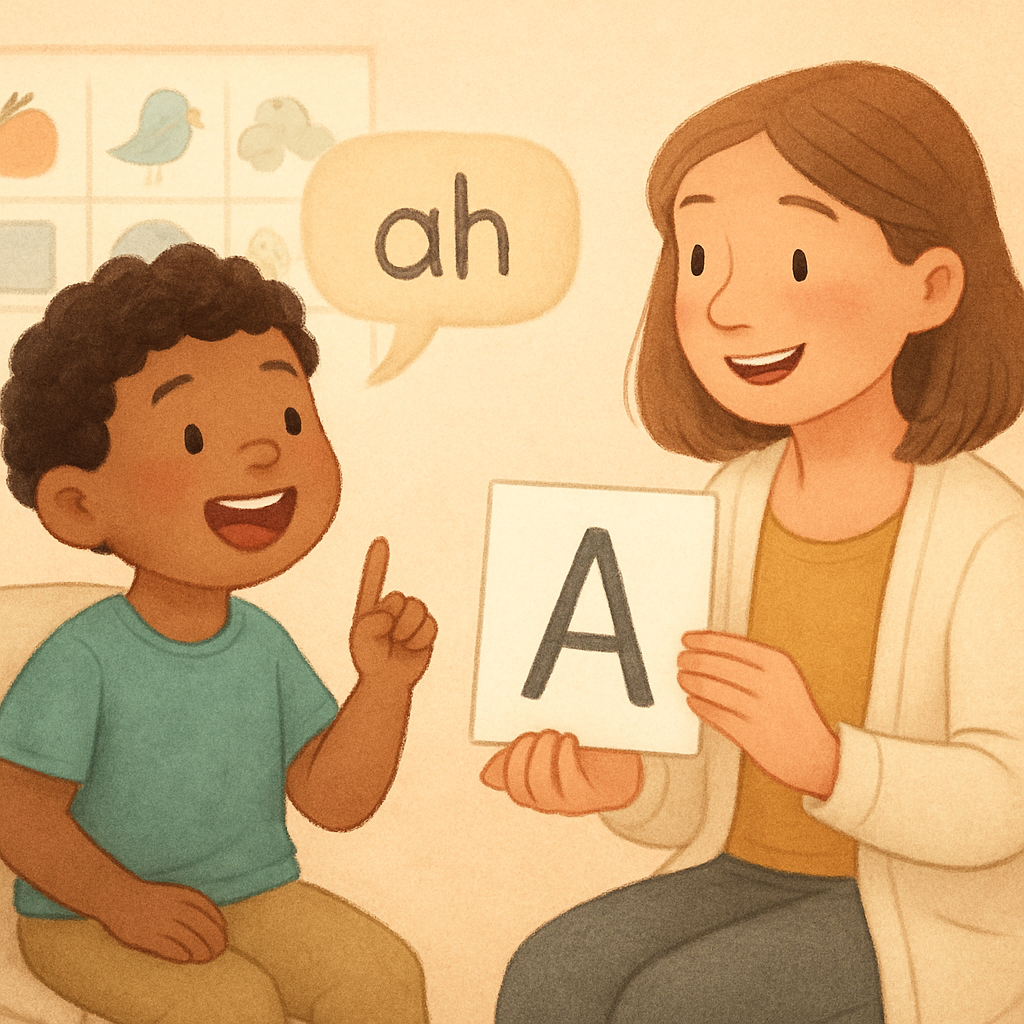
Speech pathology is crucial for children’s language development and communication skills. Child speech therapy addresses delays and disorders through engaging, effective methods, with an emphasis on early intervention for lasting impact.
A speech pathologist helps children express themselves, understand others, and gain confidence. The next sections cover the benefits of early therapy, techniques used, and how progress is measured to ensure developmental milestones are met.
Early Intervention and Its Benefits
Early intervention is one of the most powerful tools in speech pathology for young children. When communication challenges are identified and addressed at a young age, it can prevent more significant language disorders from developing later on. Starting therapy early sets a child up for better academic and social outcomes.
The benefits of taking action sooner rather than later are immense. For children with speech delays, early therapy can dramatically improve their ability to communicate their needs and ideas, reducing frustration for both the child and their family. It provides a foundation for literacy and learning before they even start school.
Ultimately, early intervention aims to enhance a child's overall quality of life. Some of the key advantages include:
-
Improved ability to form relationships with peers and family.
-
Increased confidence and self-esteem in social settings.
-
Better preparedness for the academic demands of school.
Techniques Used in Child Speech Therapy
Speech therapists use creative, evidence-based techniques to support language development. For children, therapy is often play-based, making learning natural and enjoyable while targeting specific skills.
Techniques are tailored to each child’s needs and interests. Therapists may use games, books, or toys to encourage vocalization, practice sounds, and build vocabulary. This playful approach keeps children engaged and makes therapy a positive experience.
Common techniques include:
-
Articulation therapy—teaching correct sound production through exercises and modeling.
-
Language intervention—building vocabulary and sentence formation skills.
-
Play-based methods—using toys and games to model and prompt communication.
Tracking Progress and Achieving Milestones
A key part of the speech therapy process is carefully tracking progress to ensure the treatment is effective. Speech therapists set clear, achievable goals at the beginning of therapy and regularly monitor a child's journey toward reaching them. This helps in adjusting the therapy plan as needed to overcome any communication problems.
Progress is measured using a combination of formal and informal outcome measures. This could involve standardized tests, observations during therapy sessions, and feedback from parents and teachers. Celebrating the achievement of milestones, no matter how small, is an important part of keeping both the child and their family motivated.
You will be kept informed every step of the way. Your speech therapist will provide regular updates on your child's progress, discuss what is working well, and collaborate with you on the next steps. This partnership ensures that everyone is working together to help your child achieve their communication potential.
Accessing Speech Pathology Services in Liverpool, NSW
Finding the right support in your local area is the first step toward addressing communication challenges. In Liverpool, NSW, there are several avenues for accessing high-quality speech pathology services. You can find experienced professionals in a variety of settings, ready to help you or your family member.
Whether you prefer the personalized attention of private practices or the resources available at a community health centre, there are options to suit your needs. The next sections will guide you on how to choose a qualified professional and navigate the referral and appointment process for Liverpool speech pathology services.
How to Choose a Qualified Speech Pathologist
Choosing the right speech pathologist is a crucial decision. You want to find someone who is not only qualified but also a good fit for you or your child. In Australia, a qualified speech pathologist will have completed a recognized university degree and should be a member of Speech Pathology Australia, the national professional body.
When looking for a provider, consider their experience and any specialty certifications they may hold. Some therapists specialize in areas like child language, stuttering, or swallowing disorders. This specialized knowledge can be beneficial if you are dealing with a specific or complex condition. Don't hesitate to ask about their clinical practice and approach to therapy.
Feeling comfortable and building a good rapport with your therapist is also essential for a successful outcome. Consider these factors when making your choice:
|
Factor to Consider |
Why It's Important |
|---|---|
|
Qualifications & Registration |
Ensures the pathologist meets national standards for practice. |
|
Relevant Experience |
Look for experience with your specific age group or condition. |
|
Specialty Certification |
Indicates advanced expertise in a particular area of practice. |
|
Personal Connection |
A strong therapeutic relationship fosters trust and better results. |
Navigating Referrals and Appointments in Your Area
After identifying a speech pathologist or clinic, the next step is to book an appointment. For private practices, you can usually contact the clinic directly without a referral. Your General Practitioner (GP) can also recommend trusted speech pathologists and provide referrals if required for funding options like Medicare.
Speech Pathology Australia’s website features a “Find a Speech Pathologist” tool to help you locate certified professionals in Liverpool. When calling to schedule, be ready to briefly explain your concerns so the clinic can assess your needs and arrange the right type of evaluation.
Costs, Insurance, and Coverage for Speech Pathology in Australia
Understanding the financial side of accessing health services is an important part of planning for therapy. The costs of speech pathology can vary, but there are several avenues for funding support in Australia that can make it more affordable for you and your family.
Both Medicare and private health insurance may offer rebates or coverage for speech therapy sessions. It's a good idea to investigate these options to see what you might be eligible for. The following sections will provide more detail on these funding pathways and other factors that can influence the overall costs of therapy in Liverpool.
Understanding Medicare and Private Health Insurance Options
Navigating funding for speech therapy services can seem complex, but there are clear options available. In Australia, Medicare can provide rebates for a limited number of sessions if you or your child has a chronic medical condition and a complex care need. This requires a specific care plan from your GP.
Private health insurance is another common way to help cover the costs. The amount of coverage you receive will depend on your insurer and your level of extras cover. It is always best to contact your provider directly to confirm what is included in your policy before starting therapy.
When exploring your funding options, keep the following in mind:
-
Ask your GP if you are eligible for a Chronic Disease Management (CDM) plan to access Medicare rebates.
-
Check your private health insurance policy for details on coverage for speech pathology.
-
Enquire about payment plans or other funding schemes, like the National Disability Insurance Scheme (NDIS), if applicable.
Factors That Influence Speech Therapy Costs in Liverpool
Several factors can influence the final costs of speech therapy. Therapy fees can differ between clinics and individual practitioners based on their level of experience and specialization. A therapist with advanced training in a specific area may have a different fee structure.
The nature of the health services you require also plays a role. The price can be affected by the length and frequency of your sessions, whether you are receiving individual or group therapy, and the complexity of the assessment needed. Initial assessments are often a different price than ongoing therapy sessions.
When researching Liverpool speech pathology services, it's wise to ask for a clear schedule of fees upfront. Most clinics are transparent about their costs and can provide you with a detailed breakdown. This allows you to plan accordingly and make an informed decision that suits your budget and therapeutic needs.
Conclusion
In conclusion, finding the right speech pathology services in Liverpool can significantly enhance communication skills for individuals of all ages. From assessment to individualized treatment plans, speech pathologists play a crucial role in improving the quality of life for their clients. By understanding the specific needs of children and adults alike, they provide tailored approaches that foster effective communication. Whether you’re navigating insurance options or seeking the best therapy techniques, being informed is key.
Don't hesitate to reach out for a consultation or call daar at 02 9133 2500 for assistance—your journey to better speech starts today.
Frequently Asked Questions
What Qualifications Do Speech Pathologists in Australia Hold?
In Australia, a qualified speech pathologist must complete an accredited university degree, which is often a Bachelor's or Master of Science in Speech Pathology. They are expected to be members of Speech Pathology Australia, which ensures they adhere to professional standards. Some may also pursue specialty certification for advanced practice.
How Long Does Speech Therapy Typically Take to Show Results?
The duration of speech therapy varies greatly for each person. It depends on the type and severity of the speech disorder, the frequency of sessions, and individual progress. Your therapist will set realistic goals within your treatment plan and use outcome measures to track improvements along the way.
Where Can I Study Speech Pathology in Australia?
Numerous universities across Australia offer accredited speech pathology programs. These courses are available at both the undergraduate and postgraduate levels, with the Master's degree being a common pathway into the profession. Entry requirements vary by institution but are generally competitive, often requiring a previous degree and specific prerequisite subjects.
.svg)




.svg)