
.png?width=48&height=48&name=Group%201%20(3).png)























7 January, 2026

Exercise Physiologists: Essential for Kids' Health
Introduction
Have you ever wondered how targeted physical activity can support your child's development? An exercise physiologist plays a vital role in children's health by designing specialized exercise plans tailored to their unique needs. These professionals use their expertise to improve a child's overall wellbeing, helping them overcome various physical and medical challenges. By providing expert exercise physiology services, they give children the tools they need to lead healthier, more active lives, making a significant impact on their long-term development.
Key Highlights
-
An exercise physiologist is a university-qualified health professional who creates personalized exercise programs for children.
-
These experts use evidence-based physical activity to improve health and manage chronic conditions or disabilities.
-
They focus on enhancing a child's functional capacity, gross motor skills, and overall quality of life.
-
An accredited exercise physiologist often collaborates with other health professionals to ensure comprehensive care.
-
Exercise programs are designed to be fun and play-based to keep children engaged and motivated.
-
These services can address a range of needs, from developmental delays to specific conditions like autism.
The Role of Exercise Physiologists in Children's Health
An exercise physiologist is dedicated to improving a child's health by creating and managing specific exercise programs. They assess a child’s physical condition and develop plans that address everything from developmental delays to chronic health issues, helping to improve their quality of life. In Australia, paediatric exercise physiology can be covered under the NDIS if the child’s needs and goals align with therapeutic supports funded by their plan. This allows eligible children to access exercise physiology services to support their health and development.
Using the principles of clinical exercise physiology, these health services aim to boost functional capacity and independence in daily activities. The goal is to make movement easier and more enjoyable, supporting long-term health in a caring and effective way. Parents can access paediatric exercise physiology services by obtaining a referral from their child's doctor, contacting local allied health centers, or searching online for clinics that specialize in pediatric care. Now, let’s explore what paediatric exercise physiology involves and the qualifications these professionals hold.
Understanding Paediatric Exercise Physiology
Pediatric exercise physiology uses physical activity to treat, prevent, and manage conditions in children. Unlike adult programs focused on chronic disease management, pediatric exercise prioritizes development through play-based activities.
This approach emphasizes habilitation—helping children gain new skills—rather than rehabilitation. Exercise physiologists use games to improve motor skills, coordination, and balance, making sessions both fun and effective.
The field supports physical growth and mental well-being by building confidence and functional abilities. The ultimate goal is to help children thrive in all aspects of daily life.
Key Qualifications of Australian Paediatric Exercise Physiologists
When seeking help for your child, you want trusted experts. Accredited exercise physiologists in Australia are university-trained allied health professionals recognized by Exercise and Sports Science Australia (ESSA).
Their qualifications include:
|
Qualification |
Description |
|---|---|
|
University Degree |
Bachelors in exercise science or related field |
|
ESSA Accreditation |
Accredited Exercise Physiologist (AEP) status |
|
Specialized Training |
Skilled in evidence-based exercise for various health needs |
|
Allied Health Recognition |
Part of the Australian healthcare system |
These credentials ensure they understand how exercise affects the body and can design safe, effective programs tailored to your child’s needs. Their expertise supports your child’s health and development goals.
How Exercise Physiologists Support Children with Diverse Needs
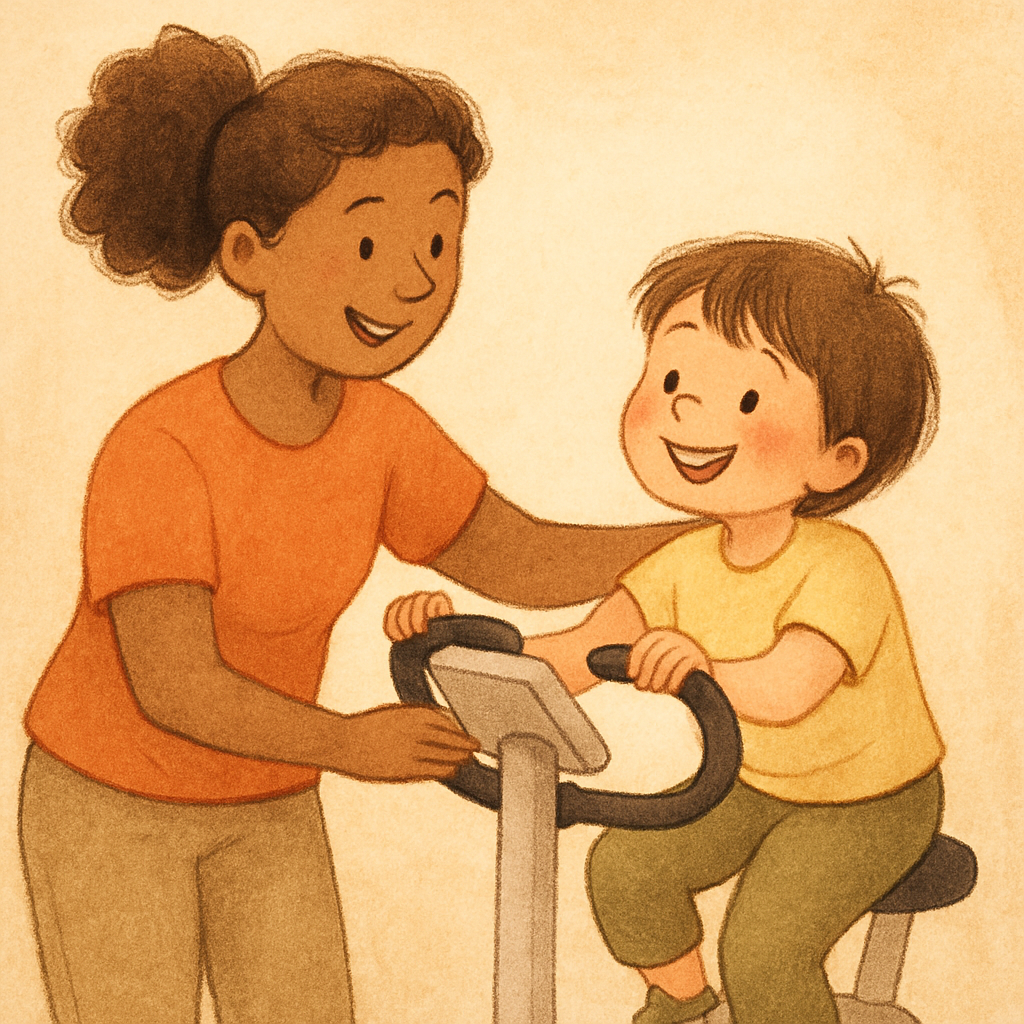
Exercise physiologists are skilled at creating exercise programs that cater to children with a wide variety of needs. Whether your child is living with a disability, managing chronic diseases, or facing developmental delays, these professionals can provide targeted support.
The key is a personalized approach. Every plan is developed around the child’s needs, abilities, and goals. By focusing on what your child can do, an exercise physiologist helps them build confidence and improve their physical function in a supportive environment. The following sections will explore how they work with specific conditions and design age-appropriate activities.
Working with Kids with Disabilities and Chronic Conditions
Pediatric exercise physiologists help children with disabilities and chronic conditions by designing tailored exercise programs to improve strength, endurance, and independence. These programs address specific challenges of conditions such as autism spectrum disorder, cerebral palsy, global developmental delay, and other neurological issues.
Goals are individualized: for cerebral palsy, activities may reduce spasticity and boost mobility; for autism, they may enhance motor planning and coordination. By setting achievable steps, exercise physiologists help children build skills and confidence.
Designing Age-Appropriate Activities for Children
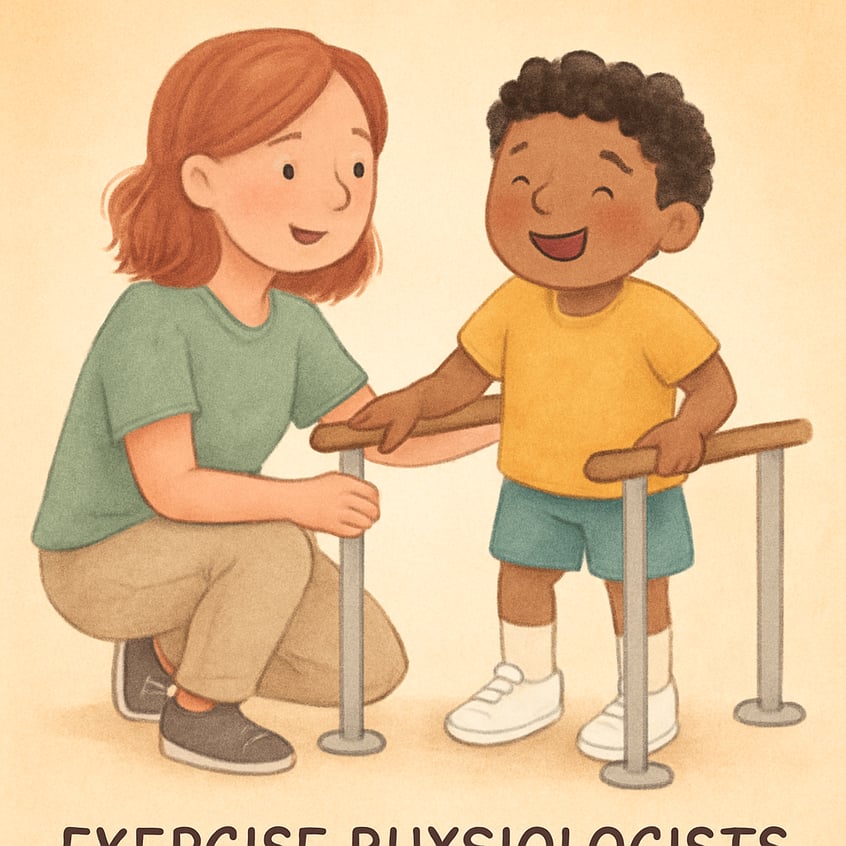
Effective exercise programs for children must be engaging and fun. Pediatric exercise physiologists turn therapy into play by designing age-appropriate activities that motivate kids to participate. This play-based approach ensures sessions are enjoyable and supports consistent progress.
These activities target essential developmental skills, such as:
-
Gross motor skills like balance and coordination
-
Sports abilities and ball skills
-
Mobility and posture
-
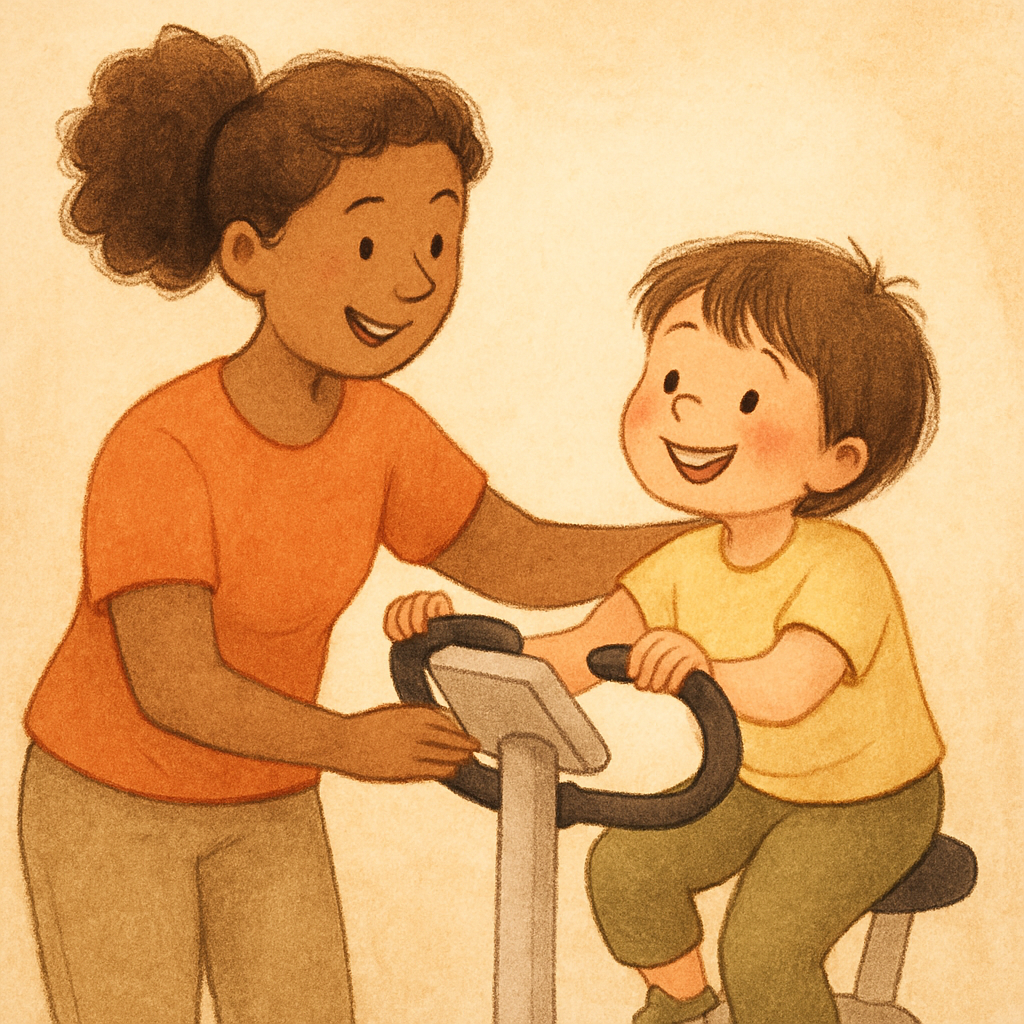
Functional tasks like bike riding
By making therapy feel like play, children improve physical abilities and confidence without even realizing they’re working. This positive experience supports their overall growth.
Collaborating with Health Professionals and Accessing Services
A pediatric exercise physiologist rarely works alone, often collaborating with occupational therapists and physiotherapists to provide holistic care. For example, they may work with a physiotherapist to combine strength exercises and manual therapy, improving your child's mobility and posture.
Accessing these services is usually straightforward. While a referral isn’t always required, your doctor can help assess eligibility for a GP Management Plan, which may include Medicare rebates. Exercise physiology is also commonly funded through the NDIS under Capacity Building supports, making these services accessible for many families.
Conclusion
In conclusion, exercise physiologists are essential to children's health and well-being. By understanding kids' unique needs, they design personalized programs that encourage activity and address various health challenges. Working with other health professionals, they ensure comprehensive care for healthy development. Prioritizing their involvement helps lay the foundation for a healthier future.
For more information or personalized advice, contact us for a consultation or call daar at 02 9133 2500 today!
Frequently Asked Questions
How can exercise physiologists tailor fitness programs specifically for children?
Exercise physiologists customize fitness programs for children by assessing individual abilities and interests, ensuring age-appropriate activities. They create engaging and safe routines that consider physical, emotional, and developmental needs, promoting healthy habits while fostering confidence and enjoyment in exercise.
What are the long-term benefits of involving my child with an exercise physiologist?
Involving your child with an exercise physiologist fosters lifelong health habits, enhances physical fitness, and improves mental well-being. These professionals tailor activities to individual needs, ensuring children develop skills that contribute to their overall growth and resilience against future health challenges.
Are there any specific conditions or issues that exercise physiologists can help address in kids?
Exercise physiologists can address various conditions in children, including obesity, asthma, developmental delays, and chronic illnesses. They design tailored exercise programs to enhance physical fitness, mobility, and overall health while promoting psychological well-being and social engagement among kids with diverse needs.
.svg)




.svg)