
.png?width=48&height=48&name=Group%201%20(3).png)
























30 December, 2025

Exploring Exercise Physiology: A Path to Health Careers
Introduction
Have you ever wondered how physical activity can transform your health? That’s the core question behind exercise physiology, a fascinating field dedicated to understanding how movement impacts the human body. An exercise physiologist is a health professional who applies this science to help people improve their overall health, prevent injuries, and manage chronic conditions. If you're passionate about health and wellness, exploring a career in exercise physiology could be a rewarding path to helping others live better, more active lives.
Key Highlights
-
An exercise physiologist uses scientific knowledge to create personalized exercise programs. In a bachelor’s program in exercise physiology, students typically study subjects such as anatomy, physiology, biomechanics, exercise testing and prescription, nutrition, and the role of physical activity in health. The field focuses on improving health and preventing injury through targeted physical activity. Clinical exercise physiology is a specialty that helps manage chronic diseases with exercise.
-
The field focuses on improving health and preventing injury through targeted physical activity.
-
Clinical exercise physiology is a specialty that helps manage chronic diseases with exercise.
-
Becoming an accredited exercise physiologist allows you to work with a wide range of clients.
-
These healthcare professionals are vital in promoting wellness and better quality of life.
-
Collaborating with other experts, they deliver holistic and effective health solutions.
Understanding Exercise Physiology
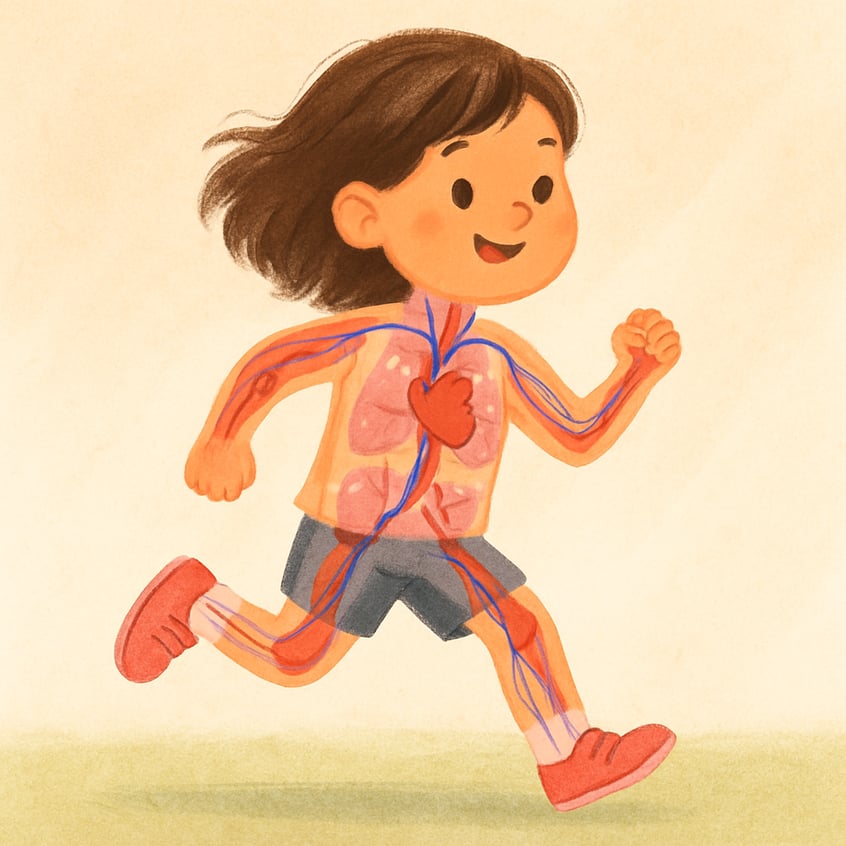
At its heart, exercise physiology is the scientific area of study focused on the body’s responses and adaptations to physical activity. It examines everything from how your muscles use energy to how your heart and lungs work harder during a run. This field provides the "why" behind the benefits of movement.
Understanding these principles is crucial for creating safe and effective exercise programs. It allows professionals to tailor physical activity to individual needs, whether for an elite athlete aiming for peak performance or a patient recovering from a health issue. It is a vital component of modern healthcare. We will now look at what defines the field and its core principles.
Defining Exercise Physiology
So, what is exercise physiology, and why is it important? In simple terms, it's the science of how the body functions during and after exercise. This field explores the acute responses, like an increased heart rate during a workout, and the chronic adaptations, such as improved cardiovascular health over time. It is a specialized discipline that blends biology, chemistry, and physics to explain the benefits of being active.
A deep knowledge of human anatomy and physiology is fundamental to this profession. Exercise physiologists study the effects of physical activity on every system in the body, from the skeletal muscles to the endocrine system. This allows them to understand how regular movement can strengthen bones, regulate blood sugar, and improve mental well-being.
The importance of this field lies in its ability to translate scientific knowledge into practical health solutions. By understanding exactly how exercise impacts the body, professionals can design targeted interventions to prevent and manage a wide range of health issues, ultimately promoting a healthier society.
Key Principles and Concepts
Exercise physiology is built on several key principles that explain the effect of exercise on the body. These concepts form the scientific foundation for designing training programs that achieve specific health and fitness outcomes. They help professionals understand how to challenge the body safely to produce positive changes.
Some of the core concepts include:
-
Cardiovascular Response: This involves studying how exercise strengthens the heart and improves blood flow, which is crucial in preventing cardiovascular disease.
-
Oxygen Consumption: This measures the body's ability to use oxygen during physical exertion, a key indicator of aerobic fitness.
-
Muscle Strength and Adaptation: This principle covers how resistance training leads to gains in muscle strength and endurance.
By applying these concepts, an exercise physiologist can create a plan that effectively improves a person's physical well-being. Whether the goal is to manage a chronic condition or enhance athletic ability, these principles guide every recommendation and intervention.
The Role of an Exercise Physiologist
An exercise physiologist acts as a guide, helping people use exercise as a tool for better health. They are university-qualified allied health professionals who assess, prescribe, and deliver exercise interventions for a wide variety of individuals. Their expertise goes beyond general fitness advice, focusing on scientifically-backed methods.
An accredited exercise physiologist is equipped to design specialized training programs and clinical exercise interventions. They work with people of all ages and abilities, including those with chronic health conditions or injuries. The following sections will explore their specific responsibilities, the skills they need, and the diverse settings where their expertise is valued.
Core Responsibilities of Exercise Physiologists
The primary duty of an exercise physiologist is to improve a person’s health and wellness through exercise. This begins with a thorough assessment of an individual's health history, fitness level, and personal goals. They use this information to create safe, effective, and personalized exercise programs.
Their responsibilities are diverse and patient-centered. Key tasks often include:
-
Developing exercise interventions to manage chronic diseases like diabetes or heart conditions.
-
Providing health education and lifestyle advice to promote long-term behavioural change.
-
Assisting clients in restoring optimal physical function after an injury or surgery.
A clinical exercise physiologist, in particular, focuses on using exercise to treat and manage complex health issues. They empower patients with the knowledge and support they need to take an active role in their own health journey, ensuring that the prescribed activities are both beneficial and sustainable.
Skills and Attributes Needed
To be a successful exercise physiologist, you need more than just a passion for fitness. This role requires a unique blend of scientific knowledge, practical skills, and interpersonal abilities. Since they work directly with people, often during vulnerable times, empathy and strong communication are essential.
Some of the most important skills and attributes include:
-
Strong Communication: The ability to clearly explain complex concepts and motivate clients.
-
Problem-Solving: Developing creative solutions to help individuals overcome barriers to exercise.
-
Empathy: Understanding a client's challenges and providing compassionate support.
-
Scientific Knowledge: A deep understanding of human anatomy, physiology, and biomechanics.
These professionals must also be adept at fostering behavioural change, as helping someone adopt a healthier lifestyle is a key part of the job. They often work alongside other healthcare professionals, so collaborative skills are also crucial for providing integrated and effective care.
Settings Where Exercise Physiologists Work
The demand for exercise physiologists is growing, and they can be found in a variety of settings. Their skills are valuable wherever health, wellness, and physical performance are a priority. This diversity of workplaces offers many different career opportunities for graduates.
You can find these professionals in:
-
Clinical Settings: This includes private hospitals, rehabilitation centers, and specialized clinics focusing on clinical exercise physiology.
-
Community and Public Health: They work in community health centers, gyms, and public health initiatives to promote widespread wellness.
-
Specialized Fields: Many work in workplace health to improve employee well-being, or with sports teams to enhance athletic performance.
This range of environments means an exercise physiologist can choose a career path that aligns with their specific interests, whether it's helping patients manage chronic illness, supporting athletes in reaching their peak, or improving the health of an entire community.
Comparing Exercise Physiology, Physiotherapy, and Exercise Science
The terms exercise physiology, physiotherapy, and exercise science are often used interchangeably, but they represent distinct professions with different focuses. While all are centered on the human body and movement, their approaches, primary goals, and scopes of practice vary significantly. Understanding these differences is key to choosing the right career path.
So, how does exercise physiology differ from physiotherapy or exercise science? A physiotherapist often uses hands-on techniques to diagnose and treat acute injuries, while an exercise scientist typically works in research or general fitness. An exercise physiologist, however, specializes in using exercise as the primary tool for managing chronic conditions and improving long-term health. We will now explore these distinctions in more detail.
Unique Aspects of Each Profession
Each of these health professions plays a unique and valuable role in the healthcare landscape. A physiotherapist, also known as a physical therapist, is often the first point of contact for acute injuries, using diagnostic skills and manual therapy. An exercise scientist, on the other hand, may focus more on the theoretical and research aspects of human movement.
An accredited exercise physiologist carves out a specific niche. Their expertise is in using clinical exercise prescription as the main form of treatment, particularly for individuals with chronic health conditions. Their area of study provides them with deep knowledge of how exercise impacts disease pathology, making their role in long-term management critical. The table below outlines the primary focus of each profession.
|
Profession |
Primary Focus |
|---|---|
|
Accredited Exercise Physiologist |
Uses clinical exercise interventions and programs to manage chronic diseases and injuries. |
|
Physiotherapist |
Assesses, diagnoses, and treats injuries, disabilities, and pain using hands-on methods and exercise prescription. |
|
Exercise Scientist |
Studies the science of human movement, often in a research or non-clinical performance context. |
How They Collaborate Within Healthcare Teams

In modern healthcare, collaboration is key to achieving the best patient outcomes. Exercise physiologists, physiotherapists, and exercise scientists often work together as part of a multidisciplinary team. This collaborative approach ensures that patients receive comprehensive and holistic care that addresses all aspects of their health.
For example, a physiotherapist might treat a patient's initial injury, and then refer them to an exercise physiologist to develop a long-term exercise program for rehabilitation and prevention. This continuity of care provides additional support for the patient and leverages the shared knowledge of different healthcare professionals.
By working together, these experts can create more effective physical activity plans, deliver consistent health education, and ensure that every aspect of a person's recovery and wellness journey is covered. This teamwork is what makes the modern healthcare system so effective.
Choosing the Right Path for Your Career
Deciding between exercise physiology, physiotherapy, and exercise science depends entirely on your personal interests and career goals. Each path offers unique career opportunities and requires a different set of skills and qualifications. Reflecting on what aspects of health and movement you are most passionate about can help guide your decision.
When choosing your path, consider the following:
-
Your Interests: Are you drawn to hands-on diagnosis and treatment, long-term disease management, or scientific research?
-
Entry Requirements: Each profession has specific educational pathways, including requirements for prior study.
-
Career Opportunities: Think about where you want to work—a hospital, a sports team, a research lab, or a community center.
If your passion lies in using exercise as a clinical tool to help people manage chronic conditions and improve their quality of life, a career in exercise physiology could be the perfect fit for you.
Clinical Exercise Physiology and Its Impact
Clinical exercise physiology is a specialized branch of the field that has a profound impact on public health. It focuses specifically on using exercise to help individuals with chronic conditions like heart disease, diabetes, and cancer. This area of exercise physiology practice is essential for effective chronic disease management.
Professionals in this field design and deliver safe exercise programs that are tailored to the unique needs of people with complex health issues. The benefits of studying clinical exercise physiology are immense, as it equips you with the skills to make a tangible difference in people's lives. The following sections explore what a clinical expert does and how their work addresses major health challenges.
What Does a Clinical Exercise Physiologist Do?
A clinical exercise physiologist is a specialist who works with patients facing chronic health challenges. Their role is to understand how a specific condition affects the human body and to design exercise interventions that can help manage symptoms and improve overall function. They are experts in applying exercise science in a medical context.
Their daily responsibilities often include:
-
Conducting detailed health assessments to understand a patient's capacity and limitations.
-
Prescribing targeted exercise routines to improve health outcomes.
-
Focusing on injury prevention for individuals with physical vulnerabilities.
-
Providing crucial health education to empower patients in their treatment journey.
Essentially, a clinical exercise physiologist uses movement as medicine. They work closely with patients and other healthcare providers to integrate exercise into a comprehensive treatment plan, making them a vital part of the modern healthcare team.
Addressing Chronic Conditions with Exercise
Exercise is a powerful tool in chronic disease management, and exercise physiologists are the experts in wielding it. They understand that for people with conditions like cardiovascular disease or metabolic disorders, a generic fitness plan is not only ineffective but potentially unsafe. Instead, they create highly individualized exercise programs.
These programs are designed to do more than just improve fitness. They can help regulate blood sugar in diabetic patients, lower blood pressure, and even improve mental health by reducing symptoms of depression and anxiety. The contribution of exercise physiology to the treatment of chronic conditions is rooted in its ability to produce positive physiological changes throughout the body.
By guiding patients through lifestyle modification and targeted exercise, these professionals help people regain control over their health. They provide the support and expertise needed to make lasting changes, significantly improving quality of life and reducing the burden of chronic illness.
Benefits of Clinical Practice in Community Health
When clinical exercise physiologists work in community health settings, their impact is magnified. They bring specialized knowledge out of the hospital and into neighborhoods, making expert care more accessible to everyone. This plays a crucial role in preventative health and empowers communities to become healthier.
The benefits of this practice in community health are numerous:
-
Increased Accessibility: It provides expert exercise interventions to people who might not have access to hospital-based programs.
-
Focus on Prevention: Community-based physical activity education can help prevent chronic diseases before they start.
-
Promoting Behavioural Change: Working within a community allows for the development of group programs and support systems that encourage lasting lifestyle changes.
By embedding their practice in the community, exercise physiologists can address health disparities and foster a culture of wellness. They become trusted local resources who help people of all ages and backgrounds lead healthier, more active lives.
Understanding the Field of Exercise Physiology
To truly grasp the field of exercise physiology, it's helpful to look at the knowledge and skills that form its foundation. This area of study is a deep exploration of the human body in motion, requiring a comprehensive understanding of how physical activity affects our biological systems. It’s about more than just creating workouts; it’s about applying science to optimize health.
The training programs for aspiring professionals are designed to build this expertise from the ground up. In the sections that follow, we'll examine the practical skills you'll need, the technological innovations shaping the industry, and the future trends that are defining exercise physiology's role in healthcare.
Practical Skills: What Every Aspiring Exercise Physiologist Should Know
Becoming an accredited exercise physiologist requires a strong foundation of practical, hands-on skills. While theoretical knowledge is important, the ability to apply it in real-world scenarios is what defines a competent professional. These skills are typically developed through university courses that often have specific entry requirements and may build on prior study.
Essential practical skills you will learn include:
-
Health and Fitness Assessment: Conducting tests to measure factors like body composition, muscle strength, and cardiovascular endurance.
-
Exercise Prescription: Designing safe and effective training plans based on a deep understanding of human anatomy and physiology.
-
Client Communication and Motivation: Guiding clients through their programs and helping them stay committed to their goals.
-
Performing Exercise Stress Tests: Evaluating how a person's heart responds to physical exertion.
Mastering these skills is what enables an exercise physiologist to translate scientific principles into tangible health improvements for their clients.
Innovations in Exercise Physiology: Technology's Impact on Training
Technology is revolutionizing the field of exercise physiology, providing professionals with powerful new tools to monitor, assess, and guide their clients. This fusion of sport science and technology allows for a level of personalization and precision that was previously impossible, helping individuals achieve their fitness goals more effectively.
Innovations that are making a significant impact include:
-
Wearable Devices: Smartwatches and fitness trackers provide real-time data on metrics like heart rate, activity levels, and sleep patterns.
-
Advanced Monitoring Equipment: Tools that measure oxygen consumption and biomechanics offer deep insights into an individual's physical performance.
-
Data Analysis Software: Platforms that help analyze trends and tailor exercise programs with greater accuracy.
These technological advancements enable exercise physiologists to make data-driven decisions, adjusting programs on the fly to optimize results. This not only enhances performance for athletes but also improves safety and effectiveness for clinical populations.
Current Trends: The Future of Exercise Physiology in Health Care
The field of exercise physiology is continually evolving, with its role in the broader healthcare landscape expanding. As our understanding of the benefits of exercise grows, so do the opportunities for these highly skilled healthcare professionals. The future of the profession is bright, with several exciting trends emerging.
Key trends shaping the future of the field include:
-
Integration with Funding Schemes: Increased involvement with programs like the National Disability Insurance Scheme (NDIS) to provide services to people with disabilities.
-
A Larger Role in Public Health: A greater focus on using exercise physiology to tackle population-wide health issues.
-
Collaboration with Major Organizations: Working with bodies like Exercise & Sports Science Australia (ESSA) to set standards and promote the profession.
These trends indicate a shift towards recognizing exercise physiologists as essential members of the healthcare system. As a result, postgraduate study options are also expanding to meet the demand for specialists in these growing areas.
Conclusion
In conclusion, exploring exercise physiology opens up diverse pathways to rewarding health careers. Whether you are drawn to the clinical aspects or are intrigued by the innovative technologies shaping the future of this field, understanding the principles and unique roles within exercise physiology is essential. This knowledge not only enhances your career prospects but also equips you with the skills to make a meaningful impact on individuals' health and well-being. As you consider this exciting journey, remember that the field of exercise physiology is constantly evolving, offering endless opportunities for growth and specialization.
Get in touch today for a consultation or call daar at 02 9133 2500 and discover how you can embark on a fulfilling career in exercise physiology!
Frequently Asked Questions
Is there a difference between a bachelor’s and master’s in exercise physiology?
Yes, there is a significant difference. A bachelor’s degree provides the foundational knowledge for entry-level roles. A master’s in exercise physiology is a postgraduate study that offers advanced, specialized knowledge, often required for clinical exercise physiology roles and higher-level practice. Entry requirements for a master's program are more stringent.
What are the professional accreditation requirements for exercise physiologists in Australia?
To become an Accredited Exercise Physiologist in Australia, you must complete an approved bachelor's or master's degree. These courses must meet the professional accreditation standards and course requirements set by Exercise & Sports Science Australia (ESSA), the national accrediting body for the profession.
How does exercise physiology contribute to managing chronic health conditions?
Exercise physiology contributes by designing specialized exercise interventions for people with chronic health conditions. These tailored programs help manage symptoms, improve physical function, boost mental health, and enhance overall quality of life, making exercise a key component of long-term treatment and care.
.svg)




.svg)