
.png?width=48&height=48&name=Group%201%20(3).png)
























15 December, 2025

Exercise Physiology: Unlock Your Body's Potential

Introduction
Have you ever wondered how your body adapts when you start a new workout routine? That’s the core of exercise physiology. This fascinating scientific field examines the body's response to physical activity, from a single workout to a long-term training plan. It provides the foundation for creating safe and effective exercise interventions. An accredited exercise physiologist uses these principles to help you unlock your body's full potential, improve your health, and enhance your overall quality of life.
Key Highlights
-
Exercise physiology is the scientific study of how the body responds to physical activity. An exercise physiologist creates tailored exercise plans to improve health and wellness. This field is vital for chronic disease management, helping with conditions like heart disease and diabetes. With a degree in exercise physiology, career paths include working as an exercise physiologist in hospitals, clinics, or wellness centers, supporting patients with chronic disease management and rehabilitation. Graduates may also work in research, corporate wellness, fitness and sports performance, or community health programs focusing on heart disease prevention and promoting physical activity.
-
An exercise physiologist creates tailored exercise plans to improve health and wellness.
-
This field is vital for chronic disease management, helping with conditions like heart disease and diabetes.
-
Understanding exercise physiology helps prevent injuries and optimize athletic performance.
-
It plays a key role in public health by promoting lifestyle changes and behavioural change.
-
Professionals use this knowledge to restore optimal physical function for people with various health conditions.
Understanding Exercise Physiology
Exercise physiology is the study of the acute and chronic adaptations of the human body to physical activity. It explores how movement affects you on a cellular, systemic, and holistic level. This field is crucial because it helps us understand how to use exercise to improve health and manage various health conditions.
By examining these responses, an exercise physiologist can develop strategies to enhance physical performance, prevent injuries, and treat chronic diseases. The areas of study are broad, covering everything from metabolism to cardiovascular function, providing a complete picture of how your body works during exercise.
Definition and Core Principles
Exercise physiology studies how the body functions and adapts during physical activity. Properly designed exercise can prevent and manage disease, boost performance, and improve health.
Clinical exercise physiology applies these principles in healthcare. Specialists assess patients and create personalized exercise plans to address conditions like diabetes, heart disease, and musculoskeletal issues, focusing on safety and effectiveness.
A Bachelor of Clinical Exercise Physiology covers biomechanics, anatomy, chronic disease, and exercise programming. Students learn to conduct exercise tests, design interventions for behaviour change, and help restore optimal physical function.
How Exercise Physiology Differs from General Physiology
While both exercise physiology and general physiology study how the human body works, their focus differs. General physiology looks at how organs and systems function at rest, providing a broad understanding of the body’s normal state.
Exercise physiology, a branch of exercise science, studies how the body responds to physical activity. It examines immediate and long-term changes in systems like the heart, lungs, muscles, and metabolism during movement, making it highly practical for improving health and performance.
The main difference is application: general physiology offers foundational knowledge, while exercise physiology applies this knowledge to enhance movement, health, and fitness—using exercise as medicine.
The Importance of Exercise Physiology in Modern Health
In today's world, where chronic diseases are on the rise, clinical exercise physiology has become more important than ever. It provides a non-pharmaceutical approach to managing a wide range of health conditions, from heart disease to mental health issues. An exercise physiologist works alongside other health professionals to create comprehensive care plans.
These specialists use their deep understanding of the body's response to movement to design safe and effective interventions. They empower you to take an active role in your health, leading to better outcomes and an improved quality of life. This proactive approach is changing the landscape of modern healthcare.
Impact on Overall Human Health
Exercise physiology profoundly shapes human health. By understanding how the body responds to activity, professionals can benefit everyone—from elite athletes to those with chronic conditions. Regular movement strengthens bones, improves brain function, and supports weight management.
Exercise physiologists use this knowledge to design interventions that boost cardiovascular health, regulate blood sugar, and enhance lung function. Their targeted recommendations go beyond generic advice, tailoring exercise to individual needs.
This field is essential because it explains not just the importance of being active but also how and why movement leads to better health. Such insights help prevent and manage chronic diseases affecting many people.
Role in Preventive Medicine and Wellbeing
Exercise physiology is a cornerstone of preventive medicine. Instead of waiting for health conditions to develop, it focuses on using exercise programs to reduce the risk of illness in the first place. This proactive approach to public health helps individuals build stronger, more resilient bodies.
An exercise physiologist can identify risk factors for chronic diseases and create lifestyle modification plans to address them. This might include advice on physical activity, nutrition, and strategies for achieving behavioural change. The goal is to empower you with the tools to maintain long-term health and wellness.
Key benefits in preventive medicine include:
-
Reduced Risk of Chronic Disease: Regular, appropriate exercise helps prevent conditions like heart disease, type 2 diabetes, and certain cancers.
-
Improved Mental Health: Physical activity is proven to reduce symptoms of depression and anxiety by releasing mood-boosting hormones.
-
Enhanced Functional Independence: Staying active helps maintain muscle mass and mobility, which is crucial for quality of life as you age.
Key Body Systems Studied in Exercise Physiology
Exercise physiology takes a close look at how your entire body works together during physical activity. It doesn't just focus on one part; instead, it examines the integrated response of multiple body systems to meet the demands of movement. This holistic view is essential for creating effective and safe exercise plans.
Key areas of focus include the cardiovascular and respiratory systems, which deliver oxygen to your working muscles. It also examines the musculoskeletal system for movement and the endocrine system for hormonal regulation. Understanding these interactions helps explain why exercise is so beneficial for conditions like cardiovascular disease.
Cardiovascular and Respiratory Adaptations
When you exercise regularly, your cardiovascular and respiratory systems become more efficient. An exercise physiologist studies these adaptations to help you improve your endurance and manage conditions like cardiovascular disease. A key adaptation is an increase in cardiac output, which is the amount of blood your heart pumps per minute. This means more oxygen-rich blood can reach your muscles.
Your body also produces more red blood cells and expands its plasma volume. More red blood cells mean a greater capacity to carry oxygen, while increased plasma volume improves temperature regulation and enhances muscle perfusion. These changes allow you to sustain effort for longer periods.
The respiratory system adapts by increasing pulmonary ventilation, allowing you to take in more oxygen and expel more carbon dioxide. The surface area for gas exchange in your lungs also increases, ensuring your blood is properly oxygenated. Together, these adaptations significantly boost your physical performance and overall health.
Musculoskeletal and Neuromuscular Responses
Your muscles and nerves also undergo significant changes with exercise. Resistance training, for example, leads to muscle fiber hypertrophy, which means your muscle fibers get bigger and stronger, increasing your overall muscle mass. An exercise physiologist can design programs that target specific muscles to improve strength and function.
Beyond just muscle size, exercise enhances neuromuscular control. This involves improving the communication between your brain and your muscles, leading to better coordination, balance, and motor control. These adaptations are crucial not only for athletic performance but also for preventing falls and injuries in daily life.
Specialized cells called satellite cells play a vital role in muscle repair and growth. Exercise stresses the muscle fibers, activating these cells to regenerate damaged tissue and support hypertrophy. This is how your body gets stronger and adapts to increasing loads over time.
Energy Systems and Exercise Metabolism
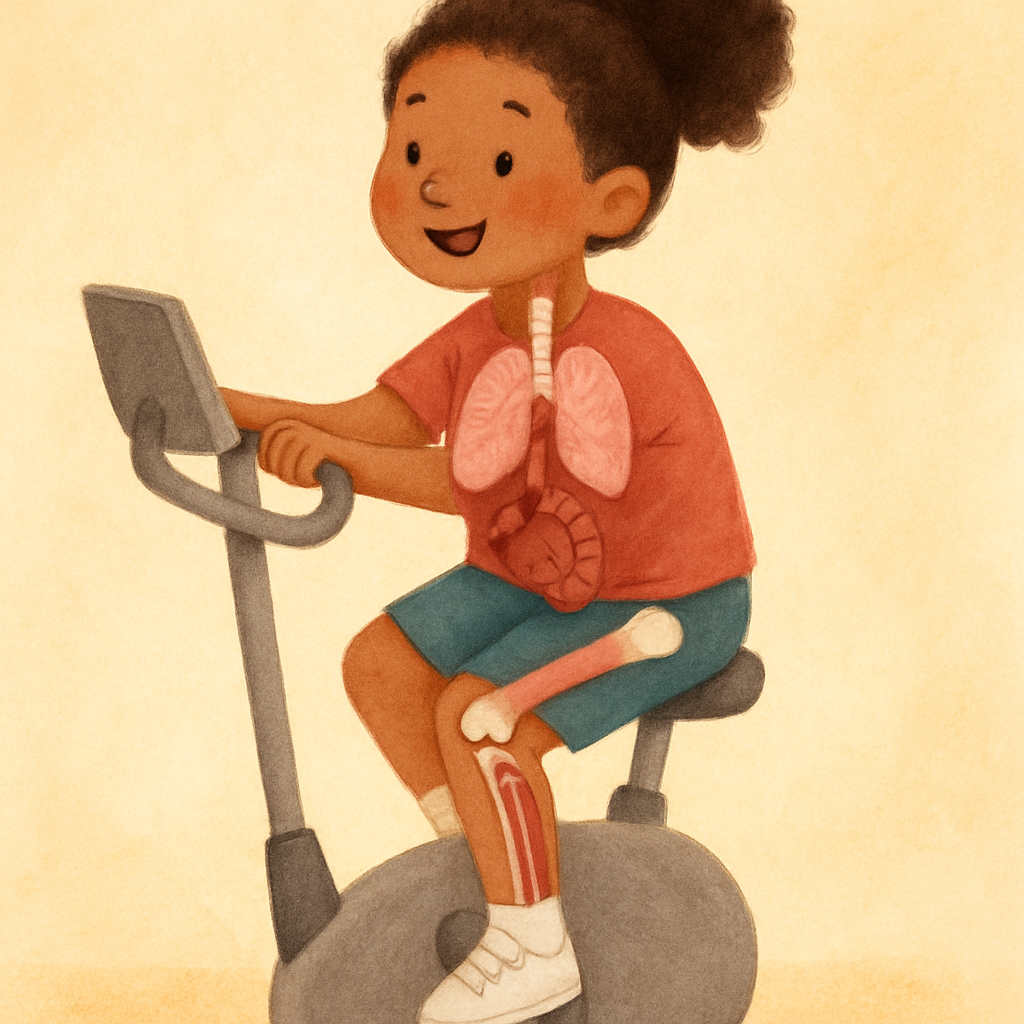
To power through any physical activity, your body needs energy in the form of adenosine triphosphate (ATP). Exercise physiology examines how your body produces and uses this energy. Your body has different metabolic systems that kick in depending on the intensity and duration of your exercise programs.
These systems range from immediate, anaerobic metabolism for quick bursts of power to slower, aerobic metabolism for sustained endurance. Understanding these energy pathways allows an exercise scientist to design training that optimizes energy expenditure and improves your metabolic rate. This knowledge is key to fueling your workouts effectively.
Short-Term vs Long-Term Energy Sources
Your body uses different fuel sources depending on how long and hard you exercise. For short, explosive activities like sprinting, it relies on anaerobic metabolism. This system uses stored adenosine triphosphate (ATP) and creatine phosphate for immediate energy without needing oxygen. It's powerful but can't last for more than a few seconds.
For longer, sustained activities like jogging, your body switches to aerobic metabolism. This pathway uses oxygen to break down carbohydrates and fatty acids to produce a large amount of ATP. While it generates energy more slowly, it can fuel your exercise programs for hours, making it essential for endurance.
An exercise physiologist helps you train these systems effectively. By balancing different types of workouts, you can improve both your power and your stamina.
|
Energy System |
Fuel Source |
Duration |
|---|---|---|
|
Anaerobic |
Stored ATP, Creatine Phosphate |
0-10 seconds |
|
Anaerobic Glycolysis |
Carbohydrates (Glucose) |
10 seconds - 2 minutes |
|
Aerobic |
Carbohydrates, Fatty Acids |
2+ minutes |
Effects of Exercise on Metabolic Rate
Your metabolic rate is how quickly your body burns calories for energy. Regular exercise boosts this rate, increasing calorie burn during and after workouts. The "afterburn" effect, or excess post-exercise oxygen consumption (EPOC), keeps your metabolic rate elevated as your body recovers—especially after high-intensity workouts.
Consistent exercise can permanently raise your resting metabolic rate by building muscle, which burns more calories than fat even at rest. Higher workout intensity also increases total calorie burn, helping with weight management.
Exercise Physiology for Chronic Disease Management
One of the most powerful applications of exercise physiology is in chronic disease management. For individuals living with conditions like diabetes, obesity, or cardiovascular disease, exercise isn't just about fitness—it's a form of medicine. An exercise physiologist is a key ally in this journey.
These health professionals specialize in creating safe and effective exercise programs tailored to specific medical conditions. They work to prevent or manage chronic issues, helping restore optimal physical function and improve quality of life. By focusing on behavioural change and lifestyle modification, they provide support that goes beyond the gym.
Applications for Diabetes, Heart Disease, and Obesity
Exercise physiology offers targeted strategies for managing some of the most common chronic health conditions. For individuals with diabetes, regular physical activity improves insulin sensitivity and helps control blood sugar levels. Tailored exercise programs can reduce the need for medication and lower the risk of complications.
For those with heart disease, exercise strengthens the heart muscle, improves circulation, and lowers blood pressure. An exercise physiologist can prescribe activities that are safe for your cardiovascular system, helping you regain strength and confidence. In the case of obesity, exercise is a critical component of weight management.
Key applications include:
-
Diabetes: Exercise increases glucose uptake by the muscles, helping to lower blood glucose levels independent of insulin.
-
Heart Disease: It can improve cholesterol profiles, reduce blood pressure, and enhance overall cardiovascular function.
-
Obesity: It increases energy expenditure, builds muscle mass to boost metabolism, and supports long-term weight loss.
Exercise Prescription for Rehabilitation
After an injury, surgery, or chronic diagnosis, rehabilitation is essential for recovery. An exercise physiologist provides a personalized exercise prescription—a targeted plan to restore function and improve health safely.
Unlike physical therapists, who focus on early recovery and hands-on care, exercise physiologists design long-term programs for lifestyle changes and ongoing exercise.
They help you regain strength, mobility, and confidence, offering education and support so you can manage your condition independently and stay active—reducing re-injury risk and supporting lasting wellness.
Accreditation and Professional Memberships
To ensure high standards of care, exercise physiologists must meet specific qualifications and obtain accreditation. This process guarantees that the professional you are working with has the necessary university-level education and practical skills to provide safe and effective exercise physiology services. Accreditation is a mark of a qualified expert.
These professionals are recognized as part of the allied health professions, working alongside doctors, physiotherapists, and dietitians. Professional bodies oversee their practice, providing resources, setting ethical codes, and promoting continuous learning, ensuring you receive the best possible care.
Becoming an Accredited Exercise Physiologist (AEP)
To become an Accredited Exercise Physiologist (AEP) in Australia, you must complete a four-year bachelor's degree in exercise and sports science from an accredited university. This provides a strong foundation in human movement.
During your studies, you'll gain practical experience designing exercise programs for diverse populations, including those with chronic conditions. After graduation, you may work as an accredited exercise scientist while fulfilling additional clinical requirements.
To maintain accreditation with Exercise & Sports Science Australia (ESSA), ongoing professional development and adherence to a strict code of ethics are required. This ensures AEPs stay current with research and deliver high-quality care.
Professional Bodies Supporting Exercise Physiologists
Several professional bodies are dedicated to supporting exercise physiologists and advancing the field. In Australia, the primary organization is Exercise & Sports Science Australia (ESSA). ESSA is responsible for accrediting university courses and professionals, ensuring a high standard of practice across the country.
These organizations act as a resource hub for health professionals, offering opportunities for continued education, networking, and access to the latest research in the area of study. They also advocate for the role of exercise physiologists within the broader healthcare system, promoting their inclusion in allied health services.
Key supporting professional bodies provide:
-
Accreditation: Setting the standards for education and practice.
-
Professional Development: Offering workshops and resources to keep skills current.
-
Advocacy: Representing the interests of exercise physiologists to government and other health organizations.
How Your Body Expends Energy During Exercise

Your body is like a highly efficient engine, constantly expending energy to keep you moving. During physical activity, this energy expenditure skyrockets. Exercise physiology studies how this process works, from the cellular level to your entire body. The energy for muscle contraction comes from a molecule called adenosine triphosphate (ATP). Since your body only stores a small amount of ATP, it must constantly produce more during exercise. This is where your metabolic energy systems come into play, breaking down carbohydrates and fats to fuel your activity.
Understanding how your body uses fuel is critical for creating effective training programs. An exercise physiologist can analyze your energy expenditure to design exercise programs that help you achieve your goals, whether it’s improving athletic performance, managing your weight, or boosting your overall health. This scientific approach ensures your workouts are not just challenging but also smart, making the most of every minute of physical activity you do.
Understanding the Role of Oxygen in Physical Performance
Oxygen is essential for maximizing physical performance, as it fuels muscle contractions during exercise. When engaging in activities like endurance training, enhanced oxygen delivery improves energy expenditure, supporting increased power output. Regular exercise elevates cardiac output and promotes better blood flow, ensuring vital nutrients reach muscles more effectively. This symbiotic relationship between oxygen and performance underscores the importance of breathing techniques and fitness programs. By understanding the role of oxygen, individuals can better tailor their workouts, leading to improved health outcomes and a more active lifestyle.
The Impact of Exercise Intensity on Energy Expenditure
Exercise intensity plays a crucial role in how the body expends energy during physical activity. Higher intensity workouts, such as sprinting or high-intensity interval training, significantly elevate heart rate and metabolic rate, leading to greater calorie burn. This increased energy expenditure can enhance weight management and improve overall fitness. On the other hand, moderate-intensity exercises, like jogging or swimming, can also contribute to energy expenditure while promoting cardiovascular health and improving muscle endurance. Finding the right balance of intensity in exercise programs helps optimize performance and support long-term health.
Metabolic Pathways: Fueling Your Workouts Effectively
Understanding how the body utilizes fuel can significantly enhance workout performance. Different metabolic pathways, such as glycolysis and oxidative phosphorylation, cater to the energy needs during various physical activities. For short, intense workouts, anaerobic metabolism predominates, breaking down glucose for quick energy. In contrast, longer, moderate exercises rely on aerobic pathways, maximizing oxygen uptake to optimize endurance. Adopting tailored exercise programs that consider these metabolic processes can boost energy expenditure, improve muscle mass, and promote efficient weight management, ultimately supporting your fitness journey.
Conclusion
In conclusion, exercise physiology reveals how the body works during physical activity and is key to improving health and wellbeing. Understanding these systems helps tailor exercise for fitness, disease management, or performance. Use this knowledge to consult a professional and optimize your health and results.
Book your consultation now or call daar at 02 9133 2500!
Frequently Asked Questions
What does an exercise physiologist do in a clinical environment?
In a clinical environment, an exercise physiologist designs and delivers exercise physiology services for individuals with chronic health conditions. They specialize in clinical exercise physiology, creating tailored programs to manage issues like heart disease or diabetes, restore function, and improve quality of life as part of broader health services.
What’s the difference between an exercise physiologist and a physiotherapist?
An exercise physiologist primarily uses clinical exercise programs to manage chronic health conditions and improve long-term wellness. A physiotherapist, or physical therapist, focuses more on diagnosing and treating acute injuries, often using hands-on techniques in the early stages of rehabilitation alongside exercise prescription.
How can understanding exercise physiology help in designing a personalized workout program?
Understanding exercise physiology allows for tailored workout programs that consider individual fitness levels, goals, and physiological responses. This personalized approach enhances effectiveness, reduces the risk of injury, and optimizes performance by aligning exercises with specific metabolic and muscular adaptations unique to each person.
.svg)




.svg)