
.png?width=48&height=48&name=Group%201%20(3).png)























6 January, 2026

Understanding Exercise Physiologists in Pediatric Care
Introduction
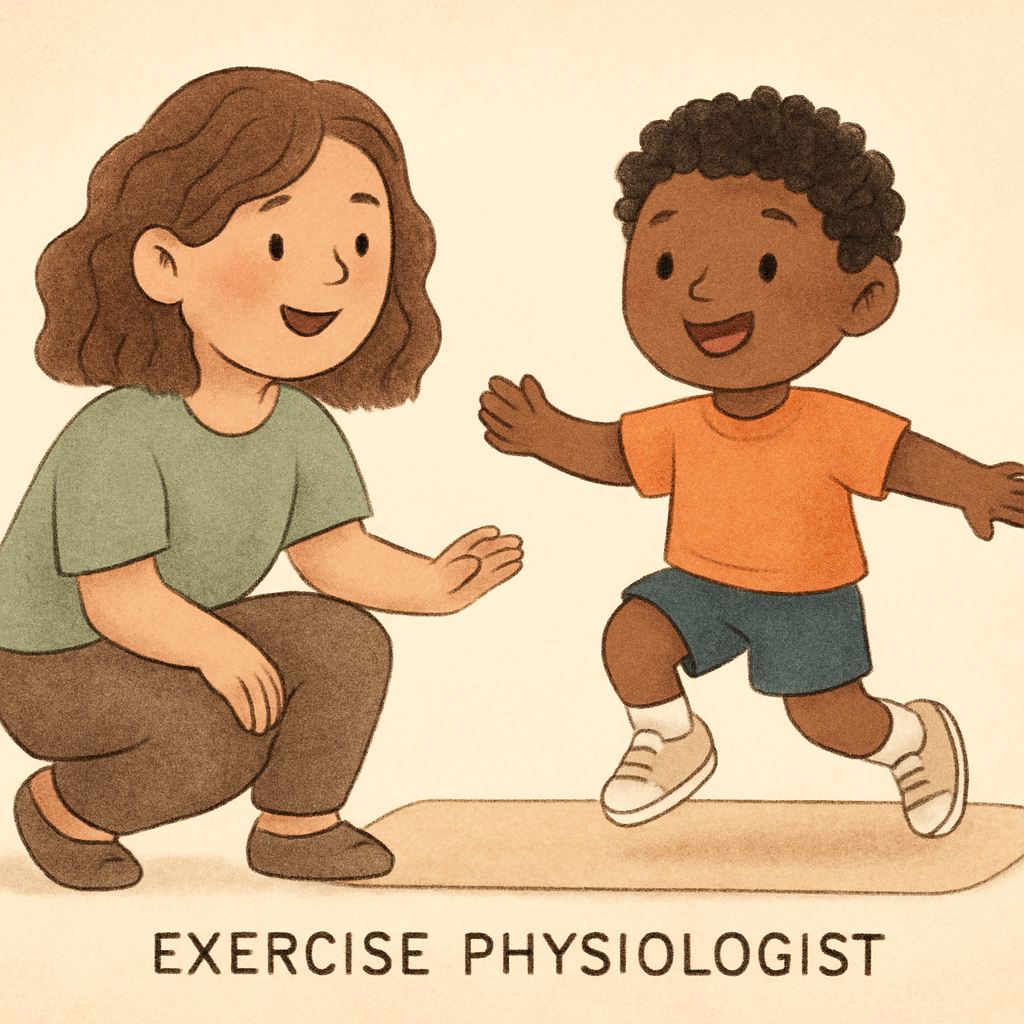
Have you ever wondered how specialized exercise can help a child thrive? A pediatric exercise physiologist is an allied health professional who designs fun and effective physical activity plans for children. In pediatric care, the focus is always on creating a supportive environment where every program is tailored to your child’s needs. Whether managing a health condition or building new skills, they use exercise as a tool to help your child reach their full potential and improve their quality of life.
Key Highlights
-
An exercise physiologist creates personalized exercise programs to support a child's health and development.
-
They play a key role in helping children manage chronic diseases, disabilities, and developmental delays.
-
These health professionals focus on improving a child’s functional capacity, mobility, and overall quality of life.
-
Exercise physiology for children uses fun, play-based activities to build skills like coordination and endurance.
-
They work collaboratively with families, educators, and other allied health professionals for holistic care.
-
In Australia, these health services may be funded through the NDIS.
The Role of Exercise Physiologists in Pediatric Health
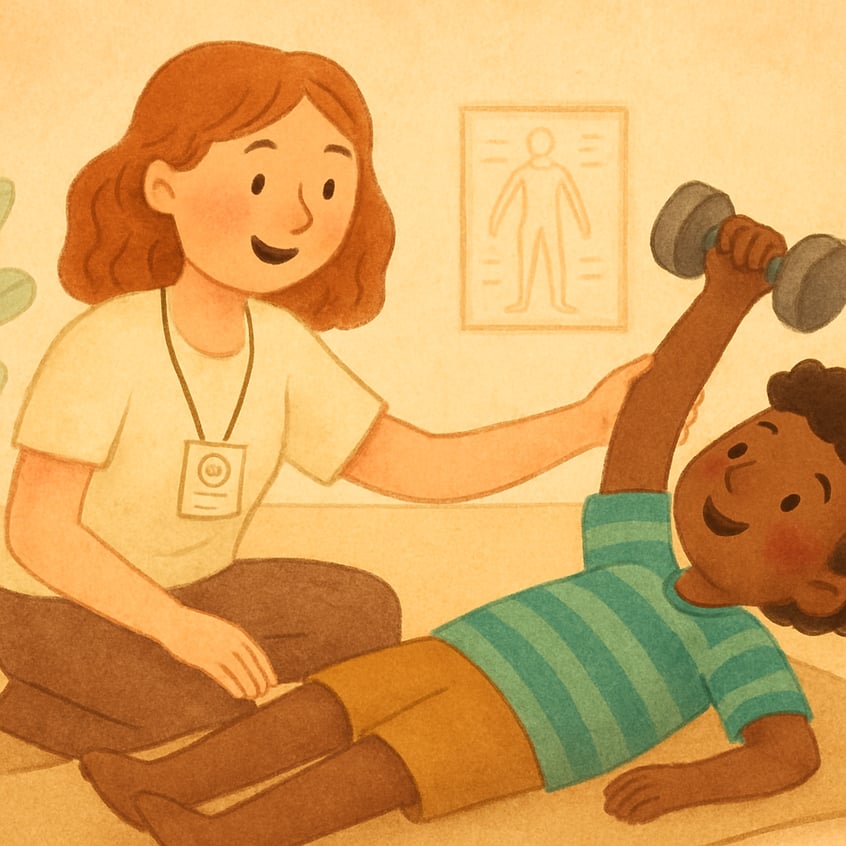
A pediatric exercise physiologist helps children improve physical health through personalized exercise programs. They assess each child’s abilities and design safe, engaging routines to meet specific goals—focusing on functional capacity so kids can participate fully at home, school, and in the community. This “exercise as medicine” approach boosts strength, coordination, balance, and endurance.
By addressing individual needs, these specialists help children with long-term conditions stay active, reducing risks of a sedentary lifestyle. Their work builds confidence and supports healthy development, making a lasting difference in a child’s life.
Understanding Exercise Physiology for Children
Exercise physiology for children uses physical activity as therapy, with programs tailored by health professionals to each child’s needs in a fun, engaging way. The goal is to make movement enjoyable while supporting developmental or health goals.
For young children, this often means playful games that encourage running, jumping, and active play. As kids grow, activities shift to sports skills, bike riding, or safe gym use—all adapted to their abilities and interests.
This field connects healthcare and physical activity through expert-designed exercise that supports musculoskeletal health and mental well-being, helping every child thrive.
Key Differences Between Pediatric and Adult Exercise Physiology
While both pediatric and adult exercise physiology aim to improve health, their approaches differ. Pediatric exercise uses play-based activities to develop motor skills and address delays, creating positive early movement experiences.
Adult exercise physiology focuses on managing chronic conditions, injury recovery, or fitness through structured programs. The priority is rehabilitation and lifestyle management over development.
Here’s a quick comparison:
|
Feature |
Pediatric Exercise Physiology |
Adult Exercise Physiology |
|---|---|---|
|
Primary Goal |
Developmental milestones, gross motor skills |
Disease management, rehab, lifestyle |
|
Approach |
Play-based, engaging activities |
Structured exercise plans |
|
Focus |
Running, jumping, coordination |
Strength, symptom control, fitness |
How Exercise Physiologists Support Children with Various Health Conditions
An exercise physiologist supports children with various health conditions by creating tailored plans, from developmental disorders to chronic diseases. Their main goal is to improve a child's functional capacity and promote a more active, independent life.
By understanding each child’s specific challenges, they prescribe safe, effective exercises that build strength, enhance mobility, and boost confidence. The sections below highlight key conditions they address and the benefits of their interventions.
Managing Chronic Illnesses and Disabilities in Kids
Specialized exercise therapy benefits children with chronic diseases or disabilities. For example, kids with cerebral palsy can work with exercise physiologists to strengthen muscles, improve posture, and boost mobility before and after surgery.
Children with developmental delays or autism also receive support to build motor skills and coordination. These engaging programs foster confidence in social settings by focusing on each child’s strengths and turning challenges into goals.
By addressing physical limitations, exercise physiology helps prevent inactivity, fatigue, and social withdrawal. This proactive approach empowers children with disabilities to gain independence and enjoy a better quality of life.
Promoting Overall Fitness and Wellbeing in Pediatric Patients
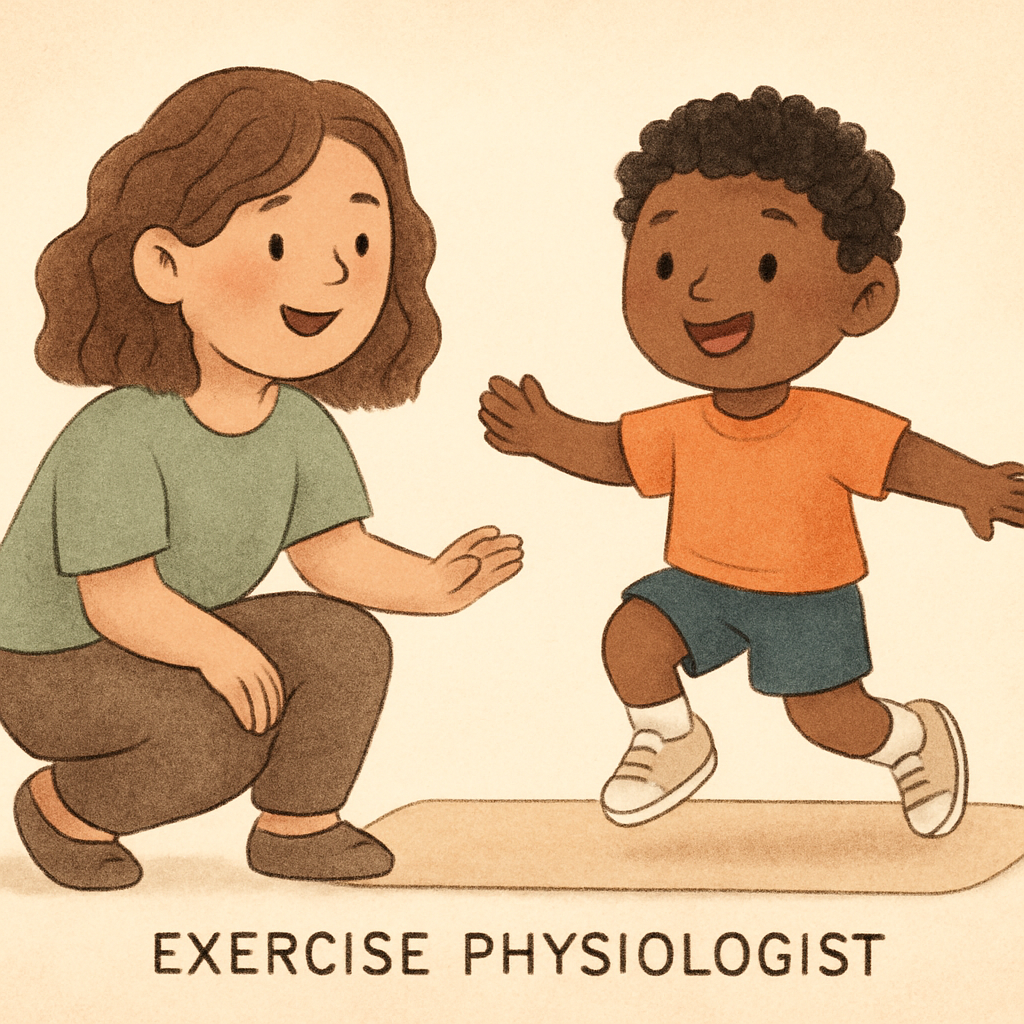
Exercise physiology supports the fitness and well-being of all children, not just those with specific needs. Customized exercise programs build strength, boost mental health, and increase confidence. Making activities fun keeps kids engaged and encourages lifelong healthy habits.
These programs promote holistic development by:
-
Improving heart health and endurance
-
Enhancing coordination and motor skills
-
Increasing strength and posture
-
Supporting mental health and self-esteem
The aim is to help children feel strong, confident, and happy in their bodies. By improving fitness, these programs empower kids to enjoy play, sports, and daily life—leading to greater well-being and a more active childhood.
Collaborative Care: Working With Families and Health Professionals
An exercise physiologist rarely works in isolation. They are a key part of a child's wider support team, collaborating closely with other health professionals to ensure comprehensive care. This team often includes allied health professionals such as physiotherapists and occupational therapists.
This multidisciplinary approach ensures that all aspects of a child's health are addressed in a coordinated way. Your doctor can provide a referral to an exercise physiologist, integrating their services into a broader care plan for your child. The following sections explain how this teamwork benefits your child.
Integration with Allied Health and Medical Teams
Effective pediatric care relies on strong collaboration. Exercise physiologists work closely with a child’s allied health team—coordinating with physiotherapists and occupational therapists to align exercise programs with daily living goals.
This teamwork delivers holistic support, reinforces specialist plans, and achieves shared outcomes, such as designing strength exercises that complement mobility goals. Collaboration also prevents conflicting advice.
Accredited exercise physiologists, recognized by Exercise & Sports Science Australia (ESSA), are university-trained professionals who communicate with GPs, pediatricians, and surgeons to provide evidence-based rehabilitation and support.
Partnering with Parents, Educators, and Carers
Family, educators, and carers are key to a child's success. Exercise physiologists work with you to ensure therapy benefits continue at home and in daily routines. They help make exercise part of your child’s everyday life.
Collaboration includes practical strategies for home, school, or community settings. To access services, ask your GP for a referral or explore NDIS funding. An exercise physiologist can:
-
Create simple home exercise programs
-
Integrate activities into school or kindergarten routines
-
Hold sessions in community spaces like pools or parks
Working together builds your child’s confidence and skills, leading to stronger, lasting outcomes.
Conclusion
In conclusion, exercise physiologists play a crucial role in pediatric care by promoting healthy lifestyles for children. They design exercise programs tailored to specific health conditions and children's unique needs. Working with families, educators, and healthcare professionals, they help manage chronic illnesses and improve physical abilities, laying the groundwork for lifelong health. For personalized guidance on your child's wellness, consider consulting an exercise physiologist.
Reach out for a consultation or call daar at 02 9133 2500 today!
Frequently Asked Questions
What types of activities do pediatric exercise physiologists recommend?
They recommend fun, play-based exercise programs designed to feel like play. This physical activity helps develop gross motor skills like running and jumping, improves coordination and ball skills, and builds strength. These activities are also designed to support a child's confidence and mental health, making exercise a positive experience.
Are pediatric exercise physiology services covered under the NDIS?
Yes, in Australia, exercise physiology services can be funded through the NDIS under "Capacity Building Supports." These health services help participants achieve their functional goals. While you don't always need a referral to see an exercise physiologist, one from your GP may be required for other funding schemes like Medicare.
What qualifications should a pediatric exercise physiologist have in Australia?
In Australia, a pediatric exercise physiologist should be an accredited exercise physiologist (AEP) with Exercise & Sports Science Australia (ESSA). These qualifications require a university degree in a field like clinical exercise physiology or exercise and sports science, ensuring they are experts in prescribing exercise for health and rehabilitation.
.svg)




.svg)