
.png?width=48&height=48&name=Group%201%20(3).png)
























15 December, 2025

Unlocking Early Intervention Behaviour Support for Kids
Introduction
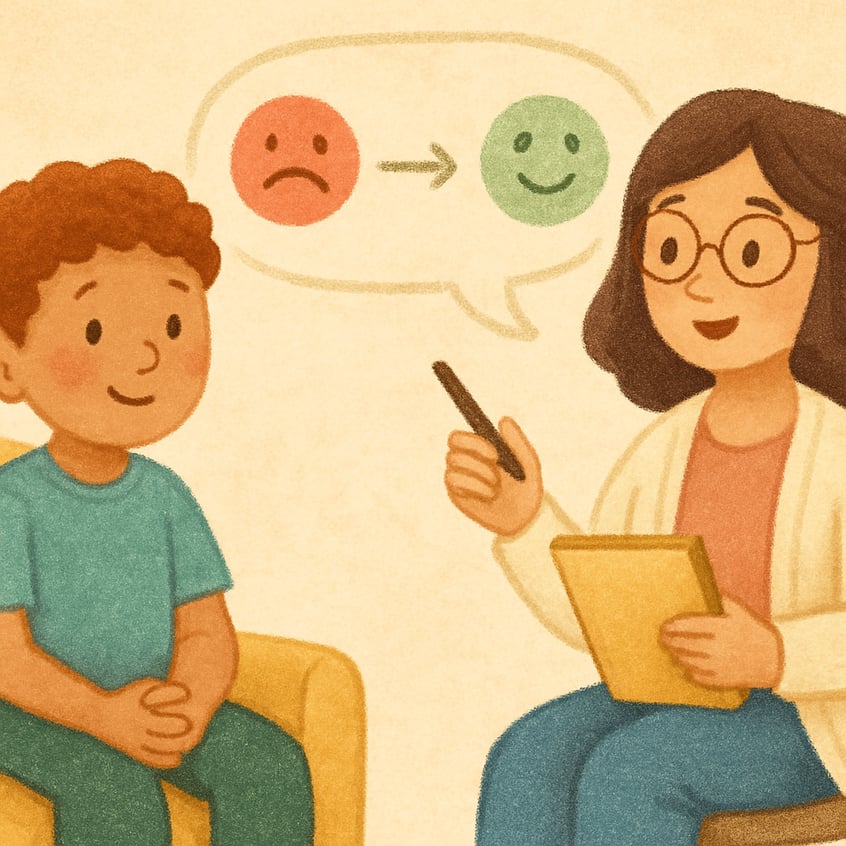
The early childhood years are a time of incredible growth, but they can also bring challenges. When concerns about a child's behaviour arise, early intervention can make a world of difference. Acting promptly to address these issues is key to nurturing your child’s development. Understanding the benefits of early intervention helps you see how this proactive approach can lead to significant positive outcomes, setting your child on a path to thrive. It’s about providing the right support at the right time.
Key Highlights
-
Early intervention services address challenging behaviours in early childhood to support a child’s development.
-
The goal is to promote positive behaviour and prevent concerns from escalating.
-
Behaviour support practitioners work with families to create individualized plans.
-
A collaborative approach involving therapists and educators leads to a brighter future.
-
Early childhood intervention focuses on building communication, social, and emotional skills.
-
Timely support improves a child's quality of life and participation in the community.
Understanding Early Intervention in Behaviour Support
Early intervention in behaviour support is a proactive approach designed to address developmental and behavioural difficulties as soon as they appear in young children. This type of early childhood intervention focuses on understanding the reason behind a child's actions and providing targeted assistance to them and their family.
The importance of early intervention cannot be overstated. It helps minimize the negative impact of challenging behaviours on a child's mental health and overall growth. By tailoring support to a child's needs, you can foster healthier development and prevent more significant issues later on.
What Early Intervention Means for Young Children
Early intervention provides young children with specialized support during the most critical period of brain development. Since early childhood is when the brain is most adaptable, it’s an ideal time to address developmental concerns and teach new skills before habits form.
This support helps children with challenging behaviours learn healthier ways to communicate and interact, focusing on understanding their needs rather than just managing actions like aggression or social withdrawal.
By addressing these issues early, your child builds a strong foundation for future learning and social engagement. Early intervention equips children with the tools they need to confidently navigate new environments such as school and community settings.
The Importance of Timely Behaviour Support
Timing is crucial in addressing behavioural challenges. Early support in childhood can prevent minor issues from becoming serious problems, making early intervention key to positive outcomes.
Early action teaches children healthy ways to manage emotions and express needs, laying the groundwork for strong relationships, effective learning, and family participation. The earlier these skills are learned, the more natural they become.
Delaying intervention can make behaviours harder to change. Prompt support gives children coping skills and social tools that prepare them for lifelong academic and social success.
How Early Intervention Works for Kids Under 9
For children under nine, early intervention services begin with a thorough assessment to understand the unique challenges and strengths of your child. This first step ensures that the support provided is perfectly tailored to the needs of each child. It’s not a one-size-fits-all solution; every child is different.
Based on this evaluation, practitioners develop a personalized behaviour support plan. These intervention plans outline specific strategies and goals to help your child. The process is collaborative, involving you and other professionals to ensure consistency and the best possible outcomes for your child's development.
Assessment and Identification of Behaviour Challenges
The journey of early support starts with a comprehensive assessment. This evaluation is designed to identify specific behaviours of concern and understand the factors contributing to them. Practitioners observe your child in different settings, such as at home or in preschool, to get a complete picture of their needs.
During the assessment, professionals look for a range of indicators. These might include developmental delays, difficulties with social skills, or specific actions like outbursts or withdrawal. The goal is to pinpoint not just the behaviour itself, but the reason behind it.
This process helps in creating a clear roadmap for intervention. Below are some common areas of concern that an assessment might identify.
|
Area of Concern |
Examples |
|---|---|
|
Social Skills |
Difficulty making friends, social withdrawal, not engaging with peers |
|
Emotional Regulation |
Frequent tantrums, intense mood swings, aggression |
|
Communication |
Delayed speech, difficulty expressing needs or wants |
|
Routines & Transitions |
Inflexibility, difficulty with changes in schedule, sleep or eating difficulties |
The Role of Individualized Support Planning

After a detailed assessment, the next step is creating an individualized behaviour support plan—a personalized roadmap for your child’s progress. These plans are tailored to your child’s unique strengths, needs, and family situation.
A behaviour support practitioner identifies the root causes of challenging behaviours and focuses on teaching new skills and building supportive environments, sometimes with help from speech or occupational therapists.
This dynamic plan sets clear, achievable goals and strategies for your family and caregivers to follow. It’s a collaborative approach to support your child’s development and success.
Key Strategies Used in Early Intervention Behaviour Support
A variety of effective strategies are used in early intervention to foster positive change. The core of these approaches is positive behaviour support (PBS), which focuses on preventing challenging behaviours and teaching functional new skills. These strategies are built into carefully designed intervention plans.
By focusing on enhancing communication skills and emotional regulation, these methods contribute directly to the success of early intervention. This not only improves behaviour but can also have a positive impact on a child's academic performance and social relationships, creating a foundation for lifelong learning and well-being.
Positive Behaviour Support Techniques for Early Childhood
Positive Behaviour Support (PBS) is a proactive approach that emphasizes prevention and skill-building over punishment. By making positive behaviour more rewarding than challenging behaviour, PBS encourages emotional growth and social skills.
A key strategy is positive reinforcement—recognizing and rewarding good behaviour to increase its frequency. This builds motivation, self-esteem, and helps prevent problem behaviours.
PBS techniques for daily use include:
-
Reducing triggers in the environment
-
Teaching new communication and social skills
-
Using visual aids for routines and expectations
-
Offering choices to give children control
-
Consistently praising or rewarding positive actions
Integrating Therapy Services into Behaviour Support
A truly effective behaviour support plan often integrates various therapy services to address all aspects of a child's development. This multidisciplinary approach ensures that your child receives comprehensive support. Behavioural therapy is often combined with other specialties for a holistic strategy.
For example, a speech therapy professional can help a child who has difficulty with communication skills, which is often a root cause of behavioural challenges. When a child can express their needs and feelings effectively, the frustration that leads to outbursts can decrease significantly.
Similarly, occupational therapy can assist with sensory issues and self-care routines, while early childhood education specialists ensure strategies are practical for a school or preschool setting. This collaboration means every member of your child’s team is working together on common goals, creating a consistent and supportive network for your child.
Conclusion
In conclusion, early intervention behaviour support is vital for young children's development and well-being. Timely, tailored strategies help children manage behavioural challenges and receive individualized care. Parents play a key role by getting involved to ensure the best support for their child.
To learn more or get started, contact us for a free consultation—your child's brighter future begins today.
Frequently Asked Questions
What are restrictive practices in behaviour support, and when are they used?
Restrictive practices are a measure of last resort in behaviour support, used only to manage behaviours of concern that pose a serious risk to the child or others. In early childhood intervention, the focus is always on positive, proactive strategies to prevent the need for such practices.
How do national guidelines standardize early intervention behaviour support practices?
National guidelines, like those from the NDIS Quality and Safeguards Commission, help standardize early intervention by setting requirements for providers. This ensures that practitioners are qualified and that behaviour support plans are developed and implemented ethically and effectively, leading to consistent, positive outcomes for children.
How can parents get involved in their child’s early intervention behaviour support plan?
Parental involvement is crucial for success. You can participate in creating the behaviour support plan, learn new skills in training sessions, and implement strategies at home. Strong family involvement ensures consistency and makes you an active partner in your child's early childhood development through early intervention services.
.svg)




.svg)