
.png?width=48&height=48&name=Group%201%20(3).png)























6 March, 2026

Investigating Health in Neurodiverse Children: Key Insights
Key Highlights
- Neurodiverse children often face a range of health challenges, including both physical and mental health issues that require specialized care.
- Healthcare providers play a crucial role in supporting these children, but many need better training in neurodiversity-affirming care.
- Early intervention is key, and parents should look for developmental differences in communication, social interaction, and sensory processing.
- Mental health support is vital, as conditions like anxiety and depression are common in neurodiverse youth.
- Family strategies, such as strong advocacy and finding community support, are essential for navigating the healthcare system effectively.
Introduction
Navigating the health and wellbeing of children can be complex, and for those who are neurodiverse, it often comes with a unique set of considerations. Neurodiversity describes the natural variations in how human brains function, encompassing conditions like autism and ADHD. Understanding the specific health issues that can affect these children is essential for parents and caregivers. This article offers valuable insights into the health challenges neurodiverse children may face and provides practical strategies to support their journey toward wellness.
Understanding Neurodiversity in Australian Children
The concept of neurodiversity is gaining more recognition, helping us understand that differences in brain function are a normal part of human variation. Unlike neurotypical children, those with neurodiverse conditions such as autism or ADHD have unique needs that require a tailored approach from health professionals.
Embracing the neurodiversity movement means shifting from a deficit-based view to one that recognizes and supports the strengths of every child. For parents in Australia, this means finding health professionals who can provide affirming and effective care that addresses their child's specific requirements. This section will explore what neurodiversity means and the common conditions it includes.
Defining Neurodiverse Conditions and Key Characteristics
Neurodiverse conditions are neurodevelopmental differences that affect how the brain processes information, leading to unique patterns of development. These differences impact social interaction, communication, learning, and sensory perception.
Characteristics vary by condition; for example, autism often involves distinct social communication styles and repetitive behaviors. These are not flaws but natural variations in brain function. A neurodiversity-affirming approach supports these differences instead of trying to "fix" them.
For autistic children, this means creating sensory-friendly environments, using clear communication, and valuing their perspectives—empowering them and supporting their wellbeing by honoring their identity.
Common Types of Neurodiversity (Autism, ADHD, Dyslexia, and More)
Neurodiversity is an umbrella term that covers several conditions. Neurodivergent individuals may have one or more of these, and each person's experience is unique. Many may require support for special educational needs to thrive in academic settings.
Some of the most common types of neurodiversity include:
- Autism Spectrum Disorder (ASD): Characterized by differences in social communication, interaction, and sensory processing, along with specific interests and a preference for routines.
- Attention Deficit Hyperactivity Disorder (ADHD): Involves challenges with attention, impulsivity, and hyperactivity.
- Dyslexia: A learning difference that primarily affects reading and spelling.
Recent research highlights that autistic children and those with other neurodivergent traits are more likely to experience co-occurring health concerns. This includes a higher prevalence of both physical and mental health issues, making integrated and informed care even more critical for their wellbeing.
Health Challenges Faced by Neurodiverse Children
Neurodiverse children often experience a higher rate of various health challenges compared to their neurotypical peers. These challenges can span both physical health and mental wellbeing, requiring a comprehensive and understanding approach from caregivers and healthcare providers. Many face chronic conditions that can impact their daily lives.
From gastrointestinal issues to mental health concerns like anxiety and depression, the unique challenges are interconnected. Understanding these potential issues is the first step toward providing the right support and improving their quality of life. We will now look at some specific physical and mental health considerations.
Physical Health Issues and Chronic Conditions
Many neurodiverse children experience a variety of physical symptoms and chronic conditions at higher rates. Chronic pain, for instance, is a significant issue, often linked to conditions like joint hypermobility. Another related condition is dysautonomia, which affects the autonomic nervous system controlling functions like heart rate and blood pressure.
One common form of dysautonomia is Postural Tachycardia Syndrome (POTS), where standing up causes a rapid increase in heart rate. Research also shows a link between neurodivergence and connective tissue disorders, such as Ehlers-Danlos Syndromes (EDS), which can cause hypermobility and chronic pain.
These physical health challenges are often interconnected, creating a complex web of symptoms that can be difficult to manage.
|
Common Condition |
Description |
|---|---|
|
Dysautonomia/POTS |
A disorder of the autonomic nervous system affecting functions like heart rate, blood pressure, and digestion. |
|
Hypermobility/EDS |
Connective tissue disorders causing overly flexible joints, chronic pain, and fragile skin. |
|
Mast Cell Activation Syndrome |
A condition where mast cells release too many inflammatory mediators, causing allergy-like symptoms. |
|
Gastrointestinal Issues |
Frequent issues like constipation, diarrhea, acid reflux, and food intolerances. |
|
Chronic Pain/Migraines |
Persistent pain, often musculoskeletal, and a higher prevalence of chronic migraine headaches. |
Mental Health Considerations Unique to Neurodiverse Kids
Neurodiverse children face a much higher risk of mental health issues. Up to 80% of autistic individuals have at least one co-occurring condition, such as anxiety or depression. These challenges often stem from navigating a world not built for their needs, leading to stress, misunderstanding, and isolation.
Many mental health professionals lack the training to support neurodiverse youth effectively, resulting in misdiagnosis or ineffective treatment. For example, standard behavioral therapy may fail without adjustments for a child’s unique communication and sensory needs.
Effective mental health care for neurodiverse children requires adapting assessment tools—such as using visual aids, giving extra time to respond, and involving parents or caregivers for a fuller understanding of the child’s emotional and behavioral health.
Early Signs and Developmental Concerns
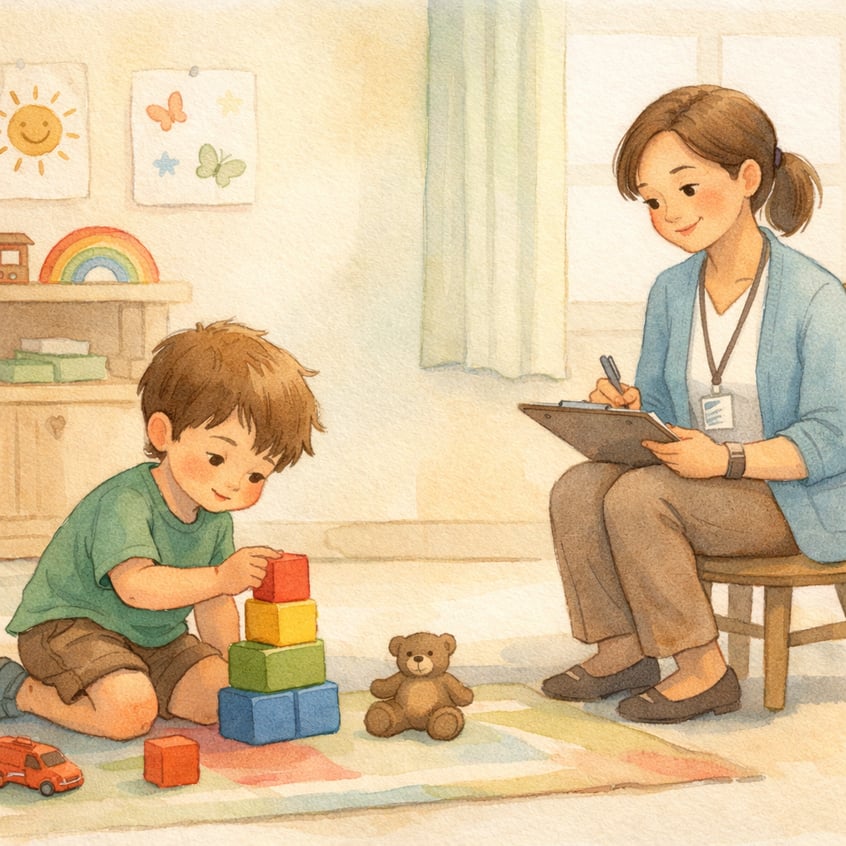
Recognizing the early signs of neurodivergence is crucial for providing timely support. These signs often appear as differences in neurological development compared to peers. Parents and caregivers are often the first to notice these developmental concerns, which can range from communication styles to social interactions.
Identifying these differences early allows for early intervention, which can significantly improve a child's ability to navigate potential health issues and social challenges. Paying attention to these developmental milestones and variations is a proactive step in supporting your child's wellbeing. The following sections will explore what to look for and when to seek help.
Recognizing Early Signs in Young Children
Parents should be aware of various developmental concerns that may indicate a child is neurodivergent. These signs are not definitive proof but can be indicators that further evaluation is needed. Early intervention can make a world of difference in providing the right support in learning environments and beyond.
Some common signs to look for in young children include:
- Differences in making or maintaining eye contact.
- Delayed speech development or unusual speech patterns.
- Intense focus on specific topics or objects.
- Strong reactions to sensory input like sounds, textures, or lights.
- Challenges with social interactions, such as difficulty sharing enjoyment or understanding social cues.
Observing these signs doesn't mean there is a problem, but it does suggest that your child might process the world differently. Recognizing these traits can help you advocate for any special educational needs and seek appropriate support sooner.
When to Seek Further Evaluation or Intervention
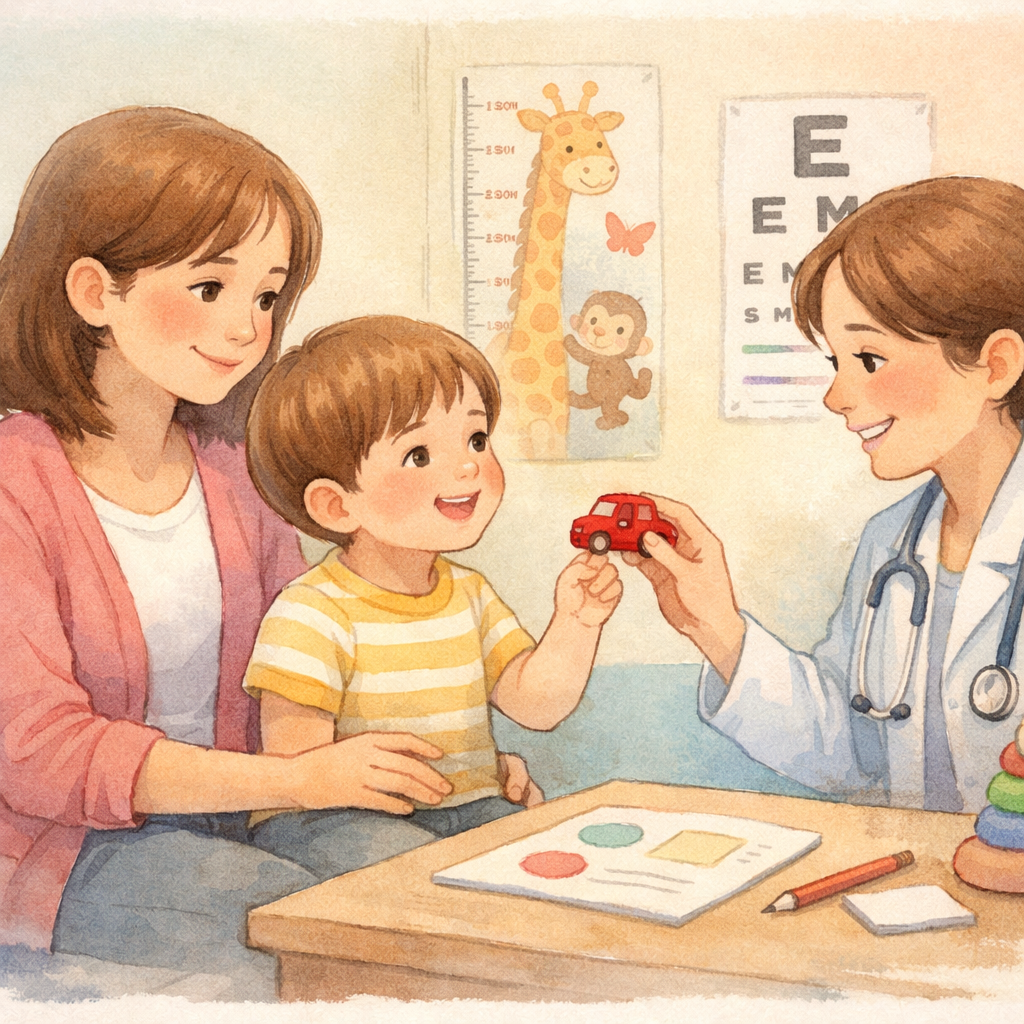
If you notice ongoing developmental concerns, consult health professionals like your pediatrician or a child psychologist. They can assess if a formal evaluation for conditions such as autism is needed. The goal is to understand your child’s needs and provide effective care—not to label them.
Early intervention offers tools and strategies to help your child thrive, including speech therapy, occupational therapy, or tailored educational support. Finding the right support system is essential for your child’s confidence and growth.
To reduce stress during healthcare visits, prepare your child with social stories or visual schedules. Let the clinic know about your child’s needs, request a quieter waiting area, and ask for extra time during appointments.
The Role of Healthcare Providers in Supporting Neurodiverse Children
Healthcare providers, including general practitioners (GPs) and pediatricians, play a pivotal role in the health journey of neurodiverse children. These primary care professionals are often the first point of contact for families seeking answers and support. Their understanding and approach can significantly impact a child's access to effective care.
However, many providers feel unequipped to address the complex needs of this population. Improving their knowledge and practices is essential for creating a healthcare system that truly supports neurodiverse children and their families. Let's explore how GPs and pediatricians can enhance their care.
Best Practices for GPs and Pediatricians
To provide effective care for neurodivergent children, GPs and other healthcare professionals in primary care must adopt neurodiversity-affirming practices. This moves beyond simply treating symptoms and focuses on understanding the child as a whole person. Compared to the general population, these children require a more personalized approach.
Healthcare professionals can improve their practice by:
- Educating themselves: Staying updated on neurodiversity and co-occurring health conditions.
- Listening to families: Valuing the insights of parents and the children themselves about their experiences and needs.
- Creating a sensory-friendly environment: Reducing bright lights and loud noises in the clinic.
- Collaborating with specialists: Working with occupational therapists, psychologists, and other experts to create a comprehensive care plan.
By implementing these strategies, GPs can create a more welcoming and supportive healthcare experience for neurodivergent children, leading to better health outcomes and building trust with families.
Strategies for Improving Medical Visits and Communication
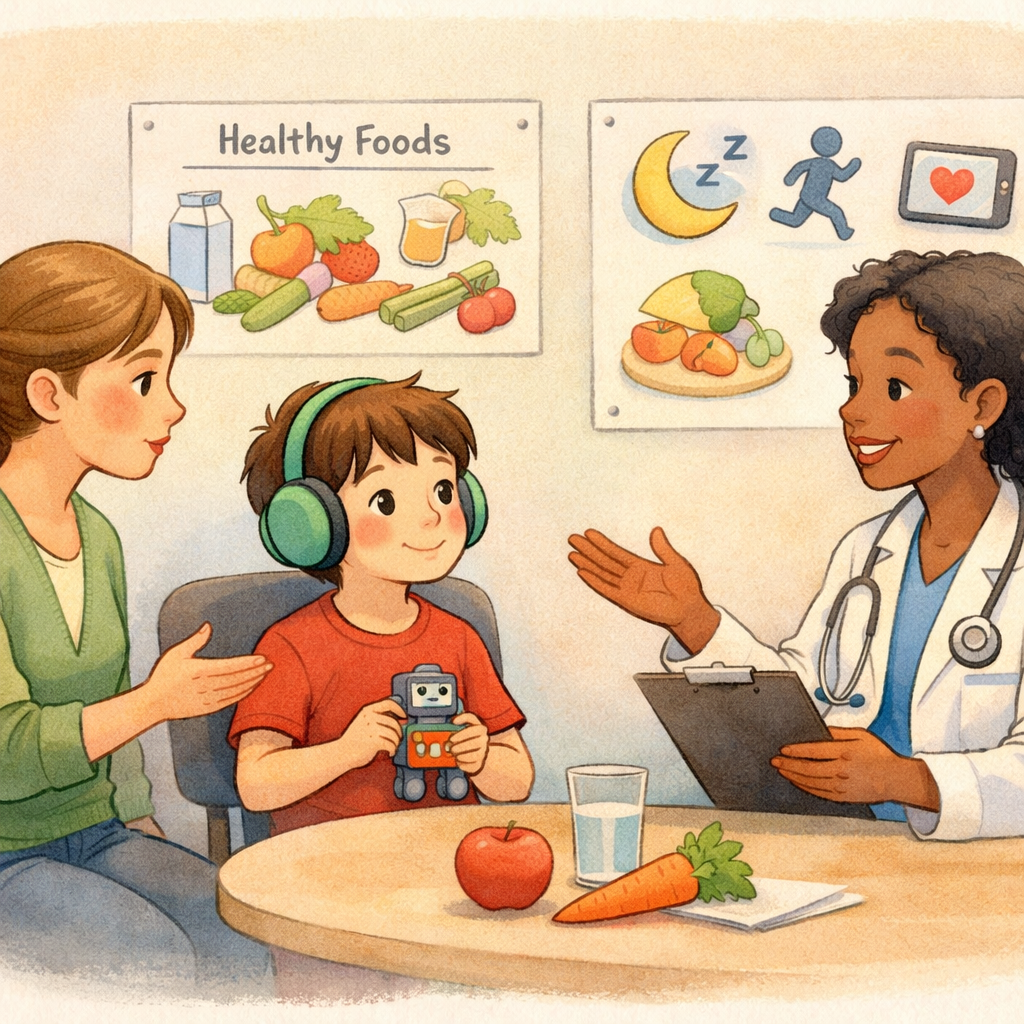
Medical visits can be overwhelming for neurodiverse children due to sensory sensitivities and communication challenges. Healthcare providers can better support these patients by adapting their approach to meet their unique needs. Simple adjustments can transform a stressful experience into a positive one.
Effective communication strategies are essential. This includes using clear, simple language and supplementing verbal instructions with visual aids like pictures or charts. Allowing extra time for appointments can also reduce pressure and give the child space to process information and feel more comfortable.
Providers can offer better support by:
- Asking parents about the child's preferred communication methods.
- Explaining procedures step-by-step before they happen.
- Offering breaks if the child becomes overwhelmed.
- Referring families to services like occupational therapy for additional support.
- Being patient and flexible throughout the visit.
Family Strategies for Health and Wellbeing
Families are the primary advocates for their neurodiverse children. Developing effective family strategies is essential for managing health needs and promoting overall wellbeing. This involves actively participating in your child's care, from understanding their conditions to fighting for the right accommodations.
Strong advocacy ensures your child's voice is heard and their needs are met within the healthcare and educational systems. It's also crucial to find reliable health information and build a strong support network. The following subsections offer guidance on how to advocate for your child and where to find community support.
Advocating for Your Child’s Health Needs
Advocating effectively for your child's health needs is one of the most powerful things you can do as a parent. This means being prepared, persistent, and proactive when interacting with health professionals. Navigating the health system can be challenging, but clear strategies can lead to more effective care.
Keep a detailed record of your child's symptoms, appointments, and any treatments they receive. This documentation can be invaluable when discussing your child’s needs with doctors. Don't be afraid to ask questions, seek second opinions, and push for referrals to specialists when you feel it's necessary.
Strategies to help you advocate include:
- Bringing a list of questions and concerns to every appointment.
- Requesting copies of all medical records and test results.
- Learning as much as you can about your child's conditions.
- Connecting with community support groups for advice and resources.
- Clearly stating your child's needs and your goals for their care.
Finding Reliable Health Information and Community Support
In an age of information overload, finding reliable health information is more important than ever for parents of neurodiverse children. It's best to turn to reputable sources such as government health websites, established non-profit organizations focused on specific conditions, and peer-reviewed research articles. Your child’s healthcare provider can also point you toward trusted resources.
Beyond just gathering key information, connecting with others is vital. Community support can provide emotional validation and practical advice from other parents who understand your journey. Online forums, local support groups, and workshops can be excellent places to share experiences and learn from others.
Building this network helps you feel less isolated and more empowered. Sharing knowledge and experiences within a community strengthens your ability to support your neurodiverse child and navigate the challenges you may face together.
Conclusion
In conclusion, understanding the health challenges of neurodiverse children is essential for their development and well-being. Early recognition, effective family strategies, and advocacy can make a significant difference. Staying informed and communicating openly with healthcare providers ensures your child gets the care they need. Remember, you’re not alone—community support is available.
For personalized guidance, contact our experts for a consultation or call daar at 02 9133 2500 on supporting your neurodiverse child’s health.
Frequently Asked Questions
What core mental health measures are used for neurodiverse children in Australia?
In Australia, mental health measures for children on the autism spectrum are often adapted from standard tools. These assessments evaluate mental health needs by considering their unique neurodevelopmental conditions. They are used alongside observations and parent reports to guide interventions like specialized behavioral therapy and support plans.
How can parents make healthcare visits less stressful for neurodiverse children?
Parents can reduce stress during healthcare visits by preparing their child with social stories, using clear communication, and informing the clinic of their needs beforehand. Requesting extra time and a quiet space can also provide crucial support, making the experience more comfortable for neurodiverse children.
Do neurodiverse children have different healthcare access compared to their peers?
Yes, neurodivergent children often face barriers to healthcare access. These unique challenges include finding health professionals trained in neurodiversity and navigating systems not designed for their needs. This disparity means they may not receive the same level of care as the general population without significant family advocacy.
.svg)




.svg)