
.png?width=48&height=48&name=Group%201%20(3).png)























17 April, 2026

Emotional Regulation in Children: How Kids Learn to Manage Feelings
Parenting is often a rollercoaster of joy, exhaustion, and surprise, especially when it comes to navigating a child's rapidly shifting moods. One moment, your child might be happily building a tower of blocks, and the next, they are entirely dissolved in tears because a single piece fell out of place. This intense fluctuation is a normal part of growing up, but learning how to navigate these giant feelings is not automatic. Emotional regulation in children refers to a child’s crucial ability to recognize, understand, and effectively manage their immense emotions in healthy, appropriate ways.
This invisible skill is the bedrock of early childhood development. It is essential for successful social development, academic learning, positive classroom behaviour, and long-term mental well-being. Unlike adults, who have years of practice taking deep breaths or walking away from frustrating situations, children are starting from scratch. They experience the raw, unfiltered intensity of anger, sadness, joy, and fear without the neurological tools to immediately process those feelings. In this comprehensive guide, we will explore exactly how the brain learns to process feelings, identify the signs of healthy emotional maturity, and provide actionable, expert-backed strategies to help your child master their daily emotions.
Why Emotional Regulation Matters
Children are not born with fully developed emotional control, including among autistic people. In fact, infants and toddlers rely entirely on their caregivers and support from a service provider for "co-regulation," meaning they need an adult to physically and emotionally calm them down when they are distressed. They learn this independent regulation skill gradually over time through daily experience, gentle guidance, and highly supportive, predictable environments.
When emotional regulation is strong, children can handle frustration, unexpected stress, and daily challenges much more effectively. Instead of screaming when told it is time to turn off the television, a regulated child might express disappointment verbally and then successfully transition to the next activity. Strong emotional regulation skills are consistently linked to higher academic achievement, because a child who can manage their frustration is far more likely to successfully tackle difficult homework problems. Furthermore, any kind of change to a child’s emotional understanding allows them to navigate complex peer relationships, feel robust empathy for others, and resolve Playground conflicts peacefully. Without this fundamental skill, everyday life feels overwhelming, leading to chronic behavioural issues, deep anxiety, and social isolation, affecting their overall emotional state.
How Emotional Regulation Develops in Children
The journey from explosive toddler tantrums to composed preschool behaviour is primarily driven by three critical factors acting together.
Brain Development and Maturity
The parts of the brain responsible for impulse control, including those related to sensory seeking behaviour, and complex emotional processing, develop incredibly gradually throughout childhood and well into early adulthood. The amygdala, which acts as the brain's emotional alarm system, is fully active from birth, meaning young children deeply feel fear, anger, and even loud sounds. However, the prefrontal cortex—the logical, reasoning center of the brain responsible for hitting the "brakes" on those big emotions—takes over two decades to fully mature. Because of this biological timeline, it is perfectly normal for young children to have aggressive emotional outbursts; their logical brain simply isn't strong enough yet to override their immediate feelings.
Learning Through Environment
Children are brilliant observers, and they learn primary emotional responses by constantly watching their parents, caregivers, and peers. If a parent reacts to spilled milk by screaming and slamming doors, the child learns that explosive anger is the correct response to an accident. Conversely, if a parent takes a deep breath and calmly cleans up a mess, the child adopts that composed framework for their own future accidents. The environment you cultivate directly wires their developing nervous system, making your own emotional regulation one of the most important tools in teaching your child how to manage theirs, which can sometimes benefit their overall quality of life, and from legal advice on parental responsibilities.
Stress and Hormonal Influence
A child's internal chemistry heavily dictates their outward behaviour. Stress hormones like cortisol and adrenaline can wildly affect a child's emotional stability, making natural regulation vastly more difficult when a child is physically overwhelmed by a lot of sensory stimulation and a lot of sensory input. When a child is lacking sleep, running on empty from poor nutrition, or highly overstimulated by loud environments and digital screens, their stress hormones spike. In this elevated state, they lose access to their fragile prefrontal cortex, leading directly to massive meltdowns.
Signs of Good and Poor Emotional Regulation
Understanding where your child currently stands on their emotional development journey, especially concerning sensory issues, can help you step in with exactly the right support. Observing their daily behaviours will give you a lot of questions as well as massive insight into their internal landscape.
Positive Signs of Healthy Regulation
A child demonstrating strong developmental progress will visibly show that they can bounce back from minor adversities that many autistic adults may also face. They show positive indicators such as the ability to eventually calm down after being deeply upset, often utilizing self-soothing methods like hugging a favorite toy or asking for a hug. However, a lack of real community understanding may emerge when they successfully express their intense feelings with appropriate words rather than physical aggression, stating 'I am mad at you' instead of throwing a toy across the room. Furthermore, they recover relatively quickly from daily frustration, understanding that a small setback is not the end of the world.
Challenges and Signs of Dysregulation
Conversely, children who are struggling to build these neural pathways will frequently rely on their "fight or flight" instincts. Challenges include incredibly frequent, intense emotional outbursts that seem disproportionate to the actual triggering event, such as overwhelming stimuli like bright lights. They may also be sensory avoidant and exhibit massive difficulty calming down once they are upset, often remaining inconsolable for extended periods of time, long after the event has passed. Additionally, they have severe trouble expressing their feelings appropriately, resorting to screaming, hitting, biting, or completely shutting down and withdrawing when they feel overwhelmed by their internal landscape.
How Parents Can Support Emotional Regulation
Building emotional intelligence requires immense patience, but it is one of the most rewarding investments you can make in your child's future by using general information about effective strategies provided by third parties. There are several powerful strategies parents can implement to effectively teach these vital life skills.
Some highly effective strategies to help your child manage their emotions include:
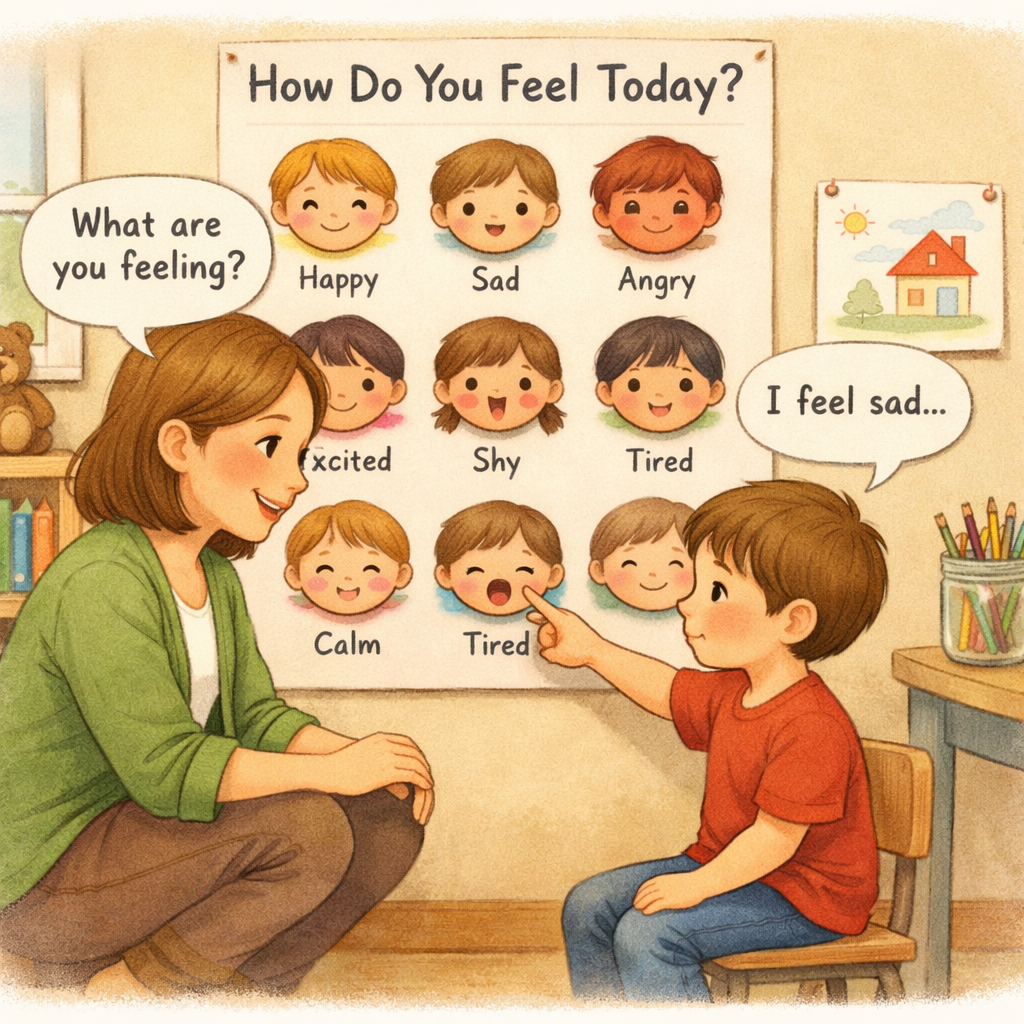
- Teach children to visibly name their emotions: When a child learns to identify what they are feeling in a quiet place, it immediately reduces the intensity of the emotion. Help them build a robust emotional vocabulary by pointing out feelings in real time, saying things like, "I can see you feel incredibly frustrated that your block tower fell."
- Model calm and highly controlled behaviour: Children will always copy what you do more than what you say, so your personal reaction to daily stress is their greatest teacher. When you feel yourself getting angry, explicitly narrate your own calming process to your child, saying, "I am feeling very frustrated right now, so I am going to take three deep breaths to calm my body down."
- Maintain consistent daily routines and strict sleep schedules: A chronically tired body cannot regulate emotions effectively, so prioritizing high-quality rest is a neurological necessity. Stick to a highly predictable daily routine and uncompromising bedtime schedule to ensure their nervous system remains rested and resilient against daily stress.
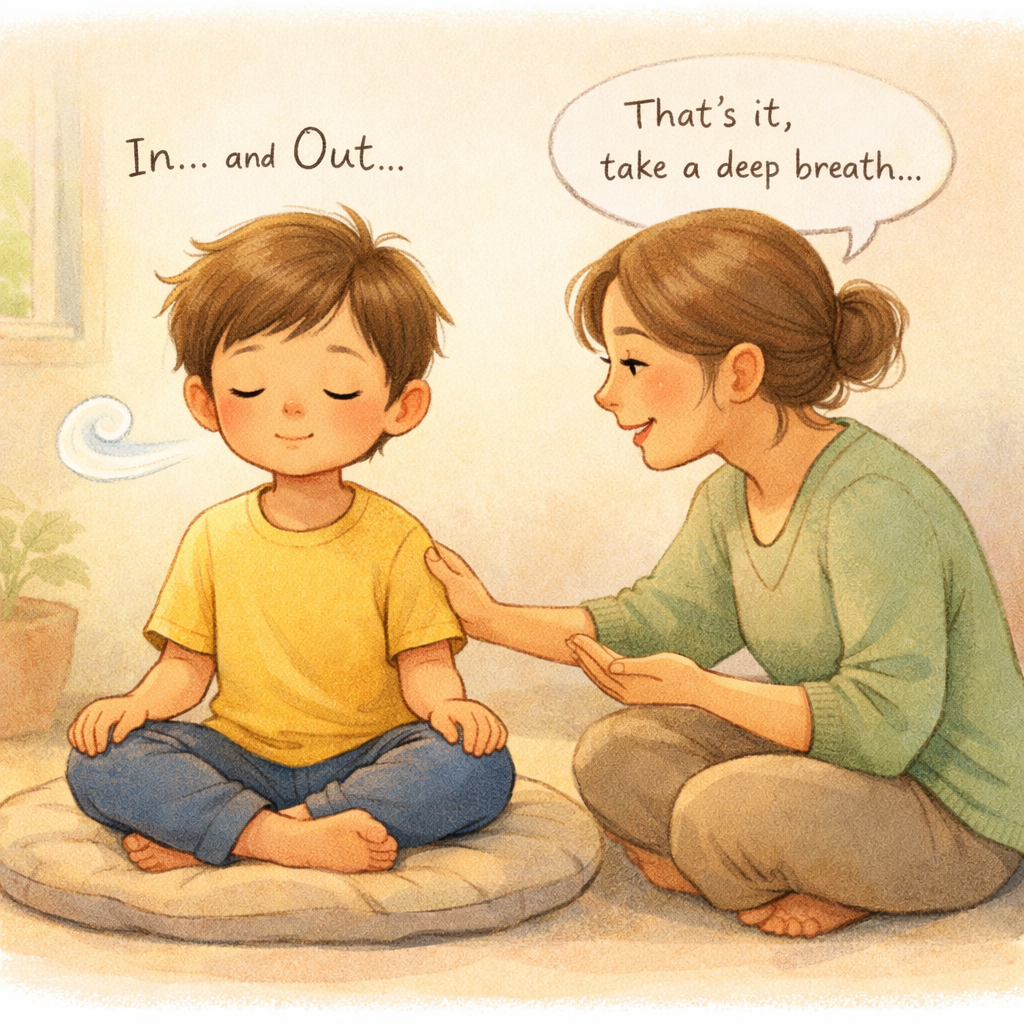
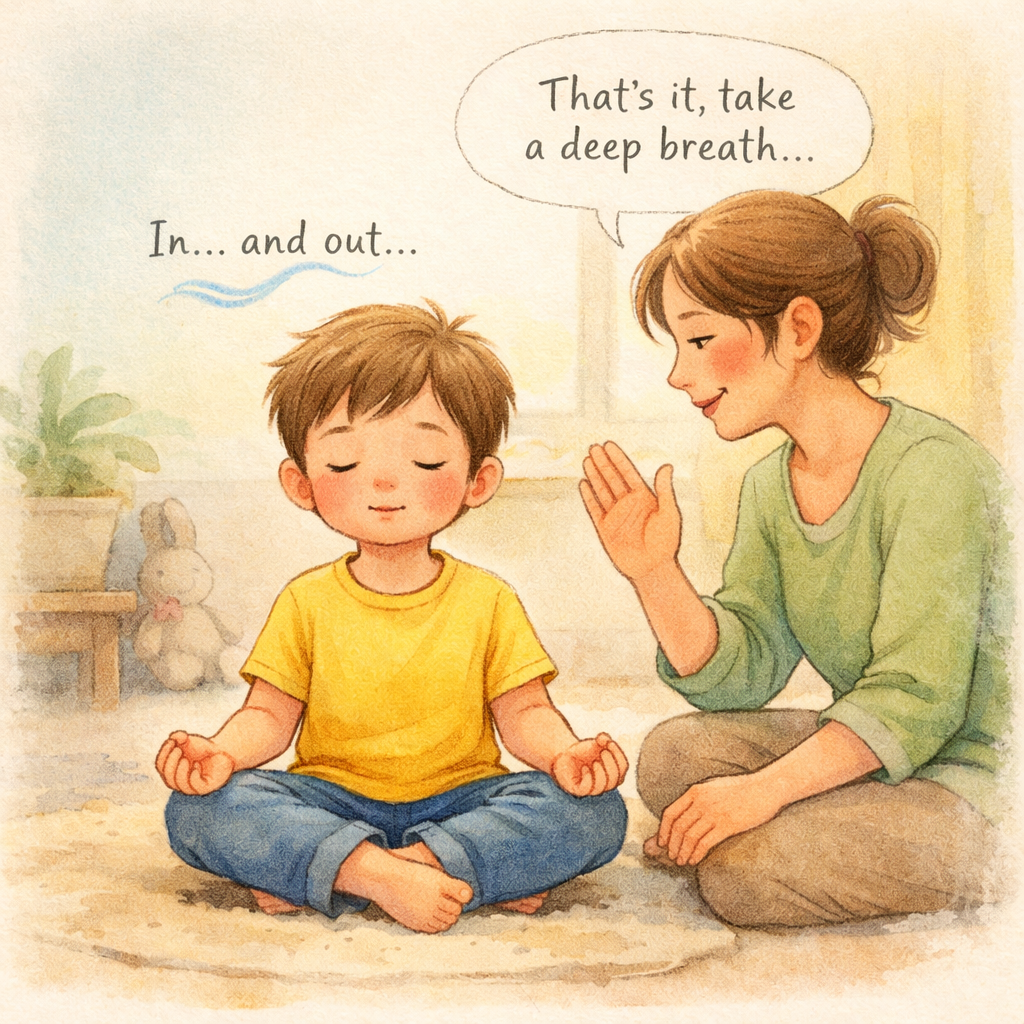
- Encourage deep breathing and simple mindfulness exercises: Give your child tactile tools to lower their heart rate before an outburst reaches its peak. Practice "belly breathing" together when they are calm, so they naturally know how to use those deep breaths to physically deactivate their fight-or-flight response when they become upset.
- Provide a physically and emotionally safe environment: Children need to know that all feelings are acceptable, even if not all behaviours are. Validate their big emotions strictly without judgment to create a safe space, ensuring they feel completely comfortable coming to you for comfort rather than hiding their difficult feelings.
Help your child actively build strong emotional regulation skills today
Ensure vastly better behaviour and a deeper understanding of their individual behaviour, deeper academic learning, and thriving long-term mental well-being. Teachers and school staff can support emotional regulation in school-aged autistic children by implementing consistent routines, using visual supports, modeling coping strategies, and creating safe classroom environments where children feel understood and supported. It is never too early or too late to start practicing these simple, transformative emotional coaching techniques with your family. Ensure your child develops the immense resilience they need to face the world bravely.
Reach out for a consultation or call daar at 02 9133 2500 for more expert parenting advice and actionable child development tips!
Frequently Asked Questions (FAQs)
1. What exactly is emotional regulation in children?
Emotional regulation is the critical developmental ability of a child to recognize, understand, internally manage, and outwardly respond to their profound emotions in a healthy, socially appropriate way. It involves noticing that a big feeling is occurring, pausing before reacting, and choosing a balanced response—like using words to express severe disappointment instead of resorting to physical aggression or uncontrollable screaming.
2. At what age do children successfully develop emotional regulation?
Emotional regulation is not a milestone that happens overnight; it develops incredibly gradually throughout the entirety of early childhood and continues forming well into adolescence and early adulthood. While toddlers are almost entirely dependent on parents for "co-regulation," children typically begin to show significant, noticeable improvements in independent emotional control between the ages of four and seven, as their brain's prefrontal cortex begins too physically mature.
3. How can parents practically improve emotional regulation in kids?
Parents can actively help build these essential brain pathways by intentionally modeling highly calm, composed behavior during stressful moments. Teaching deep emotional awareness and developing emotion regulation skills by actively helping children name and talk about their big feelings, practicing deep breathing exercises together, and incorporating relaxation techniques and maintaining fiercely consistent daily routines—especially around high-quality sleep hygiene—are the best ways to fortify a child's developing nervous system.
.svg)




.svg)