
.png?width=48&height=48&name=Group%201%20(3).png)























8 April, 2026

Managing Child Tantrums Therapy: A Parent's Guide
Key Highlights
Here are the key takeaways from this guide:
- Temper tantrums are a normal part of a child's development, often stemming from an inability to manage big emotions.
- A child behaviour therapist can identify triggers and create a plan using behavioural therapy to teach emotional regulation.
- Your response as a parent is crucial; staying calm and consistent helps your child feel secure and learn better coping skills.
- Techniques like positive reinforcement and social skills training can significantly improve your child's behaviour and mental health.
- Early intervention is key for addressing persistent or severe tantrums, which may signal underlying behavioural concerns.
- Therapists work with both children and parents to build healthier communication and stronger family relationships.
Introduction
Temper tantrums can be one of the most stressful parts of raising young children. One moment everything is calm, and the next, your child is overwhelmed by emotions they can't yet manage. While these outbursts can be confusing and exhausting, it’s important to remember they are a normal part of child development. Understanding why tantrums happen is the first step toward handling them effectively. With support from behavioural therapy, you can help your child improve their mental health and learn better ways to express their feelings. Behavioural therapy can also support children with autism or other special needs, offering tailored strategies to improve communication, manage difficult behaviours, and foster emotional growth in a way that suits their unique challenges.
Understanding Child Tantrums and Their Causes
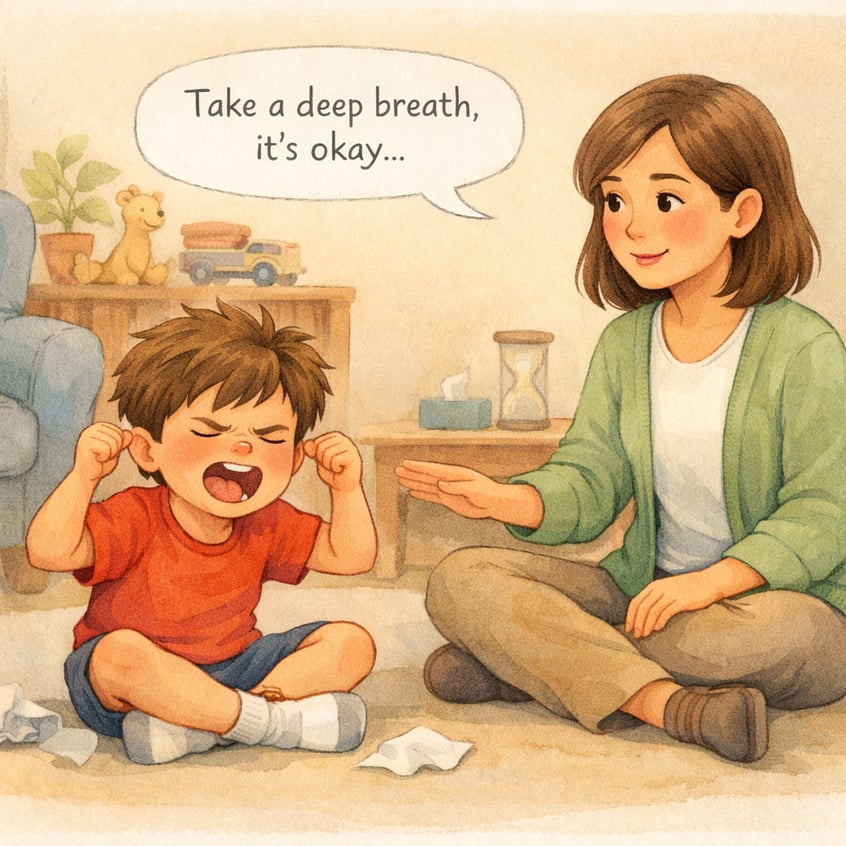
Temper tantrums are a normal part of childhood, often caused by frustration or anger when young children can't express themselves. These outbursts reflect limited problem-solving and impulse control, not intentional misbehaviour.
While tantrums are a typical stage of emotional development, frequent or intense episodes can be challenging for families. A child behaviour therapist can help by identifying underlying causes and teaching strategies to manage tantrums, supporting your child’s long-term mental health.
Common Triggers for Tantrums in Young Children
Tantrums in young kids often occur at predictable times or in specific situations. Recognizing these patterns lets you step in before a meltdown starts. Tantrums usually happen when a child is asked to do something they dislike or stop an activity they enjoy. Supporting your child’s emotional regulation begins with understanding their triggers.
Common triggers include:
- Transitions like bedtime or naptime
- Being told to stop playing with toys or video games
- Frustration during homework
- Feeling hungry, tired, or overstimulated
To prevent escalation, use simple strategies like giving warnings (“We’re leaving the park in five minutes”) and breaking tasks into smaller steps. These approaches make transitions easier and help kids express their feelings more constructively.
Emotional Development and Why Tantrums Occur
Tantrums are a normal part of emotional development. Young children’s brains aren’t fully developed, so they can’t easily control impulses or manage emotions. When frustrated, angry, or disappointed, they often lack the skills to express themselves constructively—resulting in tantrums.
Child psychologists address these behaviours by assessing each child’s needs, observing triggers, and considering developmental stages. They then create tailored strategies, sometimes using behavioural therapy techniques to help children recognize negative thought patterns and develop healthier coping skills.
Understanding that tantrums are linked to brain development helps parents see them as cries for help—not defiance. It’s a chance to teach your child emotional skills that support better mental health as they grow.
The Role of a Child Behaviour Therapist in Managing Tantrums
A child behavioural therapist is a mental health professional who specializes in helping children with behavioural issues. They use evidence-based behavioural therapy techniques to understand the root causes of tantrums and develop personalized treatment plans. During therapy sessions, the therapist works to identify triggers and teach your child new, positive ways to manage their emotions and communicate their needs effectively.
While both a child behaviour therapist and a child psychologist work to improve a child's mental health, a therapist often focuses more on practical, hands-on strategies and behaviour modification. They collaborate with you and your child to implement these strategies at home, ensuring consistent support and lasting change. Now, let’s explore how they work with children and when you should consider seeking help.
How Child Behaviour Therapists Work With Children
A child behaviour therapist uses engaging techniques to create a safe, supportive environment where children can learn new skills. Play therapy helps younger children express their feelings and overcome challenges naturally.
Therapists teach social skills and communication strategies, often using role-playing to practice sharing, taking turns, and managing frustration. Structured methods like Applied Behaviour Analysis (ABA) reinforce positive behaviours and help change negative thought patterns, giving children practical tools for success.
Approaches are tailored to each child’s needs to promote positive change.
|
Therapeutic Approach |
How It Helps |
|---|---|
|
Play Therapy |
Helps young children express emotions and resolve conflicts through toys and games. |
|
Social Skills Training |
Teaches skills like sharing, listening, and understanding social cues for peer interactions. |
|
Parent Training |
Provides parents with strategies to manage behaviour at home and reinforce therapy progress. |
When to Seek Help From a Child Behaviour Therapist
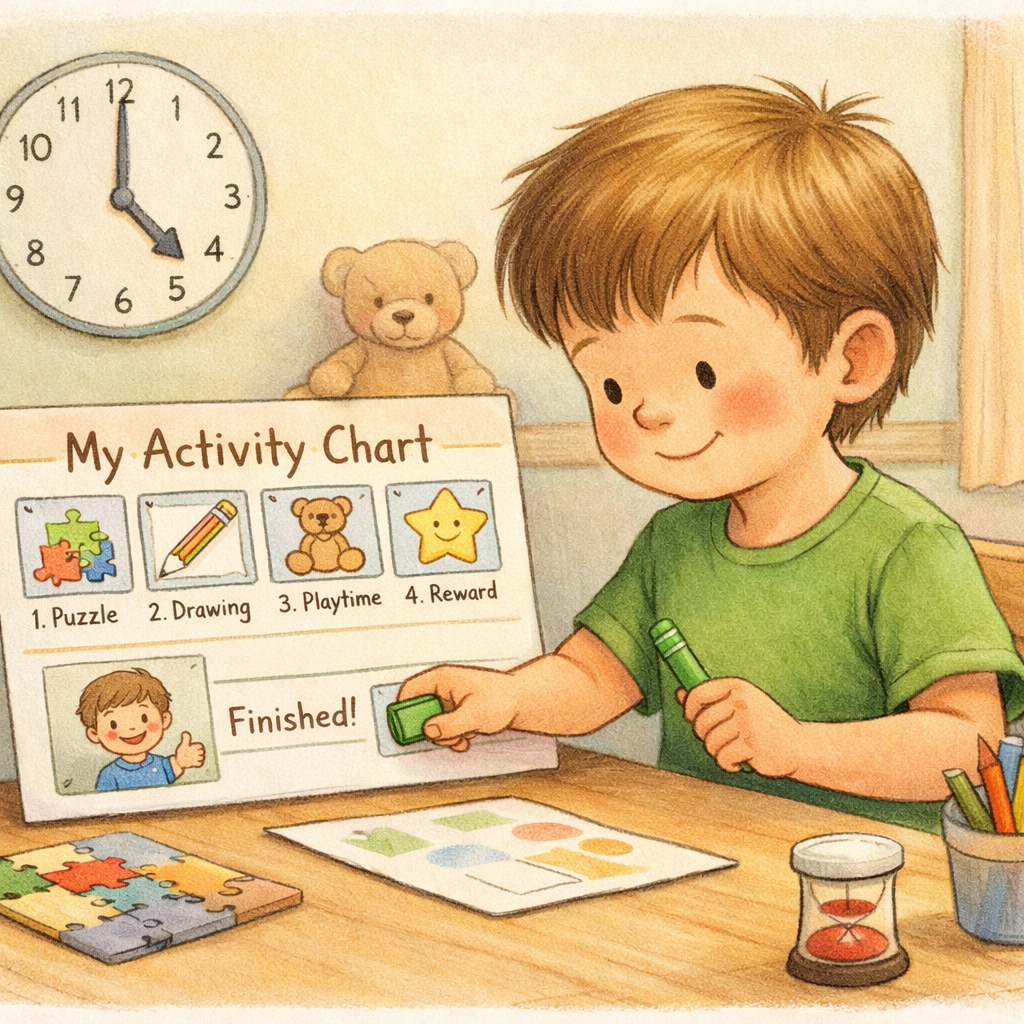
Occasional tantrums are normal, but frequent, intense, or violent outbursts may signal deeper concerns. Early intervention can prevent minor issues from escalating into serious mental health conditions.
Consider consulting a child behaviour therapist if persistent patterns disrupt daily life. Trust your instincts—if your child's behaviour seems beyond a typical phase, an evaluation can offer clarity and support.
Watch for these red flags:
- Aggressive tantrums toward people, animals, or property
- Self-harming behaviours like head-banging during outbursts
- Significant problems at school or with friendships
- Tantrums that are inappropriate for your child's age
These behaviours may be linked to ADHD or ODD. A therapist can provide proper assessment and effective treatment.
Conclusion
In summary, managing child tantrums can be a challenging journey for parents, but understanding the underlying causes and seeking appropriate help can make all the difference. By recognizing common triggers and the emotional development behind these outbursts, you can better support your child through their frustrations. Collaborating with a child behaviour therapist equips both you and your child with effective strategies for managing these difficult moments. Remember, it’s essential to remain patient and stay engaged in the process, as improvements may take time.
If you're ready to take an active step towards supporting your child's emotional well-being, consider reaching out for consultation or call daar at 02 9133 2500 for professional guidance.
Frequently Asked Questions
What should I expect during my child’s first session with a child behaviour therapist?
The first step is usually an initial assessment. The mental health professional will talk with you to understand your concerns and gather information about your child’s behaviour and development. They may also observe or interact with your child. This session is about building rapport and creating a plan for future therapy sessions.
Are there techniques I can try at home before seeing a child behaviour therapist?
Yes, you can try several behavioural therapy techniques at home. Focus on positive reinforcement by praising good behaviour. Practice effective communication by labeling feelings and staying calm during outbursts. Providing consistent support and clear boundaries can also make a significant difference in encouraging better behavior before seeking professional help.
How long does it usually take to see improvements in tantrum management with therapy?
The timeline for seeing positive changes varies for every child. Some families notice improvements within a few therapy sessions, while others with more complex behavioural problems may require longer-term support. The key to effective treatment is consistent support from both the therapist and the family to reinforce new skills.
.svg)




.svg)