
.png?width=48&height=48&name=Group%201%20(3).png)























10 April, 2026

The Effects of Too Much Screen Time on Kids' Health

Key Highlights
- Excessive screen time can lead to developmental delays in communication and problem-solving skills in young children.
- Too much screen use is linked to physical health issues like childhood obesity and vision problems.
- A child's mental health can be affected by screen overuse, potentially leading to anxiety, depression, and behavioural problems.
- Screen time, especially before bed, can disrupt sleep quality and patterns by suppressing the sleep hormone melatonin.
- The type of content matters; educational programs are better than passive entertainment.
- Managing screen time is crucial for developing strong social skills and emotional regulation.
Introduction
In today's digital world, screens are everywhere. From tablets to smartphones and mobile devices, children are exposed to them from a very young age. While digital media can be a tool for learning and connection, it's important to understand the effects of screen time on your child's health. How much is too much? This article explores the impact of screen use on children's physical, mental, and emotional well-being, offering insights into creating a healthy balance between the digital and real worlds.
Understanding Recommended Guidelines for Kids’ Screen Time
Navigating the digital landscape can be tricky for parents. You might wonder if there are official recommendations for the amount of screen time your child should have. The short answer is yes. Health authorities and professional organizations have established guidelines to help you make informed decisions.
These recommendations are often based on a child's age, recognizing that the impact of screen use on young people varies during different developmental stages. The following sections will break down these daily limits and highlight what experts suggest for balancing screen time with other essential activities.
Daily Limits for Different Ages
They emphasize that for the youngest children, real-world interaction is far more valuable for learning and development than what they see on a screen. The guidelines are designed to protect and nurture a child's growing brain.
For children younger than 18 to 24 months, screen time use should be avoided entirely, with the only exception being video chatting with family. This is because young children learn best through direct interaction with people and their environment. As they grow, the recommendations shift slightly:
- Preschool Children (Ages 2 to 5): Limit screen use to just one hour per day of high-quality programming.
- Older Children: For school-aged children and teenagers, it's crucial to set consistent limits on the time spent using media and the types of media they engage with.
Screen time mustn't take the place of adequate sleep, physical activity, or other behaviours essential to health. Co-watching with your child is also highly encouraged to help them understand what they are seeing.
Australian Health Authorities’ Official Recommendations
Similar to the AAP, other official government organizations guide on screen time. The World Health Organization (WHO), and by extension, health authorities in countries like Australia, have published specific recommendations to help families manage daily screen exposure for young children.
These guidelines aim to promote healthy development by ensuring children have ample time for physical activity and sleep. The focus is on minimizing sedentary screen time, which is time spent passively watching entertainment on devices.
Here is a simple breakdown of the WHO's recommendations, which are widely adopted:
|
Age Group |
Recommended Sedentary Screen Time |
|---|---|
|
Under 2 years |
Not recommended. |
|
2 to 5 years |
No more than 1 hour per day. |
These guidelines are in place because early childhood is a period of rapid development. Limiting screen exposure helps ensure that children engage in activities like outdoor play, which are crucial for their overall well-being.
Types of Content: Educational vs. Entertainment
Is all screen time created equal? Not exactly. The type of content your child consumes is just as important as the amount of time they spend in front of a screen. There's a significant difference between educational content and purely entertainment-based media use.
High-quality, educational programming can offer positive effects. Shows like Sesame Street or Daniel Tiger's Neighborhood are designed to teach social skills, problem-solving, and language. When you co-watch these programs with your child, you can reinforce the concepts and turn passive viewing into an active learning experience. This kind of media can support school readiness.
On the other hand, a lot of digital media, especially on platforms like YouTube, can be unregulated and offer little educational value. The following are often better choices:
- Programs that model good social skills and cooperation.
- Apps and games reviewed by organizations like Common Sense Media.
- Content you can watch and discuss with your child.
Effects of Excessive Screen Time on Physical Health
When children spend a lot of time on screens, their physical health can be affected. Excessive screen time is often linked to sedentary behaviour, which means less time for physical activity. This lack of movement can contribute to a range of health concerns that can follow a child into adulthood.
Are you concerned about how screen habits might be impacting your child's body? From eye strain to weight gain, the physical consequences are worth understanding. We'll now look closer at how screen use influences vision and the risks associated with a less active lifestyle.
Impact on Vision and Eye Health
Prolonged screen time can harm your child’s vision, leading to digital eye strain with symptoms like dry eyes, headaches, and blurred vision. This occurs because children blink less when focused on screens.
Blue light from devices can disrupt sleep patterns and add to eye strain. Some studies also suggest a link between excessive screen use and myopia, though research is ongoing.
To protect your child’s eyes, encourage regular breaks using the 20-20-20 rule: every 20 minutes, look at something 20 feet away for 20 seconds. This simple habit helps reduce eye strain.
Risks of Childhood Obesity and Sedentary Behaviour
High screen time is strongly linked to childhood obesity. When kids spend hours on screens, they are less active and more likely to gain weight.
Research shows that each extra hour of screen time increases obesity risk—not just from inactivity, but also from unhealthy eating habits like skipping breakfast and consuming more processed foods. Ads for junk food can further influence kids’ choices.
To reduce these risks:
- Encourage daily physical activity.
- Set limits on screen use.
- Promote outdoor play.
Influence on Brain Development and Learning
A child's brain develops rapidly during early childhood, and experiences shape its structure and function. Excessive screen time may interfere with this critical process. Research suggests that high levels of screen use in young children are associated with lower scores on language and thinking tests, which may indicate lower academic achievement. Some studies have even found structural brain changes in children with heavy screen exposure.
When kids are glued to a screen, especially before 12 months of age, they miss out on exploring the world around them, which is vital for learning and overall development. Let's examine how screen time can affect language skills and potentially contribute to learning challenges.
Language Acquisition and Communication Skills
Language development flourishes between the ages of 1.5 and 3 years. At this stage, children learn language best by interacting with adults. The back-and-forth conversations, facial expressions, and real-life play are what build strong language and communication skills. Screen time, which is often a passive activity, can get in the way of this crucial interaction.
Studies have shown that children under two learn less from a video than from a person. While they may be captivated by what's on the screen, they aren't necessarily understanding the content or acquiring language skills from it. Excessive background television can also disrupt a child's ability to focus and learn from their environment, especially when introduced at an early age.
For healthy language acquisition, young children need to hear and practice language with responsive caregivers. When a screen replaces these interactions, it can lead to delays in their ability to communicate effectively. Prioritizing conversation and play over screen time is key.
Association with Learning Difficulties
Excessive screen time is linked to learning difficulties. Research shows that systematic reviews indicate that children who spend more time on screens in early elementary years may score lower on reading tests, possibly because screen use replaces reading and hands-on activities.
Too much screen exposure can also affect attention spans and may have negative effects on development. The fast-paced, highly stimulating nature of many digital programs makes it harder for children to focus in less stimulating classroom environments, leading to lower academic performance and challenges with school readiness.
Children develop problem-solving skills through hands-on activities like stacking blocks, not by watching them on a screen. When screen time dominates, these valuable learning opportunities are lost, which can impact academic success later on.
Social and Emotional Consequences of Screen Overuse
Beyond academics and physical health, excessive screen time can have a significant impact on a child's social and emotional health, affecting a child’s ability to develop essential skills. Spending too much time with devices can inhibit the development of crucial social skills and may contribute to behavioural problems. Children learn how to interact with others, read social cues, and manage their emotions through real-world experiences, not through screens.
Are you noticing changes in your child's mood or behaviour? It could be related to their screen habits. The following sections explore how screen overuse affects emotional regulation, behaviour, and relationship skills.
Effects on Emotional Regulation
Managing emotions is a skill developed during childhood, but excessive screen time can disrupt this process. When children are given screens to distract them from upset or boredom, they miss opportunities to learn how to cope independently and develop healthy self-soothing habits.
Studies show that higher screen time increases the risk of depression and anxiety in teens. Social media content can harm self-esteem and trigger depressive symptoms, while late-night screen use often leads to poor sleep and worsens mood.
Instead of using screens as quick fixes for tantrums, comforting your child and discussing their feelings builds emotional resilience for handling life's challenges.
Possible Behaviorural Challenges
Have you noticed your child becoming irritable or aggressive after screen time? You’re not alone. Research shows excessive screen time is linked to behavioural problems, including an increased likelihood of behavioural problems like inattention, hyperactivity, and aggression in children.
One study found preschoolers with over two hours of screen time daily were more likely to develop attention issues by age five, especially if they also lacked sleep. Constant screen stimulation can make it harder for kids to settle down, increasing behavioural challenges and hindering their problem-solving abilities.
Using screens to manage difficult situations—like helping a child share a toy—may give quick relief but doesn’t teach important skills such as turn-taking or conflict resolution. This can lead to more behaviour issues over time.
Social Interaction and Relationship Skills
Building strong social skills requires real-life practice. Children develop communication, cooperation, and empathy by interacting with family and peers. Excessive screen time cuts into these important interactions—a child focused on a tablet at the park misses out on learning to play with others.
Without enough real-world practice, children may struggle to read non-verbal cues like facial expressions and body language. For older kids and teens, heavy social media use can lead to isolation and make it harder to form meaningful in-person relationships.
To support healthy social development, prioritize face-to-face interaction. Designating screen-free family time encourages conversation, strengthens bonds, and helps your child develop essential relationship skills for life.
The Relationship Between Screen Time and Sleep Patterns
A good night's sleep is essential for a child's health and development, and screen time can be a major disruptor. The connection between screen use and poor sleep is well-documented. The light from screens, particularly blue light, can interfere with the body's natural sleep cycle, making it harder for children to fall asleep.
Is your child having trouble sleeping? Their screen habits might be to blame. This section will explain how screen exposure impacts sleep quality, what signs of sleep disturbance to look for, and how to promote healthier, sleep-friendly screen use.
How Screen Exposure Impacts Sleep Quality
How exactly does screen exposure harm sleep quality? The primary culprit is the blue light emitted from electronic devices like tablets and smartphones. This light suppresses the body's production of melatonin, the hormone that tells our brains it's time to sleep. This can delay sleep onset and disrupt the natural circadian rhythm.
Beyond the biological effects of blue light, the content itself can be stimulating. Playing a video game or watching an exciting show keeps a child's brain alert and activated, making it difficult to wind down and get enough sleep. Studies have shown that infants with evening screen exposure had shorter nighttime sleep than those without.
Even the proximity of the screen matters. Since tablets and phones are held closer to the face, they can suppress melatonin more effectively than a television across the room. Ultimately, this leads to poorer sleep quality and can affect a child's mood, behaviour, and learning the next day.
Signs of Sleep Disturbance in Children
How can you tell if your child's screen time use is affecting their sleep? Recognizing the signs of sleep disturbance is the first step toward addressing the problem. While every child is different, some common indicators suggest that their sleep is being negatively impacted.
Pay attention to changes in your child's sleep patterns and daytime behaviour. A child who isn't getting enough quality sleep may seem tired or irritable during the day. They might also have difficulty concentrating in school or experience more frequent mood swings.
Here are some specific signs of sleep disturbance to watch for:
- Difficulty Falling Asleep: Taking a long time to fall asleep after bedtime.
- Waking Up at Night: Frequently waking up during the night.
- Daytime Drowsiness: Seeming overly tired or falling asleep during the day.
If you notice these signs, it may be time to re-evaluate your child's sleep time routines and screen habits.
Tips for Sleep-Friendly Screen Use
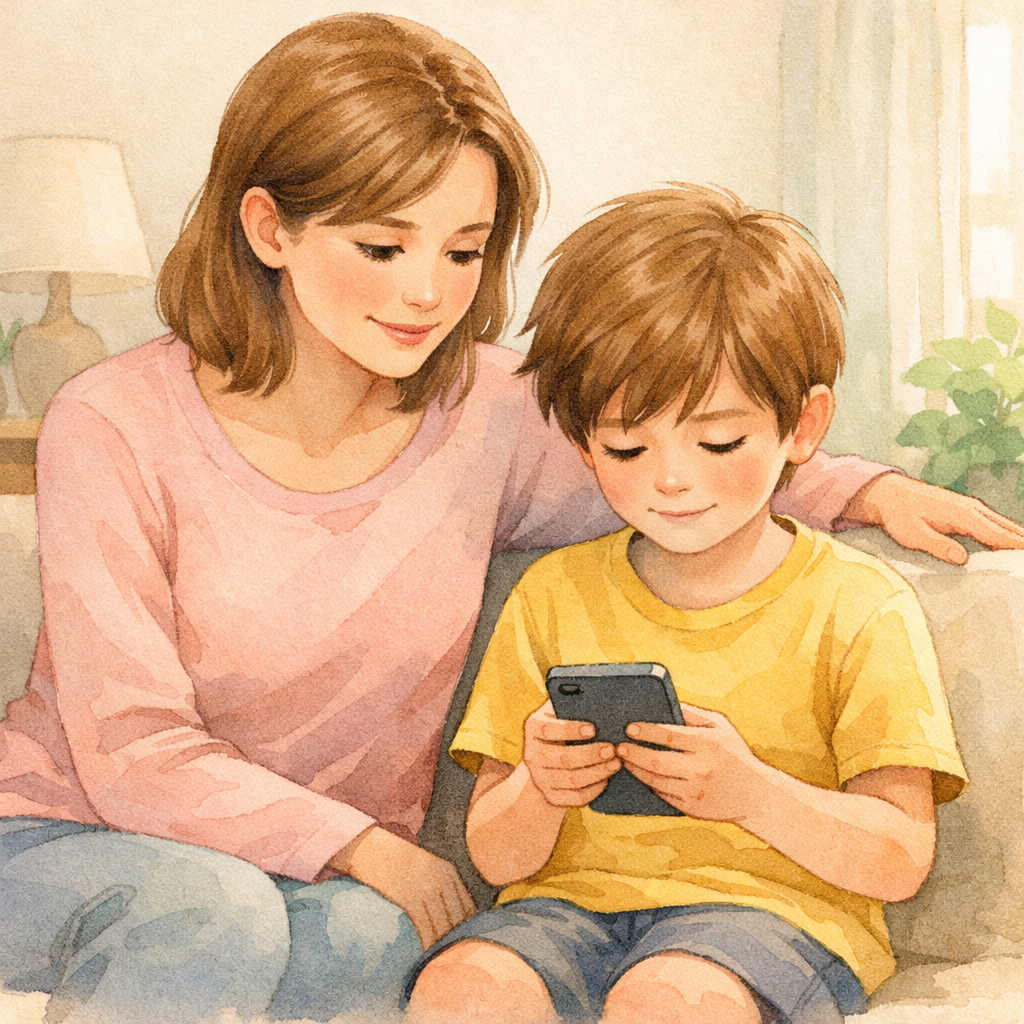
Creating healthier screen habits can significantly improve your child's sleep quality. It's not about eliminating screens entirely but about managing them wisely. By implementing a few simple rules, you can help ensure that screen use doesn't interfere with a restful night's sleep.
The most important tip is to establish a screen-free period before bed. This gives your child's brain time to wind down and allows for natural melatonin production. Turning off all screens, including TVs, tablets, and phones, at least one hour before bedtime is a great place to start.
Here are a few more tips for sleep-friendly screen use:
- Keep Bedrooms Screen-Free: Make the bedroom a no-screen zone to remove the temptation of late-night use.
- Set a "Digital Curfew": Establish a family-wide time to shut off all devices for the night.
- Use Night Mode: If screens must be used in the evening, enable "night mode" settings to reduce blue light emission.
- Prioritize a Bedtime Routine: Replace screen time with calming activities like reading a book or taking a bath.
Conclusion
In conclusion, managing screen time for children is crucial for their overall health and development. By understanding the impact of screen time and the recommended guidelines and recognizing the effects of excessive screen exposure, parents can make informed decisions that promote healthier habits. It's important to strike a balance between screen use and other vital activities, such as physical play, social interaction, and quality sleep. Encouraging a diverse range of experiences will not only support their physical well-being but also their emotional and growth. Together, we can foster an environment where children thrive, both on and off the screen.
For more personalized strategies and tips, consider reaching out for a consultation or call daar at 02 9133 2500.
Frequently Asked Questions
How can parents identify signs their child is getting too much screen time?
Parents can look for signs like sleep disturbance, increased behavioural problems, irritability when screens are taken away, and a lack of interest in other activities that can have a negative impact. For younger children, delays in language or social skills can also be an indicator of excessive screen time.
Is screen time always harmful or are there exceptions?
Screen use is not always harmful. The context and content matter. Educational content, especially when co-viewed with a parent, can have positive effects and help steer them away from potential risks. For children of all years of age, video chatting with family is also seen as a beneficial exception to typical entertainment screen use.
What steps can families take to balance screen use and healthy habits?
Families can balance screen time by setting clear limits, establishing screen-free zones and times (like mealtimes and bedrooms), and prioritizing healthy habits, including some "green time" outdoors. Encouraging daily physical activity and outdoor play is crucial. Leading by example with your own screen use also makes a big difference.
.svg)




.svg)