
.png?width=48&height=48&name=Group%201%20(3).png)























3 February, 2026

Understanding Behavioural Therapy ADHD for Children
Introduction
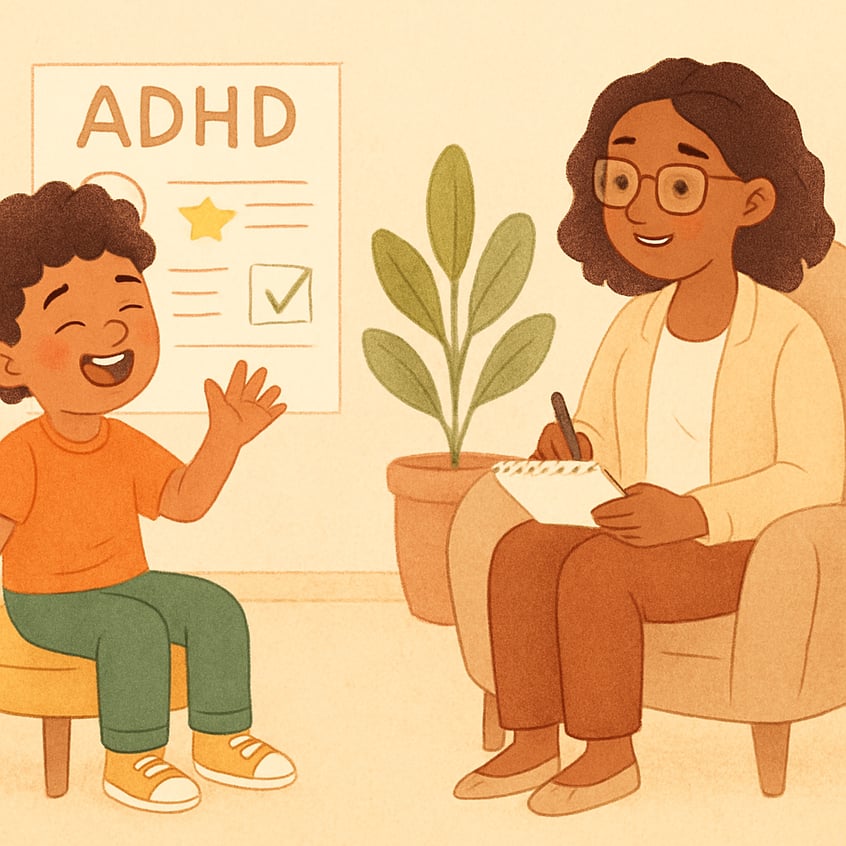
Navigating the challenges of attention deficit hyperactivity disorder (ADHD) can feel overwhelming for both children and their families. The good news is that there are powerful, effective strategies to help. Behavioural therapy is a hands-on approach that equips children with the tools they need to manage their symptoms, improve their self-control, and thrive. This form of mental health support focuses on building practical skills that can lead to lasting positive changes in school, at home, and in their relationships.
Key Highlights
- Behaviour therapy is an effective treatment that teaches children skills to manage ADHD symptoms like inattention and hyperactivity.
- Parent training is a crucial part of behaviour therapy, equipping you with strategies to encourage positive behaviours at home.
- The therapy uses positive reinforcement, such as praise and rewards, to motivate children and build self-esteem.It helps improve executive functioning skills, which are essential for organization, planning, and time management.Most children begin to see noticeable improvements from behavioural therapy for ADHD within a few weeks to a few months, though results can vary depending on individual needs and consistency of practice.
- It helps improve executive functioning skills, which are essential for organization, planning, and time management. While the time it takes to see results from behavioural therapy for ADHD can vary, many individuals begin to notice improvements in areas such as executive functioning and time management within several weeks to a few months of consistent therapy. Therapy can improve your child’s emotional regulation and social skills, leading to a better quality of life.
- Therapy can improve your child’s emotional regulation and social skills, leading to a better quality of life.
- Behavioural strategies can be used in combination with medication or, for some children, may be effective enough on their own.
Overview of Behavioural Therapy for Children with ADHD
Behavioural therapy is a recommended treatment of ADHD that focuses on teaching children how to manage their behaviours. Unlike medication that targets core symptoms directly, this therapy provides skills and strategies to control impulsivity and inattention. For many young children, it is the first line of defense against challenging ADHD symptoms.
A clinical psychologist typically guides this process, working with both you and your child to create effective behaviour management plans. Several types of therapies fall under this umbrella, each designed to address specific needs. Let's explore what behavioural therapy is and the different forms it can take.
What Is Behavioural Therapy?
Behavioural therapy is a structured, action-oriented approach that targets problem behaviours and reinforces positive ones, focusing on practical skill-building rather than traditional talk therapy. Its main goal is to equip children with techniques to manage ADHD-related challenges in daily life.
This therapy helps children regulate emotions, leading to fewer outbursts and better social interactions, which improves family life overall.
Unlike medication, which only works while taken, the skills learned in behavioural therapy last a lifetime, empowering children to manage symptoms independently as they grow.
Types of Behavioural Therapy Used in Australia
Several behaviour therapies support children with ADHD, each with a distinct focus. Positive Behaviour Support (PBS) explores the reasons behind challenging behaviours and teaches better ways for children to express their needs.
Cognitive Behavioural Therapy (CBT) helps change negative thought patterns, while Dialectical Behavioural Therapy (DBT) builds emotional regulation skills. These approaches offer strategies to manage ADHD.
For teens, behavioural training is less studied but still helpful. CBT often addresses related issues like anxiety or oppositional behaviour.
|
Therapy Type |
Focus |
|---|---|
|
Positive Behaviour Support (PBS) |
Identifies causes of challenging behaviours and teaches new skills to improve quality of life. |
|
Cognitive Behavioural Therapy (CBT) |
Changes negative thinking to improve feelings and actions; useful for procrastination and related issues. |
|
Dialectical Behavioural Therapy (DBT) |
Builds emotional regulation skills for managing social and emotional challenges in ADHD. |
How Behavioural Therapy Works
Behavioural therapy employs a structured approach to modify unhelpful behaviours associated with ADHD. Through positive reinforcement, children learn new skills that promote good behaviour and social interaction. Techniques such as parent training are essential in reinforcing positive behaviours at home and fostering a supportive environment. This therapy not only addresses symptoms of ADHD but also enhances emotional regulation, which significantly improves the overall quality of life. Engaging in play therapy and occupational therapy can further aid in developing vital communication and time management skills.
Core Principles of Behavioural Therapy
Behavioural therapy is based on key principles, with reinforcing positive behaviour being the most important. Children with ADHD are often corrected more than praised, so creating chances for them to earn positive attention is a powerful motivator.
Parent training is also central. It teaches you how to encourage cooperation and reduce conflict by using praise effectively and applying consistent consequences. This helps improve communication.
Together, these principles create a structured, predictable environment that reduces stress for children with ADHD and supports their success. Parent training empowers you to confidently guide your child’s development.
Key Techniques and Examples
Behaviour therapy uses practical techniques to help young children succeed. Positive reinforcement—rewarding good behaviour—encourages children to repeat it, whether through simple praise or structured systems.
For some children, behaviour therapy alone effectively manages symptoms without medication by teaching lasting coping skills. Common techniques include:
- Reward Charts: Tracking positive behaviours with stickers or points that lead to a prize.
- Checklists: Breaking tasks into clear, simple steps.
- Daily Report Cards: Teachers and parents set and reward behavioural goals together at school.
These tools clarify expectations and make them achievable. By building skills, behaviour therapy helps children gain confidence and control, whether used alone or with other treatments.
Behavioural Strategies at Home
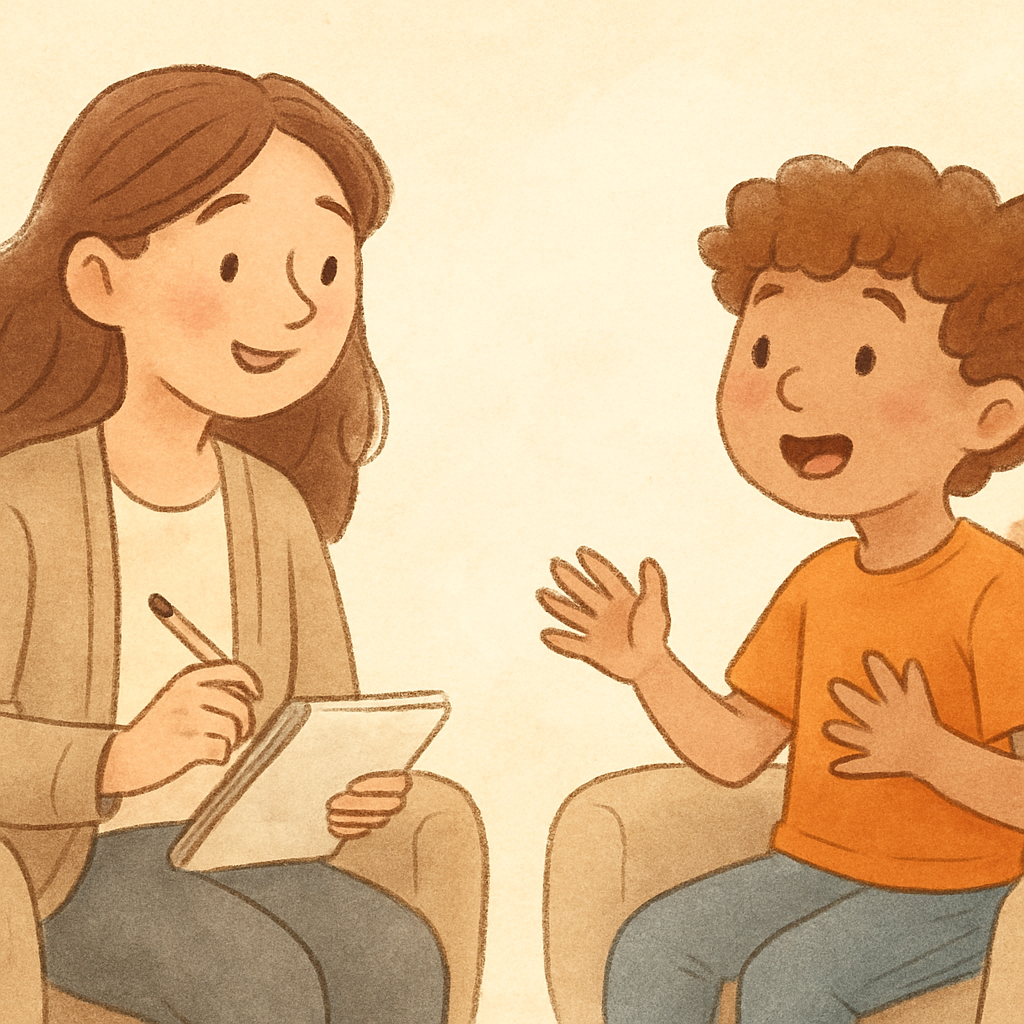
You can bring the benefits of behavioural therapy directly into your daily life at home. Through parent training, you learn effective behaviour management techniques that transform how you interact with your child. The key is providing structure and plenty of positive attention.
These strategies help reduce conflict and make home life more peaceful for everyone. By creating supportive routines and using proven discipline techniques, you can help your child thrive. Let's look at how you can create the right environment and use reinforcement to encourage positive change.
Creating Supportive Routines and Environments
Establishing consistent routines is highly effective for children with ADHD. Predictable schedules reduce anxiety and resistance, whether it's mornings, homework, or bedtime.
Visual aids like charts or checklists help kids remember steps and build independence. Parent training programs can teach you how to use these strategies.
Try these tips:
- Post a morning checklist on the bathroom mirror.
- Set a specific time and quiet spot for daily homework.
- Break big tasks into steps with time limits to make them manageable.
These small changes can bring more calm and predictability to your home.
Reinforcement and Positive Discipline Techniques
Positive reinforcement encourages good behaviour by praising your child when they do something right, like completing chores or handling frustration calmly.
Rather than focusing on mistakes, positive discipline rewards effort and supports emotional regulation. Parent training helps you use these methods consistently to boost your child's confidence and motivation.
Effective strategies include:
- Giving specific praise: For example, “I love how you started your homework right away,” instead of a vague “good job.”
- Creating a reward system: Offer small rewards, such as extra screen time, for meeting goals.
- Using consistent consequences: Apply clear, immediate consequences—like a brief time-out or loss of privilege—for negative behaviours.
- Ignoring minor misbehaviour: Sometimes the best way to discourage minor issues is simply not to give them attention.
Behavioural Therapy in Schools and the Role of Educators
Behavioural therapy isn't just for home; it plays a vital role in your child's school success. Teachers can implement classroom interventions that are specifically designed to meet your child's support needs. This creates a bridge between strategies used at home and at school.
By working together, parents and educators can form strong support networks that help children thrive academically and socially. Let's look at some specific classroom strategies and how programs like the NDIS can help support these efforts.
Classroom Interventions and Modifications
To support children with ADHD, teachers can use classroom interventions that reduce disruptions and encourage positive behaviour through structure and support.
A key strategy is the Daily Report Card. Parents and teachers set clear, achievable goals for the child. Teachers give feedback during the day, and successful progress is rewarded at home, strengthening support between school and home.
Other effective modifications include:
- Setting specific goals, like completing assignments or minimizing interruptions.
- Giving frequent feedback on behaviour and academics.
- Rewarding positive behaviour with praise or small incentives.
These strategies help children feel more confident and successful in class.
Supporting School Success with NDIS Behavioural Therapy Approaches
For Australian families, NDIS behavioural therapy can support a child’s success at school. If your child has an NDIS plan, you may be able to use funding for therapies that address ADHD-related needs.
These supports help build skills and improve participation in daily activities, including school. Therapists work with children, families, and schools to develop strategies that enhance learning and social engagement.
The goal is to boost overall wellbeing and quality of life. With tailored interventions, NDIS behavioural therapy gives children with ADHD the tools to reach their full potential in class and beyond.
Conclusion
In conclusion, behavioural therapy can be a transformative approach for children with ADHD, providing them with essential skills to navigate challenges at home and in school. By focusing on positive reinforcement and developing supportive routines, parents and educators can create environments that foster better behaviour and academic success. Understanding the core principles and techniques of behavioural therapy equips families with the tools they need to help their children thrive.
If you're looking for personalized strategies and support, consider reaching out for a consultation or call daar at 02 9133 2500 to explore how behavioural therapy can benefit your child.
Frequently Asked Questions
Is behavioural therapy covered by NDIS in Australia?
Yes, NDIS behavioural therapy can be funded if it is considered a "reasonable and necessary" support for your child's disability. This form of treatment for ADHD can help your child manage symptoms of ADHD, build skills for daily life, and strengthen their support networks, making them eligible under an NDIS plan.
How do I access behavioural therapy resources for my child?
To access ADHD therapy, start by speaking with your child's healthcare provider or a psychologist. They can refer you to therapists who specialize in behaviour management for children with ADHD. Parent training programs are also excellent resources for learning techniques to address your child's support needs and build strong support networks.
Can behavioural therapy help manage ADHD symptoms without medication?
For some children, yes. Behavioural interventions can be effective enough on their own to manage ADHD symptoms. By teaching lasting skills and using positive reinforcement, this approach can significantly improve a child's quality of life and mental health, making it a powerful standalone treatment or a complement to medication.
.svg)




.svg)