
.png?width=48&height=48&name=Group%201%20(3).png)























9 April, 2026

Early Symptoms of Autism: Signs to Watch for in Kids

Key Highlights
- ADHD and autism are distinct neurodevelopmental disorders, but they share some overlapping symptoms.
- The primary signs of autism involve challenges with social skills and repetitive behaviours.
- Key symptoms of ADHD include inattention, hyperactivity, and impulsivity.
- Recognizing the early signs of autism spectrum disorder in early childhood is crucial for brain development.
- Professionals use specific diagnostic criteria to differentiate between the two conditions.
- It is possible for a child to have both ADHD and autism, which requires tailored support.
Introduction
As a parent, you want the best for your child, and noticing certain behaviours can be confusing. You might wonder if your child's struggles with focus or social situations a phase or signs of something are just a phase or signs of something more, like autism spectrum disorder. Understanding the early symptoms of autism is the first step toward getting the right support. This guide will help you navigate the signs to watch for in early childhood, making sense of the differences and similarities between autism and other conditions.
Key Differences: ADHD vs Autism Symptoms
It's common to confuse ADHD symptoms with the symptoms of autism. Both are neurodevelopmental disorders, meaning they affect brain development and begin early in life. These mental health conditions can present with similar challenges, such as difficulties with social interaction or paying attention, which can make it hard for parents to tell them apart.
However, the reasons behind these behaviours are often quite different. Understanding these distinctions is key to providing the right support for your child. In the following sections, we'll explore what defines each condition and how to spot overlapping traits.
ADHD Symptoms Explained
Attention Deficit Hyperactivity Disorder (ADHD) affects attention, impulsivity, and executive function. Children with ADHD may struggle to focus, get easily distracted, forget instructions, or have trouble finishing homework. These inattentive symptoms are central to the disorder.
Hyperactivity is another major feature. It's not just high energy—it's ongoing restlessness that makes sitting still difficult. Children may fidget, talk excessively, or struggle to wait their turn. This can impact school performance and peer relationships.
Impulsivity is also common. Children may act without thinking, interrupt others, or make hasty decisions without considering consequences. These behaviours stem from how their brain processes information—not from intentional misbehaviour.
Autism Symptoms in Comparison
Autism Spectrum Disorder (ASD) primarily affects social communication, social interaction, and behaviour patterns. One of the main symptoms of autism is difficulty with social skills. A child with autism might struggle to understand social cues like body language or tone of voice, making it hard to connect with others or make friends.
You might also notice repetitive behaviours. This can include repeating certain words or phrases, lining up toys in a specific order, or following a very strict daily routine. These actions often provide a sense of comfort and predictability in a world that can feel overwhelming.
Another hallmark of autism is having very focused and intense interests. While a child with ADHD may jump from one hobby to another, a child with autism might become an expert on a specific topic. They might be so absorbed in their interest that it's difficult to draw their attention to anything else.
Overlapping Behaviours and How to Recognize Them
Some behaviours can appear in both ADHD and autism, making it hard to tell them apart. Both may cause social challenges and trouble with focus, but for different reasons. Recognizing overlapping symptoms is important, but understanding the underlying causes matters most.
For example, a child with ADHD might interrupt due to impulsivity, while a child with autism might not notice social cues. Sensory issues—like being overwhelmed by bright lights or loud sounds—can happen in both but are more central to autism.
Common overlapping symptoms include:
- Focus issues: Kids with ADHD are easily distracted; those with autism may struggle to shift focus from special interests.
- Social difficulties: Children with ADHD may interrupt or talk excessively; those with autism may have trouble starting conversations or reading nonverbal cues.
- Sensory sensitivities: Both may be sensitive to textures or sounds, though this is more characteristic of autism.
Early Signs of Autism in Young Children
Spotting the signs of autism spectrum disorder in early childhood can make a significant difference in a child's brain development and ability to build social skills. The early years are a critical time for learning and growth, and identifying developmental differences allows for timely support.
While every child develops at their own pace, there are specific red flags to watch for. These often fall into categories related to social communication, play patterns, and sensory responses. We will now look at these specific areas to help you understand what to observe.
Social Communication and Interaction Red Flags
Early signs of autism often involve social communication challenges. Your child may avoid or struggle with eye contact, making it hard to connect with others. They might have trouble reading facial expressions or body language.
Language difficulties are another indicator. Some children experience delayed speech, while others use language in unusual ways, such as repeating phrases (echolalia). They may also find back-and-forth conversation challenging.
Key social red flags include:
- Not responding to their name by 12 months
- Avoiding eye contact and preferring to be alone
- Difficulty understanding or expressing feelings
- Not sharing interests or pointing out objects
Unusual Play, Patterns, and Interests
How a child plays can reveal important clues. Children with autism often show repetitive play, such as lining up toys instead of engaging in pretend play or repeating actions like spinning wheels.
Another sign is intense special interests. While most children have favorites, autistic children may develop deep, expert-level knowledge about specific topics like trains or dinosaurs. They may talk only about these interests and struggle to shift attention to other activities.
This intense focus can be a strength but may also make social interactions difficult when others don’t share their passion.
Sensory Sensitivities and Physical Responses
Many children with autism experience the world differently due to sensory sensitivities. Everyday sounds, like a vacuum cleaner, can feel painful, or clothing tags may be unbearably scratchy. These sensitivities can cause strong physical reactions.
Some children avoid situations or stimuli that overwhelm them—they might cover their ears in noisy places, refuse certain clothes, or be picky eaters because of food textures. Others are hyposensitive and seek out intense sensations, such as deep pressure, spinning, or showing little reaction to pain.
These unusual sensory responses are central to autism. Behaviours like hand-flapping or rocking often help children manage sensory overload or seek more stimulation.
When Is It Autism, ADHD, or Both?
Trying to figure out if your child's behaviour points to an ADHD diagnosis, an autism diagnosis, or both can feel overwhelming. Because symptoms can overlap, a professional evaluation is essential. A specialist will look at your child's developmental and medical history, observe their behaviour, and use specific diagnostic criteria to get a clear picture of their mental health.
Ultimately, you can't be expected to make this distinction on your own. The goal is to gather information and share your concerns with a professional who can help. Let's explore how experts differentiate between the conditions and what it means if a child has both.
How Professionals Differentiate Between ADHD and Autism
Medical professionals use a thorough process to diagnose ADHD or autism. They gather a detailed history, use standardized tools, and follow established criteria—often through interviews, observations, and teacher questionnaires.
For autism, diagnosis centers on ongoing social communication challenges and repetitive behaviours. For ADHD, the focus is on persistent inattention and/or hyperactivity-impulsivity that impacts daily life.
Doctors look closely at the reasons behind behaviours to tell the two apart.
|
Area |
ADHD |
Autism |
|---|---|---|
|
Attention Span |
Short attention span; easily distracted—even with favorite activities. |
Can hyper-focus on interests but struggles with tasks they don’t like. |
|
Communication |
May interrupt, talk excessively, and have trouble listening. |
Struggles with social cues, body language, and eye contact. |
|
Routines |
Dislikes routine; seeks variety; gets bored easily. |
Prefers routines; upset by unexpected changes. |
|
Interests |
Likes many things but loses interest quickly. |
Has intense “special interests” and may repeat actions or topics often. |
Key Behavioural Examples Seen in Both Conditions
Certain everyday behaviours can resemble both ADHD and autism, making them hard to distinguish. For example, poor social skills appear in both conditions but for different reasons: ADHD impulsivity may cause blurting out, while autism often involves missing social cues.
Both groups can struggle with emotional regulation. ADHD meltdowns are usually triggered by frustration or boredom; autism meltdowns often result from sensory overload or changes in routine. Because these reactions look similar, parents may need professional guidance to tell them apart.
can help manage challenges in both diagnoses.
Overlapping behaviours include:
- Difficulty making or keeping friends
- Trouble managing strong emotions
- Problems with planning and organization
- Fidgeting or repetitive movements
The Possibility of Co-occurring ADHD and Autism
Yes, a child can have both ADHD and autism (often called "AuDHD"). Many people with autism also meet the criteria for ADHD. This combination can make daily life more challenging.
A child with both may face attention issues from ADHD alongside social and sensory challenges from autism. Sometimes these traits seem contradictory—for example, seeking stimulation but also needing routine.
Recognizing co-occurring ADHD and autism is vital for mental health and well-being. It helps parents and professionals create individualized support plans. With the right strategies, children with both conditions can thrive.
Recognizing Early Warning Signs at Different Ages
The early warning signs of a developmental condition can look different depending on a child's age. As brain development unfolds, children are expected to reach certain milestones and learn new skills. Paying attention to these developmental stages can help you notice if your child is following a different path.
From the first few months of age through the school years, the signs of autism and ADHD will evolve. What might be a missed connection in infancy can become a more obvious social difficulty in preschool. Let's look at how symptoms can present at different ages.
Infancy to Toddlerhood: Milestones and Missed Connections
During infancy and early childhood, children reach important milestones. Early autism signs can be subtle, like missing social interactions. For example, most babies share joyful expressions and smile by 6 to 9 months; a lack of this may be a concern.
In toddlers, signs are clearer. Not responding to their name by 12 months or not pointing by 14 months are possible red flags. Delayed speech and language are also common.
Diagnosing ADHD in toddlers is difficult, but extreme hyperactivity and poor self-regulation can be early signs. Discuss any concerns with a paediatrician for further evaluation.
Preschool and Early School Years: Emerging Differences
As children enter preschool and early school years, differences between ADHD and autism become clearer, especially in structured settings like classrooms. Social rules grow more complex, and academic demands increase.
Children with autism may struggle to join group activities or understand imaginative play, often preferring to play alone and focus on their interests. Their social difficulties become more noticeable as they miss subtle social cues.
In contrast, children with ADHD are usually eager to socialize but face challenges due to impulsivity and hyperactivity. They may have trouble sitting still, interrupt the teacher, or struggle to wait their turn. These distinct behaviours help professionals tell the conditions apart during the school years.
Changing Symptoms as Kids Grow Older
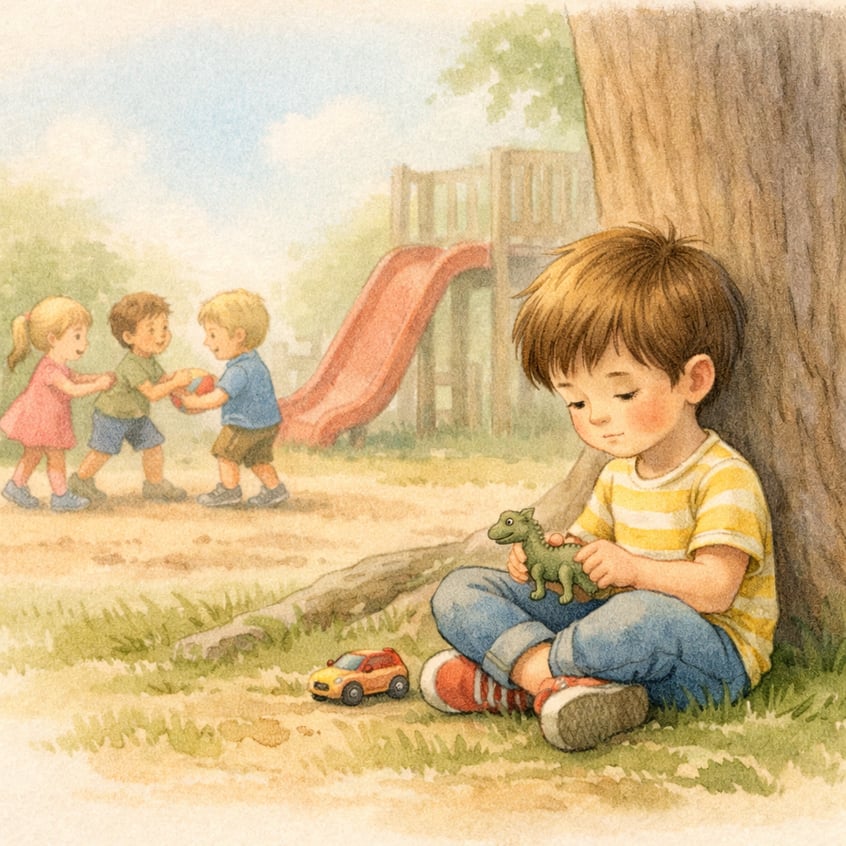
As children with autism or ADHD grow, their symptoms often change. Core challenges remain, but their expression evolves—for example, childhood hyperactivity in ADHD may become internal restlessness in teens or adults. Increasing daily demands can also reveal executive functioning issues.
In autism, obvious repetitive behaviours like hand-flapping may fade or become subtler. While some learn social rules directly, spontaneous interactions can still be difficult. Emotional regulation challenges may grow as social and academic pressures rise.
With support such as behavioural therapy, many individuals develop coping skills to manage symptoms and thrive at school, work, and in relationships. As symptoms change, support strategies must adapt as well.
Conclusion
In conclusion, recognizing the early symptoms of autism is crucial for timely intervention and support for your child. By being informed about the signs and differences between ADHD and autism, parents can take proactive steps in addressing their child's needs. Early identification not only facilitates a better understanding of your child’s unique behavioural patterns but also empowers you to seek the right professional guidance. Remember, every child is different, and being observant is key.
If you have concerns about your child's behaviour or development, don't hesitate to reach out for a consultation or call daar at 02 9133 2500 to a healthcare professional for help.
Frequently Asked Questions
Can autism symptoms change or improve as children grow?
Yes, the symptoms of autism can change as a child's brain development progresses. With support from behavioural therapy and other interventions, children can learn new skills for communication and emotional regulation. While autism is a lifelong condition, many individuals learn to manage their challenges and build on their strengths over time.
Who should I contact for an autism diagnosis in Australia?
For an autism diagnosis in Australia, you should start by speaking with your general practitioner (GP) or a paediatrician. They can refer you to the appropriate medical professionals, such as a developmental paediatrician, psychologist, or psychiatrist. Be aware that waiting times for assessments can be long, so it's wise to begin the process early.
What are the main symptoms of autism?
The main early symptoms of autism include difficulties in communication, challenges with social interactions, and repetitive behaviours. Children may show limited eye contact, struggle to understand social cues, or exhibit intense focus on specific interests. Identifying these signs early can lead to timely intervention and support.
.svg)




.svg)