
.png?width=48&height=48&name=Group%201%20(3).png)























7 April, 2026

Recognizing ADHD Symptoms: Signs to Watch For
Key Highlights
- Attention deficit hyperactivity disorder (ADHD) is a common mental health condition marked by persistent inattention, hyperactivity, and impulsivity.
- The core ADHD symptoms fall into three main categories: inattentive, hyperactive-impulsive, or a combination of both.
- Common symptoms of ADHD include difficulty paying attention, disorganization, forgetfulness, fidgeting, and acting without thinking.
- The presentation of these symptoms can differ based on age and gender, sometimes making diagnosis challenging.
- A proper diagnosis of ADHD from a healthcare professional is crucial for developing an effective treatment plan.
- Treatment often involves a mix of medication, therapy, and behavioural strategies to manage symptoms.
Introduction
Have you ever wondered if persistent distraction or restlessness in yourself or a loved one could be more than just a personality quirk? It might be related to attention deficit hyperactivity disorder (ADHD), a common mental health condition that affects millions of children and adults, potentially linked to central nervous system factors. Understanding the symptoms of ADHD is the first step toward seeking support and improving daily life. This guide will walk you through the key signs to watch for, helping you recognize how this disorder can manifest in various ways.
Understanding ADHD and Its Impact
ADHD Australia is a neurodevelopmental disorder that often begins in childhood and can continue into adulthood. It affects the brain's ability to manage thoughts, actions, and emotions, which can interfere with daily activities at school, work, and in relationships. While the exact cause of ADHD isn't fully known, research points to genetic and biological factors.
Unlike some other mental health conditions, ADHD symptoms can look different from person to person, including young people, and may change over time. What looks like hyperactivity in a child might present as subtle restlessness in an adult. Let's explore what ADHD is and how it shows up in everyday life.
What is ADHD?
Attention-deficit hyperactivity disorder (ADHD) is a common developmental disorder marked by persistent inattention, hyperactivity, and impulsivity. Symptoms often start in childhood and can lead to conditions such as conduct disorder, where behaviours may include restlessness, disorganization, poor time management, and low frustration tolerance. ADHD behaviours are more frequent and severe than in others of the same age.
According to the DSM-5, diagnosing ADHD in the United States requires that symptoms are ongoing, present in multiple settings (such as home and school), and disrupt daily life. In adults, symptoms can be less obvious than in children, which can delay diagnosis. Recognizing these differences is important for proper identification across age groups.
How ADHD Manifests in Daily Life
ADHD affects nearly every aspect of daily life. For children, it can mean trouble with homework, making friends, or staying out of trouble at school—often leading to low self-esteem, sleep disorders, and other psychological issues if not addressed.
In adults, ADHD can cause missed deadlines, disorganization at work, and strained relationships. The constant sense of being overwhelmed can lower quality of life, especially for those suffering from anxiety disorders. While everyone experiences distraction or bursts of energy, ADHD symptoms are persistent and disruptive.
The main difference is how much these behaviours interfere with daily life. If they consistently cause problems at school, work, or socially, ADHD may be the cause, affecting the efficacy of treatment. Support groups can also help by offering community and coping strategies.
Core Symptoms of ADHD
The core ADHD symptoms are grouped into two main types: inattention and hyperactivity-impulsivity. Some individuals may primarily show inattentive symptoms, while others exhibit hyperactive and impulsive behaviours. Many find the support of ADHD support groups helpful. A third group experiences a combination of both, which is the most common presentation.
Recognizing these symptoms is essential for parents and individuals, as effective disease control strategies can significantly help manage these concerns. Early warning signs in young children might include constant motion, an inability to play quietly, or difficulty following simple instructions. These behaviours go beyond typical childhood energy levels. Below, we'll examine each of these symptom categories more closely.
Inattentiveness and Related Behaviours
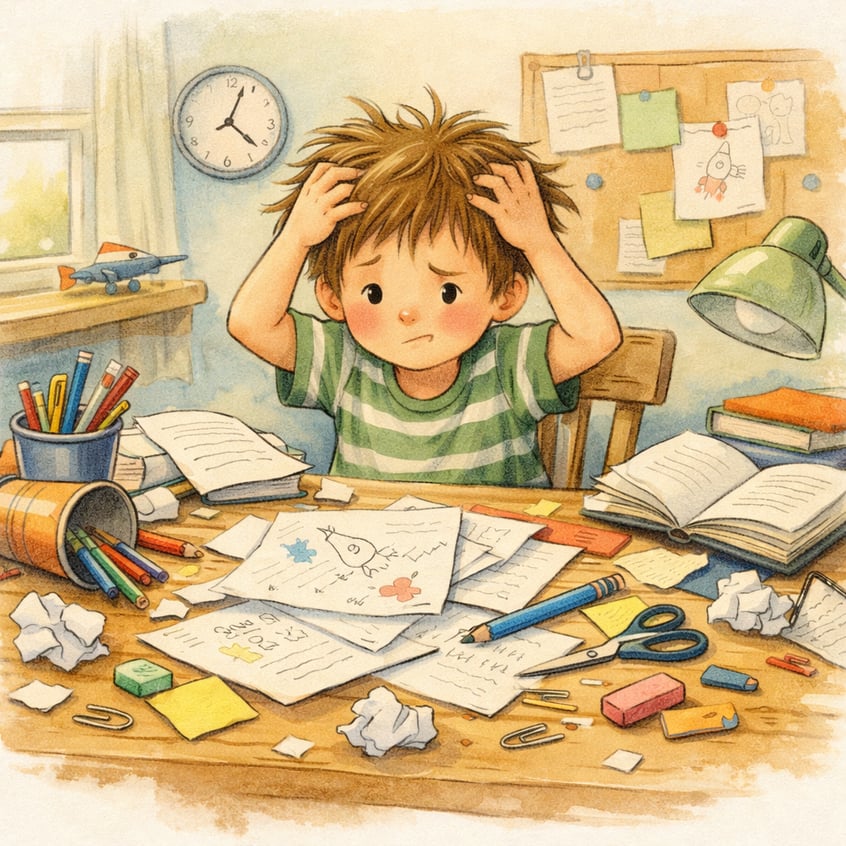
Inattentive ADHD involves trouble focusing, paying attention, and staying organized. People may seem distracted or not listen, even when addressed directly. This can affect daily tasks like schoolwork or chores.
Forgetfulness and disorganization are common signs—frequently losing items, missing appointments, or having a messy workspace. These issues stem from executive function challenges, not laziness.
Other typical behaviours include:
- Making careless mistakes and overlooking details
- Struggling to finish tasks that need sustained effort
- Being easily distracted by thoughts or surroundings
- Avoiding tasks that require long periods of focus, such as reading or paperwork
Hyperactivity and Impulsivity Explained
Hyperactivity-impulsivity involves excessive movement, restlessness, and acting without thinking. These symptoms are often the most visible signs of this hyperactivity disorder, especially in children. Research from the National Institute of Mental Health suggests these behavioours are linked to differences in brain function, particularly in the frontal lobes, which are responsible for self-control.
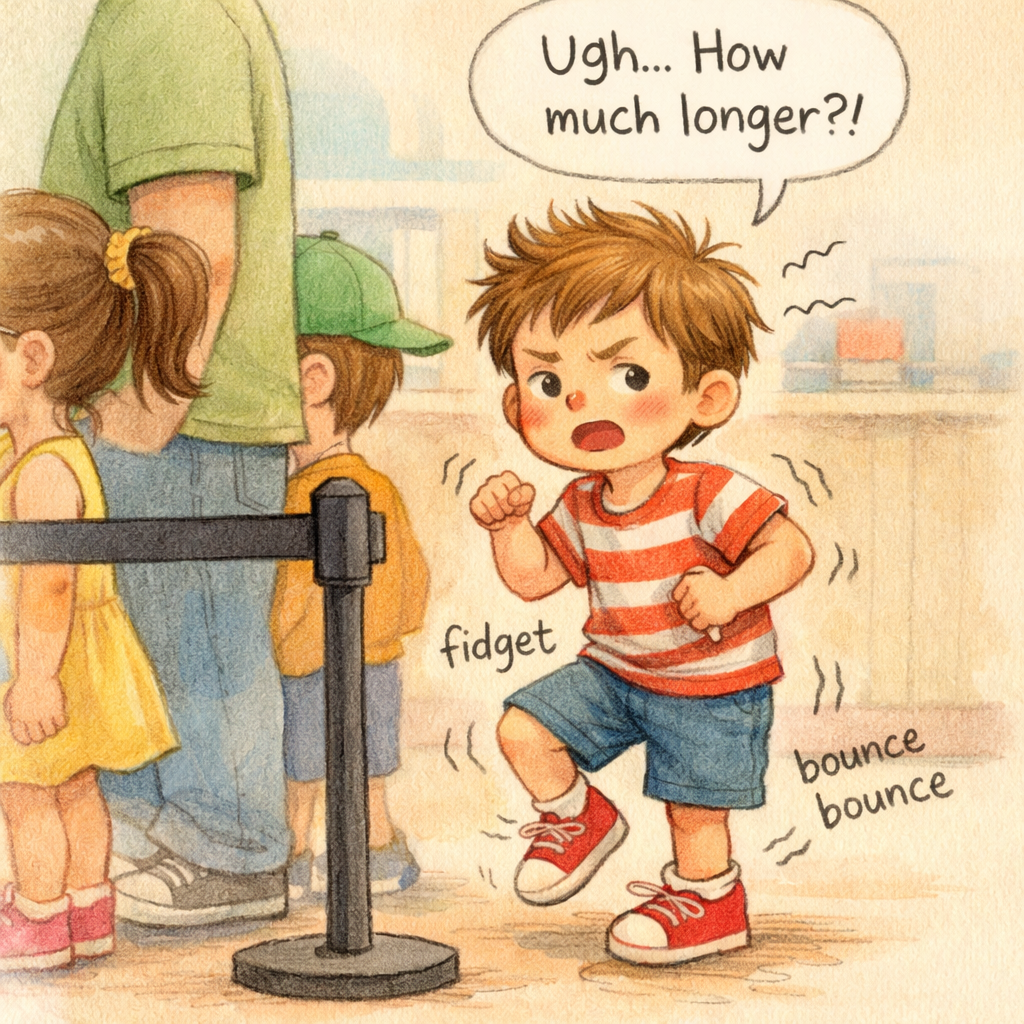
While many children are energetic, those with ADHD display a level of activity that is inappropriate for the situation. They may be 'on the go' constantly, as if driven by a motor, especially seen in early childhood. Impulsive symptoms can manifest as interrupting others, blurting out answers, or having difficulty waiting for their turn. These actions are hasty and occur without considering the consequences.
Some common hyperactive and impulsive behaviours include:
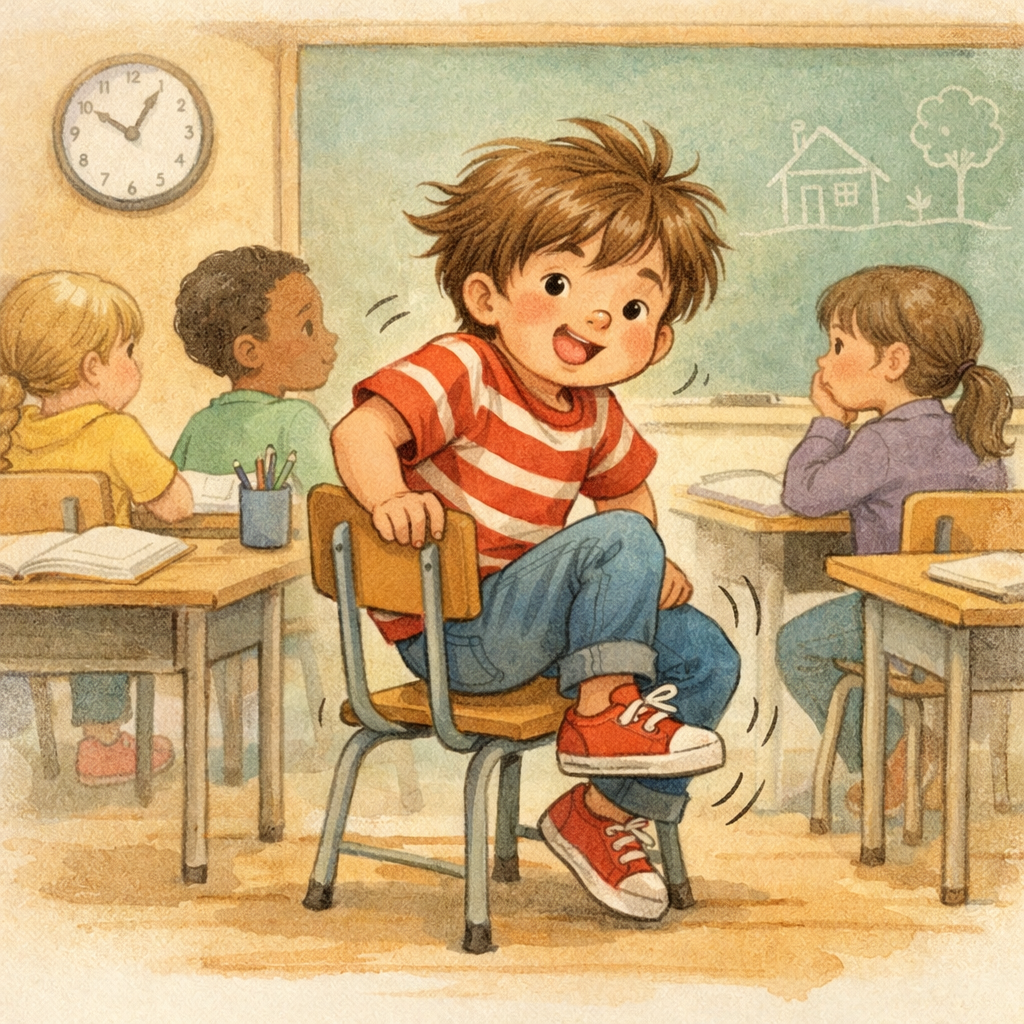
- Fidgeting, tapping hands or feet, or squirming in their seat.
- Talking excessively and interrupting conversations.
- Running or climbing in situations where it is not appropriate.
- Making quick decisions without thinking them through first.
Key Signs of ADHD to Watch For
Beyond the core ADHD symptoms of inattention and hyperactivity, there are potential causes and other important signs to be aware of. These behaviours can significantly impact a person's life and are often what prompt families to seek a diagnosis of ADHD. These signs can affect everything from school performance to emotional well-being.
Parents should look out for consistent patterns of forgetfulness, disorganization, and emotional outbursts. While all children exhibit these behaviours from time to time, according to the fifth edition of the Diagnostic and Statistical Manual of Mental Disorders (DSM-5), their persistence and severity can point to underlying mental health conditions like ADHD. Let's explore these related signs in more detail.
Forgetfulness, Disorganization, and Task Avoidance
Forgetfulness and disorganization are common symptoms of ADHD, especially the inattentive type. These challenges stem from executive functioning difficulties—not carelessness—making it hard to remember daily tasks, manage time, or keep track of belongings, and understanding family history may also provide insights into these symptoms.
People with ADHD may have messy workspaces, often lose important items, miss deadlines, run late, or avoid tasks that require sustained focus. Such behaviours are frequently mistaken for laziness but are genuine signs of ADHD and can be linked to various psychological problems.
Examples include:
- Frequently losing keys or glasses
- Struggling to organize tasks
- Forgetting appointments or errands
- Procrastinating on tasks needing prolonged attention
Emotional Regulation Challenges
Emotional difficulties are a key part of ADHD, affecting both individuals and those around them. People with ADHD may have intense mood swings, low frustration tolerance, and feel easily overwhelmed. These symptoms are sometimes mistaken for mood disorders and can also be linked to personality disorders.
In children, early signs include frequent, intense tantrums over minor issues. Adults may show irritability, impatience, or sudden anger.
Recognizing these emotional challenges as part of ADHD is crucial for effective support. Common struggles include:
- Strong reactions to criticism or perceived slights
- Feeling easily overwhelmed or stressed
- Frequent or intense mood changes
Social and Relationship Difficulties
ADHD symptoms often cause social challenges, especially in children with conditions like autism spectrum disorder. Impulsivity—such as interrupting or trouble waiting turns—can make it difficult to form and maintain friendships. Peers may view children with ADHD as rude or disruptive, leading to rejection.
Unlike typical behaviour, ADHD-related social struggles are more consistent and impactful, often harming relationships. These issues may stem from inattention (missing nonverbal cues) or hyperactivity (being too intrusive).
Behavioural interventions and support groups can help develop social skills and encourage acceptance. Common problems include:
- Interrupting conversations or activities
- Difficulty listening or taking turns
- Saying things impulsively that offend others
Differences in Presentation of ADHD
ADHD doesn't look the same in everyone. The symptoms of this developmental disorder can vary significantly based on a person's age, gender, and the specific type of ADHD they have, including cases where ADHD can be linked to brain injury. What was once known as attention deficit disorder (ADD) is now understood as a form of ADHD, typically the inattentive type.
Understanding these differences is vital for an accurate diagnosis of ADHD, particularly considering factors such as low birth weight. For example, the loud, hyperactive behaviour often associated with young boys is not how the disorder typically presents in girls or adults. Let's look at how symptoms can differ between boys and girls and across the different types of ADHD.
How ADHD Symptoms Differ in Boys vs. Girls
Yes, the symptoms of ADHD, including those related to oppositional defiant disorder, can look very different in boys versus girls, especially in young children. This difference is a major reason why ADHD is diagnosed more frequently in boys. Boys tend to exhibit more externalizing symptoms, such as hyperactivity and impulsivity, which are more disruptive and easily noticeable in a classroom setting.
Girls, on the other hand, are more likely to have the inattentive type of ADHD, which can lead to higher rates of substance use disorders later in life. Their symptoms are often more internal, like daydreaming, being disorganized, or feeling anxious. Because these behaviours are less disruptive, they are often overlooked by parents and teachers, leading to many girls going undiagnosed until later in life. Both genetic factors and environmental factors can play a role in how symptoms present.
|
Symptom Presentation in Boys |
Symptom Presentation in Girls |
|---|---|
|
More likely to show hyperactivity and impulsivity. |
More likely to show inattentiveness. |
|
Physical aggression and disruptive behaviour. |
Verbal aggression and being withdrawn. |
|
Constant motion, fidgeting, and running around. |
Daydreaming, disorganization, and forgetfulness. |
|
Symptoms are external and easily observed. |
Symptoms are internal and less obvious. |
Variation in ADHD Types and Severity
ADHD symptoms vary by type and severity, beyond gender differences. Diagnosis is based on three presentations, and identifying the type helps tailor treatment.
Severity ranges from mild (minor impairments) to severe (major impacts on daily life). For instance, an adult with mild inattentive ADHD may appear forgetful, while severe combined-type ADHD can affect jobs and relationships. Adults may also experience restlessness and low frustration tolerance.
The three main types of ADHD are:
- Predominantly Inattentive: Difficulty focusing, organizing, and completing tasks.
- Predominantly Hyperactive-Impulsive: Mainly hyperactive and impulsive, with less inattention.
- Combined: Features both inattentive and hyperactive-impulsive symptoms.
Conclusion
Recognizing ADHD symptoms is key to understanding and managing its effects, especially for those qualifying for support under the Individuals with Disabilities Education Act. Core symptoms, such as inattentiveness, hyperactivity, and emotional regulation challenges, may appear differently in boys and girls. Acknowledging these differences fosters support and compassion. If you or someone you know shows signs of ADHD, consult a professional for guidance. Prioritize mental health, stay informed, and be proactive—your awareness can make a significant difference.
Reach out for a consultation or call daar at 02 9133 2500 for expert guidance tailored to your child’s needs.
Frequently Asked Questions
Can ADHD symptoms change as you get older?
Yes, ADHD symptoms often change with age. While the development of ADHD and the effects of ADHD begin in childhood, how it looks can evolve. Hyperactivity may decrease and appear as internal restlessness in adults. Inattentive symptoms and impulsivity often persist, leading to challenges with organization and time management, which are common adult ADHD symptoms.
How do I tell if my child’s behaviour is ADHD or just natural activity?
The key difference is persistence and impairment. While many young children are energetic, ADHD behaviours are present across multiple settings (like home and school) and significantly interfere with their social and academic life, which may be further evaluated through clinical trials. A mental health professional uses specific diagnostic criteria to determine if the behaviour is beyond what's typical for their age.
What should you do if you notice signs of ADHD in yourself or someone else?
If you recognize signs of ADHD, the best first step is to seek an evaluation from a healthcare provider for an official ADHD diagnosis. Treatment may include complementary health approaches such as cognitive behavioural therapy, behavioural interventions, medication, and joining support groups. A professional can help create a personalized plan to manage symptoms effectively.
.svg)




.svg)