
.png?width=48&height=48&name=Group%201%20(3).png)
























9 April, 2026

Explore Differentiation Between ADHD and Autism in Toddlers

Key Highlights
Here’s a quick look at what this guide covers:
- ADHD symptoms often involve inattention and hyperactivity, while autism spectrum disorder primarily affects social interaction and behaviour, impacting everyday life.
- Understanding the key differences is crucial for an accurate diagnosis and getting the right support for your child.
- While they are distinct conditions, both can share traits like social challenges and sensory issues, which can make diagnosis tricky.
- It's possible for a toddler to have both ADHD and autism, requiring a specialized and comprehensive support plan.
- Early intervention and tailored treatment options can make a significant difference in a child’s development and overall well-being.
- A comprehensive evaluation from a qualified professional is the best way to determine if your child has ADHD, autism, or both.
Introduction
As a parent, you want the best for your child, and navigating their growth can sometimes bring up questions about their behaviour. When you notice certain challenges, you might wonder about neurodevelopmental disorders like ADHD and autism. These conditions are often confused, but they are distinct. Understanding the differences is the first step toward supporting your child’s mental health, developing new skills, and daily life. This guide will walk you through the symptoms, differences, and overlaps between ADHD and autism, helping you gain clarity and understand how to best help your child.
Typical Symptoms of ADHD in Toddlers
Attention Deficit Hyperactivity Disorder (ADHD) primarily affects attention, impulsivity, and activity levels. Toddlers with ADHD may have trouble focusing, seem constantly on the move, or act without thinking. These impulsive behaviours can present differently in each child and may also meet criteria for other related disorders.
Some toddlers might struggle with following instructions, while others have difficulty sitting still even for short periods. Recognizing these signs is essential for understanding your child’s experience and finding the right support, as highlighted by the National Institute of Mental Health. Let's explore the specific behaviours related to attention, impulsivity, and social challenges.
Attention and Focus Difficulties
One core challenge of ADHD is difficulty with attention. Toddlers with ADHD often struggle to focus on daily routines, especially on tasks they find boring. This isn’t a choice—they have genuine trouble with executive function, which controls attention and focus. You may notice your child jumping from one activity to another without finishing.
They might seem like they aren’t listening or get easily distracted by their surroundings. Even simple tasks like story time or putting away toys can become challenging. Remember, this behaviour is rooted in how their brain works.
Key signs of attention difficulties include:
- Trouble focusing for long periods
- Seeming not to listen when spoken to
- Switching between unfinished tasks
- Losing interest quickly
Impulsivity and Hyperactivity Behaviours
Beyond attention issues, hyperactivity disorder is marked by high energy and impulsive behaviour. In toddlers, this appears as constant motion and difficulty with quiet time, more than typical toddler activity, and often disruptive.
Impulsivity means acting without considering consequences. Children may interrupt, struggle to wait their turn, or engage in risky actions like climbing on furniture due to poor impulse control linked to ADHD.
Common signs of hyperactivity and impulsivity include:
- Constant fidgeting or squirming when seated
- Running or climbing in inappropriate situations
- Excessive talking or interrupting conversations
- Difficulty waiting their turn during games or activities
Social Challenges Unique to ADHD
ADHD affects more than focus—it also creates social challenges and potential side effects. Toddlers with ADHD often want to connect but struggle due to their symptoms. Impulsivity can cause them to interrupt play, have trouble taking turns, or blurt things out, which may alienate peers.
Emotional regulation difficulties can lead to frustration and outbursts during social interactions and hinder the development of essential social skills. Children with ADHD might overreact to minor setbacks, making their behaviour hard for others to understand. These challenges are unintentional but can make it difficult to form and maintain friendships.
Common social challenges in ADHD include:
- Interrupting others during conversations or play
- Struggling with turn-taking and sharing
- Having intense emotional reactions out of proportion to the situation
Typical Symptoms of Autism in Toddlers
Autism Spectrum Disorder (ASD) is a neurodevelopmental condition that primarily affects social communication, interaction, and behaviour from a young age. Unlike ADHD, the core signs of autism revolve around how a toddler perceives and engages with the world. You might notice your child has difficulty with back-and-forth conversation or understanding social cues.
The signs of autism can often be spotted in early childhood, sometimes before a child is two years old. These can include delays in language, social withdrawal, a lack of interest in social interaction, or repetitive behaviours. Let's look closer at the specific traits associated with ASD.
Core Traits of Autism Spectrum Disorder
Autism spectrum disorder is marked by two main traits: difficulty with social communication and repetitive or restricted behaviours. Autistic people experience the world differently, and these traits can vary widely, especially as seen on social media. Many prefer solitary activities, but this isn’t always the case.
Toddlers with autism often have intense, focused interests and may become deeply absorbed in a single topic or activity. They usually thrive on routine and may get upset by small changes—unlike children with ADHD, whose interests shift in a different way more often.
Core traits of autism include:
- Intense, specific interests
- Strong need for routine; distress at changes
- Repetitive movements like hand-flapping or rocking
- Preference for playing alone or unique ways of interacting with peers
Communication and Language Development Differences
Toddlers with autism spectrum disorder often have communication challenges. Some show delayed speech, while others speak on time but use language in unusual ways, such as repeating phrases (echolalia) or speaking in a flat tone.
They may struggle with non-verbal cues like facial expressions, gestures, and body language. For example, they might avoid eye contact or not respond to their name—not out of defiance, but because they process social information differently. They often take language literally and may have trouble understanding jokes or figurative speech.
Common signs include:
- Delayed speech or limited verbal communication
- Repeating words or phrases
- Difficulty understanding non-verbal cues
- Unusual tone of voice
Repetitive Behaviours and Sensory Sensitivities
A key feature of autism is repetitive behaviours and sensory sensitivities. Many autistic toddlers engage in movements like hand-flapping, rocking, or spinning—known as "stimming"—to self-soothe or manage sensory input and prevent sensory overload.
Sensory sensitivities mean a child may be overly or under-responsive to sights, sounds, textures, tastes, or smells. For example, a noisy room might cause overload and trigger a meltdown, while certain clothing can feel unbearable. Some children crave strong sensory input. These sensory issues shape how autistic children experience the world.
Examples include:
- Repetitive movements like rocking or hand-flapping
- Lining up toys instead of playing with them traditionally
- Extreme reactions to certain sounds, lights, or textures
- Strong preferences for specific foods or clothing
Key Differences Between ADHD and Autism in Toddlers
While ADHD and autism share some surface-level similarities, including social difficulties, they are distinct neurodevelopmental disorders. Recognizing the key differences is vital for an accurate diagnosis and providing the right support. ADHD symptoms are primarily related to attention deficit disorder and impulsivity, while the signs of autism center on social communication and repetitive behaviours.
A child with ADHD may struggle with social interaction because of impulsivity, whereas a child with autism may struggle due to difficulty understanding social rules. They may have a hard time with social interaction. Let's examine how patterns in social interaction, behaviour, and language can help distinguish between them.
Comparing Social Interaction Patterns
Toddlers with ADHD and autism face social challenges for different reasons. Children with ADHD usually want to interact but struggle due to impulsivity and poor emotional regulation—they may interrupt, have trouble sharing, or struggle with daily living skills, and be physically overwhelming during play.
In contrast, toddlers with autism may show less interest in social interaction and often have difficulty understanding unspoken social rules. They may avoid eye contact, miss social cues, and talk mainly about their own interests regardless of the listener’s engagement.
|
Feature |
Toddler with ADHD |
Toddler with Autism |
|---|---|---|
|
Social Motivation |
Wants to engage but struggles with impulsivity |
Shows less interest or unsure how to engage |
|
Understanding Cues |
Understands rules but has trouble following them |
Difficulty reading non-verbal cues and unspoken rules |
|
Conversation Style |
May interrupt or switch topics quickly |
May focus on specific interests; struggles with conversational flow |
Contrasting Behavioural Markers Parents Should Note
To distinguish ADHD from autism, parents can observe key behavioural differences:
- Play Style: Children with autism may avoid imaginative play and prefer lining up toys, while those with ADHD are imaginative but often switch games quickly.
- Response to Routine: Autism is marked by a strong need for predictability; changes can cause distress in various social situations. Children with ADHD tend to get bored with routine and seek novelty.
- Repetitive Behaviours: Actions like hand-flapping or rocking suggest autism.
- Interest Patterns: Autism often involves intense, narrow interests.
Recognizing these markers can help guide discussions with professionals about appropriate therapies.
How Language Development Issues Can Help Distinguish Each Condition
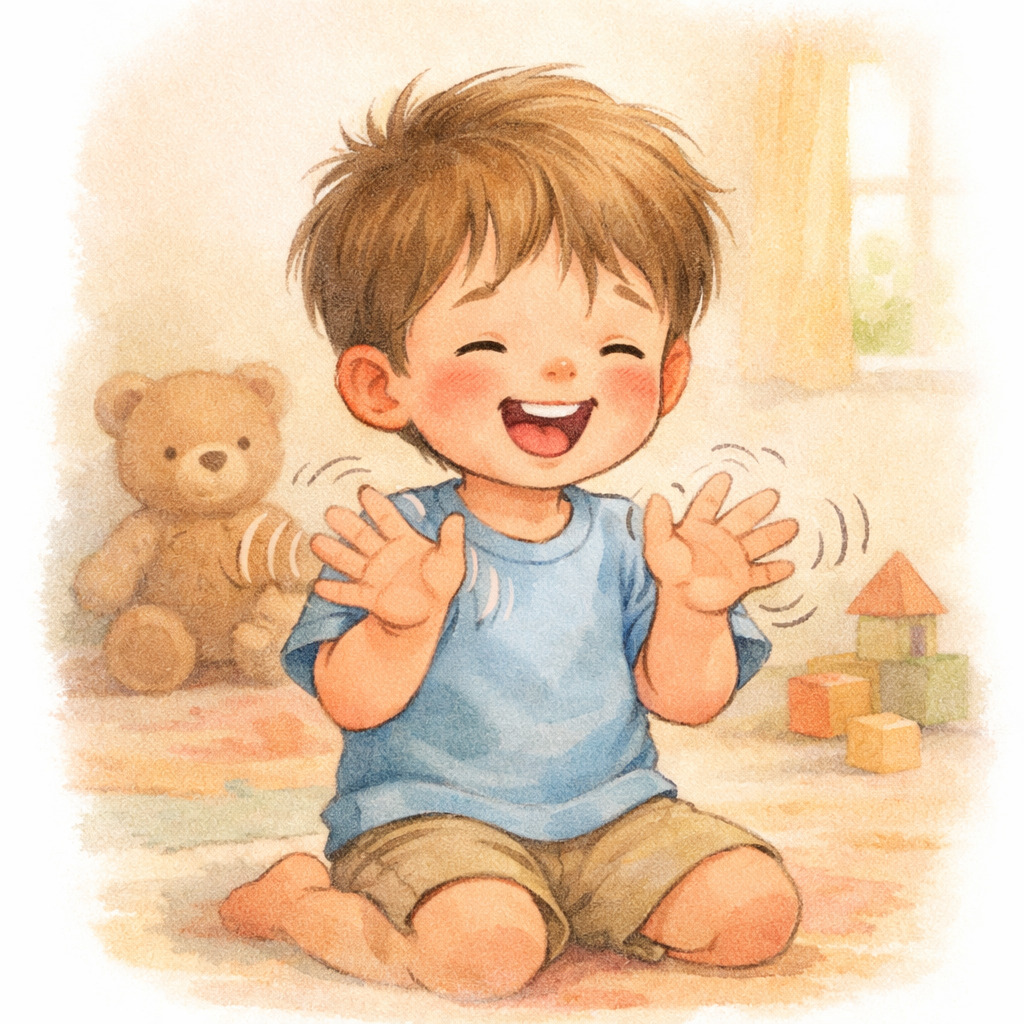
Language and communication skills can help distinguish ADHD from autism. Toddlers with ADHD usually develop language on time but may misuse it—interrupting, talking excessively, or going off-topic due to impulsivity.
In contrast, toddlers with autism may have delayed speech or use language unusually, such as repeating phrases (echolalia) or taking things very literally. They often struggle with the social rules of conversation, reflecting differences in processing social information that go beyond attention issues seen in ADHD, which is typically diagnosed at school age.
Key differences:
- ADHD: Talks excessively, interrupts, has trouble with turn-taking.
- Autism: May have delayed speech, use repetitive language, or struggle with conversational give-and-take.
Conclusion
In conclusion, understanding the differences between ADHD and autism in toddlers is essential for parents navigating these complex conditions. By recognizing the unique symptoms and behaviours associated with each, including the importance of occupational therapy, you can better support your child's development and seek the appropriate resources. It's crucial to stay informed and observant, as early intervention can make a significant difference in your child's life.
If you have concerns about your toddler's behaviour or development, don’t hesitate to reach out for consultation or call daar at 02 9133 2500 for professional guidance.
Frequently Asked Questions
Can a toddler have both ADHD and autism at the same time?
Yes, a toddler can have both attention deficit hyperactivity disorder and autism spectrum disorder. This is known as co-occurrence, and it's quite common. When a child meets the diagnostic criteria for both neurodevelopmental disorders, their treatment plan will need to be tailored to address both sets of unique challenges.
What screening tools help differentiate ADHD from autism in young children?
Professionals use various screening tools for a thorough assessment. These include detailed parent interviews, behavioural rating scales, and direct observation. For autism, tools like the ADOS-2 are used. For ADHD, scales like the Conners or Vanderbilt are common, assisting in an ADHD diagnosis. A mental health professional uses these to meet diagnostic criteria.
What should parents look for to tell if their toddler’s symptoms are more like ADHD or autism?
Parents should observe patterns in social interaction, play, and response to routine. Signs of autism often include a strong need for sameness and challenges with non-verbal cues. Signs of ADHD are more about impulsivity and inattention. The parent training element is essential in behaviour therapy, as noting these differences can help guide discussions about early intervention and behaviour therapy.
.svg)




.svg)