
.png?width=48&height=48&name=Group%201%20(3).png)























30 June, 2026

Stuttering: Early Signs and When to Seek Help
Key Highlights
- Stuttering is one of several speech disorders and communication disorders a speech therapist can assess and treat.
- In young children, early signs often appear during fast growth in language skills and fluency.
- Common clues include repeated sounds, repeated syllables, blocks, and visible tension while speaking.
- Speech pathology support can help children and adults build smoother speech and stronger confidence.
- Early help matters most when stuttering lasts months, causes struggle behaviours, or affects daily communication.
- Speech therapy can also support other fluency disorders, language problems, articulation, and related needs.
Introduction
A stutter can be worrying to hear, especially when your child is just starting to talk more. Still, not every speech disruption means a lasting problem. Stuttering is one of several speech disorders and communication disorders that can affect fluency, confidence, and everyday interaction. The good news is that speech therapy can help, and a speech pathologist can work out whether the pattern is part of normal development or a sign that extra support is needed.
Common Early Signs of Stuttering in Children
Many parents first notice stuttering when a child’s speech suddenly seems uneven. You may hear repeated speech sounds, repeated words, or stretched-out sounds. Some children also stop mid-sentence, as if the word will not come out.
This often shows up during a busy stage of language development in young children. While some bumps in speech are common, ongoing disruptions can point to fluency disorders rather than a simple delay. If your child’s speech is becoming harder to follow or more tense, it is worth watching closely. The next signs can help you decide what to look for.
Audible and Physical Signs to Watch For
Pay close attention to your child's daily speech. Stuttering is more than occasional hesitation—it may include repeated sounds or syllables, prolonged sounds, or silent blocks where your child struggles to speak.
Watch for:
- Repeating sounds, syllables, or words at the start
- Stretching out sounds
- Pauses or blocks that break up speech
- Extra movements like eye blinking or lip tension
These patterns help a speech therapist assess your child. They listen to how speech is produced, when stuttering occurs, and if there are physical struggle signs. This complete view helps distinguish normal disfluency from a speech disorder that may need support.
Behavioural and Emotional Indicators
Stuttering affects more than speech—it can lead children to avoid talking, abandon sentences, or become upset when misunderstood. Over time, this may limit participation at home, school, and with friends.
Watch for signs like:
- Frustration or embarrassment when speaking
- Avoiding certain words or situations
- Difficulty joining conversations or playing
- Concerns from adults
These behaviours matter because communication issues can impact a child’s confidence and well-being. If stuttering causes stress, seeking help is wise. A speech pathologist can assess language development and related concerns, such as ADHD, if already identified by health professionals. Next, it’s helpful to understand why stuttering occurs.
Causes of Stuttering in Children and Adults
There is no single cause of stuttering. Researchers describe it as a complex issue linked to multiple factors. In children, developmental stuttering is the most common form and often appears while speech and language are still developing.
In adults, stuttering can also appear after brain injury, stroke, or other neurological factors that affect speech coordination. Family history matters too, which suggests a genetic link in some cases. It is also important not to confuse stuttering with an articulation disorder, since the two affect speech in different ways. A closer look at the main causes makes this clearer.
Genetic, Neurological, and Environmental Factors
Current evidence suggests stuttering arises from multiple factors, not a single cause. Genetics play a role—variants and mutations are linked to some cases, and stuttering often runs in families. Brain studies reveal differences in those who stutter, including altered activity and coordination in speech areas. Acquired brain injuries, such as from stroke or head trauma, can also lead to stuttering. While environmental factors alone don't cause stuttering, daily speaking demands may interact with a child's developing speech skills.
|
Factor |
What it may involve |
|---|---|
|
Genetic factors |
Family history; specific variants and mutations associated with some cases |
|
Neurological factors |
Differences in brain activity and speech system coordination, especially left hemisphere networks |
|
Acquired injury |
Brain damage from stroke or head injury disrupting fluent speech |
|
Environmental factors |
Daily speaking demands and communication pressure interacting with developing abilities |
Developmental Stuttering vs. Acquired Stuttering
Developmental stuttering begins in young children as they learn to speak and is the most common type. Some children outgrow it, while others continue to stutter into later years. Early support can lower the risk of long-term stuttering.
Acquired stuttering develops after speech has already been established. Neurogenic stuttering may follow a head injury, stroke, or other nervous system disorders that disrupt speech coordination.
Psychogenic stuttering is rare and now understood not to be simply caused by emotional trauma. Regardless of type, speech therapy helps by identifying patterns, setting goals, and teaching strategies for smoother communication.
When to Seek Help from a Speech Pathologist
You do not need to wait until speech becomes severe before asking for help. Many health professionals recommend an evaluation if stuttering lasts 3 to 6 months, if struggle behaviours appear, or if there is a family history of stuttering or related communication disorders.
Parents may also seek speech pathology services when teachers, caregivers, or medical professionals raise concerns. A referral can help, but families often act first because they notice daily changes in speech. Knowing the right time to reach out can make the next step feel much easier.
Recognising the Right Time for Speech Therapy
Sometimes the need for help is obvious; other times, it develops slowly. If you’re worried about your child’s speech compared to peers, trust your instincts—early support matters. Some children may need ongoing speech therapy depending on their needs.
Consider speech pathology if:
- Stuttering lasts 3–6 months or more
- Your child shows tension, blinking, or struggles to speak
- There’s a family history of stuttering or language issues
- A teacher, doctor, or caregiver suggests an evaluation
Watch for signs like difficulty being understood, frustration, or avoiding speaking—these can signal more than a temporary delay. If you seek help, understanding the assessment process is helpful.
What to Expect During a Professional Assessment
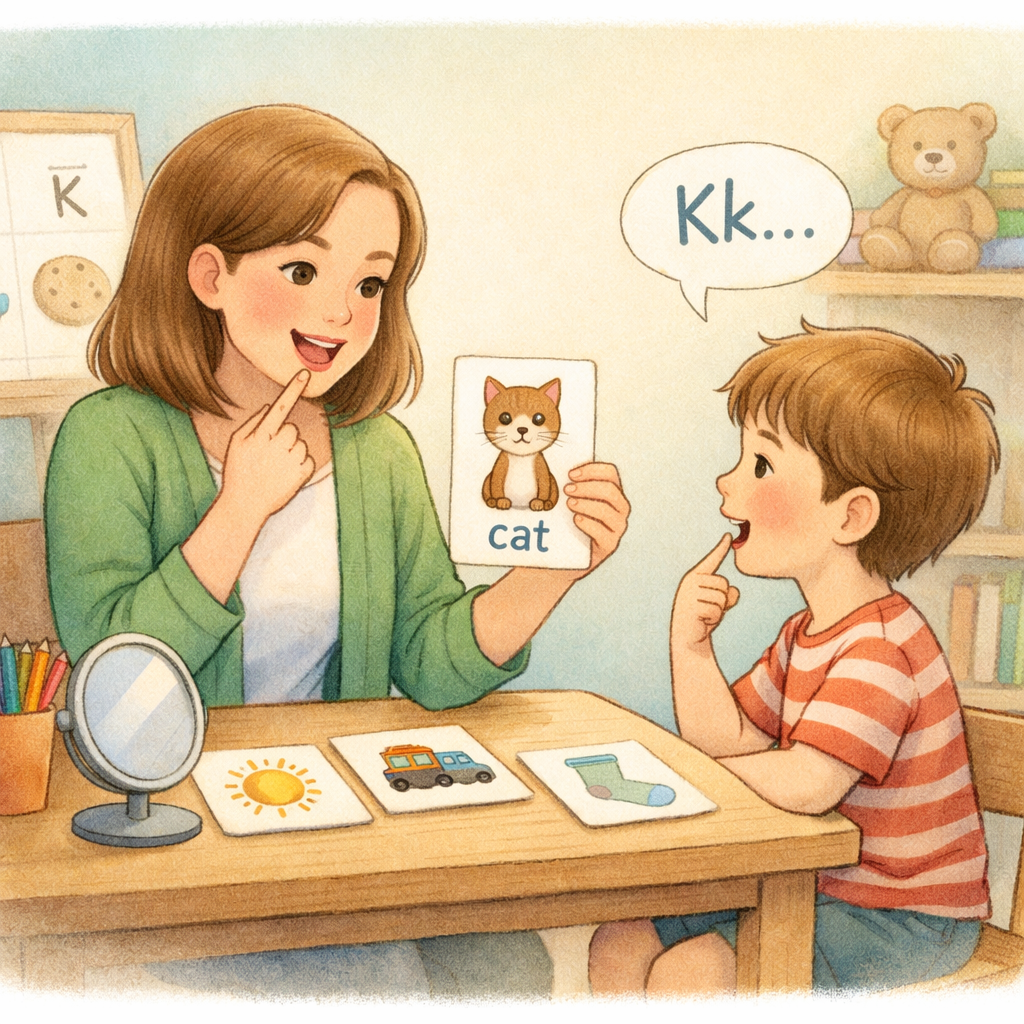
A professional assessment is thorough yet child-friendly. A speech therapist begins by asking about case history—when the stutter started, triggers, and any family history.
The clinician then listens to the child’s speech, analysing stuttering patterns, language abilities, and impact on daily life. For young children, the question is whether the stutter may fade or persist, especially if it has lasted over six months.
Additional checks, such as hearing tests, may be recommended if broader communication issues are present. The aim is not just diagnosis but understanding your child’s needs to create an effective treatment plan.
Conclusion
In conclusion, recognising early signs of stuttering can greatly benefit those affected. By spotting common indicators and understanding potential causes, parents and caregivers can seek help promptly. Consulting a qualified speech pathologist is vital for an effective, personalised intervention plan. Early action leads to better outcomes, so address concerns as soon as they arise. If you suspect someone is struggling with stuttering, seek professional guidance—your support could make all the difference.
If you’re considering, reach out for a consultation or call daar at 02 9133 2500 for expert guidance tailored to your child’s needs.
Frequently Asked Questions
What conditions can a speech pathologist treat besides stuttering?
A speech pathologist can help with many communication needs beyond stuttering, including other fluency disorders, articulation disorder, aphasia, language disorders, literacy challenges such as dyslexia, and problems with understanding or expressing language. Some also support feeding, swallowing, social communication, and cognitive-communication difficulties.
Is speech therapy covered by the NDIS in Australia?
In Australia, speech therapy may be covered by the NDIS when it matches a person’s goals and support needs. Speech pathology services are often funded under Capacity Building Supports for Improved Daily Living. Coverage depends on the individual plan, so families should check their approved health services and funding details.
How do I find a qualified speech pathologist in Australia?
You can find a speech pathologist in Australia through a GP or pediatrician referral, local clinics, or registered providers offering speech pathology services. It also helps to ask teachers, caregivers, and other health professionals for guidance. Look for providers with experience in the specific communication concern you are facing.
.svg)




.svg)