
.png?width=48&height=48&name=Group%201%20(3).png)























13 February, 2026

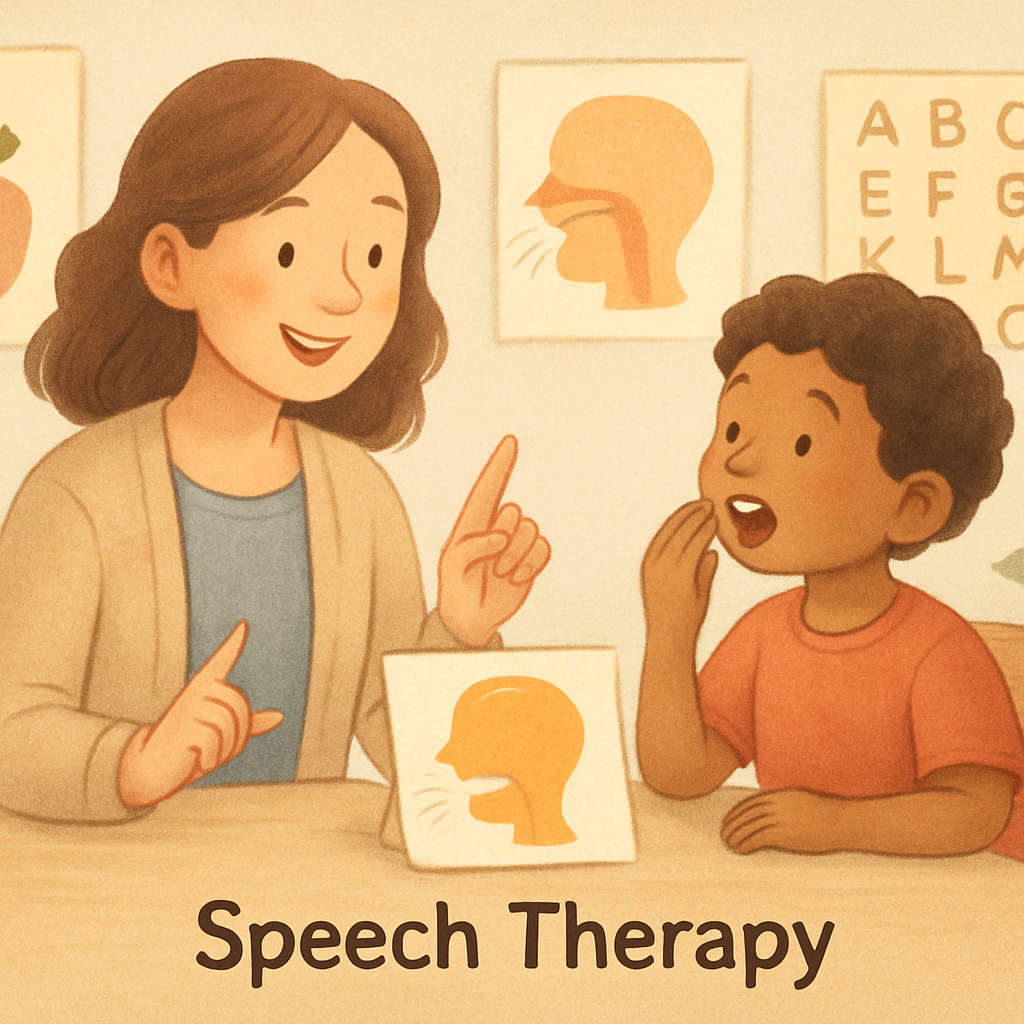
The Pediatric Speech Therapist: Partners in Your Child’s Communication Journey
"Mama." "Dada." "Ball."
These first words are among the most anticipated milestones in a parent’s life. They signal the beginning of a conversation that will last a lifetime. But for many families, this milestone is delayed, or the words come out jumbled, or the frustration of not being understood leads to tears and tantrums.
If you are watching your child struggle to communicate, you are not alone. Speech and language delays are among the most common developmental challenges facing young children today. The good news is that help is available, and it comes in the form of a pediatric speech therapist.
More than just "teaching kids to talk," these professionals are architects of connection. They build the bridges that allow children to express their needs, share their thoughts, and navigate the social world.
In this guide, we will explore what a speech therapist actually does, demystify the speech therapy process, and show you how early intervention can change the trajectory of your child’s life.
What is a Pediatric Speech Therapist?
A pediatric speech therapist, formally known as a Speech-Language Pathologist (SLP), is a highly trained clinician specializing in communication disorders in children.
While they are experts in articulation (how sounds are made), their scope of practice is much broader. They treat the "whole" of communication, including:
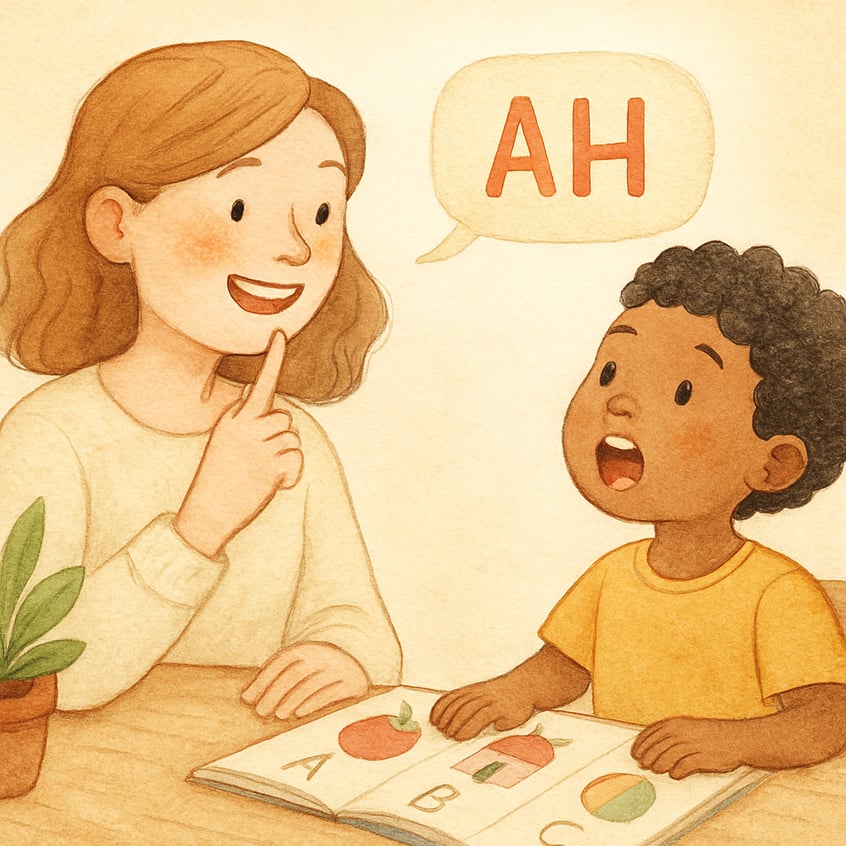
- Speech Sounds: Helping children pronounce words clearly so they can be understood.
- Language: Helping children understand what is said to them (receptive language) and put words together to express ideas (expressive language).
- Social Communication: Teaching the "rules" of conversation, like taking turns and making eye contact.
- Fluency: Treating stuttering and cluttering.
- Feeding and Swallowing: Surprisingly, SLPs also help infants and children who struggle with chewing or swallowing safely.
Signs Your Child Might Need Support
"Wait and see" is common advice, but in the world of speech development, earlier is almost always better. A pediatric speech therapist can evaluate children as young as 12 to 18 months.
You might consider seeking an evaluation if your child:
- By 12 Months: Isn't babbling, pointing, or waving bye-bye.
- By 18 Months: Prefers gestures over vocalizations or has trouble imitating sounds.
- By 2 Years: Has a vocabulary of fewer than 50 words or isn't putting two words together ("More juice").
- By 3 Years: Is difficult for strangers to understand (intelligibility issues).
- Any Age: Stutters consistently for more than six months or seems frustrated by their inability to talk.
What Happens in Speech Therapy?
The idea of "therapy" can sound clinical and intimidating, especially for a toddler. However, speech therapy for children is designed to be the exact opposite. It is often loud, messy, and incredibly fun.
The Assessment
The journey begins with an evaluation. The speech therapist will observe your child playing, ask you questions about their history, and use standardized tests to see how their skills compare to other children their age. This creates a roadmap for treatment.
Play-Based Learning
For young children, play is learning. A session might look like:
- Blowing Bubbles: To strengthen mouth muscles and practice the "b" and "p" sounds.
- Playing Shop: To practice social greetings and vocabulary like "apple," "money," and "please."
- Obstacle Courses: To pair movement with language concepts like "over," "under," and "through."
The goal is to make the work feel like play, so the child is motivated to participate.
Parent Coaching
A crucial part of the process is coaching you. A pediatric speech therapist spends only an hour a week with your child; you spend the rest of the time. They will teach you strategies to use during bath time, mealtime, and car rides to reinforce the skills learned in the clinic.
The Benefits Beyond Words
The impact of working with a speech therapist extends far beyond just fixing a lisp or learning new words.
1. Reduced Frustration
Behavior is communication. When a child cannot say "I'm hungry" or "My tag itches," they often scream or hit. By giving them a way to communicate—whether through words, signs, or pictures—speech therapy often drastically reduces tantrums.
2. Academic Readiness
There is a strong link between spoken language and literacy. Children who struggle to articulate sounds often struggle to decode them when learning to read (phonics). Early intervention lays the foundation for reading and writing success.
3. Social Confidence
The Playground runs on communication. A child who can ask to join a game, negotiate rules, and tell a joke is a child who can make friends. Therapy builds the confidence needed to navigate social circles.
Finding the Right Fit
Not all therapists are the same. When looking for a pediatric speech therapist, consider:
- Specialization: Does your child have specific needs like Autism, Apraxia, or a stutter? Look for an SLP with experience in that area.
- Rapport: The relationship is everything. Your child should feel safe and happy with the therapist.
- Parent Involvement: Look for a therapist who invites you into the process and values your input.
Conclusion
Your child has a unique voice, a unique personality, and a unique story to tell. Sometimes, they just need a little help finding the words to tell it.
A pediatric speech therapist is more than a clinician; they are a partner in unlocking your child’s potential. By investing in speech therapy, you are giving your child the tools to connect with you, with their friends, and with the world.
If you have concerns about your child’s speech or language development, don't wait. Our team of certified, compassionate pediatric speech therapists is here to help your child thrive.
Contact us today to schedule a consultation or call daar at 02 9133 2500 to take the first step toward confident communication.
FAQ: Common Questions for Parents
1. How long does speech therapy take?
There is no magic number. It depends on the severity of the delay, the child's age, and consistency of practice at home. Some articulation issues can be fixed in a few months; complex language disorders may require support for several years.
2. Do I need a referral from a doctor?
In many cases, yes, especially if you are using health insurance. However, you can often call a private clinic directly to schedule an evaluation. In the US, you can also self-refer to your local Early Intervention program (for children under 3) or public school district (for children over 3).
3. Can’t I just help them at home?
You are a vital part of the team, but a speech therapist has the clinical training to identify why the breakdown is happening. They can teach you specific techniques that are much more effective than general "practice."
4. Is my child too young?
Rarely. Pediatric speech therapists work with infants on feeding and pre-linguistic skills (like eye contact). If you are concerned, an evaluation can provide peace of mind or a head start.
5. Will using sign language delay their speech?
No. Research consistently shows that using sign language or picture boards (AAC) actually bridges the gap to verbal speech. It reduces pressure and frustration, often leading to spoken words sooner.
.svg)




.svg)