
.png?width=48&height=48&name=Group%201%20(3).png)























3 February, 2026

Behavioural Therapy for Autism: Key Approaches Explained

Introduction
If you are looking for ways to support a child with autism spectrum disorder, you have likely heard about behavioural therapy. This therapeutic approach is a cornerstone of autism intervention, designed to help children learn new skills and reduce behaviours that interfere with daily life. By focusing on positive changes, behavioural therapy can unlock a child's potential, leading to significant improvements in communication, social interaction, and independence, ultimately enhancing their quality of life.
Key Highlights
- Behavioural therapy is a key intervention for individuals on the autism spectrum, aiming to improve their quality of life.
- Applied behaviour analysis (ABA) is a widely used approach that uses positive reinforcement to encourage desired behaviours.
- Early intervention through behavioural therapy can significantly help a child develop new skills and manage daily challenges.
- Therapies focus on enhancing communication, social skills, and independence.
- A collaborative approach involving therapists, families, and educators creates a supportive environment for the child.
- Personalized strategies help address unique support needs and foster overall wellbeing.
Behavioural Management Therapies: Approaches and Strategies
Behavioural management therapies provide structured support for children with autism. Approaches like positive behaviour support (PBS) focus on understanding the reasons behind challenging behaviours and teaching better ways to communicate needs. Trained practitioners develop personalized plans to address these behaviours.
The aim is not only to manage challenges but also to empower your child. Tailored strategies promote growth, reduce problematic behaviours, and teach essential life skills, fostering greater independence.
Positive Behaviour Support (PBS) in Autism Interventions
Positive behaviour support (PBS) is a person-centered approach used in autism interventions. It goes beyond simply addressing behaviour; it seeks to understand the reasons behind a person's actions and improve their overall quality of life. This method is based on evidence and values, focusing on respecting the individual's rights and dignity.While PBS shares some similarities with other intervention models, it's helpful to distinguish between commonly used approaches such as ABA and cognitive behavioural therapy (CBT) for autism. Applied Behaviour Analysis (ABA) focuses on teaching specific skills and reducing challenging behaviours through reinforcement techniques, while cognitive behavioural therapy (CBT) emphasizes changing unhelpful thoughts and emotional responses to improve behaviour. Unlike ABA and CBT, PBS prioritizes understanding the function of behaviour and creating supportive environments tailored to the individual's needs.
A core component of PBS is the creation of a behaviour support plan. This plan outlines specific strategies to meet a person's support needs. It might include teaching new communication skills, making changes to the environment to prevent triggers, and providing clear guidance to family members and support workers. The aim is to make challenging behaviours unnecessary by offering better alternatives.
By focusing on positive behaviour, PBS helps create a more encouraging and supportive atmosphere for individuals on the autism spectrum. It’s a collaborative effort that involves the person, their family, and professionals working together to foster long-term positive change and independence.
Behavioural Therapy for ADHD and Co-occurring Conditions
Behavioural therapy benefits not only children with autism but also those with co-occurring conditions like ADHD. Many on the autism spectrum face challenges with focus, energy, or anxiety. A comprehensive behaviour support plan can address these overlapping needs.
Therapists assess how these conditions interact and affect daily life. For example, a child with both autism and ADHD may struggle with emotional regulation and social cues. Therapy provides coping strategies to manage frustration and improve interactions, supporting holistic development.
By tailoring interventions, therapists help children build skills for different settings—managing schoolwork, participating in family activities, and forming friendships—to support overall well-being.
Behavioural Therapy Sessions: What Parents Can Expect
When your child begins behavioural therapy, you can expect sessions to be held in a structured environment designed for learning. Therapists use techniques like positive reinforcement, rewarding desired behaviours to motivate your child. The activities are tailored to teach essential life skills, from communication to daily routines.
A key part of the process involves ongoing evaluation of your child’s progress. The therapist, an expert in behaviour analysis, will track improvements and adjust the plan as needed. You will often be encouraged to participate, learning strategies to support your child's development at home, and ensure consistency between sessions and daily life.
Assessment Process, Goal Setting, and Progress Monitoring
Effective behavioural therapy begins with a thorough assessment. The therapist evaluates your child's strengths, needs, and the causes of challenging behaviours to develop a personalized plan. This helps identify skills to target, such as social communication or emotional regulation.
After the assessment, you and the therapist set clear, measurable goals. These are broken into manageable steps to support your child’s progress.
- Assessment: Identifying challenges in communication, social skills, and daily living.
- Goal Setting: Creating specific, achievable objectives.
- Progress Monitoring: Tracking improvements and adjusting strategies as needed.
Therapists regularly monitor progress and adjust the approach to ensure therapy stays effective and meets your child’s changing needs.
Collaboration Between Therapists, Families, and Educators
A strong partnership between therapists, family, and educators is essential for your child's success. Consistent support across clinic, home, and school reinforces therapy strategies throughout the day.
Parent training is a key part of behavioural therapy. Therapists teach you tools and techniques to manage behaviours and encourage positive skills in daily life. This involvement empowers you to support your child’s growth.
Open communication is crucial. Regular meetings help everyone share observations, celebrate progress, and solve problems together. This teamwork makes the therapy plan more effective, improving outcomes and quality of life for your child.
Effectiveness and Evidence for Behavioural Therapy in Autism Treatment
There is a significant amount of evidence supporting the effectiveness of behavioural therapy for individuals on the autism spectrum. Research shows that these approaches can lead to meaningful improvements in communication, social skills, and daily functioning. They are widely accepted by healthcare professionals and educators as a primary treatment.
The success of behavioural therapy lies in its structured and personalized nature. By focusing on specific goals and consistently measuring progress, these interventions produce positive outcomes. This evidence-based practice helps improve the overall quality of life for both the child and their family, providing hope and a path toward greater independence.
Outcomes for Communication, Social Skills, and Independence
Behavioural therapy aims to improve communication and social skills in children, helping them express needs and reduce frustration through methods like verbal language, gestures, or PECS. Therapy also enhances social interactions by teaching children to understand cues, share, and form friendships, boosting confidence and participation in school and community life.
Ultimately, these therapies promote independence by teaching essential life skills—from dressing to emotional regulation—so children can navigate daily life more self-sufficiently.
|
Skill Area |
Potential Outcomes |
|---|---|
|
Communication |
Better expression of needs; improved language understanding |
|
Social Skills |
Stronger peer interactions; better grasp of social cues |
|
Independence |
Greater self-sufficiency; improved emotional control |
Research Evidence and Current Best Practices in Australia
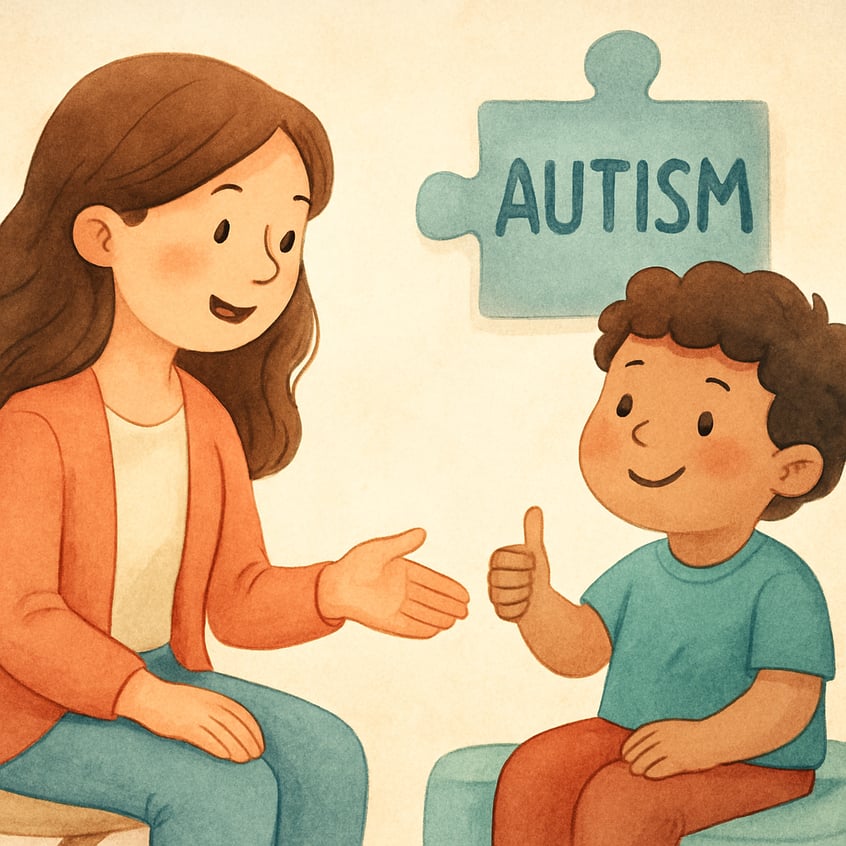
In Australia, behavioural therapy is a leading evidence-based treatment for autism, backed by research showing its effectiveness in building essential skills. Best practices focus on person-centered planning, tailoring therapy to each individual's needs and goals.
The National Disability Insurance Scheme (NDIS) often funds these supports, giving families access to high-quality therapy from registered providers. The NDIS promotes choice and control, letting participants select services that fit their needs and help them achieve personal goals.
Providers are expected to follow guidelines that emphasize positive, rights-based approaches. The aim is to improve the quality of life and minimize restrictive practices, in line with the Positive Behaviour Support Capability Framework. This ensures interventions are both effective and ethical.
Conclusion
Behavioural therapy provides a structured approach to help individuals with autism improve communication, social skills, and independence. Understanding different therapy methods allows parents to make informed choices for their child’s needs. Collaboration among therapists, families, and educators is key to positive outcomes. For guidance, consult professionals who can tailor support to your situation. Every step toward understanding and support makes a meaningful difference in navigating autism.
Book a consultation or call daar at 02 9133 2500 for expert guidance tailored to your child’s needs.
Frequently Asked Questions
How is behavioural therapy funded through the NDIS in Australia?
In Australia, behavioural therapy can be funded through the National Disability Insurance Scheme (NDIS). If the therapy is considered reasonable and necessary to help an NDIS participant achieve their goals, it may be included in their plan. Funding typically falls under categories like 'Improved Relationships' for behaviour support.
Are there any criticisms or controversies around ABA for autism?
Some criticisms of Applied Behaviour Analysis (ABA) have focused on historical methods that were overly rigid. Concerns have also been raised about any intervention that could be seen as a restrictive practice, limiting a person's freedom of movement. Modern best practices, guided by a qualified behaviour support practitioner, emphasize positive, person-centered approaches.
How do parents choose the most suitable behavioural therapy for their child?
Choosing the right behavioural therapy involves considering your child’s specific skills and needs. Look for a provider who values a collaborative approach and offers parent training. It's important to find a supportive environment where you can monitor your child’s progress and ensure the therapy is a good fit for your family.
.svg)




.svg)