
.png?width=48&height=48&name=Group%201%20(3).png)
























2 April, 2026

Excessive Gadget Habits: How to Break Free
Key Highlights
Here’s a quick look at what this article covers:
- Recognizing the signs of too much screen time is the first step toward addressing excessive gadget habits.
- Excessive screen time can have negative effects on mental health and child development.
- Understanding the psychological reasons behind social media use helps in finding effective solutions.
- Families play a crucial role in preventing gadget addiction by setting screen time limits.
- Encouraging physical activity and other hobbies can reduce reliance on digital devices.
- Behavioral therapies offer structured support for overcoming excessive gadget use.
Introduction
In today's digital world, gadgets are everywhere. While digital media offers benefits, excessive screen time can pose risks to child development. Are you worried about how much time your child spends on their devices? You're not alone. Many parents are concerned about the impact on mental health, social skills, and overall well-being. This guide will help you understand the signs of gadget addiction, the reasons behind it, and practical steps you can take to help your child break free and find a healthier balance.
Recognizing Signs of Gadget Addiction
Figuring out if your child has a problem with electronic devices can be tricky. It's not just about how much screen time they get; it's also about how it affects their life. When screen media use starts to cause behavioral problems or other negative effects, it might be a sign of a deeper issue.
Paying attention to changes in your child's daily habits and moods is essential. Do they get anxious or irritable when they can't use their gadgets? Recognizing these patterns early can help you address the problem before it escalates. The following sections will detail specific warning signs to watch for.
Common Warning Signs in Children and Adolescents
For both young children and adolescents, certain behaviors can signal a problematic relationship with media use. It's important to observe how your child interacts with their devices and the world around them. Ignoring these signs could lead to impacts on your child's health and could even point toward behavioral disorders.
Some common warning signs include:
- Spending more time on devices than intended.
- Experiencing sleep disruption due to late-night gadget use.
- Neglecting responsibilities in favor of screen time.
- Becoming withdrawn from family and real-life friends.
If you notice these behaviors, it might be time to re-evaluate screen time limits. Constant preoccupation with gadgets can indicate a dependency that needs to be addressed. Remember, recognizing the problem is the first move toward finding a solution.
Changes in Mood and Behavior
Have you noticed your child becoming more irritable, anxious, or sad? Significant mood changes can be linked to spending too much time on gadgets. These behavioral problems can affect their mental health and emotional development. When a child relies on devices for entertainment or escape, they may struggle to cope with real-world challenges.
This dependency can sometimes create a cycle. For instance, a child might use a gadget to escape feelings of anxiety, but prolonged use can worsen those same feelings. Some studies even suggest a link between excessive screen time and conditions like hyperactivity disorder, where children struggle with self-control and focus.
If your child's mood swings seem to revolve around their access to devices, it's a clear signal. Observing these patterns helps you understand the depth of the issue and why it’s important to manage how much time they spend on screens.
School Performance and Social Withdrawal
A noticeable dip in school performance can be one of the most concrete negative effects of excessive screen use. When a child prioritizes gadgets over homework or studying, their grades can suffer. This shift in priorities often happens gradually, making it important for parents to stay involved and monitor academic progress.
Beyond academics, you might also see a decline in their social skills. Children who spend most of their time online may have fewer opportunities for face-to-face social interaction, which is crucial for development. This can lead to:
- Difficulty making or keeping friends.
- Avoiding social gatherings or family activities.
- Preferring virtual communication over in-person conversations.
This withdrawal can make them feel isolated, even when they're digitally connected. Encouraging a balance between online and offline activities is key to fostering healthy social development and preventing these negative effects.
Identifying Hidden Gadget Habits
Sometimes, a child's gadget habits aren't obvious. They might be using their mobile phones or other devices secretly, especially if they know you disapprove. This hidden internet use can be a sign that their use of technology has become compulsive. They might be trying to hide the true amount of time they spend in the digital world.
To identify hidden habits, look for clues. Does your child stay up late, presumably using a device under the covers? Are they defensive or secretive about their screen media activities? These behaviors suggest they might be struggling to control their usage. Be aware of these signs:
- Using devices at odd hours, like late at night or early in the morning.
- Becoming angry or defensive when you ask about their device use.
- Lying about the amount of time they spend on screens.
Discovering these hidden behaviors can be concerning, but it’s an opportunity to open a conversation about healthy technology habits and trust.
Psychological Factors Behind Excessive Gadget Use
Understanding why your child is spending so much time on gadgets is key to helping them. Often, it's not just about the allure of the screen itself. Psychological factors like stress, peer influence, and a need for escapism play a significant role. For many young people, social media and online games offer a way to connect with others or cope with difficult emotions.
Certain mental health conditions can also contribute to excessive use. By exploring the underlying reasons, you can address the root cause of the behavior rather than just the symptom. Let's explore some of these psychological drivers in more detail.
Stress and Escapism
For many children and teens, gadgets offer an escape from real-world pressures. Whether it's stress from school, social situations, or family issues, diving into screen activities can feel like a welcome distraction. This form of escapism provides temporary relief, but it doesn't solve the underlying problems and can have negative effects on mental health.
When a child consistently turns to a device to cope with stress, they may not develop healthier coping mechanisms. This reliance can hinder their emotional development, as they learn to avoid difficult feelings rather than process them. The instant gratification from games or social media can be particularly appealing when life feels overwhelming.
Over time, this pattern can create a cycle where stress leads to more screen time, which in turn can lead to more stress if it causes them to neglect responsibilities. Recognizing this connection is an important step in helping your child find better ways to manage their emotions.
Peer Influence and Social Media
The pressure to fit in is a powerful force, especially for adolescents and young adults. Peer influence plays a huge role in how much time they spend on social media and other digital platforms. If all their friends are online, they may feel compelled to be constantly connected to avoid feeling left out. This social pressure can normalize excessive gadget use.
This need for social acceptance can impact the development of offline social skills. While online interactions are a part of modern life, they don't replace the nuances of face-to-face communication. Peer influence can manifest in several ways:
- Feeling the need to keep up with online trends.
- Seeking validation through likes and comments.
- Participating in online gaming communities to connect with friends.
From a public health perspective, understanding how peer groups reinforce these behaviors is crucial for developing effective interventions that promote balanced technology use.
Family Environment and Parenting Styles
The family environment and different parenting styles can significantly influence a child's media use. If parents are constantly on their own devices, children are likely to model that behavior. A home where technology is a central part of daily life may inadvertently encourage excessive use.
Parenting styles also matter. For example, a permissive approach with few rules around screen time can lead to overuse. On the other hand, an overly strict approach might cause a child to use devices secretively. Finding a balanced and authoritative style, where rules are clear but communication is open, is often most effective for healthy child development.
A supportive family environment where offline activities and face-to-face conversations are valued can help children develop strong social skills. When a family prioritizes connection beyond screens, children learn that there's a rich world to explore away from their gadgets.
Age-Related Vulnerabilities
Different age groups are vulnerable to excessive gadget use for different reasons. During early childhood development, a child's brain is rapidly growing, and too much screen time can interfere with cognitive development and physical health. Young children learn best through hands-on exploration and social interaction, which can be limited by passive screen time.
As children get older, the pressures change. Older children and teenagers are more susceptible to peer influence and the social dynamics of online platforms. Their desire for independence and social connection can drive them to spend more time on their devices. This can impact their sleep, academic performance, and mental well-being.
Understanding these age-related vulnerabilities is important for tailoring your approach. The strategies that work for a young child may not be effective for a teenager. Each age group has unique developmental needs that should be considered when setting boundaries around technology.
The Role of Families in Preventing Digital Addiction
Families are at the forefront of preventing digital addiction. Creating a supportive family environment is more effective than simply imposing strict rules. Your parenting style and the way you model technology use can have a profound impact on your child's habits. By setting reasonable screen time limits and encouraging the development of social skills, you can guide your child toward a healthier relationship with technology.
This approach helps foster healthy child development and empowers them to make smart choices on their own. The following sections offer practical advice on how to encourage healthy habits, model responsible behavior, and communicate clear boundaries.
Encouraging Healthy Device Habits
Promoting healthy device habits goes beyond just setting screen time limits. It involves helping your child understand how to use technology in a balanced and positive way. You can guide them toward using devices for creative or educational purposes rather than just passive consumption. This helps them see technology as a tool, not just an escape.
Encouraging physical activity is also a powerful strategy. When children are engaged in sports, outdoor play, or other hobbies, they are naturally spending less time on screens. This not only reduces gadget use but also benefits their physical and mental health. Here are some ideas:
- Prioritize educational content and apps over mindless games.
- Schedule regular tech-free family activities.
- Encourage hobbies that don't involve screens, like reading or art.
- Set a good example with your own device use.
By actively cultivating a balanced lifestyle, you can help your child develop healthy device habits that will last a lifetime.
Modeling Responsible Gadget Usage
Your children are always watching you. If you want them to develop healthy habits around screen use, it's crucial to model that behavior yourself. How much time do you spend on your phone during family dinners or outings? Your actions send a powerful message about what you value.
Make a conscious effort to put your devices away during social interaction with your family. This shows your child that you prioritize face-to-face connection. Different parenting styles can influence this, but leading by example is a universally effective strategy for positive child development. When your kids see you reading a book or enjoying a hobby, they are more likely to do the same.
By being mindful of your own gadget use, you can create a family culture that values presence and connection. This doesn't mean you have to give up your devices entirely, but it does mean being intentional about when and how you use them.
Communicating Device Boundaries
Setting clear and consistent device boundaries is essential for managing your child's screen time. These rules help them understand the expectations and learn self-discipline. It's important to communicate these time limits calmly and explain the reasons behind them. Frame it as a way to ensure they have time for other important activities that support their development.
Involving your child in setting these boundaries can also be effective, especially with older children. When they have a say in the rules, they are more likely to respect them. This collaborative approach fosters their social skills and emotional development by teaching negotiation and responsibility. Consider establishing rules such as:
- No devices during meals or family time.
- All devices are turned off at least an hour before bedtime.
- Homework and chores must be completed before screen time is allowed.
- Creating "tech-free zones" in the house, like bedrooms.
Consistent enforcement of these device boundaries helps create a predictable structure that children can rely on, reducing arguments and promoting a healthier balance.
Building Open Dialogue with Children
Creating an open dialogue about technology is one of the most powerful tools you have. Instead of just laying down rules, talk to your children about their online experiences. Ask them about the games they play, the videos they watch, and the people they interact with. This shows you are interested in their world and builds trust.
This kind of communication is vital for their development. It helps with language development as they learn to articulate their thoughts and feelings. It also strengthens their social skills as they practice having meaningful conversations. A family environment where children feel safe to share their online and offline experiences is a healthy one.
When you have an open dialogue, you can also discuss the risks of the internet in a non-judgmental way. Talk about online safety, cyberbullying, and the importance of balancing screen time with other activities. This ongoing conversation empowers them to make smarter, safer choices.
Strategies to Block Screen Time for Kids
Sometimes, encouragement and dialogue aren't enough, and you need more concrete strategies to manage screen time. Setting firm screen time limits and using tools like parental controls can be very effective. These methods help enforce the boundaries you've set around screen media. It's also important to have a variety of engaging alternative activities ready to go.
By combining clear rules with appealing offline options, you can make reducing screen time a more positive experience for your child. The following sections will provide specific strategies for setting schedules, using technology to your advantage, and incorporating daily practices to reduce screen exposure.
Setting Consistent Rules and Schedules
Consistency is key when managing screen use. Setting consistent rules and schedules helps eliminate confusion and daily negotiations. When your child knows exactly when they can and cannot use their devices, it becomes a normal part of their routine. These clear device boundaries and time limits can significantly improve their quality of life by ensuring they get enough sleep and time for other activities.
Create a family media plan that outlines these rules. This can be a written agreement that everyone in the family signs. This makes the expectations clear and holds everyone accountable. Your plan could include:
- Specific "screen-free" times, such as during dinner or the first hour after school.
- A daily or weekly time allowance for recreational screen use.
- Rules about where devices can be used (e.g., not in bedrooms).
- Consequences for not following the rules.
When rules are predictable and fairly enforced, children are more likely to accept them. This structure provides a sense of security and helps them develop self-regulation skills over time.
Using Parental Controls and Screen Time Apps
Parental controls and screen time apps can be valuable allies in managing your child's access to digital devices. These tools allow you to automatically enforce the time limits and content restrictions you've set. This can reduce the need for constant reminders and arguments, making you the parent, not the police.
Many devices and operating systems have built-in parental controls, and there are also third-party apps with more advanced features. These can help protect your children's health by filtering inappropriate content and preventing them from spending too much time on screen media.
When choosing a tool, consider what features are most important for your family. Openly discuss with your child why you are using these apps, framing it as a tool to help everyone maintain a healthy balance.
|
Feature |
Description |
|---|---|
|
Time Limits |
Set daily or weekly time allowances for specific apps or the entire device. |
|
Content Filters |
Block access to websites and apps that are not age-appropriate. |
|
Schedules |
Automatically lock the device during designated times, like bedtime or homework hours. |
|
Activity Reports |
See how your child is spending their time on their device. |
Daily Practices for Reducing Screen Exposure
Incorporating simple daily practices into your family's routine can make a big difference in reducing overall screen exposure. The goal is to make offline activities a natural and enjoyable part of every day. This helps ensure your child gets enough sleep, physical activity, and time for other enriching experiences.
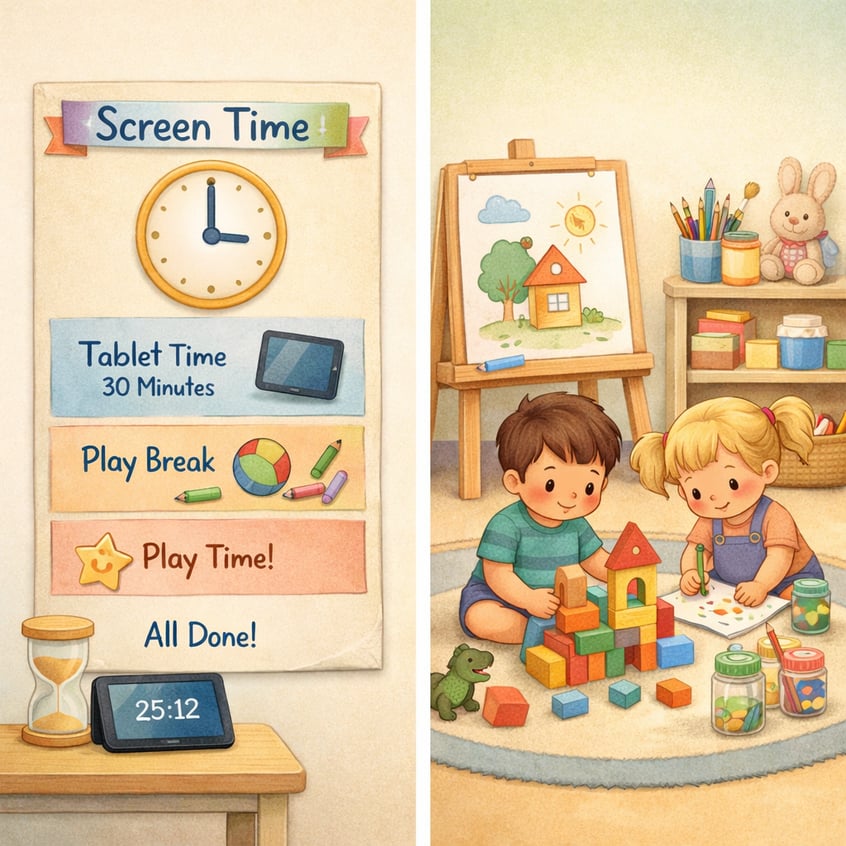
Start by making small, consistent changes. For example, you could implement a "no screens in the morning" rule to encourage a more relaxed start to the day. Or, you could schedule 30 minutes of outdoor play right after school, before any devices are turned on. Here are a few simple daily practices to try:
- Establish tech-free zones, such as the dinner table and bedrooms.
- Encourage reading a physical book for 20 minutes before bed.
- Plan one family activity each day that doesn't involve screens, like a walk or a board game.
- Keep devices out of sight to reduce the temptation to use them.
These small habits can add up, creating a lifestyle that is less dependent on screens and more focused on real-world connections and activities.
Behavioral Therapy for Gadget Addiction
When excessive gadget use becomes a serious problem, professional help may be needed. Behavioral therapy is a structured approach that can help individuals change their habits and address the underlying issues contributing to addiction. This type of therapy can be particularly effective for treating mental health conditions that may co-occur with gadget addiction.
For children and adolescents, therapy can help them develop better coping mechanisms and social skills. It provides a safe space to explore why they rely on screen media and learn new ways to manage their behavior. The following sections explain what behavioral therapy is and how it can be applied to help your family.
What Is Behavioral Therapy and How Does It Work
Behavioral therapy is a type of psychotherapy that focuses on identifying and changing unhealthy behaviors. In the context of gadget addiction, a therapist works with the individual to understand the triggers and rewards associated with their device use. The goal is to replace the compulsive behavior with healthier alternatives.
This approach is highly practical and solution-focused. A therapist might help a child create a structured plan to reduce their screen time gradually. They may also use techniques like reinforcement, where the child earns rewards for meeting their goals. This process helps to correct the negative effects the addiction has had on their life and mental health.
The therapy also often involves improving social interaction skills to help the individual build stronger real-life connections. From a disease control perspective, behavioral therapy treats addiction as a learned behavior that can be unlearned, empowering the individual to regain control over their habits.
Integrating Therapy into Family Routines

For behavioral therapy to be successful, it's often helpful to integrate its principles into your daily family routines. This means the whole family gets involved in supporting the child's journey toward better mental health. The therapist may provide guidance on how to create a more structured and supportive home environment.
This can involve applying consistent parenting styles and maintaining an open dialogue about progress and challenges. For example, you might schedule regular family check-ins to discuss how the new screen time plan is working. This reinforces the skills the child is learning in therapy and shows them they have a strong support system.
By making these changes part of your family's routine, you are not just helping one child with their gadget use; you are promoting healthier habits for everyone. This collaborative approach can strengthen family bonds and create a positive environment where everyone can thrive.
Conclusion
In conclusion, breaking free from excessive gadget habits is vital for the well-being of both children and adults. By recognizing the signs of gadget addiction, understanding the psychological factors at play, and implementing strategies to encourage healthier device habits, families can create a more balanced digital environment. Open communication, setting boundaries, and modeling responsible usage are key steps to foster a healthier relationship with technology. Embracing these changes not only helps improve mental health but also strengthens family bonds.
If you're ready to take action and need professional guidance, don't hesitate to reach out for consultation or call daar at 02 9133 2500 for support!
Frequently Asked Questions
Can excessive gadget use cause behavioral disorders in children?
While not a direct cause, excessive screen time is linked to an increased risk of behavioral problems. It can impact mental health, emotional development, and physical health. Conditions like anxiety, depression, and attention issues may be worsened by too much time on gadgets, sometimes resembling symptoms of behavioral disorders.
Are there simple daily practices to help control screen time at home?
Yes, simple practices can be very effective. Establish tech-free zones like the dinner table, set clear screen time limits, and encourage alternative activities. Prioritizing physical activity and outdoor play, and scheduling daily family time away from screens can help improve social skills and reduce reliance on devices.
What role does cognitive behavioral therapy play in treating excessive gadget use?
Cognitive Behavioral Therapy (CBT) helps individuals identify and change the negative thought patterns that drive compulsive screen activities. It teaches practical coping skills for managing triggers like stress or boredom, addresses co-occurring mental health conditions, and supports healthy child development by improving social skills and self-regulation.
.svg)




.svg)