
.png?width=48&height=48&name=Group%201%20(3).png)























7 January, 2026

Exploring the Role of Applied Behaviour Analysis in NDIS
Introduction
Have you heard of Applied Behaviour Analysis and wondered what it is? Often called ABA, it is a therapy grounded in the science of learning and behaviour, recognized by the American Psychological Association. This approach helps us understand how behaviours are learned and how they are affected by the environment. ABA applies these principles to real-life situations to foster positive behavioural changes. While its techniques can help many types of learners, it is widely recognized for supporting individuals on the autism spectrum.
Key Highlights
-
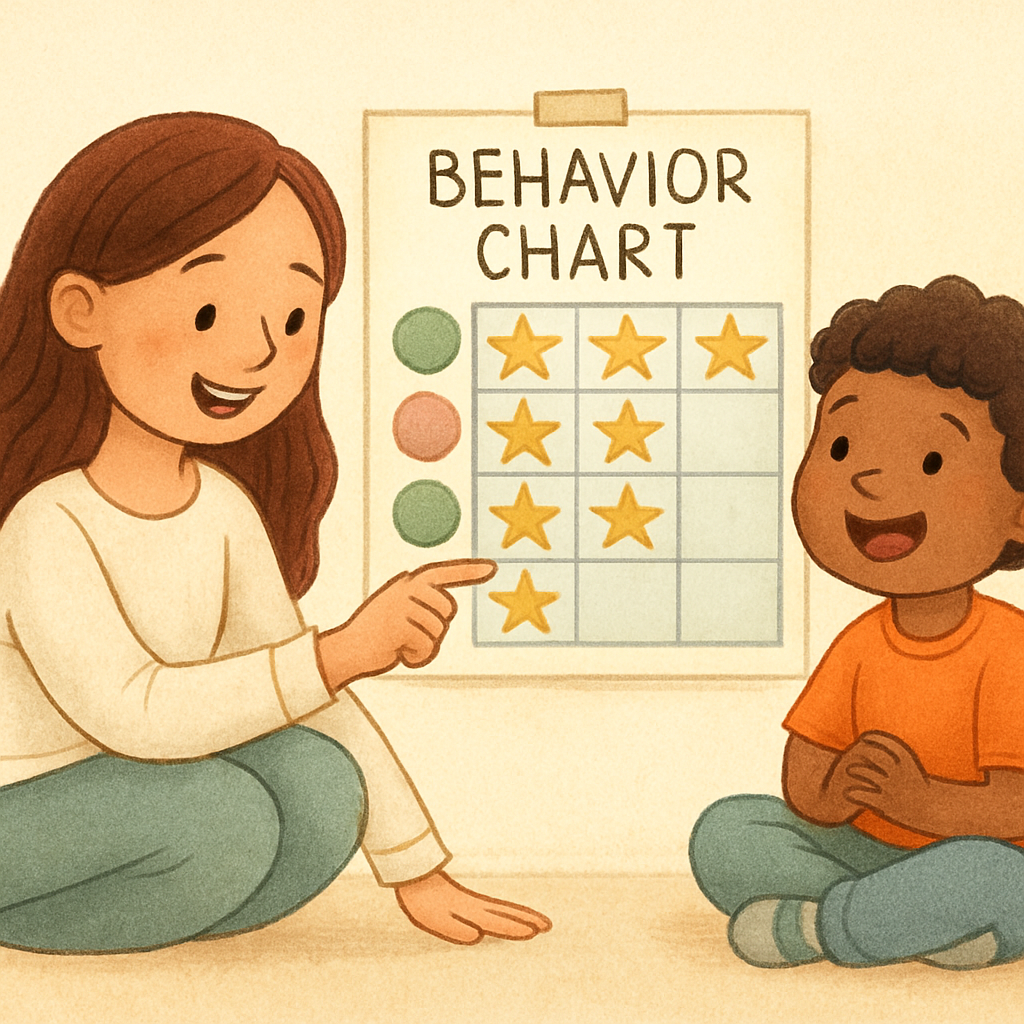
Applied Behaviour Analysis is a science-based therapy focused on improving helpful behaviours and reducing those that hinder learning.
-
Primarily used for individuals on the autism spectrum, ABA therapy helps develop communication, social, and daily living skills.
-
A qualified behaviour analyst designs and oversees a personalized plan tailored to each person's unique needs.
-
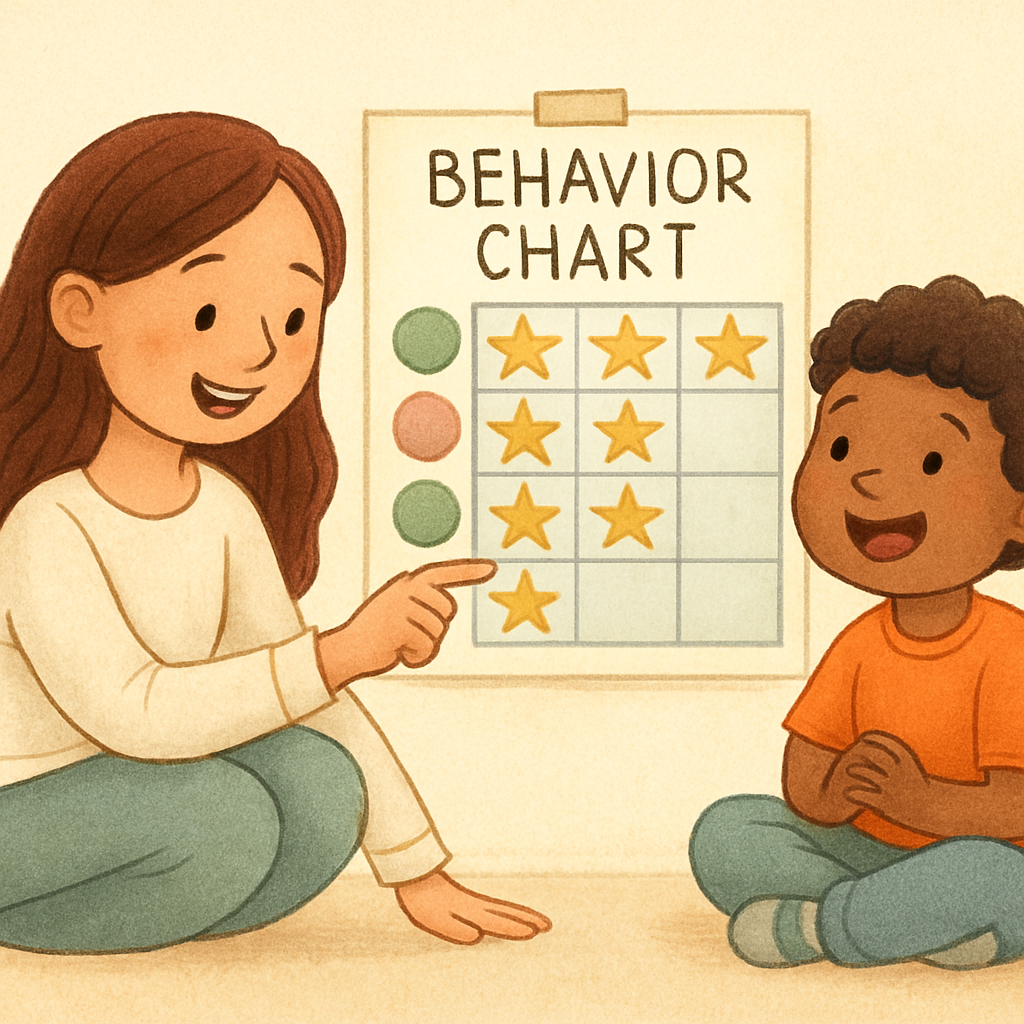
The therapy uses positive reinforcement, rewarding desired behaviours to encourage their repetition.
-
The ultimate goal of ABA is to enhance independence and improve the overall quality of life for the individual and their family.
ABA Therapy for Children with Autism
For autistic children, ABA therapy, including pivotal response treatment, is a structured approach designed to increase useful skills and decrease behaviours that may interfere with learning or daily activities. The focus is on creating positive change through early intervention, making it a cornerstone of many autism treatment plans.
A certified behaviour analyst customizes the program to fit your child’s specific needs and goals. By breaking down complex tasks into manageable steps, ABA helps children make meaningful progress in a supportive environment. Unlike other behavioural interventions that may use a generalized approach or focus on surface-level behaviour change, ABA therapy is data-driven and relies on individualized assessments, ongoing measurement, and evidence-based strategies tailored to each child's unique situation. This individualized, systematic process sets ABA apart in its effectiveness for children with autism. Next, we will explore how this therapy supports skill development and how it can be accessed.
How ABA supports learning and skill development
ABA supports learning by breaking complex skills into manageable steps. Therapists teach each step individually, using prompts and rewards to guide your child’s progress, especially for autistic people. This structured approach builds a strong foundation for new skills. While ABA focuses on improving specific behaviours through individualized interventions and reinforcement, PBS therapy emphasizes creating supportive environments and teaching strategies that prevent challenging behaviours before they occur. ABA tends to be more intensive and data-driven, while PBS incorporates broader approaches involving family, schools, and community to support overall behavioural success.
One common technique is Discrete Trial Training (DTT), which teaches skills one-on-one in a step-by-step format. As your child master's each step, the therapist combines them into more complex abilities, ensuring comfortable and effective learning during therapy sessions.
ABA helps improve a range of abilities for greater independence, including:
-
Communication and language
-
Social skills like sharing and turn-taking
-
Self-care routines such as dressing and hygiene
NDIS ABA therapy provisions for children in Australia
Navigating therapy funding can be complex. In Australia, the National Disability Insurance Scheme (NDIS) is the main government support for people with disabilities, including autism, incorporating various ABA techniques. The NDIS funds necessary supports to help individuals achieve their goals.
While the NDIS doesn’t list specific therapies, many families use it for ABA services. If Applied Behaviour Analysis is essential for your child’s development of skills, it may be covered in their NDIS plan.
To access funding, demonstrate how the therapy supports your child’s goals. Collaborate with your planning coordinator and ABA provider to strengthen your case.
Qualifications and Accreditation in ABA Practice
Ensuring that ABA therapy is delivered by qualified professionals is crucial for its success. The leading credentialing body in the field is the Behaviour Analyst Certification Board (BACB), which emphasizes a scientific approach to ensuring professional standards for practitioners worldwide. This organization sets the professional standards for practitioners worldwide, ensuring they have the right education, training, and experience.
When seeking services for individuals with intellectual disabilities, you should look for certified behaviour analysts who hold these credentials. Proper accreditation ensures that the ABA programs they design and supervise are based on evidence-based practices and adhere to strict ethical guidelines. Let's look at the specific requirements for therapists and where to find accredited programs.
Requirements for becoming an ABA therapist in Australia
The field of behaviour analysis, particularly behaviour analysis international, has a structured hierarchy to ensure quality care. Roles are tiered by education and certification, with a Board Certified Behaviour Analyst (BCBA) overseeing assessments, treatment plans, and team supervision.
Behaviour technicians or therapists work directly with your child, implementing the BCBA’s plan, conducting sessions, and tracking target behaviour progress. They receive ongoing training and supervision to maintain therapy standards.
International BACB standards guide key roles:
|
Role |
Requirements |
|---|---|
|
BCBA |
Master’s degree in psychology or behaviour analysis, supervised fieldwork, national certification exam. |
|
RBT / Behaviour Technician |
High school diploma, 40-hour training course, competency assessment and exam; works under BCBA supervision. |
Where to find accredited ABA programs in Australia
Finding an accredited ABA program is an important first step for your family. Start by consulting professional organizations that oversee behaviour analysis—they often list certified providers and offer guidance on quality services in your area, as recommended by the US Surgeon General.
In Australia, resources may be available through the Australian Psychological Association. Universities with psychology or education departments also offer behaviour analysis programs and may partner with local providers.
To help your search:
-
Ask your pediatrician or child’s school for recommendations.
-
Contact the Behaviour Analyst Certification Board (BACB) for a registry of certified professionals in Australia.
-
Search online directories of NDIS providers specializing in behaviour support and ABA.
Benefits of ABA Therapy for Children
The benefits of ABA therapy can be truly transformative for children and their families. One of the most significant advantages is the improvement in communication and social skills through functional communication training, which helps children connect with others and build relationships. ABA interventions focus on teaching positive behaviour to replace challenging ones.
By reducing problem behaviours that interfere with learning and social engagement, ABA helps improve a child's mental health and overall quality of life. The therapy equips children with practical tools, including communication skills, to navigate their world more successfully, leading to greater confidence and independence. Below, we'll examine these advantages more closely.
Social, cognitive, and emotional advantages
ABA positively impacts multiple areas of a child's development. Socially, it teaches children to interact with peers, understand social cues, make eye contact, and engage in cooperative play—skills essential for friendships and community involvement.
Cognitively, ABA principles improve attention, focus, and memory. Its structured approach helps children learn and retain information more easily, supporting academic success.
Emotionally, ABA fosters coping strategies and emotional regulation, helping children manage frustration and anxiety. Key benefits include:
-
Improved verbal and non-verbal communication
-
Greater success in school and social environments
-
Increased independence in daily routines
Real-world outcomes and case examples
To see ABA in action, consider this task analysis example: A child yells "no!" when a teacher says it's time to clean up. This follows the ABCs—Antecedent (teacher's request), Behaviour (yelling), and Consequence (teacher removes toys).
An ABA therapist would teach the child to say, "Can I have five more minutes?" Instead of yelling, the child uses this phrase, and through the use of reinforcement, the teacher responds positively. This encourages better communication.
With consistent practice and progress tracking, the new behaviour replaces the old one. Applied Behaviour Analysis interventions help children communicate needs, reduces frustration for both child and teacher, and turns challenges into learning opportunities.
Accessibility of ABA Therapy in Australia
Access to ABA services in Australia varies by location and funding. Metropolitan areas offer more providers, while regional or remote families, including the whole family, may face challenges. Programs like the NDIS have improved accessibility for many.
ABA therapy is flexible and can take place at home, school, or in a clinic, allowing skills to be learned and practiced where needed most, particularly for individuals with developmental disabilities. Next, we’ll review how the NDIS covers ABA and outline steps for accessing services.
Is ABA therapy covered by NDIS?
ABA therapy may be covered by your child’s NDIS plan if it supports their specific goals. The NDIS funds therapies deemed “reasonable and necessary” for disabilities like autism spectrum disorder, and ABA is often recognized for building skills and improving daily living.
Funding isn’t automatic—you’ll need to show how ABA will help achieve your child’s goals. For example, if your goal is better communication, explain how ABA will support this.
Discuss ABA funding with your NDIS planner or Local Area Coordinator. A report from a pediatrician or behaviour analyst recommending ABA and outlining expected outcomes can strengthen your application.
Steps for families seeking ABA services under NDIS
For families using NDIS funding for ABA services, a clear process is key. Start by gathering documentation—such as reports from doctors, psychologists, or allied health professionals—that supports your child’s need for Applied Behaviour Analysis, considering the environmental variables at play.
At your NDIS planning meeting, discuss your child's goals and explain how ABA therapy can improve social skills, communication, or independence in their daily lives. Use specific examples to support your case.
Once you have funding under "Improved Daily Living," follow these steps:
-
Get a prescription or letter supporting ABA from your pediatrician or medical provider.
-
Find an NDIS-registered ABA provider and request an intake evaluation.
-
Ensure the provider can create sessions and plans that align with your child’s NDIS goals.
Conclusion
In conclusion, understanding Applied Behaviour Analysis (ABA) is essential for parents and caregivers supporting children with autism. By learning about its benefits, accreditation, and available services in Australia, including resources from the association, you can make informed decisions for your child's development. ABA therapy promotes learning and improves social and emotional skills, leading to better real-world outcomes. Professional guidance and available resources can greatly impact your child's success.
If you're interested in how ABA can help your child, contact us for a consultation or call daar at 02 9133 2500.
Frequently Asked Questions
Is applied behaviour therapy effective for all children?
Applied Behaviour Analysis has been shown to improve outcomes for many autistic children, but it is not a one-size-fits-all solution. The effectiveness of the intervention, including Positive Behaviour Support, depends on the individual child, the consistency of the therapy, and the skill of the therapist. Customizing the plan to address specific problem behaviours maximizes its potential.
Are there any potential drawbacks to applied behaviour analysis?
Some criticisms of ABA, particularly older forms, mention it being too rigid or focused on compliance. Modern Applied Behaviour Analysis, as discussed in the Journal of Applied Behaviour Analysis, emphasizes positive reinforcement and respect for the individual. However, concerns remain in some communities about approaches that may use negative reinforcement or the use of punishment to address challenging behaviours.
How long does ABA Therapy typically last for children?
The duration of ABA therapy varies based on a child’s individual needs and the dimensions of applied behaviour analysis. Some children may benefit from a few hours a week, while others might need a more intensive autism treatment of 20-40 hours. The length can range from months to several years, with progress monitored through data collection and behaviour analysis.
.svg)




.svg)