
.png?width=48&height=48&name=Group%201%20(3).png)























3 December, 2025

Exercise Physiology for Kids: Enhancing Emotional Well-being
Introduction
Regular physical activity is vital for your child’s development, going far beyond just physical health. It plays a crucial role in building strong motor skills and supporting emotional regulation. But how do you ensure your child gets the right kind of movement to thrive? This is where exercise physiologists come in. These experts create structured and engaging physical activities designed to boost your child's confidence, improve their skills, and enhance their overall well-being in a way that feels like play.
Key Highlights
-
Exercise physiology for kids uses fun, play-based activities to enhance emotional well-being and physical health.
-
An accredited exercise physiologist creates tailored programs to improve a child's motor skills and coordination.
-
Physical activity helps children with emotional regulation, allowing them to manage feelings more effectively.
-
Mastering new movements through exercise builds self-confidence and encourages independence.
-
It provides significant benefits for all children, including those with developmental delays or chronic conditions.
-
Making physical activity fun helps children develop lifelong healthy habits.
Understanding Exercise Physiology for Kids
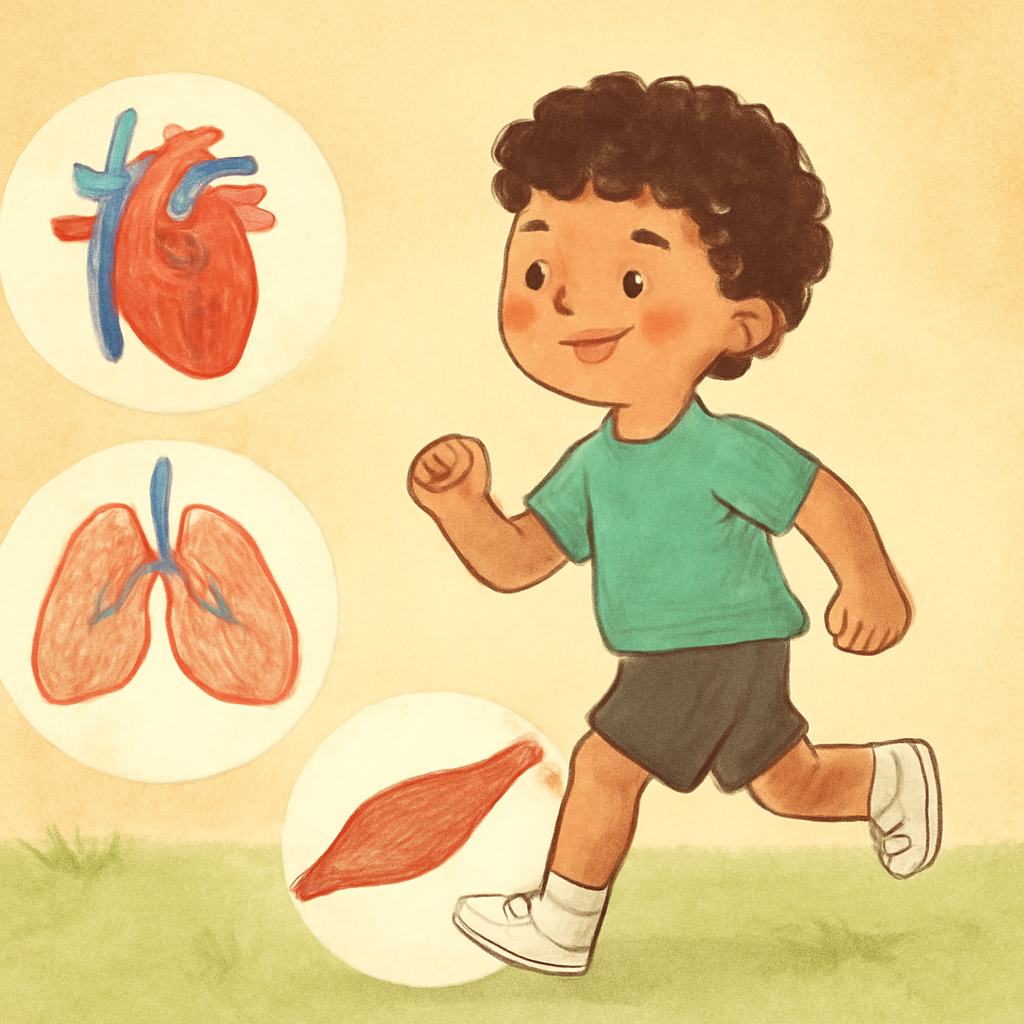
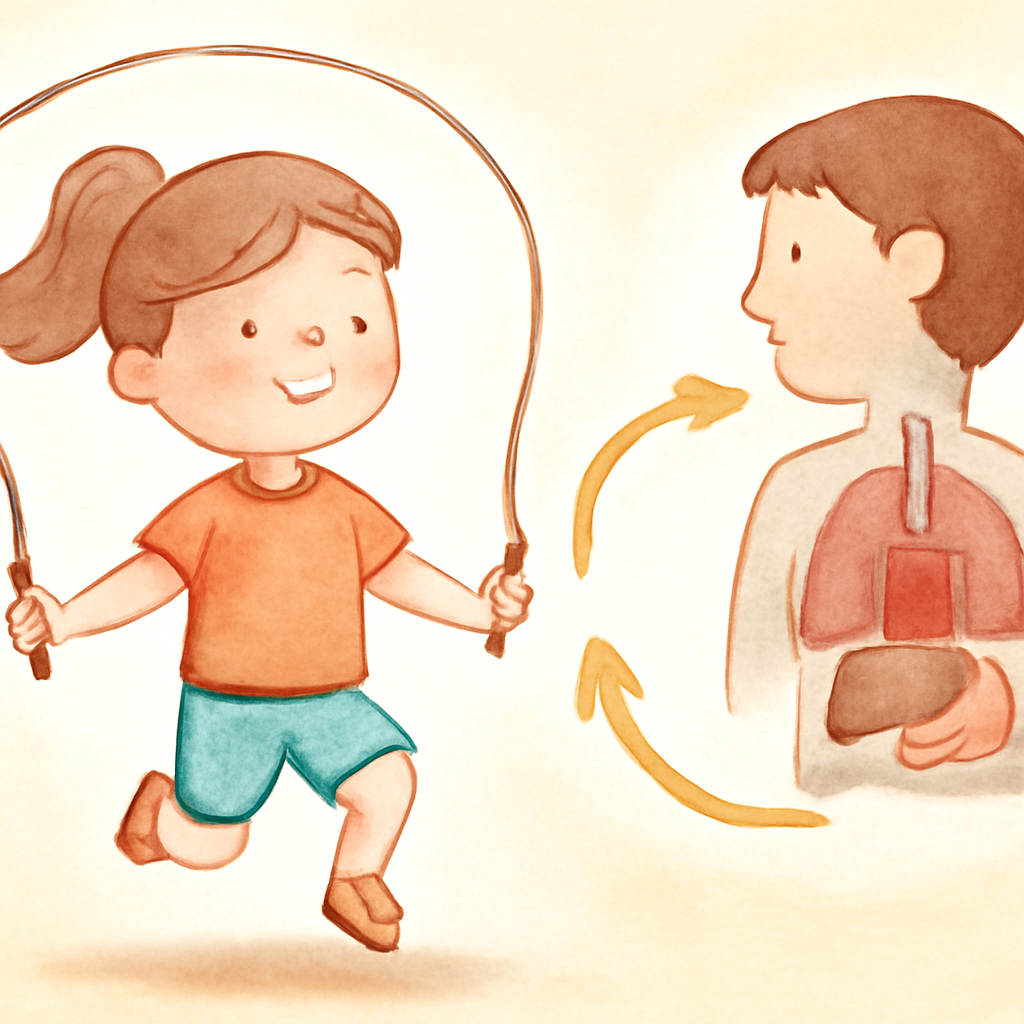
When you hear about exercise physiology, you might think of elite athletes, but it’s a powerful tool for young children, too. It’s all about understanding how a child's body responds to movement and using that knowledge to create a personalized exercise program. The goal is to make physical activity fun and accessible for every child.
These programs are designed to improve coordination, strength, and overall fitness. By focusing on play-based learning, exercise physiology helps kids develop healthy habits that can last a lifetime, supporting their physical and mental growth.
What Exercise Physiology Involves for Children
Exercise physiology for children encompasses tailored interventions designed to enhance their physical and emotional development. This specialized field involves assessing the unique movement skills and fitness levels of young individuals, facilitating personalized exercise programs that cater to their specific needs. Incorporating play and fun physical activities, accredited exercise physiologists focus on improving cardiovascular health, endurance, and motor skills while fostering social participation. Ultimately, these exercise interventions support not just physical growth, but also emotional regulation and overall quality of life for children.
Why Exercise Physiology Matters for Kids’ Development
Supporting your child’s development through exercise physiology can lead to significant benefits. Regular physical activity enhances gross motor skills, coordination, and endurance, which are crucial for overall growth. Engaging in tailored exercise interventions fosters emotional regulation, enabling children to manage feelings more effectively. Furthermore, accredited exercise physiologists craft exercise programs that address specific needs, promoting social participation and reducing negative outcomes often associated with sedentary lifestyles. Through early intervention and continuous engagement, children can improve their quality of life and build a foundation for active lives.
Emotional Well-being and Physical Activity
The connection between physical activity and mental health is powerful. For children, movement is a key tool for learning emotional regulation, which is the ability to manage and control their feelings. When kids struggle to regulate emotions, they may have reactions that seem out of proportion or act impulsively.
Exercise physiologists can help children build the capacity to self-manage by participating in targeted physical activities. This support not only improves their mental health but also enhances their overall quality of life, helping them feel calm, happy, and in control at home and school.
How Movement Supports Emotional Regulation
Movement plays a crucial role in emotional regulation, particularly for young children. Engaging in regular physical activity fosters the development of gross motor skills, enhances coordination, and boosts cardiovascular fitness. These activities release endorphins, which can increase feelings of happiness and reduce anxiety. Furthermore, structured exercise programs designed by accredited exercise physiologists can provide tailored interventions that meet specific needs, promoting positive outcomes for children with conditions like autism spectrum disorder. Ultimately, movement enables children to process emotions effectively and fosters resilience.
Building Self-confidence Through Exercise and Play
Engaging in regular physical activity significantly boosts self-confidence in children. In exercise physiology sessions, children can enhance their gross motor skills and coordination through fun activities that promote movement. Experiencing success in these activities not only fosters a sense of achievement but also encourages social participation, which is vital for emotional regulation. Paediatric exercise physiologists play a key role by tailoring exercise programs to meet the specific needs of each child, ensuring that they can enjoy active lives filled with positivity and self-assurance.
The Role of Paediatric Exercise Physiologists
Paediatric exercise physiologists are university-qualified health professionals who specialize in creating exercise programs for children and adolescents. Unlike trainers for adults, they have specific knowledge of how exercise impacts growing bodies, from toddlers to teenagers. An accredited exercise physiologist can work with people of all ages and abilities.
These specialists create safe, effective, and fun exercise programs tailored to a child's individual needs. They often work with families who have NDIS plans to help children reach their developmental goals and live more active, fulfilling lives. Now, let’s look at how they support children with diverse needs and what activities they use.
Support for Children with Diverse Needs
Support for children with diverse needs often requires tailored interventions led by accredited exercise physiologists. These specialists design exercise programs that accommodate specific physical requirements and developmental delays, fostering improvement in gross motor skills, coordination, and endurance. By focusing on individual capabilities, paediatric exercise physiologists can integrate fun physical activities that enhance social participation and emotional regulation. This comprehensive approach not only aids in improving mobility but also contributes to a better quality of life for all children, regardless of their challenges.
Common Activities Used by Paediatric Exercise Physiologists
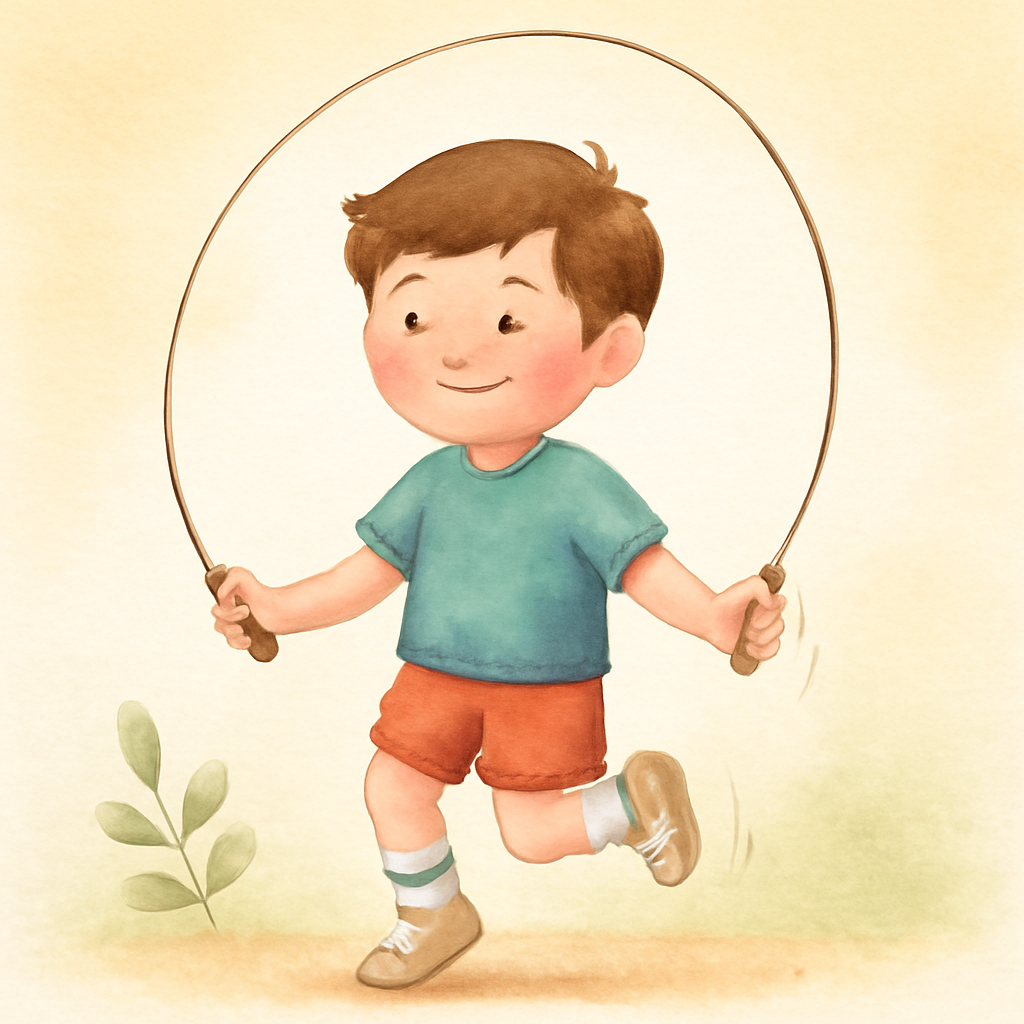
A typical exercise session with a paediatric exercise physiologist is all about making physical activity fun. The activities are designed to look and feel like play, so your child stays engaged while working toward their goals. The focus is on building skills in a supportive and encouraging environment.
These professionals use a variety of games and exercises to target different areas of development. For instance, an obstacle course might be used to improve balance and coordination, while games with balls can enhance hand-eye coordination. The activities are always adapted to the child's abilities and interests.
The ultimate aim is to improve mobility, endurance, and cardiovascular fitness in a way your child enjoys. Some common activities include:
-
Jumping and landing exercises to build leg strength and balance.
-
Running and agility games to improve cardiovascular health and quickness.
-
Ball skills like throwing and catching to develop hand-eye coordination.
-
Swimming or hydrotherapy for low-impact, full-body exercise.
Comparing Exercise Physiology and Paediatric Physiotherapy
When seeking support for your child's movement, you might come across both paediatric physiotherapy and exercise physiology. While both fields help children improve their physical abilities, their approaches and primary focus areas differ. Understanding these differences can help you choose the right support for your child.
Exercise physiology relies solely on using "exercise as medicine," applying principles of exercise science to create targeted exercise interventions. Physiotherapy can have a broader scope. Let's examine the key differences in their approaches and the outcomes they aim to achieve.
Key Differences in Approach and Outcomes
The main distinction lies in their core philosophy. Exercise physiologists use exercise interventions as their primary tool to improve function, manage chronic conditions, and prevent sedentary lifestyles. They often hold a master’s degree in clinical exercise physiology and specialize in creating long-term fitness and health plans.
Paediatric physiotherapists, on the other hand, may use a wider range of techniques, including hands-on manipulation, in addition to exercise. They often focus on rehabilitation from acute injuries or addressing significant developmental delays that impact basic movement.
Both professions are valuable, and they often work together to provide comprehensive care. The choice between them depends on your child’s specific goals, whether it’s building overall fitness and endurance or rehabilitating a specific injury.
|
Feature |
Paediatric Exercise Physiology |
Paediatric Physiotherapy |
|---|---|---|
|
Primary Focus |
Uses "exercise as medicine" to improve functional capacity, health, and well-being. |
Focuses on rehabilitation, movement disorders, and recovery from injury or surgery. |
|
Approach |
Designs long-term, play-based exercise programs to build strength, endurance, and coordination. |
May use hands-on therapies, stretching, and exercises to restore movement and function. |
|
Common Goals |
Improving cardiovascular health, managing chronic conditions, and promoting an active lifestyle. |
Addressing acute injuries, developmental delays, and post-surgical recovery. |
Selecting the Right Support for Your Child
Choosing the appropriate support for a child’s exercise needs involves understanding their unique challenges and preferences. Engaging with accredited exercise physiologists who specialize in paediatric exercise physiology can ensure tailored interventions. Look for professionals proficient in developing exercise programs that enhance gross motor skills and coordination while addressing specific needs such as developmental delays or conditions like autism and cystic fibrosis. By leveraging the expertise of these specialists, parents can facilitate active lives, encouraging children to thrive both emotionally and physically.
Conclusion
In conclusion, understanding exercise physiology for kids is essential for fostering their emotional well-being and overall development. Engaging in physical activity not only enhances their physical health but also supports emotional regulation and boosts self-confidence. The guidance of pediatric exercise physiologists can provide tailored support to children with various needs, ensuring they receive the best possible care. As parents and caregivers, prioritizing movement and play can create a positive environment for children to thrive emotionally.
If you're interested in learning more about how exercise physiology can benefit your child, feel free to reach out for a free consultation today or call 02 9133 2500.
Frequently Asked Questions
Is exercise physiology suitable for children with special needs?
Yes, absolutely. Exercise physiology is highly beneficial for children with conditions like autism, cerebral palsy, developmental delays, and cystic fibrosis. An accredited exercise physiologist can design a safe and tailored program to address specific needs, often accessible through an NDIS plan, to improve function and quality of life.
What happens during an exercise physiology session for kids?
During an exercise physiology session, an accredited exercise physiologist guides your child through fun, play-based activities. These are designed to feel like games but are strategically chosen to improve specific areas like mobility, coordination, and strength. The focus is on keeping your child engaged and motivated while they build new skills.
What are the benefits of exercise for children's emotional well-being?
Exercise offers huge benefits for a child's mental health. Physical activities and targeted exercise interventions can improve emotional regulation, reduce stress, and boost self-confidence. This often leads to increased social participation, as children feel more capable and comfortable interacting with their peers in active settings.
.svg)




.svg)