
.png?width=48&height=48&name=Group%201%20(3).png)
























6 March, 2026

Sleep Habits for Neurodiverse Children: A Parent’s Guide

Key Highlights
- Sleep problems are very common in neurodiverse children and can affect their mood, behavior, and ability to learn.
- Establishing healthy sleep hygiene, including a consistent bedtime routine, is crucial for improving sleep patterns.
- Sensory sensitivities often create sleep issues, but creating a calming environment with tools like weighted blankets can help. Common sleep problems include insomnia, night wakings, and difficulty maintaining a sleep schedule due to circadian rhythm disruptions. The amount of sleep a neurodiverse child needs varies by age group: typically, preschoolers (3-5 years) require 10-13 hours, school-age children (6-12 years) need 9-12 hours, and teenagers (13-18 years) should get 8-10 hours of sleep per night. However, individual sleep needs can vary, especially in neurodiverse children experiencing sensory sensitivities and sleep problems, so paying attention to their unique requirements is important.
- Common sleep problems include insomnia, night wakings, and difficulty maintaining a sleep schedule due to circadian rhythm disruptions.
- Addressing diet, exercise, and screen time is an important part of promoting good sleep.
- Tailoring strategies for specific conditions like autism or ADHD helps address unique sleep challenges.
Introduction
As a parent of a neurodiverse child, you know that ensuring they get enough rest can be a unique challenge. Sleep problems are more common among neurodivergent children and significantly impact their quality of life and mental health. Establishing effective sleep habits and a consistent sleep routine is one of the most important steps you can take. This guide will explore the most effective strategies to improve your child’s sleep, helping both you and your child achieve more restful nights and happier days.
Common Sleep Issues in Neurodiverse Children
Many neurodiverse children experience sleep issues that can lead to restless nights and daytime difficulties. These sleep challenges are often more frequent and intense compared to those in neurotypical children. Sleep problems can range from trouble falling asleep to frequent waking throughout the night.
Understanding these common sleep disorders is the first step toward finding solutions. For many young children, these issues can affect their mood, learning, and overall well-being. Let's look at some specific sleep problems you might be facing.
Insomnia and Difficulty Falling Asleep
Does your child have trouble winding down at night? Insomnia is common in neurodiverse children, who may struggle with racing thoughts or bursts of energy at bedtime.
Sleep issues can also stem from conditions like restless leg syndrome or other movement disorders that make relaxation difficult. Anxiety around bedtime often adds to the problem, sometimes turning the bed itself into a source of stress.
Improving sleep hygiene is essential. A consistent, calming routine signals the brain it's time for sleep. By addressing underlying causes and building positive habits, you can help your child fall asleep more easily.
Night Wakings and Restless Sleep
Frequent night wakings and restless sleep are common challenges for parents of neurodiverse children. Your child may wake up several times a night and struggle to fall back asleep, leaving you both exhausted.
These sleep disruptions can be linked to medical issues. For example, sleep apnea causes repeated breathing pauses that can wake a child, while restless leg syndrome creates an uncontrollable urge to move the legs, disrupting deep sleep.
If your child snores loudly, stops breathing during sleep, or often kicks their legs, consult a healthcare provider. Addressing these issues can greatly improve your child's sleep quality and reduce night wakings.
Challenges with Maintaining Sleep Schedules
Maintaining a consistent sleep schedule can be particularly challenging for neurodiverse children. Their internal body clocks, or circadian rhythm, may be naturally delayed. This means their brains don't start producing the sleep hormone melatonin until much later in the evening, making it difficult to fall asleep at a conventional bedtime.
This delay can disrupt the entire sleep routine, leading to a cycle of late nights and difficult mornings. Establishing a consistent wake-up time, even on weekends, is a powerful behavioral intervention that can help reset your child’s circadian rhythm and promote healthy sleep.
To help your child adjust, consider the following:
- Open the blinds: Let natural light into their room first thing in the morning to signal that it's time to be awake.
- Stick to the routine: Consistency is key. A predictable schedule helps their body learn when to expect sleep.
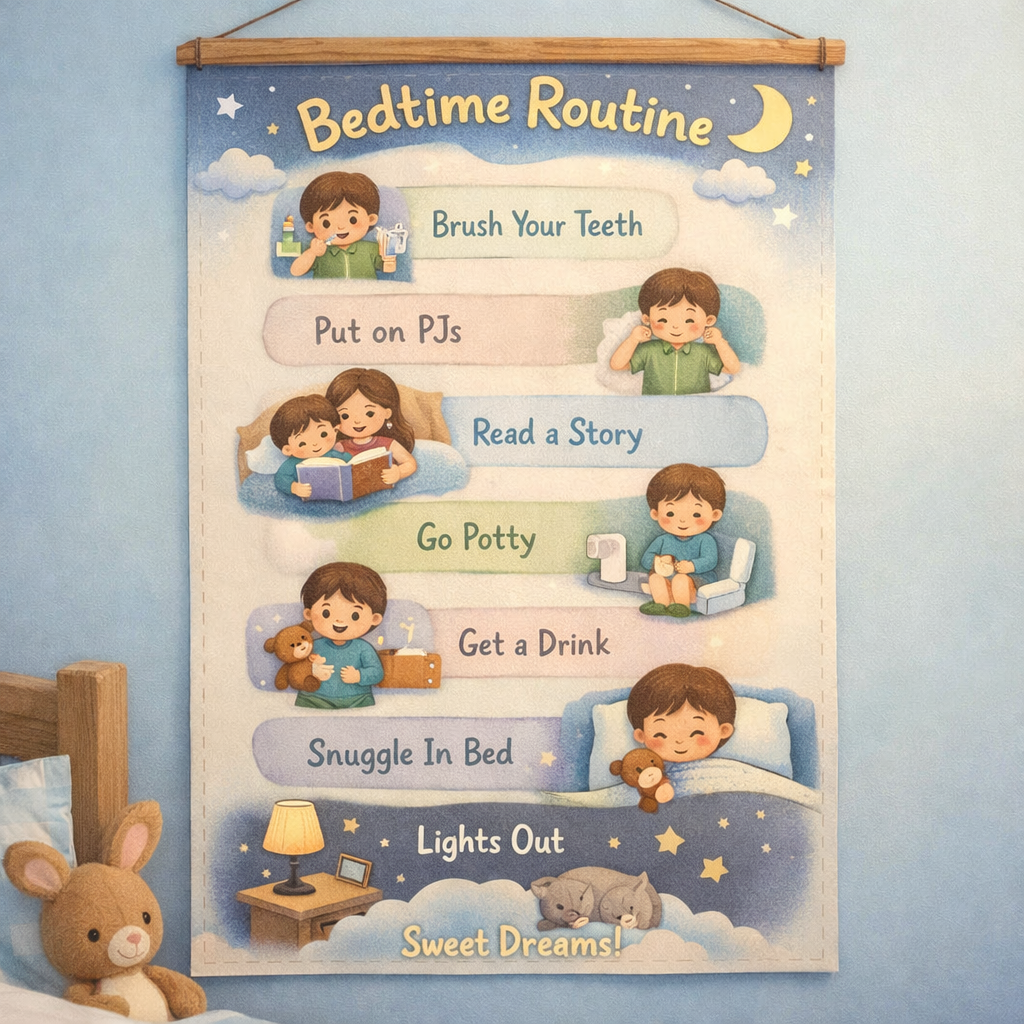
- Use visual aids: A picture schedule can help your child understand the bedtime routine and prepare for sleep.
The Impact of Sensory Sensitivities on Sleep
For many neurodiverse children, sensory sensitivities are a major barrier to getting a good night's rest. What might seem like a minor distraction to others, such as a dripping tap or a scratchy tag on pajamas, can be a significant source of discomfort and prevent your child from relaxing. These sensory issues can turn bedtime into a stressful experience.
These sleep challenges arise because the child's brain has difficulty with sensory processing, making it hard to filter out unimportant sounds, sights, or textures. Understanding how sensory input affects your child is the first step toward creating a sleep-friendly environment.
Recognizing Sensory Triggers at Bedtime
Identifying your child’s specific sensory triggers at bedtime is key to improving their sleep. Observe how they react to different stimuli in their bedroom—lighting, background noise, or even the feel of pajamas and bedding can cause discomfort.
For autistic children or those with sensory processing differences, everyday sounds or light can be overwhelming and prevent them from winding down. They may struggle to filter out sensory input that others ignore.
Watch your child during their bedtime routine. Notice if they resist brushing their teeth or seem uncomfortable in their pajamas. These observations will help you identify which sensory issues are disrupting their sleep.
Strategies to Minimize Sensory Overload
Once you’ve identified the sensory issues affecting your child, you can implement strategies to create a more soothing environment. The goal is to reduce overwhelming sensory input and replace it with calming sensations. This might involve making a few simple but effective changes to their bedroom and routine.
For example, some children find deep pressure very calming. A weighted blanket can provide this sensation, helping their nervous system relax. The weight should be no more than 10% of your child's body weight, and they must be able to remove it themselves. White noise machines are another great tool for masking disruptive sounds.
Here are a few strategies to try:
- Blackout curtains: Use these to block out streetlights and early morning sun.
- Comfortable bedding: Choose soft, seamless pajamas and bedding. Cutting out tags can also help.
- Weighted blanket: This provides calming deep pressure.
- White noise: A fan or a dedicated machine can help drown out distracting noises.
Environmental Adjustments for Better Sleep
The sleep environment has a major impact on your child's rest. A cluttered or overstimulating room can make it hard to relax—especially for neurodiverse children. Optimizing the bedroom is essential for good sleep hygiene.
Simple changes to lighting, noise, and temperature can greatly improve sleep quality. A calm, predictable space helps regulate sleep patterns and signals that the bedroom is for rest. Below, we’ll look at how to create a soothing atmosphere and manage key environmental factors.
Creating a Calming Bedroom Environment
Transforming your child’s bedroom into a peaceful sanctuary is an essential step in promoting a good night’s rest. Good sleep hygiene starts with an environment that feels safe and relaxing. A cluttered room can be distracting and overstimulating, so try to keep the space tidy and reserve the bed for sleeping only.
Allowing your child to help choose their bedding can make them more excited about sleeping in their own room. Ensure their favorite comfort items, like a special blanket or stuffed animal, are within easy reach. The goal is to create a calming environment that your child associates with rest and security.
Here are a few ideas to get you started:
- Add a night clock: A special clock that indicates when it's time to sleep and when it's okay to get up can be very helpful.
- Use a white noise machine: This can block out sudden noises that might wake your child.
- Keep it simple: Avoid having TVs, computers, or too many stimulating toys in the bedroom.
Lighting, Noise, and Temperature Considerations
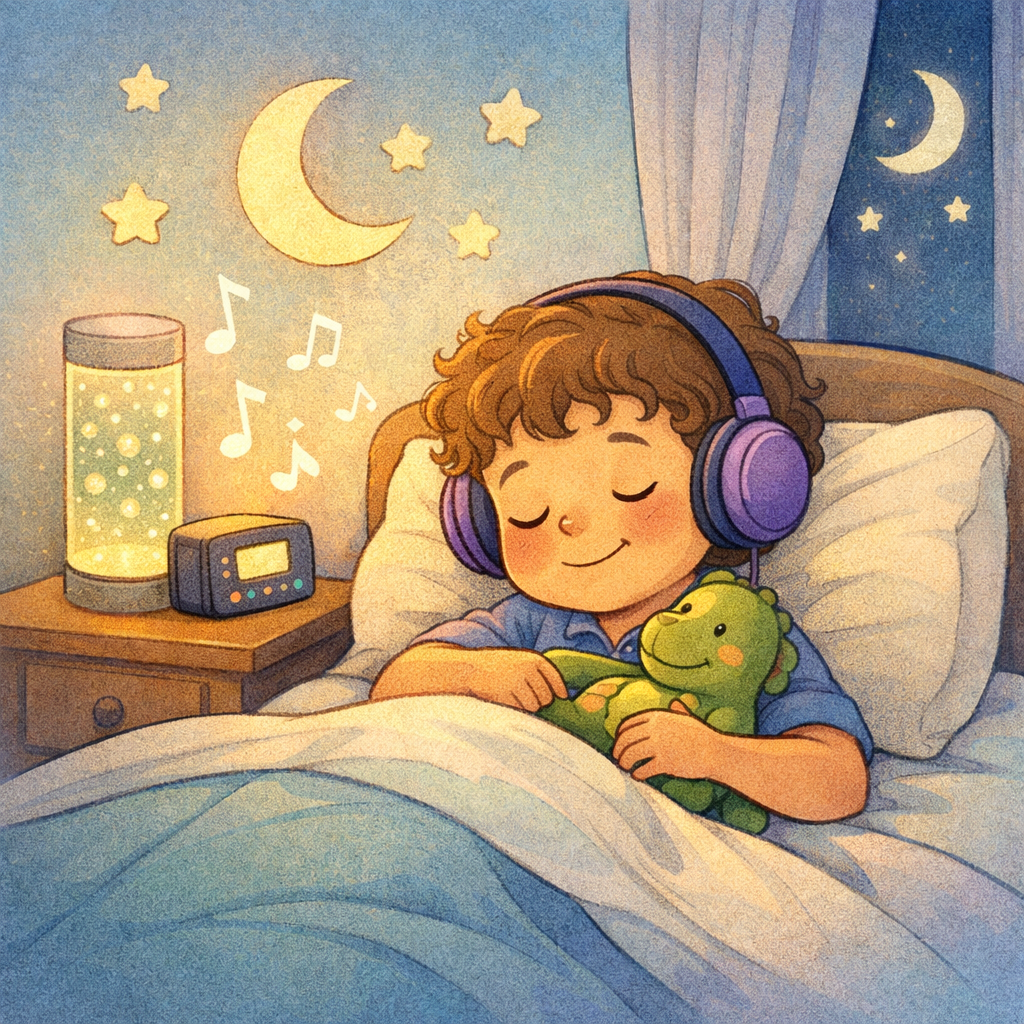
Fine-tuning the lighting, noise, and temperature in your child's bedroom can have a profound impact on their sleep quality. Each of these elements can either support or disrupt their ability to fall and stay asleep. The ideal environment is dark, quiet, and cool.
Light is a powerful signal to the brain, so making the room as dark as possible is important. Blackout curtains are a great way to achieve this, especially during the summer months. For noise, some children are highly sensitive to sounds that others might ignore. A white noise machine or a fan can create a consistent, soothing soundscape that masks disruptions.
Temperature is another key factor. A room that is too hot or too cold can interfere with sleep. The recommended temperature for sleeping is between 60-67°F (16-20°C). Here’s a quick guide to optimizing these elements:
|
Factor |
Recommendation |
Why It Helps |
|---|---|---|
|
Lighting |
Use blackout curtains. If needed, use a dim, warm-toned night light. |
Darkness signals the brain to produce melatonin, the sleep hormone. |
|
Noise |
Use a white noise machine or a fan. Close doors and windows. |
Masks sudden, disruptive sounds and creates a calming background hum. |
|
Temperature |
Keep the room cool, between 60-67°F (16-20°C). |
A cooler body temperature is necessary to initiate and maintain sleep. |
Building Effective Bedtime Routines
A consistent bedtime routine is key to improving your child’s sleep. Healthy routines signal the brain and body to wind down, and for neurodiverse children, predictability can ease anxiety and make bedtime smoother.
Good sleep hygiene goes beyond setting a bedtime—it includes calming activities that prepare your child for rest. Establishing a routine helps regulate their internal clock and supports better sleep. Here’s how to create an effective bedtime routine for your child.
Establishing Consistent Bedtimes and Wake Times
Consistency is key to a successful sleep schedule. Putting your child to bed and waking them up at the same time every day—even on weekends—helps regulate their internal clock and supports melatonin production.
Erratic schedules confuse the body, making it harder to know when to feel tired or alert. A consistent bedtime routine signals when it’s time for sleep, making it easier for your child to fall asleep over time.
Using a sleep journal can help you track bedtimes, how long it takes your child to fall asleep, and wake-up times. These notes provide insights to fine-tune your child’s sleep schedule.
Calming Pre-Bed Activities for Neurodiverse Children
Creating a predictable bedtime routine filled with calming activities is a great way to help your neurodiverse child transition from a busy day to a restful night. The hour before bed should be dedicated to quiet time, signaling to their brain and body that it's time to slow down. It's crucial to avoid stimulating activities and limit screen time during this period.
A warm bath can be incredibly relaxing, as the subsequent drop in body temperature helps trigger sleepiness. Gentle relaxation techniques, like deep breathing or listening to a quiet audiobook, can also be very effective. The key is to find activities that your child finds soothing and to stick with them every night.
Here are some calming activities to include in your routine:
- Reading a book: Choose a calming story to read together.
- Stretching or gentle yoga: Simple poses can help release physical tension.
- Listening to soft music: Calming instrumental music can create a peaceful atmosphere.
Tailoring Sleep Strategies for Autism and ADHD
Many sleep strategies help all children, but neurodivergent kids—such as those with autism or ADHD—often face unique challenges. Autism may bring sensory sensitivities, while ADHD can cause a restless mind. Understanding these differences lets you tailor interventions for better results. Some approaches target hyperactivity-related sleep issues; others focus on sensory regulation. Next, we’ll cover specific strategies for autistic children and those with ADHD.
How to Support Sleep in Autistic Children
Autistic children often struggle with sleep due to sensory sensitivities and a need for routine. Sleep issues can be especially challenging for families. Establishing a structured, calming bedtime routine tailored to your child's sensory needs is essential.
Sensory triggers like pajama texture, hallway light, or faint noises can easily disrupt sleep. Tools such as blackout curtains, white noise machines, and seamless clothing help reduce these distractions.
Weighted blankets provide deep pressure, which many autistic children find soothing. This can calm an overstimulated nervous system and promote better sleep. Patience and consistency are key—focus on creating a safe, predictable environment where your child can relax.
ADHD and Specific Approaches for Sleep Improvement
Children with ADHD often have trouble sleeping due to restlessness, racing thoughts, and delayed sleep cycles. Their minds feel "wired" at night, making it hard to unwind. A consistent bedtime routine signals when it's time to relax.
Good sleep hygiene means calming their minds before bed. Avoid stimulating activities—especially screens—for at least an hour before bedtime. Instead, opt for calming activities like reading or listening to audiobooks. If they can’t fall asleep within 15 minutes, have them get up and do a quiet activity until they feel sleepy.
Daily physical activity is helpful but should be avoided close to bedtime to prevent overstimulation. Consistent routines help regulate their internal clocks and make falling asleep easier over time.
Role of Diet, Exercise, and Screen Time
Beyond routines and environment, daily habits like diet, exercise, and screen time greatly affect your child's sleep quality. What they eat, how active they are, and evening screen exposure can help or hinder good sleep. These factors are key to healthy sleep habits.
Addressing these areas can ease sleep problems and improve rest. Making smart choices about meals, encouraging timely physical activity, and setting clear limits on screens all play important roles. Here’s how each factor impacts sleep.
How Food Choices Impact Sleep
What your child eats and when they eat can directly impact their sleep. Foods and drinks with caffeine or sugar, like chocolate, can be stimulating and should be avoided before bedtime.
Some foods support sleep naturally. Snacks rich in tryptophan—such as turkey, nuts, and milk—can help, as can light options like bananas or yogurt to prevent nighttime hunger.
Healthy eating habits are important for good sleep. Serve dinner at least a couple of hours before bed, and avoid heavy meals late at night to prevent digestion from disrupting rest.
Screen Use Guidelines Before Bed
Blue light from screens—TVs, tablets, and phones—is a major cause of poor sleep. It suppresses melatonin, the hormone that signals it’s time to sleep. For neurodiverse children, who may already struggle with delayed sleep, this effect can be stronger.
Limit evening screen time by turning off all devices one to two hours before bedtime. This allows your child’s brain to naturally produce melatonin and get ready for rest.
Tips to manage screen use:
- Set a “digital sunset”: Choose a time each night when all devices are put away.
- Charge devices outside the bedroom: Prevents nighttime use.
- Encourage calming activities: Replace screens with reading, drawing, or music before bed.
Benefits of Physical Activity for Sleep Regulation
Regular physical activity supports healthy sleep by reducing stress, expending energy, and promoting deeper rest. For neurodiverse children, it also aids emotional regulation and provides sensory input.
Exercise timing matters—aim for at least 45 minutes of daytime activity, but avoid vigorous exercise within two hours of bedtime. Late activity can raise body temperature and make it harder to fall asleep.
Encourage active play earlier in the day to build "sleep pressure," helping your child feel naturally tired at bedtime. Consistent physical activity improves both sleep quality and overall well-being.
Conclusion
In conclusion, supporting sleep in neurodiverse children requires a tailored approach that addresses their unique needs. Understanding common sleep issues, sensory sensitivities, and environmental factors helps parents create calming bedtime routines. Adapting strategies for conditions like autism and ADHD further improves results. Diet, exercise, and screen time also impact sleep quality. Don’t hesitate to seek local resources or professional guidance. With patience and support, you can help your child achieve restful sleep.
Reach out for a consultation or call daar at 02 9133 2500 for expert guidance tailored to your child’s needs.
Frequently Asked Questions
How Can I Track and Improve My Neurodiverse Child’s Sleep Patterns?
You can track your child’s sleep patterns using sleep journals to log bedtimes, wake times, and night wakings. This helps identify trends and the effectiveness of your sleep routine. Share this data with a healthcare provider to collaboratively find ways to improve their sleep quality and address any persistent issues.
What Are Signs My Child Needs Professional Sleep Support?
If your child consistently snores loudly, has pauses in breathing, experiences extreme daytime sleepiness, or if sleep problems severely impact their mental health and behavior the next day, it's time to seek professional help. A doctor can screen for sleep disorders and recommend behavioral intervention or further treatment.
Are There Local Resources in Australia for Parents Needing Sleep Guidance?
Yes, there are many resources available. You can start by speaking with your healthcare provider or a pediatrician for referrals. Organizations like the American Academy of Sleep Medicine offer guidelines, and local parent support groups and specialized clinics can provide tailored sleep guidance to improve your family’s quality of life.
.svg)




.svg)