
.png?width=48&height=48&name=Group%201%20(3).png)























3 March, 2026

Understanding Behavioural Therapy Autism: A Complete Guide

Key Highlights
Here are the key takeaways from our guide on behavioral therapy for autism:
- Behavioral therapy is a science-based approach that helps children with autism spectrum disorder develop essential life skills.
- A widely used method is applied behavior analysis (ABA), which focuses on encouraging desired behaviors to improve skills.
- The therapy aims to enhance crucial areas like communication skills and social skills through a structured yet flexible approach.
- Early intervention is highly recommended as a child's brain is most adaptable in the early years.
- Modern approaches are child-led, focusing on empowerment and building confidence.
Introduction
Receiving an autism diagnosis for your child can bring a wave of new information and decisions. Among the many options, you will likely hear the term behavioral therapy often. This approach has long been a leading method for supporting children on the autism spectrum. It's not about changing who your child is, but about empowering them with the tools they need to navigate the world. With early intervention, behavioral therapy can build a strong foundation for communication, connection, and confidence, setting your child up for a brighter future.
Setting Goals and Tracking Progress in Behavioral Therapy
A key part of behavioral therapy is establishing clear, achievable goals. Therapists work with you to identify specific skills that will make a meaningful difference in your child's life, from communication to daily routines. The aim is to encourage a desired behavior through positive strategies.
Tracking your child’s progress is essential to see if the therapy is effective. Regular assessments and open communication with your therapist will help you recognize positive results. Methods like the Early Start Denver Model emphasize progress within natural, play-based settings.
Main Goals of Behavioral Therapy for Children with Autism
The primary objective of behavioral therapy is to empower your child by building functional skills. It's a highly individualized process focused on improving their quality of life. The therapy aims to help them learn, connect with others, and gain independence.
Instead of trying to "correct" your child, the focus is on providing them with the tools to express themselves and manage daily challenges. This is achieved by understanding what drives certain behaviors and teaching alternative, safer ways to communicate their needs. Key areas of focus include:
- Improving communication skills: Helping your child express their wants and needs, whether through words, signs, or pictures.
- Developing social skills training: Teaching how to interact with peers, take turns, and understand social cues.
- Enhancing academic skills: Providing support for learning in a classroom setting.
- Reducing challenging behaviors: Finding the cause of behaviors like self-injury and teaching safer replacement skills using positive reinforcement.
How Therapists Tailor Interventions for Each Child
No two children with autism are alike, so therapy shouldn’t be one-size-fits-all. A therapist starts with a thorough assessment to identify your child’s strengths, challenges, and interests. This initial analysis guides a personalized plan tailored to your child’s needs.
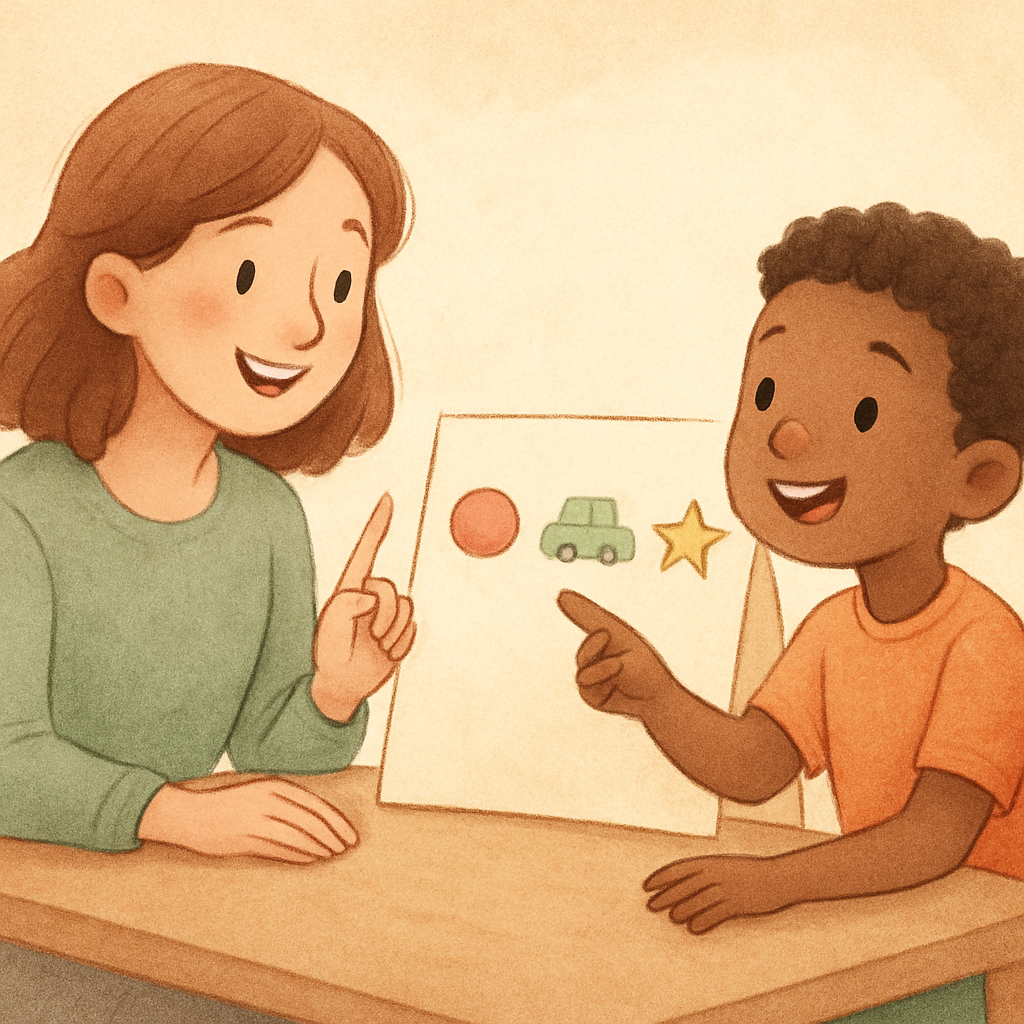
Interventions are then designed around what motivates your child. For example, if your child loves trains, the therapist might use trains during ABA sessions to teach skills like colors, numbers, or social interaction. This approach keeps your child engaged and supports learning in a structured environment.
Here’s how a therapist might customize therapy using the “ABC” model of behavior:
|
Component |
Description |
Example Customization |
|---|---|---|
|
Antecedent (A) |
What happens before the behavior. |
For a child overwhelmed by verbal instructions, the therapist might use visual aids or picture schedules. |
|
Behavior (B) |
The child’s action or response. |
Teaching replacement behaviors—like asking for a break instead of throwing a toy. |
|
Consequence (C) |
What happens after the behavior. |
Providing positive reinforcement, such as praise or extra playtime, for using new skills. |
How to Know If Behavioral Therapy is Working for Your Child
Seeing your child make progress is one of the most rewarding parts of the therapy journey. But how can you be sure it's working? One of the clearest indicators is observing positive changes in your child’s daily life. These shifts might be small at first, but they are significant milestones.
Your therapist will track your child’s progress against the goals set at the beginning of the therapy. They will use data to measure improvements and will regularly share this information with you. Open communication is key to understanding the positive results and making any necessary adjustments to the plan.
Look for signs that your child is learning and applying new skills outside of therapy sessions. These can be clear indicators that the therapy is having a real-world impact. Key signs include:
- Your child is using new communication methods to express their needs, reducing frustration.
- You see an improvement in daily living skills, like dressing or brushing their teeth more independently.
- Your child shows more interest in interacting with family members or peers.
- There's a noticeable decrease in challenging behaviors as they learn new coping strategies.
Accessing Behavioral Therapy Services in Australia
Finding the right behavioral therapy services for your child with autism spectrum disorder is a crucial step. In Australia, there are many avenues for support, but navigating them can sometimes feel overwhelming. Many families access services through the National Disability Insurance Scheme (NDIS), which can provide funding for various therapies.
From there, you can begin your search for a therapy provider. Providers may offer a range of services, including behavioral interventions, occupational therapy, and speech therapy, often under one roof. Knowing how to find and choose the right provider is essential for your child's success.
Navigating NDIS for Behavioral Therapy Services
The National Disability Insurance Scheme (NDIS) is the primary way many Australian families fund behavioural interventions for their children. If your child has an autism diagnosis, they may be eligible for an NDIS plan, which provides funding for "reasonable and necessary" supports. This can include a wide range of therapies designed to help your child build skills and participate in the community.
The first step is to apply for NDIS access. Once your child is approved, you will work with an NDIS representative to create a plan that outlines your child’s goals and the funding allocated to achieve them. This funding can be used for various services, including those provided by behavior specialists, occupational therapy professionals, and speech therapists.
To make the most of your plan, it's helpful to be prepared. Here are a few tips:
- Gather all relevant reports from doctors, pediatricians, and other specialists.
- Think about your child's short-term and long-term goals before your planning meeting.
- Clearly link the therapies you are requesting to your child's goals.
- Don't be afraid to ask for help from a support coordinator to navigate the system.
Tips for Choosing the Right Therapy Provider for Your Family
Selecting the right therapy provider is a deeply personal decision that can have a big impact on your child's development. Look for a provider whose philosophy aligns with your family’s values. The best providers practice neuro-affirming care, meaning they respect your child as an individual and focus on empowerment, not on making them "normal."
A good provider will have a team of qualified professionals, such as a certified behavior analyst, occupational therapists, and speech pathologists. They should be transparent about their methods and welcome your involvement. Effective management of children with autism involves a collaborative approach between the therapist and the family.
When you are researching a therapy provider, consider asking these questions:
- What are your qualifications and experience?
- What does your approach to positive behaviour support look like?
- How do you involve parents in the therapy process?
- Can you provide examples of how you tailor programs to individual children?
- Do you focus on child-led, play-based learning?
Conclusion
Understanding behavioral therapy for autism is essential for supporting children's growth and development. This approach sets measurable goals and tailors interventions to each child's needs. Tracking progress helps families make informed care decisions. Accessing services, such as NDIS in Australia, can enhance support. Choosing a provider who matches your family's values is key.
If you need guidance or support, reach out for a consultation or call daar at 02 9133 2500 to explore your options.
Frequently Asked Questions
Are There Any Risks or Concerns With Behavioral Therapy for Autism?
Modern behavioral therapy has evolved significantly. Today's practices avoid punishment and focus on positive reinforcement. However, it's important to choose a provider who uses neuro-affirming techniques and avoids trying to eliminate natural behaviors like stimming unless they are harmful. The goal of behaviour analysis should be to support, not suppress.
What Does a Typical Behavioral Therapy Session Look Like?
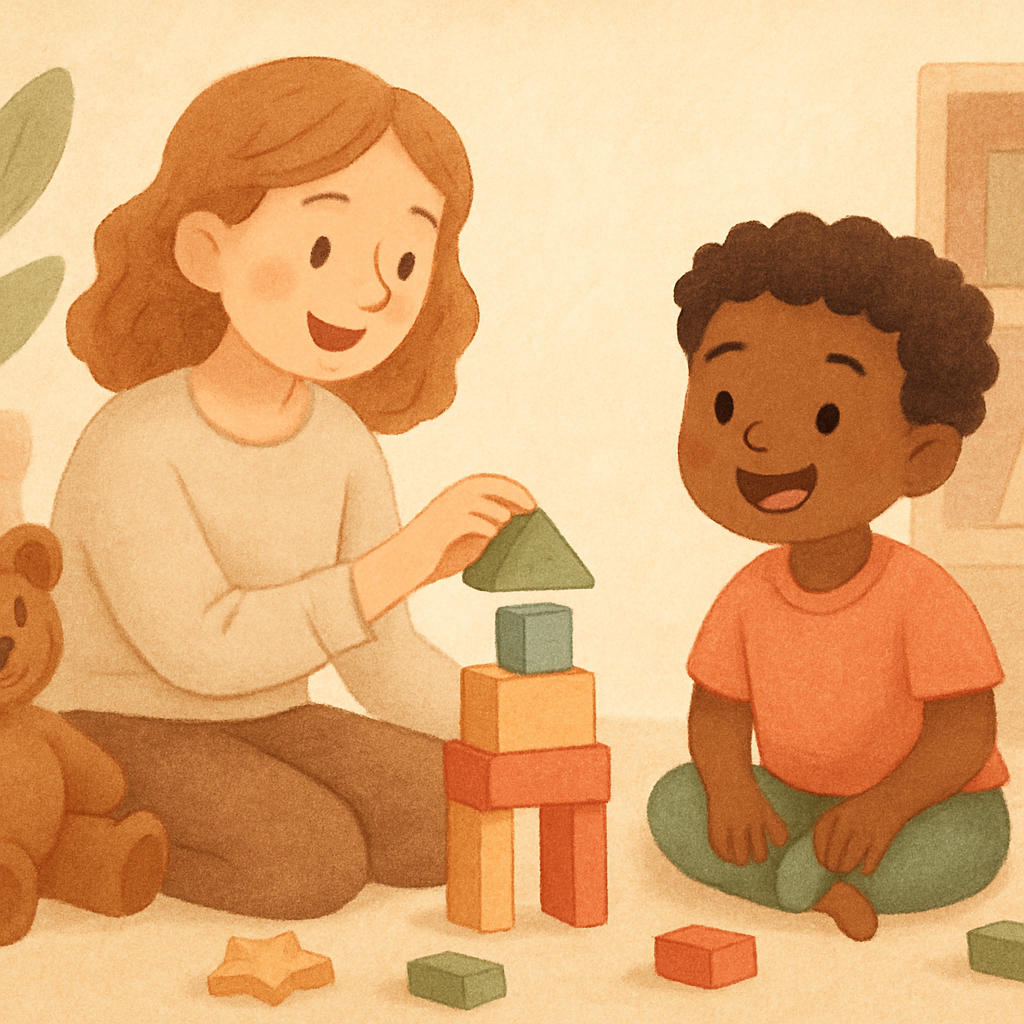
A typical session often looks like structured play. A therapist might use a child's favorite toys or games to work on skills training. Depending on the goals, ABA therapy could involve practicing daily life skills, social interactions, or communication. Each session is tailored to the child's needs through careful behaviour analysis.
Can Behavioral Therapy Support Both Autism and ADHD Needs?
Yes, behavioral therapy can be very effective for children with co-occurring autism spectrum disorder and ADHD. The strategies used in positive behaviour support, such as creating structure, breaking down tasks, and using reinforcement, can help children manage symptoms of both conditions and learn new skills for focus and emotional regulation.
.svg)




.svg)