
.png?width=48&height=48&name=Group%201%20(3).png)























16 March, 2026

Understanding Autism and Diet: Essential Nutritional Tips
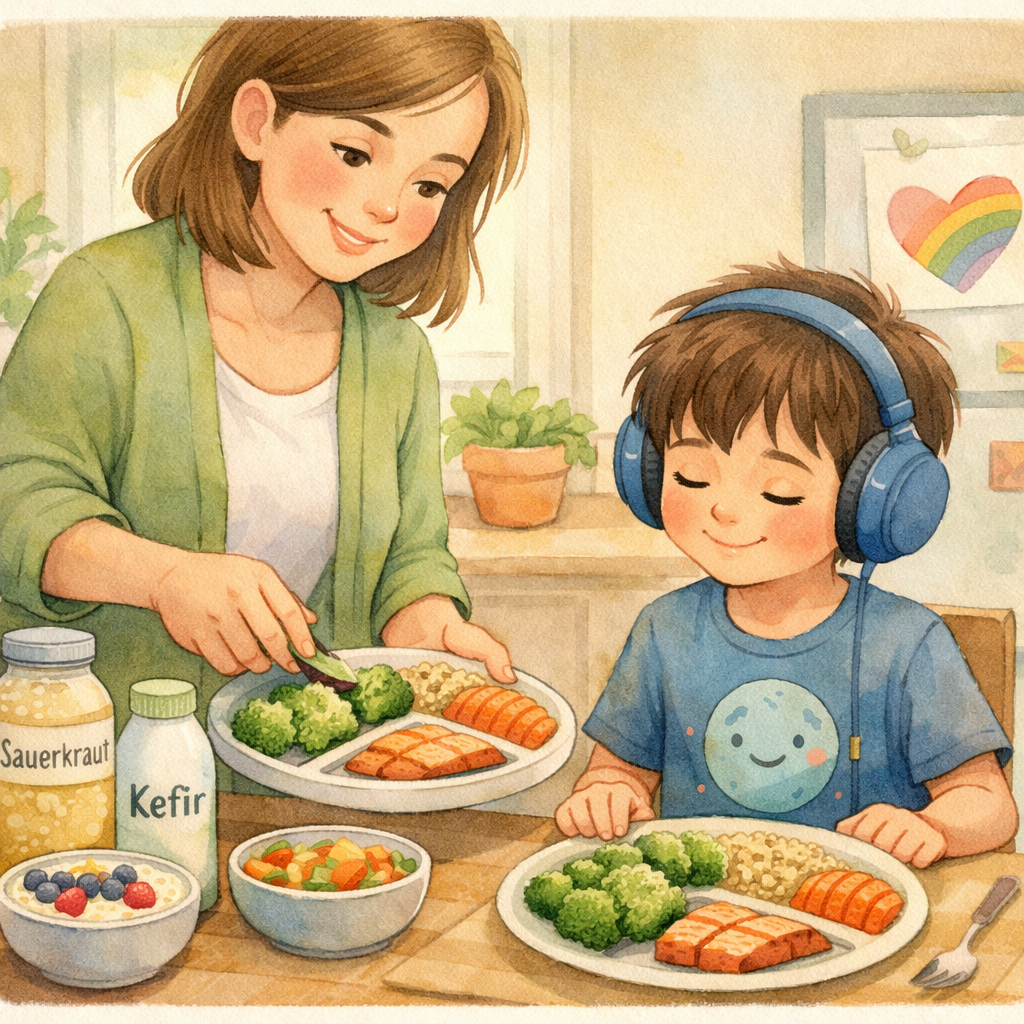
For many parents of autistic children, the dinner table can feel like a daily battleground. If your child’s diet consists entirely of five specific foods—perhaps a certain brand of chicken nuggets, a specific shape of cracker, and one type of juice—you are far from alone. Feeding challenges, including the limited number of foods consumed, are incredibly common in the neurodivergent community, and navigating the complex world of autism and diet can lead to nutritional deficiencies, making it feel overwhelming.
However, understanding the connection between what your child eats and how they feel is a powerful tool. Proper nutrition plays a vital role in supporting a child’s physical growth, cognitive development, and emotional regulation. When a child feels good physically, they are better equipped to handle the sensory and social demands of their day.
This guide is designed to help you understand the unique challenges of autism nutrition, explore the fascinating link between autism and gut health, and provide practical, compassionate strategies for introducing healthy foods for autistic children to support their overall health without the mealtime stress.
The Crucial Link Between Autism and Gut Health
To understand why diet matters so much, we first need to look at the stomach. Research has increasingly highlighted a strong connection between autism, food allergies, and gut health. In fact, children on the autism spectrum are significantly more likely to experience chronic gastrointestinal symptoms and gastrointestinal (GI) issues, such as constipation, diarrhea, bloating, and abdominal pain, compared to their neurotypical peers.
Why does this matter for behavior and mood? The answer lies in the "gut-brain axis." The gut and the brain are in constant communication. The gut produces many of the same neurotransmitters found in the brain, including serotonin, which regulates mood, sleep, anxiety, and food choices.
When an autistic child has an unhealthy or uncomfortable gut, it can directly impact their behavior. A child who cannot verbally express that their stomach hurts might show their discomfort through increased meltdowns, sleep disturbances, self-injurious behavior, or heightened anxiety. By addressing autism and gut health through targeted nutrition published in the journal of autism, including findings from a systematic review, parents often see a positive ripple effect in their child's overall comfort and emotional regulation.
Common Nutritional Challenges in Autism
Improving autism nutrition is rarely as simple as just putting healthier food on the plate, as autistic children often face unique barriers to eating a varied diet that can lead to excessive weight gain and poor nutrition rich in essential nutrients. Understanding these hurdles is the first step toward overcoming them with empathy.
Sensory Sensitivities
For an autistic child, eating is an intense sensory experience. They aren't just tasting the food; they are processing its texture, temperature, smell, and color. A strawberry might be sweet, but its tiny seeds and unpredictable squishiness can be a sensory nightmare. Many children prefer a variety of foods, especially highly processed foods (like crackers or nuggets), because they are predictable—every single bite looks, feels, and tastes the same. It is essential to consider potential medication interactions when assessing their dietary preferences.
Need for Routine and Sameness
Autistic children often rely on routine to feel safe in an unpredictable world. This need for sameness extends to their diet. They An autistic person may insist on eating from a specific blue bowl, require their food to be cut in a certain way, or refuse to eat a preferred food if the manufacturer changes the packaging, which can sometimes also be influenced by side effects of medications.
Motor Skill Challenges
Some children on the spectrum in Australia have low muscle tone or delayed oral-motor skills, which can lead to poor nutrition and nutrient deficiencies. Chewing tough meats or managing mixed textures (like soup with chunks of vegetables) can be physically exhausting or pose a choking hazard, leading them to reject these foods entirely.
Exploring an Autism Diet Plan: What You Need to Know
When parents start researching how to help their child, they often come across the concept of an autism diet plan. It is important to note that there is no single "autism diet" that works for every child, and diet is not a cure for autism. However, tailoring your child's meals to address specific intolerances and sensory issues can play an essential role in drastically improving their quality of life.
The Gluten-Free, Casein-Free (GFCF) Diet
The most widely discussed autism diet plan is the GFCF diet, which emphasizes the importance of incorporating whole grains. This involves removing all gluten (a protein found in wheat, barley, and rye) and casein (a protein found in dairy products) from the child's diet, making significant dietary changes.
The theory behind the GFCF diet is that some autistic children have "leaky gut" issues, meaning these proteins aren't broken down properly and leak into the bloodstream, potentially causing brain fog, inflammation, and behavioral issues, impacting their immune system. While scientific studies on the GFCF diet are mixed, many parents report significant improvements in their child's digestive issues, eye contact, and focus after eliminating these proteins.
Anti-Inflammatory and Whole Foods Approaches
Even if you don't eliminate gluten or dairy, shifting toward an anti-inflammatory diet can be highly beneficial for your physical health. This means reducing highly processed foods, artificial food dyes, and refined sugars, which can exacerbate hyperactivity and gut imbalances.
Always consult with a pediatrician or a registered dietitian before making drastic changes to your child's diet to ensure they are still receiving all necessary nutrients for growth.
The Best Foods for Autistic Children
When looking to boost your child's brain and body health, focus on nutrient density, including folic acid and vitamin D. Here are some of the best foods for autistic children to try incorporating into their meals:
- Omega-3 Fatty Acids: Essential for brain health, focus, and reducing inflammation. Found in fatty fish like salmon, chia seeds, flaxseeds, and walnuts. (If your child won't eat fish, a high-quality Omega-3 supplement or gummy can be a great alternative).
- Fiber-Rich Foods: Crucial for supporting autism and gut health and preventing constipation. Apples, pears, berries, oats, and brown rice are excellent sources.
- Lean Proteins: Protein helps stabilize blood sugar and provides sustained energy, reducing mood spikes and crashes. Try eggs, poultry, beans, or smooth nut butters.
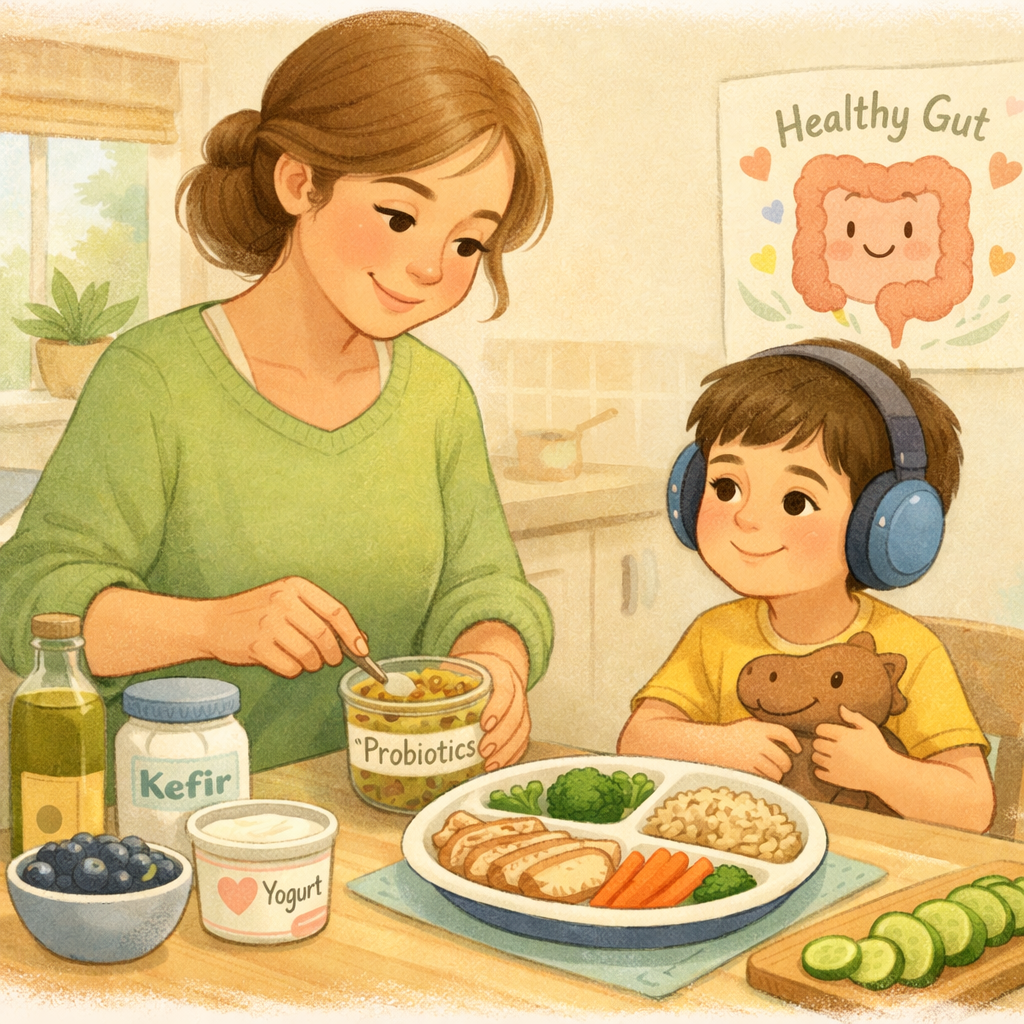
- Probiotic Foods: To build a healthy gut microbiome, introduce foods with beneficial bacteria, such as yogurt (dairy or dairy-free), kefir, or mild fermented foods.
- Magnesium and Zinc: These minerals support sleep and immune function. Pumpkin seeds, spinach, and fortified cereals are good sources.
Practical Tips for Expanding Your Child's Diet

Knowing what your child should eat and actually getting them to eat it are two very different things. Here are compassionate, low-stress strategies to improve autism nutrition:
1. Try "Food Chaining"
Food chaining is a gentle way to introduce new foods by linking them to foods your child already loves. If your child only eats McDonald's french fries, the introduction of physical activity might be beneficial as part of the approach, especially for children with autism spectrum disorder:
- Step 1: McDonald's fries.
- Step 2: A different brand of fast-food fries.
- Step 3: Frozen fries baked at home.
- Step 4: Homemade baked potato wedges.
- Step 5: Baked sweet potato wedges.
You move to the next step only when the child is completely comfortable with the current one.
2. Remove the Pressure
Anxiety kills appetite. If you are stressed at the dinner table, your child will feel it, affecting their eating habits. Adopt a "no-pressure" policy. Your job is to offer the food; their job is to decide if they will eat it. While these suggestions may help, remember this is not specific medical advice. Place a tiny, pea-sized amount of a new food on their plate alongside their preferred foods, and do not force them to eat it.
3. Encourage Food Exploration
Let your child interact with food outside of mealtime without the expectation of eating. Let them wash vegetables in the sink, stir batter, or use cookie cutters on sandwiches. Making small changes such as touching, smelling, and playing with food desensitizes them to new textures and reduces fear, especially when addressing a limited diet.
4. Hide the Nutrients (While Building Tolerance)
While you work on expanding their palate and considering their food preferences, it is perfectly okay to sneak nutrients into their favorite foods they already accept. Blend spinach into a fruit smoothie, puree carrots into macaroni and cheese sauce, or bake zucchini into chocolate muffins.
Conclusion
Navigating the intersection of autism and diet is a marathon, not a sprint. It is completely normal to feel frustrated when your child refuses a meal you spent hours preparing, or when you worry they aren't getting the nutrients they need to help manage the symptoms of autism and food aversions related to ASD. Take a deep breath. You are doing a wonderful job.
By understanding the vital link between autism and gut health, respecting your child's sensory needs and boundaries, and taking small, patient steps toward introducing new foods for autistic children, you can help your child feel better in their body and make mealtimes a more peaceful experience for the whole family. Here are some helpful tips: Remember, every tiny step forward—even just touching a new vegetable—is a victory worth celebrating.
Need more support on your feeding journey? You don't have to figure out autism nutrition on your own. Reach out for a consultation or call daar at 02 9133 2500.
Frequently Asked Questions (FAQ)
Why is autism and gut health so closely connected?
Many autistic children experience chronic gastrointestinal issues like constipation or bloating. Because of the gut-brain axis, the health of the digestive system directly impacts neurotransmitters that regulate mood and behavior in conditions such as attention deficit hyperactivity disorder, playing a vital role in disease control. Improving autism and gut health often leads to reduced physical discomfort, which in turn can decrease anxiety and behavioral meltdowns.
What is the best autism diet plan?
There is no universal autism diet plan because every child's biology and sensory profile is unique. Many families find success with a Gluten-Free, Casein-Free (GFCF) diet, while others focus simply on reducing processed foods, artificial dyes, and food sensitivities, which can affect blood sugar levels. The best plan is one tailored to your child's specific nutritional needs and food intolerances, ideally guided by a healthcare professional.
How can I improve autism nutrition if my child is an extreme picky eater?
Improving autism nutrition and nutritional intake takes time. Start by using 'food chaining' to make tiny, gradual changes to foods they already like. Remove all pressure at the dinner table, allow them to play with and explore new food groups without the expectation of eating, and consider hiding pureed vegetables in their preferred meals to ensure they get essential vitamins.
What are the best foods for autistic children?
The best foods for autistic children support brain development and gut health. A balanced diet focusing on Omega-3 fatty acids (like salmon or chia seeds), healthy fats, high-fiber fruits and vegetables (to aid digestion), lean proteins (for stable energy), and probiotic-rich foods is essential. Always adapt the presentation of these foods to fit your child's sensory preferences (e.g., blending fruits into a smooth texture if they dislike chunks).
.svg)




.svg)