
.png?width=48&height=48&name=Group%201%20(3).png)
























11 March, 2026

Understanding the Autism Gut Brain Connection: Key Insights
Key Highlights
Here are the key takeaways about the gut-brain connection in autism spectrum disorder:
- Many children with autism spectrum disorder also experience gastrointestinal symptoms, which can impact behavior.
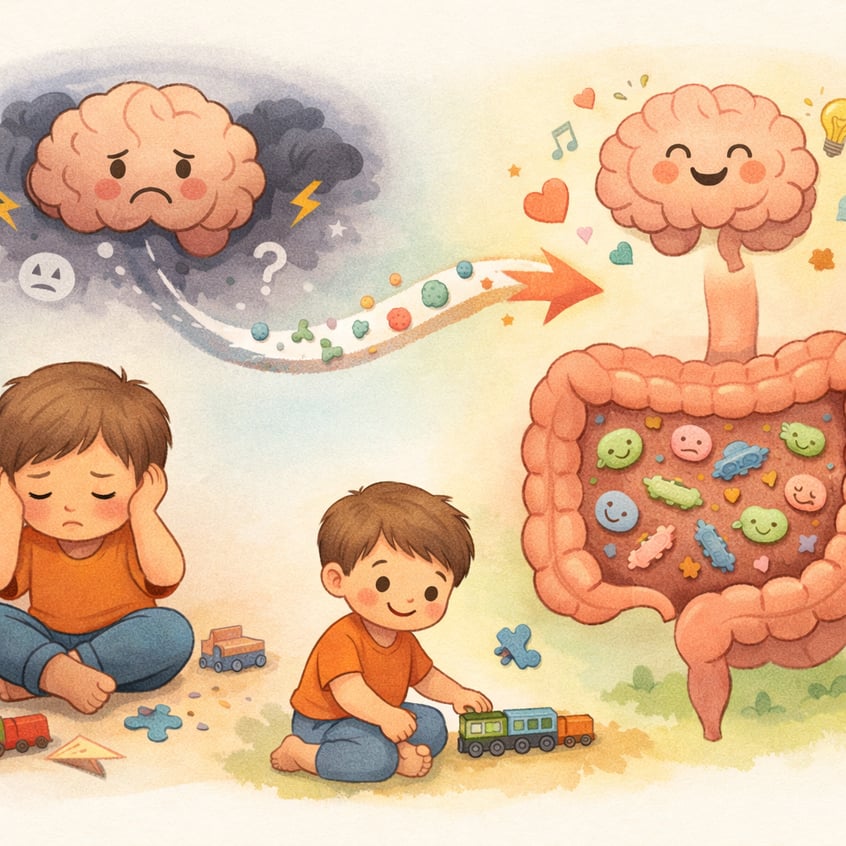
- Research suggests a link between the gut microbiome and symptoms of autism, focusing on the gut-brain connection.
- Differences in gut bacteria are often observed in individuals with ASD compared to neurotypical peers. Probiotics are being studied for their potential to improve the balance of the gut microbiome and ease GI issues. However, according to the latest research, gut bacteria are not considered a direct cause of autism. Instead, current studies suggest that while the gut microbiome may influence symptoms or co-occurring GI issues in ASD, it is not the root cause of the condition.
- Probiotics are being studied for their potential to improve the balance of the gut microbiome and ease GI issues.
- The immune system and inflammation may play a role in how gut health influences brain function and behavior.
Introduction
Welcome to our exploration of the fascinating link between gut health and autism. The autism spectrum is a complex neurodevelopmental condition, and recent studies have started to uncover a surprising connection to the gut microbiome. Many individuals with autism also experience digestive issues, and scientists are investigating how the community of bacteria in our gut might influence the core symptoms of autism. This has opened up new avenues of research, including the potential role of probiotics in supporting overall well-being. However, according to the latest research, gut bacteria is not considered a direct cause of autism. Rather, scientists believe that differences in the gut microbiome may be associated with certain symptoms or co-occurring conditions, but they do not view these bacteria as the underlying cause of autism itself.
Understanding Gut Microbiota and Dysbiosis
The gut microbiota consists of trillions of microorganisms in your digestive tract. This community, also called the gut microbiome, is crucial for digestion, immunity, and brain function. Dysbiosis occurs when this balance is disrupted, leading to fewer beneficial bacteria or more harmful microbes.
Recent studies show gut microbiota diversity can change significantly in children with ASD, and this imbalance may be linked to autism symptoms. Next, we’ll examine the specific bacteria involved, signs of dysbiosis, and current research findings.
Popular Gut Bacteria Linked With Autism
Research shows that gut bacteria in individuals with autism often differ from those in neurotypical people. Children with ASD may have fewer beneficial bacteria and more of certain less helpful strains.
Key findings include:
- Bifidobacterium: Often lower in children with ASD; linked to symptom severity.
- Lactobacillus: Levels vary. Strains like Lactobacillus reuteri are being studied for potential benefits.
- Clostridium and Collinsella: Frequently higher in children with ASD.
- Akkermansia: Elevated in some individuals with autism.
This field is still developing. While strains like Lactobacillus reuteri show promise in animal studies, further research is needed to clarify which bacteria are most consistently associated with autism and their impact on symptoms.
Causes and Signs of Gut Microbiome Imbalance
A gut microbiome imbalance, or dysbiosis, can result from factors like diet, antibiotic use, stress, and illness. For children with autism—who often have selective eating habits—diet is especially important for gut health.
Recognizing signs of imbalance is crucial. While symptoms vary, common indicators include:
- Chronic constipation or diarrhea
- Excessive gas and bloating
- Abdominal pain and cramping
- Food intolerances
These symptoms signal that the gut ecosystem is disrupted. Improving diet, making lifestyle changes, and using probiotics may help restore balance and support gut health.
Research on Microbiota Differences in Autism
Recent research has increasingly focused on the differences in microbiota between individuals with autism and their neurotypical counterparts. A systematic review of studies, including both human clinical trials and animal studies, reveals a pattern of altered gut bacteria in ASD. These differences are not always consistent across all studies, highlighting the complexity of the gut-brain relationship.
Animal studies have been particularly insightful. For example, when gut microbiota from human donors with ASD were transplanted into mice, the mice began to exhibit autism-like behaviors. This suggests a direct link between the gut microbiome and behavioral symptoms. Recent research is now moving toward larger clinical trials to understand these connections in humans better.
Many studies have documented specific differences in bacterial populations. Below is a summary of findings from various research efforts.
|
Bacterial Group |
Common Finding in Autism Studies |
|---|---|
|
Bifidobacterium |
Often found to be at lower levels |
|
Lactobacillus |
Levels can be higher or lower depending on the study |
|
Clostridium |
Sometimes found at higher levels |
|
Akkermansia |
Observed at elevated levels in some studies |
Immune System Link to Gut-Brain Axis in Autism
The immune system is a critical player in the communication between the gut and the brain. The gut-brain axis is not just a neural highway; it's also heavily influenced by immune responses that begin in the digestive tract. An imbalanced gut microbiome can trigger immune cells, leading to inflammation that can affect the entire body, including the central nervous system.
This process, sometimes leading to neuroinflammation, is being studied for its connection to autism. An overactive immune response originating in the gut could potentially impact brain development and function. Let’s explore how these gut-driven immune responses, neuroinflammation, and study evidence fit into the picture.
Gut-Driven Immune Responses and Inflammation
A large portion of your immune cells are found in the GI tract, where they constantly interact with gut microbiota. A balanced microbiota helps train the immune system and supports healthy immune responses.
When the gut microbiota is imbalanced, certain bacteria can trigger inappropriate immune reactions. This causes immune cells to release inflammatory cytokines—proteins that promote inflammation. For example, bacterial lipopolysaccharide (LPS) can strongly activate the immune system.
These inflammatory signals can leave the gut and spread through the bloodstream, affecting other organs, including the brain. Research shows that some children with ASD have altered cytokine levels, such as IL-6 and IL-17A, linking gut inflammation to immune dysregulation in autism.
Role of Neuroinflammation in Autism
Neuroinflammation is inflammation in the brain or central nervous system and is increasingly linked to neurodevelopmental conditions like autism. It involves activation of microglia, the brain’s immune cells.
While normal inflammation helps protect the body, chronic brain inflammation can disrupt development, interfere with neuron communication, and contribute to autism-related behaviors.
The gut-brain axis allows signals from the gut to affect the brain. Inflammatory molecules from an imbalanced gut microbiome can cross the blood-brain barrier and trigger neuroinflammation. This highlights the importance of a healthy gut for maintaining brain health.
Evidence From Animal and Human Studies
Evidence supporting the link between the gut, immune system, and autism comes from both animal models and human clinical trials. Animal studies have been instrumental in demonstrating a cause-and-effect relationship. For instance, a recent study showed that maternal gut bacteria could promote neurodevelopmental abnormalities in mouse offspring.
Human studies, though more complex, are also providing valuable insights. Researchers are conducting clinical trials with a placebo control group and a sufficient sample size to test the effects of interventions like probiotics. These studies often measure changes in behavior, GI symptoms, and inflammatory markers.
Key findings from this body of research include:
- Mouse Models: Animal models have shown that certain gut bacteria can promote ASD-like behaviors, while beneficial bacteria like Lactobacillus reuteri can reduce them.
- Inflammatory Markers: Some studies have found altered levels of inflammatory cytokines (e.g., IL-6, IL-17A) in the blood of children with autism.
- Probiotic Trials: Early-stage clinical trials are exploring whether probiotics can reduce inflammation and improve symptoms.
- Gut Permeability: Research suggests that some individuals with ASD may have increased intestinal permeability ("leaky gut"), which could allow bacterial toxins to enter the bloodstream and trigger an immune response.
Diet, Nutrition, and the Gut-Brain Axis in Autism
What you eat directly fuels the trillions of microbes in your digestive tract. Diet and nutrition are powerful tools for shaping the gut microbiome and, by extension, influencing the gut-brain axis. For children with autism, who often have selective eating habits, the food they consume can have a profound impact on their gut health and overall well-being.
A thoughtful approach to nutrition can help foster a healthy gut environment, potentially easing digestive issues and supporting brain function. In the following sections, we will discuss how diet modulates the microbiome, which foods support beneficial bacteria, and the specific role of dietary fibers and prebiotics.
How Diet Modulates the Gut Microbiome
Diet is a key factor shaping your gut microbiota. The foods you eat provide nutrients for different bacteria. A diverse, plant-based diet supports a healthy and resilient gut ecosystem, while processed foods and sugar can disrupt this balance.
Children with autism often have limited food preferences, leading to less dietary variety and reduced gut microbiota diversity, which may worsen GI issues and symptoms.
Even small dietary changes can help. Gradually introducing new, nutrient-rich foods can improve gut health by supporting beneficial bacteria and strengthening the connection between the gut and brain.
Foods That Support Healthy Gut Bacteria
To promote a healthy gut, it's important to eat foods that nourish your beneficial bacteria. These foods are often rich in dietary fibers and compounds called prebiotics, which act as food for the good microbes in your gut. Incorporating a variety of these foods can support gut health and contribute to a balanced microbiome.
A diet that supports a healthy gut often includes a wide range of plant-based foods. Here are some examples of foods that are great for your gut:
- High-Fiber Fruits and Vegetables: Foods like berries, apples, bananas, leafy greens, and broccoli are packed with fiber.
- Whole Grains: Oats, barley, and quinoa provide complex carbohydrates that beneficial bacteria love.
- Legumes: Beans, lentils, and chickpeas are excellent sources of fiber and prebiotics.
- Fermented Foods: Yogurt with live cultures, kefir, and sauerkraut contain live probiotics that can add to your gut's population of good bacteria.
Introducing these foods into a child's diet, especially one who is a selective eater, may require patience and creativity. Starting with small portions and finding fun ways to prepare them can make the process easier.
Role of Dietary Fibers and Prebiotics
Dietary fibers and prebiotics are essential for gut health. Though your body can't digest them, they reach the large intestine and feed beneficial gut bacteria, supporting a healthy microbiome.
When these fibers are fermented by gut bacteria, they produce short-chain fatty acids (SCFAs) like butyrate. SCFAs nourish digestive cells, strengthen the gut barrier, reduce inflammation, and even support brain health.
Prebiotics—found in foods like garlic, onions, bananas, and asparagus—are specific fibers that promote good bacteria growth. Including plenty of dietary fibers and prebiotics in your diet can boost digestion, ease GI discomfort, and support overall health.
Probiotics and Autism—What Science Says
Probiotics, which are live beneficial bacteria, have gained significant attention for their potential role in supporting health. In the context of autism spectrum disorder, researchers are investigating whether supplementing with probiotics can help rebalance the gut microbiome and improve both GI and behavioral symptoms. The effects of probiotics are being closely examined in a growing number of clinical trials.
The science is still emerging, but early findings are promising. Studies are exploring how adding specific strains of good bacteria might alleviate digestive issues and potentially influence the core symptoms of autism. We’ll now review what these studies have found about probiotics for digestive issues, notable clinical trials, and the latest research on behavior.
Overview of Probiotic Effects on Digestive Issues Autism

Probiotic supplementation is being studied as a way to manage the persistent digestive issues common in autism. The primary goal is to introduce beneficial bacteria into the gut to help restore a healthy microbial balance. By doing so, probiotics may help alleviate common GI symptoms like constipation, diarrhea, and abdominal pain.
Several studies have explored this possibility. A pilot trial found that a probiotic and colostrum supplement helped improve gut function in children with autism and GI symptoms. Another study using a Lactobacillus and Bifidobacterium mixture also reported improvements in gastrointestinal symptoms and quality of life.
The idea is that by improving the gut environment, the negative impact of digestive issues on behavioral symptoms might also be lessened. While more research is needed to confirm these effects and identify the most effective strains, the current evidence suggests that probiotic supplementation could be a helpful tool for managing GI distress in autistic children.
Notable Clinical Trials and Study Findings
The scientific community is conducting more rigorous clinical trials to understand the effects of probiotics in autism. These studies are designed with a control group (receiving a placebo), a sufficient sample size, and clear outcome measures to produce reliable results. This recent research is crucial for moving beyond anecdotal reports to evidence-based recommendations.
One notable study protocol describes a randomized, double-blind, placebo-controlled trial involving 160 children with ASD. The trial aims to evaluate the efficacy of a probiotic mixture on ASD symptoms, immunity, and metabolism over a three-month period, followed by a washout and follow-up. Another pilot trial showed that probiotics helped improve GI symptoms and quality of life in children with autism.
These trials are essential for identifying which probiotic strains, dosages, and treatment durations are most effective.
|
Study Aspect |
Example of a Recent Trial |
|---|---|
|
Design |
Randomized, double-blind, placebo-controlled |
|
Sample Size |
160 children with ASD (in a proposed trial) |
|
Intervention |
Probiotic mixture (e.g., Lactobacillus, Bifidobacteria) or placebo |
|
Primary Outcomes |
Changes in ASD core symptoms (ATEC scale), GI symptoms, and sleep |
|
Additional Measures |
Changes in gut microbiota, inflammatory markers, and metabolism |
Latest Research on Probiotics and Autism Behaviors
The latest research is beginning to connect probiotic treatments not just to gut health, but also to changes in behavioral symptoms in autistic children. While improvements in GI comfort can indirectly lead to better behavior, some studies suggest a more direct impact on the brain via the gut-brain axis.
For example, a study on Lactobacillus plantarum PS128 found that it had positive effects on children with ASD, while another open-label study noted that probiotics could play a role in ameliorating ASD severity. These findings hint that certain probiotic strains might influence neurotransmitter levels or reduce neuroinflammation, leading to a significant improvement in behaviors like social interaction or repetitive actions.
However, the results are not always consistent across all studies. Some trials show modest or no effect on core autism behaviors. This highlights the need for more future research to identify which children are most likely to benefit, which specific strains are effective, and the mechanisms behind these changes.
Choosing the Right Probiotics for Autistic Children
If you are considering probiotics for your child, choosing the right product can feel overwhelming. With so many options available, it's important to focus on specific probiotic strains that have been studied for autism, pay attention to product quality, and follow appropriate dosage guidelines. Not all probiotics are created equal, and their effects can vary widely.
Consulting with a healthcare provider is a crucial first step. They can help you navigate the options and make an informed decision based on your child's specific needs. Next, we will cover the most studied strains, dosage and quality considerations, and other important factors to discuss with your doctor.
Most Studied Probiotic Strains for Autism
While research is ongoing, certain probiotic strains have appeared more frequently in studies related to autism. These strains of beneficial bacteria have shown some promise in either animal models or human clinical trials for improving GI symptoms or influencing behavior. When looking at probiotic supplements, checking for these specific strains can be a good starting point.
Some of the most studied probiotic strains include:
- Lactobacillus species: Strains like Lactobacillus reuteri, Lactobacillus plantarum, and Lactobacillus rhamnosus GG have been investigated. L. reuteri is particularly interesting due to its role in social behavior in mouse studies.
- Bifidobacterium species: Bifidobacterium longum and Bifidobacterium breve are often included in probiotic mixtures studied for their anti-inflammatory properties and ability to support gut health.
- Streptococcus thermophilus: This strain is sometimes included in multi-strain formulations.
It's often recommended to look for multi-strain probiotic supplements, as mixtures of different beneficial bacteria may offer broader benefits. Always check the product label to see which specific strains are included.
Dosage Guidelines and Product Quality
Once you've identified potential strains, understanding dosage and product quality is the next step. Probiotic dosage is measured in Colony Forming Units (CFUs), which indicates the number of live microbes in each serving. Clinical trials have used a wide range of dosages, but many studies on children use formulations in the billions of CFUs.
Following the dosage guidelines on the product label is important, but it's best to start with a lower dose to see how your child tolerates it. A healthcare provider can offer personalized advice on the appropriate starting dose and how to adjust it if needed. This can help minimize any potential adverse effects, like temporary gas or bloating.
Product quality is also crucial. Look for reputable brands that provide third-party testing to verify the CFU count and ensure the product is free from contaminants. Proper storage, such as refrigeration if required, is also essential to maintain the viability of the live bacteria in the probiotic supplements.
Factors to Consider Before Starting Probiotics
Before introducing any new supplement, including probiotics, it's wise to consider several factors and have a discussion with a healthcare provider. Probiotics are generally considered safe, but they may not be suitable for everyone, especially children with compromised immune systems. A doctor can help you weigh the potential benefits against any risks.
Think about what specific symptoms you are hoping to address. Are you targeting GI issues like constipation, or are you hoping for an improvement in behavior? Having clear goals will help you and your doctor monitor for changes and determine if the probiotic is improving your child's quality of life.
Here are some key factors to consider:
- Consult a Healthcare Provider: Always discuss starting probiotics with a doctor or registered dietitian.
- Identify Target Symptoms: Be clear about what you hope to improve (e.g., GI comfort, sleep, behavior).
- Start Low and Go Slow: Begin with a small dose to monitor for any potential side effects.
- Review Recent Research: Stay informed about the latest findings, but be cautious about making decisions based on single studies.
Integrating Diet and Probiotics—Practical Tips
Combining a thoughtful diet with probiotics can create a powerful synergy for supporting gut health. While probiotics add beneficial bacteria to the gut, a healthy diet provides the fuel those microbes need to thrive. These practical tips can help you integrate both nutrition strategies and probiotics into your child's routine effectively.
The key to success is a gradual approach and careful monitoring of any changes you observe. By working with a healthcare provider, you can create a personalized plan that supports your child's unique needs. The following sections offer advice on combining these strategies, monitoring improvements, and consulting with professionals.
Combining Nutrition Strategies With Probiotics
To get the most out of probiotics, it’s helpful to pair them with nutrition strategies that support a healthy gut. Think of it as preparing a welcoming home for the new beneficial gut bacteria you're introducing. A diet rich in fiber and prebiotics provides the ideal food source for these microbes to flourish.
When combining probiotics with dietary changes, a gradual approach is often best, especially for children with food sensitivities or selective eating habits. Suddenly overhauling the diet can be overwhelming. Instead, try introducing one new food or making one small change at a time.
Here are a few tips for combining these strategies:
- Include Prebiotic Foods: Offer foods rich in prebiotics, like bananas, asparagus, or oats, to feed the good gut bacteria.
- Focus on Fiber: Gradually increase dietary fiber from fruits, vegetables, and whole grains to support digestive health.
- Time it Right: Some people prefer to take probiotics with food to buffer them from stomach acid, though you should follow the product's specific instructions.
- Stay Hydrated: Adequate water intake is essential for helping fiber do its job and supporting overall gut function.
Monitoring Changes and Possible Improvements
When starting a new intervention like probiotics or dietary changes, it's important to monitor progress. Keep a simple journal to track symptoms and behaviors before and after beginning the routine—this helps reveal what’s working.
Watch for various improvements, such as more regular bowel movements, reduced bloating, better mood, improved sleep, or increased focus.
Changes may be subtle and take time to appear; some families see results in weeks, while others may wait a month or longer. Consistent tracking helps you spot patterns and assess your child’s quality of life, giving you clear information to share with your healthcare provider.
Consulting Healthcare Providers in Australia
Whether you are in the United States, Australia, or anywhere else, consulting with a qualified healthcare provider is a non-negotiable step before starting any new ASD treatment, including probiotics. A professional can offer guidance tailored to your child's specific health profile, which is crucial for ensuring safety and effectiveness.
In Australia, you might consult with a General Practitioner (GP), a pediatrician, a pediatric gastroenterologist, or an accredited practicing dietitian. These professionals can help you navigate the available products, discuss potential benefits and risks, and integrate probiotics into your child's existing care plan.
They can also help rule out other underlying medical conditions, such as celiac disease or inflammatory bowel disease, that might be causing GI symptoms. This ensures that you are pursuing the most appropriate ASD treatment path. A collaborative approach with your healthcare team is the best way to support your child's health and well-being.
Potential Risks and Considerations With Probiotics
While probiotics are generally considered safe for most people, it's important to be aware of the potential risks and considerations before giving them to your child. Mild side effects can occur, and there is a small risk of more significant adverse effects, particularly in children with certain health conditions. Understanding these possibilities is part of making an informed decision.
It's also important to think about how probiotics might have interactions with other treatments or medications your child may be taking. Discussing these potential side effects and risks with a healthcare provider is the best way to ensure your child's safety.
Known Side Effects and Safety Precautions
The most common side effects of probiotics are typically mild and temporary, often occurring as the digestive system adjusts to the new bacteria. These usually subside within a few days or weeks of starting the supplement. Knowing what to expect can help you manage this initial adjustment period.
To minimize potential side effects, it's often recommended to start with a lower dose and gradually increase it. This gives the gut microbiome time to adapt. While serious adverse effects are rare in healthy individuals, safety precautions are especially important for children with compromised immune systems or other serious health issues.
Common potential side effects may include:
- Gas and bloating
- Mild abdominal discomfort
- A temporary change in bowel habits (constipation or diarrhea)
If these side effects are severe or do not go away, it's important to stop the probiotic and consult your healthcare provider.
Interactions With Other Treatments
When considering probiotics as part of an ASD treatment plan, it's essential to think about potential interactions with other therapies or medications. Probiotics can influence the immune system and the central nervous system, so they may interact with treatments that also target these systems.
For example, if a child is taking immunosuppressant medication, introducing live bacteria could pose a risk. Antibiotics can also reduce the effectiveness of probiotics, so it's often recommended to take them at different times of the day. Always inform your healthcare provider about all medications, supplements, and therapies your child is receiving.
Your doctor can help you understand any potential interactions and create a safe and coordinated treatment plan. This ensures that all aspects of your child's care work together effectively, without unintended consequences. Open communication with your healthcare team is key to managing a comprehensive ASD treatment strategy.
When to Seek Medical Advice

Knowing when to seek medical advice is crucial when using any new supplement. While mild, temporary side effects can be normal, certain signs indicate that you should contact your healthcare provider. Trust your instincts—if you are concerned about your child's reaction to a probiotic, it's always best to check in with a professional.
You should seek medical advice if your child experiences any severe or persistent symptoms after starting probiotics. This includes severe abdominal pain, persistent vomiting or diarrhea, or any signs of an allergic reaction, such as a rash or difficulty breathing. These could be signs of a more serious issue that requires medical attention.
Additionally, if you don't see any improvement in your child's symptoms of autism or quality of life after a reasonable period, it's a good idea to discuss this with your healthcare provider. They can help you re-evaluate the treatment plan and decide on the next steps.
Conclusion
In summary, understanding the gut-brain connection is essential for supporting autistic individuals and addressing their unique needs. The interplay between digestive health and neurological functioning highlights the importance of a holistic approach that includes proper nutrition, probiotics, and a keen awareness of gastrointestinal issues. As we continue to uncover the complexities of this connection, it becomes increasingly clear that tailored dietary strategies and probiotic interventions can make a significant difference in managing symptoms and improving overall quality of life.
If you're interested in exploring how these insights can benefit you or your loved ones, don't hesitate to reach out for a consultation or call daar at 02 9133 2500 with our experts.
Frequently Asked Questions
How long does it take to see results from probiotics in autistic children?
The time it takes to see the effects of probiotics in autistic children can vary. Some clinical trials report changes in GI or behavioral symptoms within a few weeks, while others may take a few months. Consistent use is key, and improvements in quality of life may be gradual.
Are there risks involved in giving probiotics to children with autism?
Probiotics are generally safe for autistic children, but potential side effects like temporary gas or bloating can occur. The primary risk is for children with a compromised immune system. It's essential to consult a doctor before starting to avoid complications related to gastrointestinal issues or other conditions.
Is gut bacteria considered a cause of autism according to recent research?
Recent research does not consider gut bacteria a direct cause of autism spectrum disorder. Instead, studies suggest that an imbalanced gut microbiota may be a contributing factor that influences the severity of symptoms in some individuals with neurodevelopmental disorders, but it is not the sole cause.
.svg)




.svg)