
.png?width=48&height=48&name=Group%201%20(3).png)
























12 March, 2026

Discover the Best Diet for Autism Spectrum Disorder
Key Highlights
Here are the key takeaways from this guide on wellness for the autism spectrum: A balanced diet and regular exercise can play a significant role in improving the quality of life for autistic children and adults. Current research explores the connection between gut bacteria and the autism spectrum. While there is ongoing investigation into whether gut bacteria may influence or impact symptoms, there is no conclusive evidence that gut bacteria directly cause autism in children. Maintaining gut health through a balanced diet may still support overall well-being.
- A balanced diet and regular exercise can play a significant role in improving the quality of life for autistic children and adults.
- There is a strong connection between gut health and brain function, with many individuals on the autism spectrum experiencing gastrointestinal issues.
- Improving gut health through diet, probiotics, and prebiotics may help alleviate some behavioral symptoms.
- Managing picky eating and food sensitivities requires patience and practical strategies, such as creating a positive mealtime environment.
- Personalized exercise routines can help reduce repetitive behaviors and improve social skills.
- Before making significant diet or exercise changes, it is crucial to consult with healthcare professionals to ensure safety and nutritional balance.
Introduction
Navigating wellness for a loved one with Autism Spectrum Disorder (ASD) can feel like a unique journey. While there's no cure for autism, growing research highlights how diet and exercise can significantly support overall well-being. Understanding the symptoms of autism, such as challenges with social communication and repetitive behaviors, is the first step. By focusing on a personalized approach to nutrition and physical activity, you can help manage these symptoms and enhance your loved one's quality of life, leading to better health and happiness. When it comes to gut bacteria and autism, research is still ongoing. While some studies suggest there may be a link between the gut microbiome and autism symptoms, current evidence does not show that gut bacteria directly cause autism in children. More research is needed to understand this complex relationship fully.
Understanding Autism Spectrum Disorder and Overall Wellness
Autism Spectrum Disorder is a complex neurodevelopmental condition that affects each person differently. As one of the spectrum disorders, it presents a wide range of symptoms and support needs. Many myths surround nutrition for children with autism, but the fact is that a well-managed diet can sometimes help with behavioral challenges by addressing underlying issues like gut discomfort.
Understanding the connection between diet, exercise, and the symptom of autism is key to improving overall wellness. Let's explore what ASD is, why wellness is so important, and how lifestyle factors can make a positive impact. While recent research has shown that gut bacteria may influence aspects of brain development and behavior, there is currently no conclusive evidence that gut bacteria directly cause autism in children. Studies suggest a potential link between gut health and autism symptoms, but more research is needed to fully understand the relationship.
What is Autism Spectrum Disorder?
Autism Spectrum Disorder (ASD) is a neurodevelopmental condition marked by challenges in social communication, restricted interests, and repetitive behaviors. As a spectrum disorder, its impact varies widely—no two people with ASD are exactly alike. Previously, related conditions were grouped under pervasive developmental disorders. Research has explored various possible causes of ASD, including genetics and environmental factors; while recent studies have investigated a potential link between gut bacteria and autism in children, current evidence does not show that gut bacteria directly cause autism. The causes of ASD remain complex and not entirely understood.
The exact cause of autism is unknown, but research suggests both genetic and environmental factors play a role. While the gut microbiome is being studied, current evidence does not support gut bacteria as a cause of autism. Instead, certain gene changes and prenatal environmental exposures may increase risk. Currently, there is limited scientific evidence supporting the effectiveness of gluten-free and casein-free diets for improving symptoms of autism in children. Some families report individual improvements, but large clinical studies have not consistently demonstrated significant benefits from these dietary changes.
Support needs for autistic individuals differ greatly. Some require significant daily assistance, while others live independently but may struggle with social interaction and communication.
The Importance of Wellness in Autism
Focusing on overall wellness is essential for improving quality of life in autistic children and adults. A holistic approach—including diet, exercise, and stress management—can help address core autism symptoms and support better physical and mental health. Good physical health can improve mood, behavior, and engagement.
Autistic children often face co-occurring issues like anxiety and gastrointestinal problems, which can worsen behavioral symptoms. Promoting a healthy lifestyle helps manage these concerns, reducing discomfort and irritability.
Prioritizing wellness supports better social interaction and functioning. When physical health improves—such as easing gut pain or correcting nutritional deficiencies—children may learn, communicate, and participate more easily. Dietary changes can also help reduce behavioral challenges by relieving underlying discomfort.
How Diet and Exercise Impact Autism Symptoms
Diet and exercise can significantly influence autism symptoms by supporting brain function and overall health. A balanced diet reduces inflammation and promotes gut health, which is closely linked to the brain. For some, dietary changes may improve behavior.
Key nutrients boost brain development, helping manage hyperactivity and enhance focus. Regular exercise channels energy, lowers stress, and may decrease repetitive behaviors.
Benefits of diet and exercise include:
- Better Gut Health: Fiber, fruits, and vegetables support a healthy microbiome, improving mood and cognition.
- Less Inflammation: Certain foods help reduce inflammation, easing behavioral challenges.
- Enhanced Brain Function: Omega-3s are crucial for the brain; exercise increases blood flow and improves focus.
Gut Health and Autism: The Key Relationship
The connection between gut health and the autism spectrum is a rapidly growing area of research. Many individuals with autism experience gastrointestinal issues, and scientists are exploring how the gut microbiota influences the central nervous system. This relationship, known as the gut-brain axis, is key to understanding overall wellness in autistic individuals.
Disruptions in the gut, such as an imbalance of bacteria or increased intestinal permeability (sometimes called "leaky gut"), may affect mood and behavior. Below, we'll examine the research, common gut problems, and the fascinating gut-brain connection in more detail.
What Does the Research Say About Gut Health and Autism?
Emerging research shows a strong link between gut health and Autism Spectrum Disorder (ASD). People with autism often have different gut bacteria than neurotypical individuals, leading to an imbalance (dysbiosis) that may cause gastrointestinal symptoms and influence behavior. While gut bacteria don’t cause autism, studies reveal a clear correlation.
This connection involves the immune system and the gut-brain axis. An unhealthy gut can trigger inflammation, affecting brain function. Animal studies suggest that changing gut microbiota can alter autism-like behaviors, pointing toward possible interventions.
Key findings: | Finding | Implication for Autism | Altered Gut Bacteria | ASD may involve imbalanced “good” vs. “bad” bacteria | | Increased Intestinal Permeability | “Leaky gut” lets toxins in, triggering inflammation | | Common GI Symptoms | Constipation, diarrhea, pain link gut issues to behavior|
Common Gut Issues in Autistic Children
Gastrointestinal (GI) issues are common in autistic children, often more than in neurotypical peers. These problems can cause discomfort and behavioral challenges, as children may struggle to express their pain. Parents often report symptoms such as chronic constipation, diarrhea, abdominal pain, and gastroesophageal reflux.
GI disorders can affect appetite, sleep, and mood, making it important for parents and healthcare providers to address them. Common gut issues in autistic children include:
- Chronic Constipation or Diarrhea: Irregular bowel movements are frequent.
- Abdominal Pain: Stomach pain can lead to irritability and behavioral outbursts.
- Food Sensitivities: Many autistic children have negative reactions to certain foods, worsening GI symptoms.
Exploring the Gut-Brain Axis in Autism
The gut-brain axis is the communication network linking the digestive system and brain. This two-way pathway means gut health can affect brain function and vice versa, which is especially relevant in neurodevelopmental disorders like autism. The gut, often called the "second brain," has its own nervous system.
Gut bacteria play a key role by producing substances like serotonin that influence mood, behavior, and cognition. Imbalances in these bacteria can disrupt signaling and may contribute to autism symptoms.
For children with autism, GI issues can be linked to behavioral challenges—gut discomfort sends stress signals to the brain, while unhealthy gut microbiota can alter brain chemistry. Understanding this connection suggests new ways to support autistic individuals by improving their digestive health.
Designing a Nutrition Plan for Autism
Creating a nutrition plan for an individual on the autism spectrum requires a personalized approach. The goal is to meet their unique nutritional needs while navigating challenges like food sensitivities and picky eating. Autistic individuals are at a higher risk of nutritional deficiencies due to their selective eating habits.
There are many myths about nutrition for children with autism, but the fact is that a balanced diet is fundamental. Focusing on essential nutrients, addressing food allergies, and considering supplements can help bridge nutritional gaps and support overall health. Let's look at how to build an effective and supportive plan.
Essential Nutrients for Children with Autism

Autistic children are at higher risk for nutrient deficiencies due to selective eating. Ensuring they get essential vitamins, minerals, and fatty acids is key to growth, brain function, and overall health. Poor nutrition can worsen behavioral, cognitive, and physical issues.
Certain nutrients are especially important:
- Omega-3 Fatty Acids: Found in fatty fish, flaxseeds, and walnuts; crucial for brain development.
- Vitamins A, C, and D: Support immune health, vision, and bones. Vitamin D deficiency is common in autistic children.
- Magnesium and Zinc: Vital for nerve function and protein digestion.
Focusing on these nutrients can help support the well-being of autistic children.
Addressing Food Sensitivities and Allergies
Many autistic individuals have food sensitivities or allergies, making mealtimes difficult. Unlike allergies, which trigger immune responses, sensitivities cause issues like digestive discomfort or behavioral changes. Distinguishing between the two usually requires a healthcare professional.
Managing sensitivities is crucial for addressing picky eating. Children may avoid foods not just for taste or texture, but because they feel unwell after eating them. Observing reactions and keeping a food diary can help identify problem foods.
If you suspect an allergy, consult a doctor for testing. For sensitivities, a gradual elimination diet under professional supervision can reveal triggers. Removing these foods may reduce discomfort and encourage your child to try new, healthier options.
Role of Supplements in an Autism Nutrition Plan
Supplements may help fill nutritional gaps in autistic children, especially when picky eating is an issue. While food should remain the primary focus, some vitamins and minerals can benefit those with documented deficiencies. Always use supplements cautiously and under professional guidance.
Clinical trials show mixed results, but omega-3s, vitamin D, B vitamins, and probiotics may improve symptoms like hyperactivity and sleep or support gut health.
Before starting supplements:
- Consult a Professional: Talk to a doctor or registered dietitian for testing and guidance.
- Prioritize Safety: Use reputable brands and follow dosage instructions.
- Monitor Effects: Track any changes in behavior or health after introducing supplements.
Managing Picky Eating and Food Aversions
Picky eating, or food selectivity, is a common challenge for parents of autistic children. These food aversions are often rooted in sensory sensitivities to textures, smells, or tastes, making it difficult to ensure a balanced food intake. This can lead to nutritional concerns and stressful mealtimes for the whole family.
However, there are practical strategies you can use to manage these challenges. By understanding the reasons behind the picky eating, implementing effective feeding techniques, and creating a calm mealtime environment, you can help your child gradually expand their diet.
Understanding Picky Eating Patterns in Autism
Food selectivity in autistic individuals is often more intense than typical picky eating. It's usually driven by overwhelming sensory experiences—like the texture of a lumpy sauce or the strong smell of a vegetable—which can be genuinely distressing.
This sensitivity often results in a very restricted diet, with children only accepting specific foods, sometimes from certain brands or packaging. Such rigidity is common in autism and is tied to a need for routine and predictability; any change may cause anxiety and refusal to eat, often mistaken for behavioral issues.
Managing picky eating starts with understanding it's usually sensory or anxiety-driven, not defiance. This awareness enables a compassionate approach focused on gradually expanding their comfort zone in a supportive, low-pressure way.
Practical Feeding Strategies for Parents
When it comes to feeding strategies for autistic children, patience and consistency are your best friends. Unlike with neurotypical individuals, pressure or "one-bite" rules can backfire, increasing anxiety around food. The goal is to make food exploration a positive, non-threatening experience.
Start by introducing new foods in very small amounts alongside a familiar, preferred food. Don't pressure your child to eat it; just having it on the plate is a great first step. You can also modify textures to make them more acceptable, such as puréeing vegetables into a smooth soup or sauce. Involving your child in food preparation, like washing vegetables or stirring ingredients, can also reduce fear and increase their willingness to try something new.
Here are some recommended feeding strategies for parents:
- Food Chaining: Link new foods to accepted foods based on taste, texture, or color.
- Offer Choices: Let your child choose between two healthy options to give them a sense of control.
- Be a Role Model: Eat a variety of healthy foods yourself without making a big deal out of it.
- Keep it Low-Pressure: Serve new foods without expectation. The goal is exposure, not immediate consumption.
Creating a Positive Mealtime Environment
A positive environment is crucial for feeding autistic children. Calm, predictable mealtimes reduce anxiety—start by establishing consistent routines, like eating at the same time and place daily.
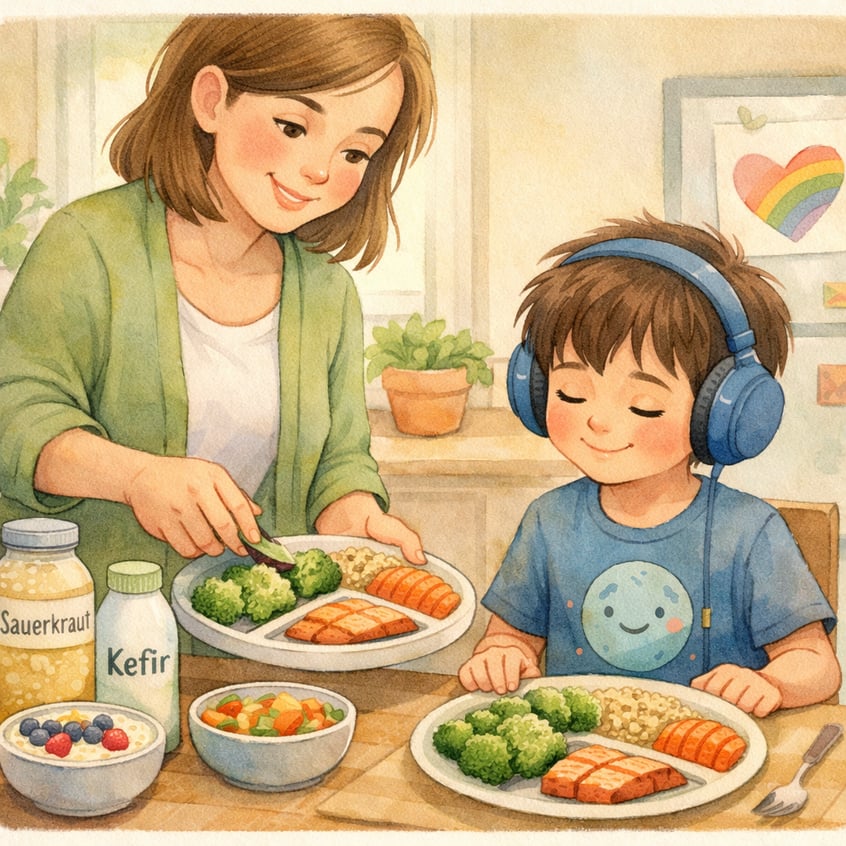
Reduce sensory overload; noisy rooms or bright lights may be overwhelming. Try dimming lights, playing soothing music, or using noise-canceling headphones. Focus on making meals pleasant rather than stressful.
Some autistic children find eating alone less stressful. Find a balance that suits your family, keeping mealtimes positive and pressure-free. When children feel safe and relaxed, they're more likely to try new foods—even if progress is slow.
Special Diets and Their Impact
Special diets, like the gluten-free and casein-free (GFCF) diet, are popular topics in the autism community. Many parents explore these dietary changes in the hope of improving their child's symptoms. The theory behind the GFCF diet is that some autistic children have trouble digesting these proteins, which could affect their brain and behavior.
While some parents report positive results, the scientific evidence supporting the effectiveness of these diets is limited and inconclusive. It's essential to weigh the potential benefits against the challenges and risks before making any major dietary changes.
Gluten-Free and Casein-Free Diets: Myths and Facts
A common myth is that a gluten-free, casein-free (GFCF) diet is a cure-all for children with autism. While some may see improvement, it’s not effective for everyone. The theory claims undigested gluten (wheat) and casein (dairy) create protein fragments that affect behavior.
This diet should not replace treatment for true food allergies or celiac disease, which require strict medical avoidance of gluten. For other autistic children, any benefits may result from eliminating another food sensitivity or simply eating fewer processed foods.
Scientific evidence on the effectiveness of GFCF diets in autism is limited and mixed. Some studies show mild improvements; others show none. Always seek professional guidance before starting a GFCF diet to avoid nutritional deficiencies.
Success Stories and Challenges with Elimination Diets
Many anecdotal success stories and case reports from parents suggest that elimination diets can lead to improvements in some autistic individuals. These parents often report better focus, improved sleep patterns, and fewer behavioral outbursts after making dietary changes like removing gluten, casein, or other specific foods. These personal accounts are powerful and drive much of the interest in diet-based interventions.
However, implementing these diets comes with significant challenges. They can be expensive, time-consuming, and socially isolating. It can be difficult to ensure a child is getting a balanced diet when entire food groups are removed. For some families, the stress of maintaining a strict diet may outweigh the potential benefits.
Key points to consider include:
- Anecdotal vs. Scientific Evidence: While many parents report success, clinical trials have not consistently proven that GFCF diets are effective for the broader autistic population.
- The Placebo Effect: Sometimes, improvements may be due to the increased attention and structure that come with a new diet, rather than the diet itself.
- Individual Differences: A diet that works for one child may not work for another.
Safety Considerations Before Dietary Changes
Safety should always come first when making dietary changes for autistic children. Restrictive diets can easily cause deficiencies in nutrients like calcium, vitamin D, and fiber—affecting bone health, growth, and overall well-being.
Always consult a doctor or registered dietitian before starting any new diet. They can advise on gut health and nutrition, decide if an elimination diet is appropriate, suggest suitable alternatives, and monitor your child’s health. Avoid making major dietary changes on your own.
Clinical trials show that special diets can lead to nutritional imbalances. Professionals may recommend fortified foods or supplements as needed. A gradual, supervised approach is safer and more effective than sudden changes.
Exercise and Physical Activity for Autism
Just as dietary changes can help with behavioral challenges, exercise and physical activity are powerful tools for improving the quality of life for autistic individuals. Regular movement offers a host of benefits, from reducing stress and anxiety to improving motor skills and social opportunities. It provides a healthy outlet for energy and can help manage repetitive behaviors.
Finding the right type of exercise is key to building a sustainable routine. The goal is to make physical activity a fun and positive part of daily life. Let's explore the specific benefits of exercise, suitable activities, and how to create a personalized plan.
Benefits of Regular Physical Activity in Autism
Regular physical activity offers tremendous benefits for autistic children, positively impacting their physical, emotional, and social well-being. Exercise can be an effective strategy to help with behavioral challenges by providing a structured outlet for sensory needs and excess energy. This can lead to improved focus, better sleep, and an overall higher quality of life.
One of the most noticeable benefits is the reduction of repetitive behaviors. Activities like running, swimming, or jumping on a trampoline can provide the sensory input that a child might otherwise seek through actions like rocking or hand-flapping. Physical activity also helps improve motor coordination and strength.
Beyond the physical, exercise can enhance social skills.
- Improved Mood: Exercise releases endorphins, which can reduce anxiety and improve mood.
- Better Social Interaction: Group activities like team sports or yoga classes offer opportunities to practice social skills in a structured setting.
- Reduced Repetitive Behaviors: Physical exertion can decrease the frequency and intensity of stereotyped movements.
Types of Exercise Suited for Autistic Individuals
The best exercises for autistic individuals are those that are predictable, can be done alone, or are part of a structured group. Unlike neurotypical children who may enjoy chaotic team sports, many on the spectrum prefer activities with clear rules and minimal unpredictable social interaction.
Individual activities like swimming, running, martial arts, and horseback riding are ideal. They allow focus on personal movement, which can be calming and help reduce autism symptoms. These exercises build strength, coordination, and confidence without complex team dynamics.
Structured group activities also support social skills development:
- Yoga: Boosts body awareness, flexibility, and relaxation.
- Martial Arts: Teaches discipline and focus in a structured setting.
- Swimming: Offers calming sensory input and full-body exercise.
Both individual and structured group activities can help manage behavioral challenges.
Creating a Personalized Exercise Routine

Creating a personalized exercise routine is important for autistic children, as their interests and sensory needs vary. Focus on activities your child enjoys to boost engagement. Observe what movements they naturally prefer and incorporate their special interests—for example, using a train theme in an obstacle course.
Break activities into simple steps, especially for those with developmental disabilities. Visual schedules help provide structure and reduce anxiety by showing what comes next.
Start with short sessions, like 10 minutes daily, and gradually increase time to avoid burnout. Consistency matters more than intensity. A personalized routine can improve behavior and support overall well-being.
Conclusion
Caring for individuals with Autism Spectrum Disorder through diet and exercise can greatly improve their quality of life. Understanding the link between gut health and autism helps parents create effective nutrition plans and manage picky eating. Regular physical activity boosts mood, social skills, and overall health. Remember, each person is unique. Experiment with diets and routines to find what works best.
For personalized guidance, reach out for a consultation or call daar at 02 9133 2500 for an expert tailored to your family's needs.
Frequently Asked Questions
Is there a proven link between the gut microbiome and autism symptoms?
Research suggests a strong connection between the gut microbiome and Autism Spectrum Disorder. While there is no proof that gut bacteria cause autism, studies show that individuals with ASD often have an altered gut microbiome and experience more GI symptoms. Improving gut health is an active area of research for managing symptoms.
Do dietary changes really help behavioral challenges in autism?
For some autistic children, dietary changes can help with behavioral issues, especially if those behaviors are linked to nutritional deficiencies or gut discomfort. While clinical trials show mixed results, many parents report improvements in quality of life. It's most effective when personalized and guided by a healthcare professional.
Are gluten-free and casein-free diets recommended for all autistic children?
No, gluten-free and casein-free diets are not recommended for all autistic children. They may benefit children with specific food allergies or sensitivities. Before starting such a restrictive diet, it is crucial to consult a professional to ensure all nutritional needs are met and to rule out other medical conditions.
.svg)




.svg)