
.png?width=48&height=48&name=Group%201%20(3).png)
























13 March, 2026

Understanding How Gut Health Affects Autism Symptoms

Key Highlights
Here are the key takeaways from our discussion on gut health and autism spectrum disorder:
- Children with autism spectrum disorder (ASD) frequently experience gastrointestinal symptoms like constipation and abdominal pain.
- The gut microbiome in individuals with ASD often differs from that of neurotypical children, showing variations in bacterial diversity.
- An imbalance in the gut microbiome can affect the immune system and contribute to inflammation, influencing symptoms of this neurodevelopmental disorder.
- The gut-brain axis provides a direct communication pathway, explaining how gut issues can impact behavior and mood.
- Therapeutic interventions like probiotics and dietary changes show promise in improving both gut health and ASD symptoms.
Introduction
Have you ever wondered if there's a connection between your child's tummy troubles and their autism symptoms? You're not alone. A growing body of research is exploring the fascinating link between the gut microbiome and autism spectrum disorder (ASD). Many parents notice that gastrointestinal symptoms seem to go hand-in-hand with behavioral challenges. This article will explore how gut health can influence ASD, from the prevalence of digestive issues to the science behind the gut-brain connection and potential ways to offer support.
Prevalence of Gastrointestinal Issues in Children with Autism
Children with autism often experience gastrointestinal (GI) issues such as constipation, diarrhea, and stomach pain far more frequently than neurotypical peers—up to four times as often, according to some studies. These persistent GI problems can worsen autism-related behaviors, underscoring the link between physical health and neurological function. Below, we’ll examine the most common digestive issues in children with autism and explore why they are so prevalent.
Common Digestive Symptoms Observed in Autism
Gastrointestinal symptoms are common in children with autism, often presenting as behavioral changes rather than direct complaints—especially in those with limited verbal skills.
The most frequent GI issues include:
- Constipation: Infrequent or difficult bowel movements.
- Abdominal pain: Stomach discomfort, often linked to more severe autism symptoms.
- Diarrhea: Frequent, loose stools.
Abdominal pain is closely connected to the severity of core autism behaviors, highlighting the role of the gut-brain axis. These digestive problems also often coincide with sleep issues, mood swings, and anxiety, showing that GI health significantly affects overall well-being in children with autism.
Why Gastrointestinal Problems Are More Frequent in ASD
Children with neurodevelopmental disorders like ASD often have more stomach issues. Researchers believe gut microbiota play a key role; an imbalanced gut microbiome may trigger inflammation that contributes to these problems.
Another theory, the functional bowel disease hypothesis, links GI issues in ASD to sensory sensitivities. Children with ASD might perceive normal digestive signals as painful or uncomfortable, leading to stronger reactions.
Most likely, multiple factors are involved. Gut bacteria imbalances are closely tied to both GI problems and ASD severity. Environmental influences, diet, and unique immune responses also affect the gut, making children with ASD more prone to digestive issues.
Impact of Digestive Discomfort on Daily Behavior and Mood
Persistent gastrointestinal problems affect autistic individuals in ways that go well beyond mere physical discomfort. When a child is suffering from abdominal pain or constipation, it can directly and significantly influence their mood and everyday actions, as parents frequently notice a rise in problematic behaviors during times when gastrointestinal symptoms intensify.
Studies reinforce these parental insights, demonstrating that autistic people with GI comorbidities tend to experience:
- Greater irritability, aggression, and self-injurious behaviors
- More pronounced difficulties with expressive language and social interaction
For many children, especially those who are non-verbal or struggle to recognize and articulate their emotions, these behavioral changes are a form of expressing their physical discomfort. Such distress may trigger increased anxiety, heightened sensitivity to sensory input, and more rigid or compulsive actions. By effectively managing the underlying gastrointestinal conditions, improvements in mood, sleep, and social communication often occur, emphasizing the crucial relationship between gut health and overall well-being in children.
How the Gut Microbiome Differs in Autism
The gut microbiome—the community of bacteria in our digestive tracts—plays a vital role in health. In people with neurodevelopmental disorders like autism, the makeup of this microbial community often differs from that of neurotypical individuals. Studies show distinct variations in the types and diversity of gut bacteria between autistic and neurotypical children, influencing digestion and brain function.
These changes can alter the production of microbial metabolites, which impact the nervous system. This connection is why therapies like microbiota transfer are being explored for autism. Let’s look at how these microbial differences may affect ASD.
Microbial Diversity in Autistic vs. Neurotypical Children
Research indicates that microbial diversity differs significantly between autistic and neurotypical children. In children with autism spectrum disorder, specific gut bacteria compositions, such as lower levels of certain beneficial microbes, may influence the nervous system and behavior. This variation can lead to gastrointestinal disturbances, which are often reported in autistic individuals. The gut microbiome plays a crucial role in immune function and brain development, affecting communication within brain regions linked to social interaction. Understanding these differences can inform therapeutic interventions aimed at improving gut health and potentially alleviating some autism symptoms.
Key Microbes Linked to Autism Spectrum Disorder
Research has identified specific gut microbes that are imbalanced in individuals with ASD. Certain bacteria are present in different amounts in the gut microbiota of autistic people compared to neurotypical peers, prompting scientists to explore their role in ASD symptoms.
Key findings include:
- Clostridium: Higher levels of some Clostridium species—known toxin producers—are linked to more severe GI issues in children with ASD.
- Prevotella: Lower levels are often seen in autistic children.
Other notable changes include reduced Bifidobacterium and studies suggesting Bacteroides fragilis may help restore microbial balance and improve behavioral symptoms in animal models. Targeting these specific gut bacteria may offer promising therapeutic strategies for ASD.
Factors Shaping the Microbiome in Early Childhood
The gut microbiome isn't static; it's shaped by a host of environmental factors, especially during the critical window of early childhood. The foundation for a child's gut microbial community is laid even before birth and continues to develop rapidly during infancy. The influence of the microbiome on behavior can begin from this very early stage.
Several key factors during this period play a significant role in shaping the gut ecosystem. These early life influences can have long-lasting effects on health and neurodevelopment.
Key factors include:
- Mode of delivery: Babies born vaginally are colonized by microbes from the maternal microbiome in the birth canal, while babies born via C-section are first exposed to skin and environmental microbes.
- Infant feeding: Breastfeeding provides beneficial bacteria and prebiotics that support a healthy gut, whereas formula feeding establishes a different microbial profile.
- Maternal diet and health: The mother's diet and her own gut health during pregnancy can influence the baby's developing microbiome.
Other environmental factors, such as antibiotic use in infancy, can also dramatically alter the gut microbiota. Understanding these influences is crucial, as they may represent early opportunities to support healthy gut development.
Mechanisms Linking Gut Health to Autism Symptoms
The connection between the gut and the brain, often called the gut-brain axis, is a complex, bidirectional communication highway. This pathway involves the nervous system, the immune system, and various chemical messengers. In the context of autism, disruptions in the gastrointestinal tract can send signals that influence brain function and behavior. This happens through several key mechanisms.
An imbalanced gut microbiome can lead to increased gut permeability, immune system dysregulation, and the production of certain metabolic byproducts that can cross into the bloodstream and affect the brain. We will now explore these mechanisms, including "leaky gut," immune responses, and the impact of microbial metabolites on neurological symptoms.
Gut Permeability (“Leaky Gut”) and Its Effects on Brain Function
A key link between gut health and brain function is increased intestinal permeability, or "leaky gut." Normally, the gut lining acts as a selective barrier, allowing nutrients in while blocking toxins and undigested food. When compromised, substances can leak into the bloodstream, triggering immune activation and chronic inflammation that affects the central nervous system.
This inflammation can disrupt various brain regions and functions. Animal studies of autism show that restoring gut barrier integrity improves behavioral symptoms, suggesting a compromised gut may contribute to neurological issues in ASD.
Immune System Dysregulation Driven by Poor Gut Health
About 80% of your immune system resides in the gut, making it crucial for immune regulation. An imbalance in gut bacteria—called dysbiosis—can disrupt immune function and is common in people with autism.
Poor gut health can overstimulate the immune system, causing it to release inflammatory cytokines like IL-1 and IL-6. These molecules can cross the blood-brain barrier and trigger inflammation in the brain.
Studies show higher levels of these cytokines in people with autism, linking brain inflammation to more severe behavioral symptoms. Thus, an imbalanced gut microbiota can directly drive immune-related brain changes that affect behavior.
Metabolic Byproducts and Their Impact on Neurological Symptoms
The bacteria in your gut are tiny metabolic factories, breaking down food components and producing a wide array of microbial metabolites. These metabolic byproducts can enter the bloodstream and travel to the brain, where they can influence brain activity, gene expression, and overall neurological function. In individuals with ASD, the levels of certain metabolites are often altered.
Some of these byproducts include:
- Short-Chain Fatty Acids (SCFAs): These fatty acids, like butyrate and propionate, are produced when gut bacteria ferment fiber. While generally beneficial, an imbalance, such as elevated propionic acid, has been shown in animal models to cause autism-like behaviors.
- P-cresol: This metabolite, produced by certain Clostridia species, has been found in higher levels in the urine of some children with severe autism and is linked to behavioral changes.
Other metabolites derived from amino acid breakdown can also play a role. For example, altered levels of metabolites from tryptophan, a precursor to serotonin, can disrupt mood and social behaviors. These chemical messengers demonstrate a direct way the gut microbiome can influence the brain.
Understanding the Gut-Immune-Brain Connection in Autism
The gut-immune-brain axis is a crucial communication network that connects your digestive system, your immune system, and your brain. In neurodevelopmental disorders like autism, this axis can be dysregulated. The gut microbiota plays a vital role in orchestrating this conversation, and an imbalance can have cascading effects on both immune function and brain development.
Understanding this three-way connection is key to grasping how gut health influences autism. We'll explore how immune responses can shape the developing brain, look at specific inflammatory pathways identified in autism research, and discuss the evidence for feedback loops between these three systems.
How Immune Responses Affect Brain Development
The immune system actively shapes brain development. During critical periods, immune cells and their molecules guide neuronal growth and pruning. Disruptions in this process—such as abnormal immune responses—can contribute to neurodevelopmental disorders like autism.
A key concept is maternal immune activation (MIA). If a pregnant mother experiences a major infection or inflammation, her immune response can impact fetal brain development. Animal studies show that MIA leads to changes in gut microbiota and autism-like behaviors in offspring.
Early-life immune disruptions can cause lasting inflammation in brain regions tied to social behavior and cognition. Inflammatory cytokines may alter neurotransmitter balance and harm neurons, showing how early immune events—often linked to gut health—can have lifelong effects on brain function.
Inflammatory Pathways Identified in Autism Research
A consistent finding in autism research is the presence of inflammation, both in the gut and systemically. Numerous studies and systematic reviews have pointed to specific inflammatory pathways that appear to be dysregulated in individuals with ASD. This inflammation is often linked back to the composition of gut microbes and the integrity of the gut barrier.
Researchers have identified several key markers and pathways associated with this inflammation. These findings from clinical trials and laboratory studies help explain how the immune system contributes to ASD symptoms.
Key inflammatory markers include:
- Elevated Pro-inflammatory Cytokines: As mentioned, levels of cytokines like IL-6, TNF-alpha, and IL-1 are often higher in individuals with ASD. These molecules promote inflammation throughout the body and in the brain.
- Microglial Activation: Microglia are the primary immune cells of the brain. In post-mortem brain tissue from individuals with autism, these cells are often found in an activated, inflammatory state, suggesting ongoing neuroinflammation.
These findings strongly suggest that targeting these inflammatory pathways could be a valuable therapeutic strategy. Interventions that aim to calm the immune system, often by improving gut health, may help alleviate some of the core and associated symptoms of autism.
Evidence for Feedback Loops Between Gut, Immune System, and Brain
The gut, immune system, and brain interact through ongoing feedback loops known as the gut-brain axis. Changes in the gut can affect the brain, while the brain can influence gut function. For example, an imbalanced gut microbiome may trigger inflammation that impacts the nervous system. Meanwhile, stress signals from the brain can alter gut activity and microbiome composition, creating a cycle where stress worsens gut health and amplifies brain symptoms.
Studies show these connections are real: adjusting the gut microbiota with probiotics can change brain activity and reduce anxiety. This proves that interventions in one system can directly impact another, underscoring their powerful relationship.
Dietary Patterns and Their Influence on Autism Symptoms
Diet is one of the most powerful tools we have for influencing gut health. For children with autism, dietary patterns can have a profound effect on both their gastrointestinal comfort and their behavioral symptoms. Nutrition directly shapes the gut microbiome, and certain foods can either support a healthy gut environment or contribute to inflammation and dysbiosis.
Many parents explore dietary changes, such as elimination diets, to manage food sensitivities and improve their child's well-being. This section will cover the role of nutrition in ASD, common food sensitivities, and how specific dietary approaches can affect gut and behavioral symptoms.
Role of Nutrition and Food Choices in Children with ASD
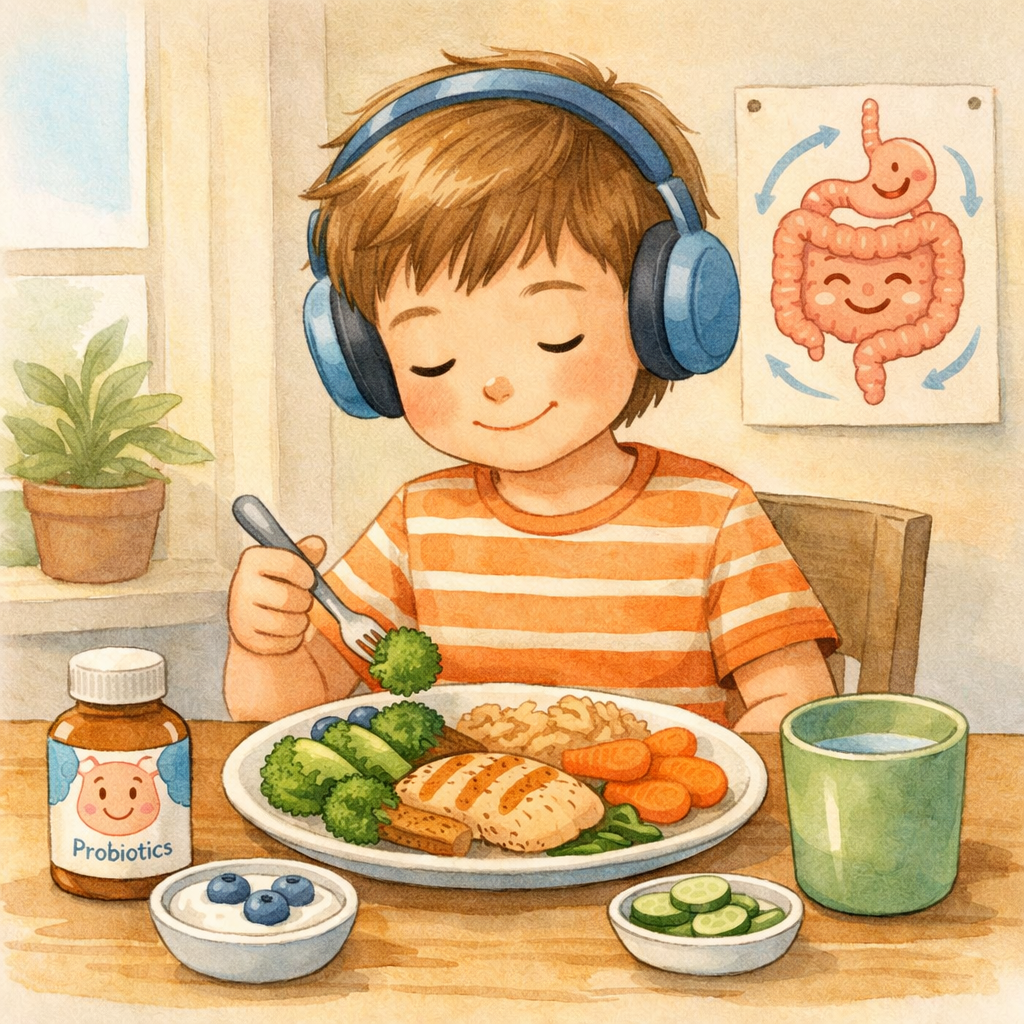
Nutrition plays a foundational role in managing health, and this is especially true for children with autism spectrum disorder. The food a child eats directly feeds their gut microbiome, influencing which bacteria thrive and which diminish. Because of the strong link between the gut and brain, dietary changes can be considered one of the key therapeutic interventions for improving overall well-being.
Food selectivity is common in children with ASD, which can lead to nutritional deficiencies and a less diverse diet. This often results in a diet high in processed foods and low in fiber, which can negatively impact the gut microbiome.
Making thoughtful food choices can help support a healthier gut. Key nutritional considerations include:
- Increasing Fiber: Fiber-rich foods like fruits, vegetables, and whole grains feed beneficial gut bacteria, which produce health-promoting short-chain fatty acids.
- Reducing Processed Foods: Highly processed foods often contain sugars and additives that can promote the growth of less desirable microbes and contribute to inflammation.
By focusing on a whole-foods-based diet, parents can help foster a more balanced gut ecosystem, which may lead to improvements in both GI symptoms and behavior.
Common Food Sensitivities and Allergies in Autism
Food sensitivities and allergies appear to be more common among autistic individuals. These reactions can contribute to poor gut health, inflammation, and behavioral issues. Unlike a true food allergy, which causes an immediate and severe immune response, a food sensitivity can cause delayed symptoms that are harder to pinpoint, such as digestive upset, headaches, or irritability.
These sensitivities can further compromise an already vulnerable gut. When the body reacts to certain foods, it can trigger an immune response that increases inflammation and intestinal permeability, worsening the cycle of gut-brain dysfunction.
Some of the most commonly reported food sensitivities in the autism community include:
- Gluten (a protein in wheat, barley, and rye)
- Casein (a protein in dairy products)
- Soy
Identifying and removing trigger foods can be a crucial step for many families. It may help reduce inflammation, improve gut health, and lead to positive changes in behavior and attention, although it's important to work with a healthcare professional to ensure proper nutrition.
How Elimination Diets Affect Gut and Behavioral Symptoms
Many families use elimination diets to identify foods that trigger sensitivities. The most common is the gluten-free, casein-free (GFCF) diet. This approach is based on the idea that some people with autism cannot fully digest gluten and dairy proteins, leading to compounds that may affect brain function.
Parents often report improvements in ASD symptoms after removing these foods. While large-scale studies are limited, smaller studies and anecdotal evidence suggest benefits for some children with autism.
Possible effects of elimination diets include:
- Improved Gut Symptoms: Less constipation, diarrhea, and abdominal pain due to reduced digestive distress.
- Behavioral Changes: Reported improvements in speech, social interaction, focus, and reduced hyperactivity.
Elimination diets should be done with medical guidance to prevent nutritional deficiencies. For some, these changes can significantly improve quality of life.
Probiotics, Prebiotics, and Gut Health Interventions
Beyond diet, there are several other gut health interventions aimed at rebalancing the gut microbiota. Probiotics—live beneficial bacteria—and prebiotics—the foods that feed them—are popular supplements used to support a healthy gut. These interventions are designed to introduce helpful microbes and encourage their growth, potentially improving both GI and behavioral symptoms in autism.
More intensive interventions, such as fecal microbiota transplantation (FMT), also known as microbiota transfer therapy, are also being scientifically explored. Let's look at the evidence behind these microbiome-focused treatments, starting with the most popular probiotics used for supporting gut health in autism.
Popular Probiotics Used for Supporting Gut Health in Autism
Probiotics are a simple way to support gut health by introducing beneficial bacteria. Clinical studies in children with ASD show probiotics can improve digestive issues and core autism symptoms. For example, a 3-month trial found reduced ASD and GI symptoms, along with increased Bifidobacteria and Lactobacillus.
Key probiotic strains studied for autism include:
- Lactobacillus species: L. plantarum, L. acidophilus, and L. rhamnosus may improve behavior and stool consistency.
- Bifidobacterium species: B. longum can modulate harmful bacteria and improve social behaviors in animal studies.
- Saccharomyces boulardii: This yeast may reduce obsessive-compulsive and self-injurious behaviors.
Though more research is needed, probiotics offer a promising, non-invasive option for supporting people with ASD.
Potential Benefits and Limitations of Prebiotic Supplements
While probiotics add beneficial bacteria, prebiotics serve as food for the good microbes already in your gut. These non-digestible fibers travel to the colon, where they stimulate the growth of helpful bacteria. Increasing prebiotic-rich foods or supplements can effectively support a healthy gut microbiome.
Prebiotics help your own beneficial bacteria thrive, often creating more lasting improvements than probiotics alone. Benefits include:
- More Good Bacteria: Prebiotics feed bacteria like Bifidobacteria and Lactobacilli.
- Boosted SCFA Production: They increase short-chain fatty acids such as butyrate, which nourish gut cells and reduce inflammation.
A potential downside is that adding prebiotics too quickly may cause temporary gas and bloating, especially for sensitive individuals. It’s best to start with small amounts and gradually increase intake. Overall, prebiotics are a valuable addition to any gut health routine.
Scientific Evidence Behind Microbiome-Focused Interventions
Scientific evidence increasingly suggests that improving gut health can reduce autism symptoms. Numerous clinical trials, available on platforms like Google Scholar, support this link. Beyond probiotics and prebiotics, advanced microbiome therapies show particular promise.
One leading intervention is Microbiota Transfer Therapy (MTT), or Fecal Microbiota Transplantation (FMT), where gut microbes from a healthy donor are transferred to the patient to restore their gut ecosystem.
Key findings from MTT trials include:
- Significant GI Symptom Relief: Studies report lasting improvements in constipation, diarrhea, and abdominal pain.
- Reductions in Core Autism Symptoms: Trials also show notable improvements in social skills, communication, and repetitive behaviors—some lasting for years after treatment.
While still experimental and requiring further research, these results strongly suggest that restoring a healthy gut microbiome can deliver significant benefits for individuals with autism.
Lifestyle Factors Influencing the Gut Microbiome in Australia
The gut microbiome isn't just shaped by individual choices; it's also influenced by broader lifestyle and environmental factors unique to a region. In Australia, specific trends in diet, healthcare practices, and daily life can impact the development and diversity of the gut microbiome from an early age. These factors are relevant when considering gut health in the context of autism.
Australian research is contributing to our understanding of how these local factors interact with gut health. From birth methods and infant feeding practices to community diet trends and time spent outdoors, these elements collectively shape the microbial landscape. Let's explore some of these key lifestyle influences.
Effects of Birth Method, Infant Feeding, and Early Life Factors
The gut microbiome begins developing at birth, with early-life factors playing a key role in its initial makeup. From the start, the microbiome affects a child’s health and neurodevelopment. In Australia and other developed countries, common medical and lifestyle practices can strongly influence this process.
Delivery method is especially important. Vaginally delivered babies receive beneficial microbes from their mothers, such as Lactobacillus, while C-section babies are exposed mainly to skin microbes, which can delay healthy gut colonization.
Other key factors include:
- Infant Feeding: Breast milk provides beneficial microbes and prebiotics that help build a healthy gut. Formula creates a different microbial environment.
- Antibiotic Use: Early antibiotic exposure can disrupt microbiome development, potentially affecting long-term immune health.
Recognizing these influences can help identify children at higher risk for gut dysbiosis and related health concerns.
Environmental Exposures and Their Influence on Gut Diversity
Our environment teems with microbes, and exposure to a wide variety is crucial for building a resilient gut microbiota. Modern lifestyles often limit this exposure, reducing gut diversity and increasing the risk of immune-related issues. Australian research is examining how our surroundings influence our inner ecosystem.
Key factors include:
- Nature Exposure: Time outdoors or with animals introduces helpful microbes that support gut diversity.
- Household Pets: Pets at home expose children to more bacteria, boosting their gut microbiome diversity.
Balancing hygiene with regular contact with nature helps nurture a healthy, diverse gut microbiome from an early age.
Importance of Outdoor Activity and Community Diet Trends
Lifestyle choices—such as outdoor activity and diet trends—significantly shape the gut microbiome at a community level. These factors impact physical health and, via the gut-brain axis, influence behavior.
Outdoor activity exposes people to diverse microbes from nature, enriching the gut microbiome. This is especially important for children, as early microbial diversity supports a stronger immune system.
Community diet trends also play a key role:
- Processed Foods: Diets high in processed foods and low in fresh produce can cause widespread gut dysbiosis.
- Dietary Diversity: Eating a variety of whole, fiber-rich foods promotes a healthier collective microbiome.
- Local Produce: Access to fresh, local foods further benefits gut health.
Overall, our environment and dietary habits work together to shape our inner microbial world and influence our well-being.
Scientific Insights and Future Directions in Gut Health and Autism
The field of gut health and autism is rapidly evolving, with new scientific insights emerging all the time. The evidence strongly suggests that improving gut health can indeed reduce autism symptoms, paving the way for exciting future research and novel therapeutic interventions. Scientists are working to understand the mechanisms more deeply and to develop more targeted and effective treatments.
Future directions will likely focus on personalized medicine, identifying biomarkers to predict risk, and refining interventions like microbiota transfer therapy. Let's explore some of the recent breakthroughs and what the future holds for this promising area of research.
Recent Breakthroughs from Australian and Global Research
Australian and global research are advancing our understanding of the link between gut health and autism spectrum disorder. Recent breakthroughs focus on establishing causation and testing new interventions through clinical trials.
A key area is Microbiota Transfer Therapy (MTT). Early clinical trials show that resetting the gut microbiome can lead to lasting improvements in GI and behavioral symptoms of ASD.
Recent highlights include:
- Long-Term Follow-Up: MTT studies reveal sustained benefits for gut health and autism symptoms years after treatment.
- Mechanism-Based Research: Scientists use multi-omics approaches to track changes in metabolites, immune markers, and gene expression post-treatment.
These findings strongly support targeting the gut as an effective therapeutic strategy for autism.
Potential Biomarkers for Predicting Autism Risk
One goal of this research is to identify early risk factors for autism and enable earlier support. The gut microbiome is emerging as a potential source of biomarkers that could help predict ASD risk. By analyzing infants’ microbiome composition, researchers hope to find patterns linked to higher autism risk.
These biomarkers wouldn’t provide a diagnosis but could indicate which children might benefit from early gut-supportive interventions. Scientists are studying stool samples from large infant groups to identify microbial signatures or metabolic profiles common in children later diagnosed with autism.
Potential biomarkers include:
- Specific Microbial Signatures: The presence or absence of certain bacteria, or unique microbiome patterns in infancy, may act as early indicators.
This research is still new, but using gut-related biomarkers for early detection is promising. It could lead to proactive strategies that support healthy neurodevelopment from the start.
Areas for Future Study: Personalized Gut Health Interventions

As research on the gut-autism connection advances, the future of therapy will focus on personalization. Autism is a spectrum, and each person’s gut microbiome is unique—making one-size-fits-all solutions ineffective. Future studies will aim to create tailored gut health interventions based on individual microbial profiles.
This may include detailed microbiome analysis to design custom probiotic blends targeting specific needs, rather than using generic supplements.
Key areas for future research:
- Personalized Probiotic and Prebiotic Formulations: Creating supplements customized to an individual’s microbiome.
- Refined Microbiota Transfer Therapy (MTT): Improving donor selection and treatment protocols to enhance safety and effectiveness.
The ultimate goal is to move from general guidelines to precise, data-driven therapies—unlocking the full potential of personalized gut-based treatments for autism.
Conclusion
Understanding the link between gut health and autism is vital for parents and caregivers. Recognizing how digestive issues affect behavior allows you to make informed choices that support your child’s well-being. Research highlights effective interventions, such as probiotics and lifestyle changes, to improve gut health. While it takes patience, the benefits for your child can be significant.
To learn more about improving gut health in children with autism, contact our experts for a consultation or call daar at 02 9133 2500.
Frequently Asked Questions
Can improving gut health reduce autism symptoms?
Yes, a growing body of evidence suggests that improving gut health can reduce autism symptoms. Microbiome-focused interventions like probiotics, dietary changes, and microbiota transfer therapy have been shown in clinical studies to improve GI issues, calm the immune system, and lead to significant reductions in core behavioral symptoms.
What are the best foods to support gut health in children with autism?
The best foods for supporting gut health in autistic individuals are typically whole, unprocessed foods. Focus on a diet rich in fiber from fruits, vegetables, and whole grains to feed beneficial microbial communities. Including fermented foods like yogurt or kefir can also provide a natural source of probiotics.
At what age should parents start focusing on gut health for children at risk of autism?
Parents can start focusing on gut health from the very beginning. The gut microbiome begins developing at birth and is critical during early childhood. Supporting the maternal microbiome during pregnancy and promoting practices like breastfeeding can help establish a healthy foundation for children, especially those with potential risk factors for neurodevelopmental disorders.
.svg)




.svg)