
.png?width=48&height=48&name=Group%201%20(3).png)























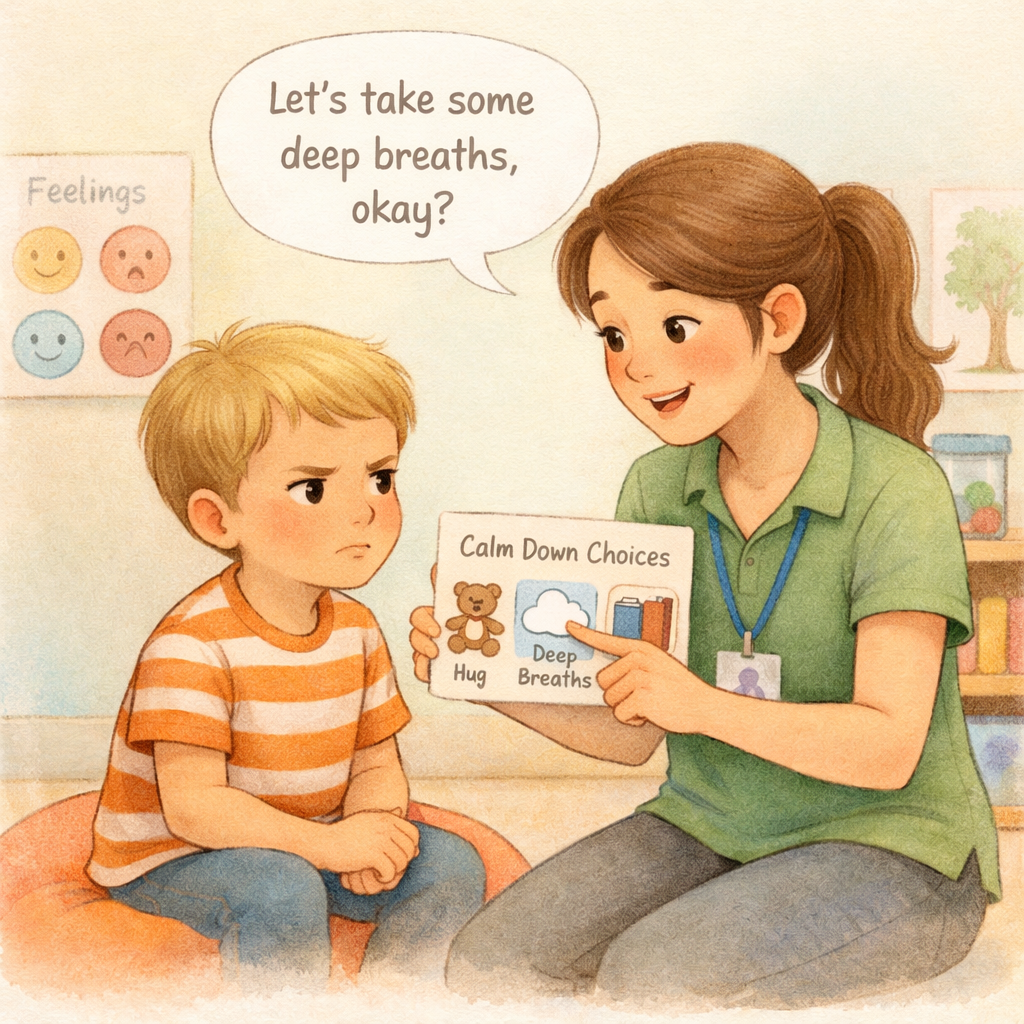
27 April, 2026

Understanding the Importance of a Behaviour Support Plan
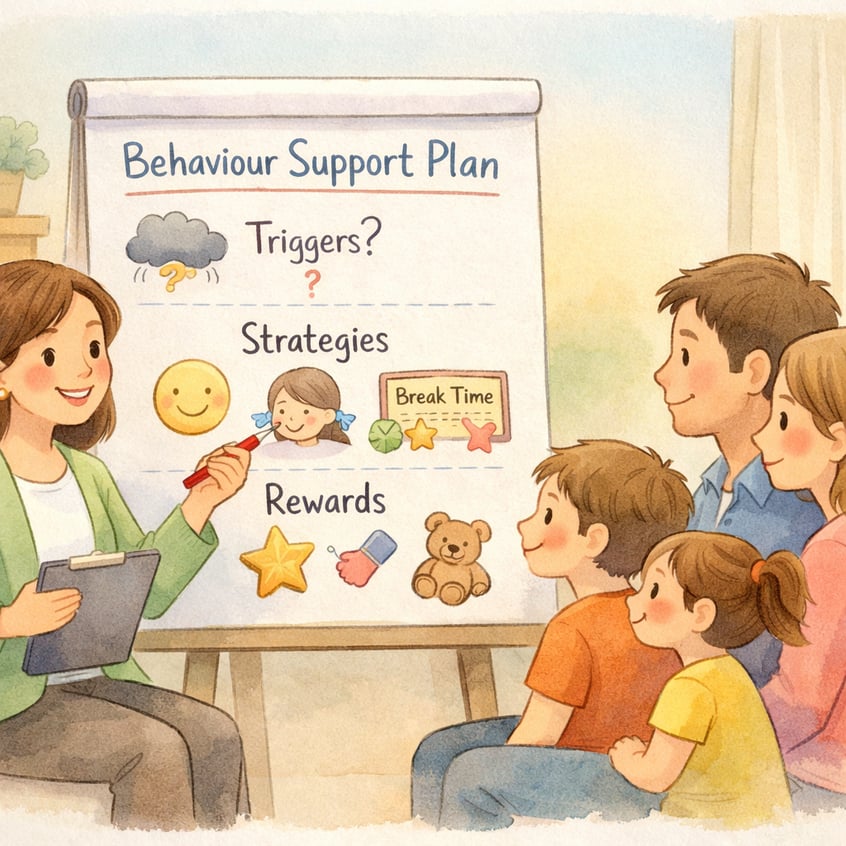
Key Highlights
- A behaviour support plan is a person-centered document designed to improve an individual's quality of life by addressing challenging behaviour. The primary goal is to use positive behaviour support strategies to understand and meet a person's needs, rather than using punishment. For example, a completed behaviour support plan for a student who frequently leaves their classroom without permission could include identifying what triggers this challenging behaviour, teaching the student positive behaviour such as asking for a break appropriately, and outlining specific support strategies for staff to follow. This support plan would also set clear goals for the student, ensure consistency among all staff members, and regularly review progress to encourage ongoing improvement in positive behaviour.
- The primary goal is to use positive behaviour support strategies to understand and meet a person's needs, rather than using punishment.
- Effective plans are developed through a collaborative effort involving the individual, their family, and the support team. These plans focus on proactive strategies to prevent behaviours of concern and teach new skills. If you’re looking for a behaviour support plan fact sheet or quick guide, many organizations, such as local disability services or educational institutions, provide downloadable resources and templates on their websites. These guides typically summarize how to address behaviours of concern, outline proactive strategies, and give step-by-step instructions for working with your support team to help individuals learn new skills.
- These plans focus on proactive strategies to prevent behaviours of concern and teach new skills.
- Using a behaviour support plan helps reduce the need for restrictive practices.
- The overall aim is to foster positive change and create a supportive environment for the individual.
Introduction
When a person displays a behaviour of concern, it's often a way of communicating an unmet need. A behaviour support plan is a formal, proactive tool designed to understand the "why" behind these actions. Instead of simply reacting to disruptive behaviours, this plan focuses on fostering positive behaviour by creating a supportive environment. The main purpose is to improve the person's quality of life by addressing the root causes of their actions, ensuring they feel seen, heard, and understood.
Key Components of an Effective Behaviour Support Plan
An effective behaviour support plan is built on several crucial elements. It all starts with a functional behaviour assessment, which helps to understand the purpose behind a behaviour of concern. This assessment is the foundation upon which all strategies are built.
From there, the plan outlines proactive and reactive strategies tailored to the individual. It's a collaborative document, created with input from the support team, the individual, and their family, to ensure everyone is working together toward positive change and a better quality of life. For example, a completed behaviour support plan for an individual might identify triggers for challenging behaviour, set specific goals for skill development, and describe both preventative steps and how staff should respond if incidents occur. The following sections will explore these components in more detail.
Assessing Challenging Behaviours
The first step in creating an effective plan is a Functional Behaviour Assessment (FBA), which seeks to understand the reasons behind challenging behaviour. A qualified practitioner gathers evidence to identify the function of the behaviours. If you are looking for a behaviour support plan fact sheet or quick guide, many reliable resources are available online—such as those provided by government health agencies or reputable autism support organizations—which can offer clear summaries and step-by-step instructions.
This assessment considers multiple factors, using observation and trigger identification to build a full picture of the individual’s needs. The goal is to base strategies on evidence, not assumptions.
Assessments may include:
- Functional behaviour assessment
- Environmental and medical evaluations
- Mental health and learning assessments
- Speech and language evaluations
This comprehensive approach ensures strategies address root causes from the student’s perspective.
Positive Behaviour Support Strategies
Once you understand the "why," the support plan shifts to positive behaviour support, using proactive strategies to help the individual succeed. Instead of punishment, you teach and reinforce positive replacement behaviours.
These personalized strategies improve emotional regulation and social skills by building appropriate alternatives to challenging behaviours.
Examples include:
- Reducing triggers in the environment
- Teaching communication or self-regulation
- Providing positive reinforcement
- Creating predictable routines
This approach focuses on teaching and support, leading to lasting positive change.
Developing and Implementing Behaviour Support Plans in Australia
In Australia, the development of a behaviour support plan, especially within the NDIS, is guided by specific standards to ensure safety and respect for the individual. The NDIS Commission has clear policy guidance on creating quality behaviour support plans that meet a person's needs while upholding their dignity.
If a plan includes regulated restrictive practices, it must be developed by a registered practitioner and submitted to the NDIS Commission. This oversight ensures that any use of restrictive practices is a last resort and part of a broader strategy to reduce and eliminate them over time, with support staff receiving proper training. Let's look at the steps and resources available.
Step-by-Step Guide for Teachers and Practitioners
Developing a behaviour support plan is an ongoing process aimed at continuous improvement. Teachers and practitioners should follow clear steps to ensure the plan is effective. Start by identifying the issue and gathering evidence to understand the student’s behaviour.
Collaboration with the support team, student, and family is crucial throughout. After proactive strategies are implemented, regular reviews help track progress and make necessary adjustments. This keeps the plan relevant to the student’s changing needs.
|
Step |
Action |
|---|---|
|
Identify |
Define the behaviour of concern and explore its causes. |
|
Assess |
Gather evidence and analyze why the behaviour occurs. |
|
Plan |
Develop proactive strategies for desired change. |
|
Implement |
Apply the plan consistently with team support. |
|
Monitor |
Set up regular reviews of implementation. |
|
Evaluate |
Review results and adjust the plan as needed. |
Templates, Examples, and Quick Guides
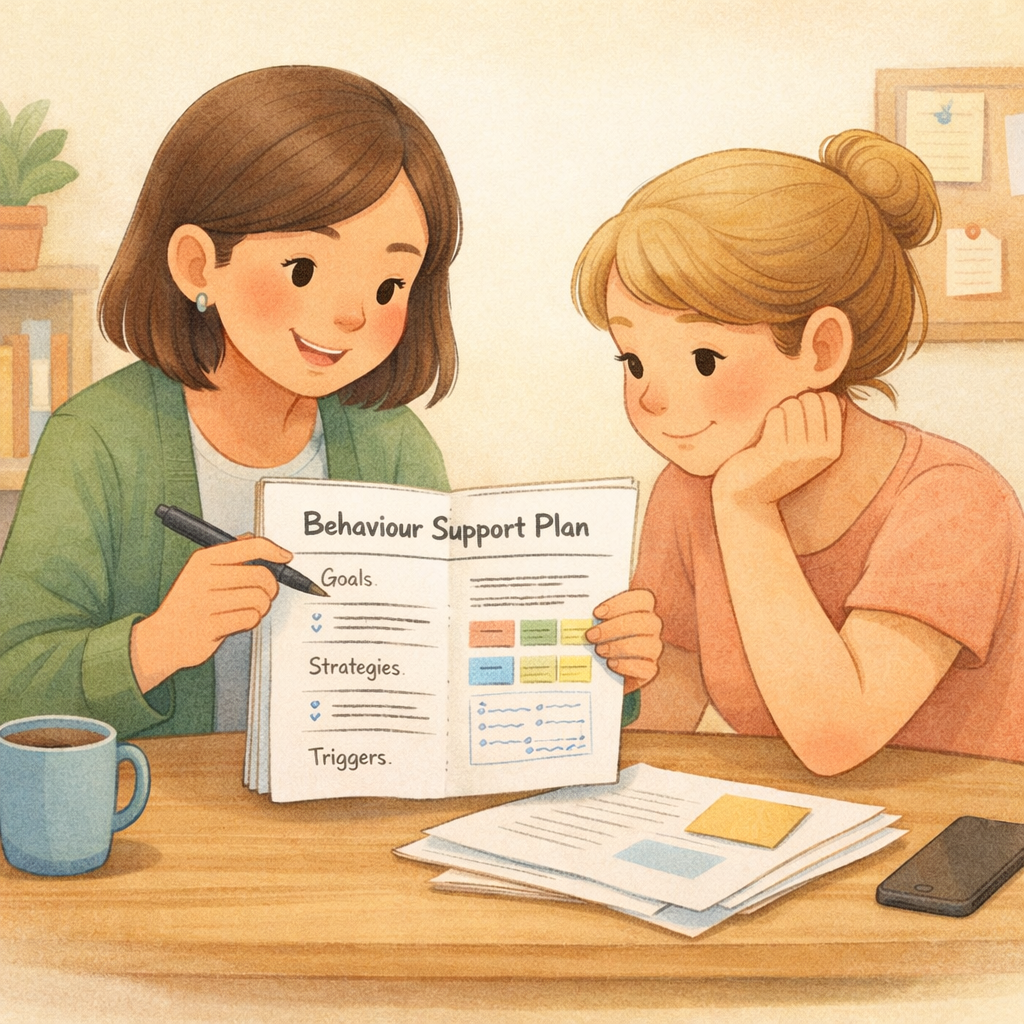
You don’t need to start from scratch when creating a plan. The NDIS Commission and other organizations offer behaviour support plan templates to guide you, ensuring all key components are included.
There are two main types of plans:
- Interim behaviour support plans for immediate risk management
- Comprehensive plans based on full assessment with long-term strategies
Many organizations also provide quick guides and checklists to ensure quality.
Helpful resources include:
- Interim plan templates
- Comprehensive plan templates
- Quality checklists
- Guides on positive behaviour support
These tools promote consistency and compliance, making it easier to develop effective plans.
Conclusion
In summary, a well-structured Behaviour Support Plan is essential for addressing challenging behaviours and fostering a positive learning environment. By understanding its key components and implementing effective strategies, educators and practitioners can significantly improve student outcomes. Remember, a successful plan is tailored to meet individual needs and encourages the development of positive behaviours.
If you're ready to enhance your approach to behaviour support, reach out today for consultation or call daar at 02 9133 2500 for expert guidance and resources that can help you create impactful plans for your students.
Frequently Asked Questions
What is the difference between a behaviour support plan and restrictive practices?
The main purpose of a behaviour support plan is to use positive strategies to create positive change and improve a person's quality of life. In contrast, restrictive practices are interventions that limit a person's rights or freedom of movement. A quality plan should always aim to reduce and eliminate the need for any regulated restrictive practice.
How does a behaviour support plan help students in a school setting?
In a school, a behaviour support plan helps create a safe and predictable environment for a student. It provides support staff with clear strategies to encourage positive behaviour, teach the student new skills like better communication skills, and manage triggers. This proactive approach helps the student succeed both academically and socially.
Are there templates available for creating behaviour support plans?
Yes, many organizations, including the NDIS Commission, offer behaviour support plan templates. You can find templates for both a short-term interim behaviour support plan and a more detailed comprehensive behaviour support plan. These resources provide detailed steps to help you and other support people create an effective and thorough plan.
.svg)




.svg)