
.png?width=48&height=48&name=Group%201%20(3).png)























24 April, 2026

When to Start Speech Therapy: Age Recommendations
Key Highlights
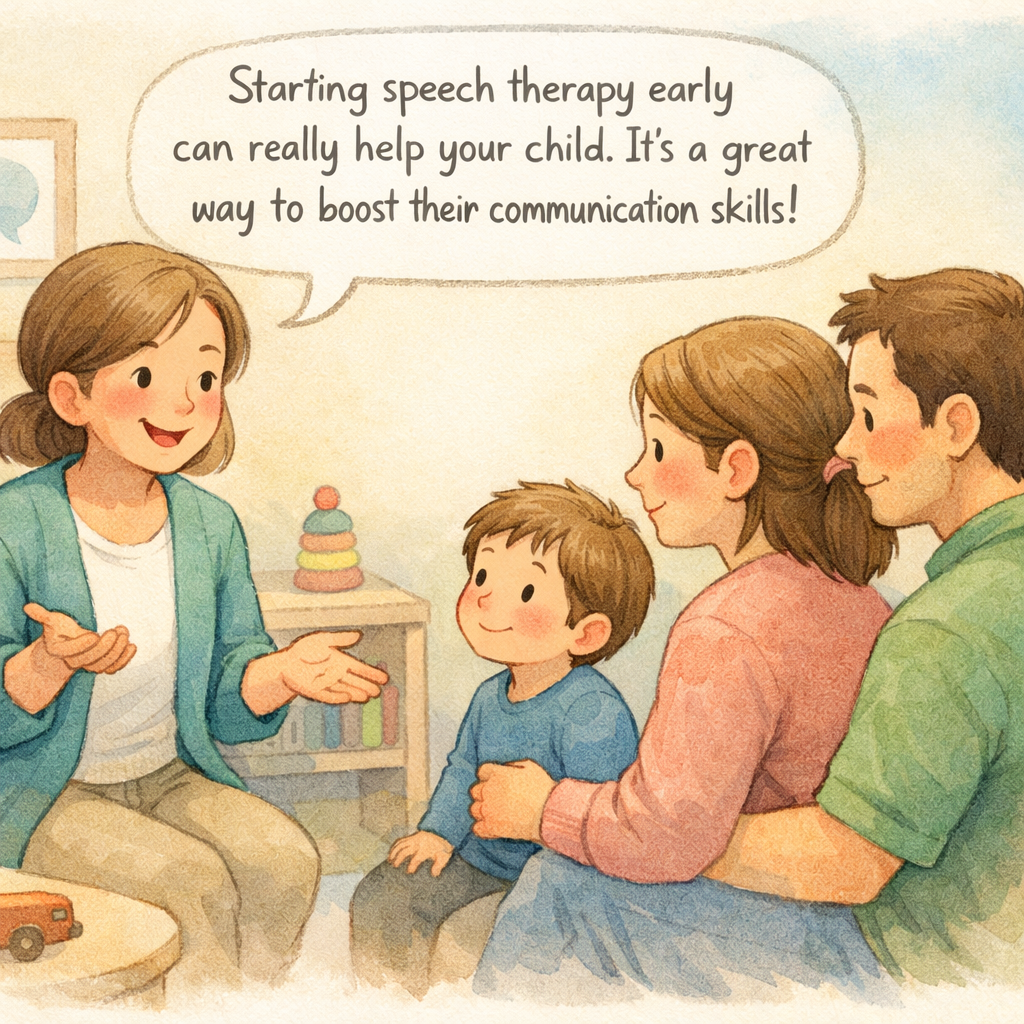
- Starting speech therapy early, often called early intervention, is key for a child's language development.
- Signs your child may need help include limited vocabulary, trouble following directions, or unclear speech.
- If you have concerns about your child's speech, the first step is often consulting a doctor or speech pathologist.
- There isn't one "ideal" age; the right time depends on the individual child’s development and needs.
- Early intervention significantly improves a child's language skills and confidence.
- Speech pathologists create tailored plans to support your child's communication journey.
Introduction
As a parent, you naturally pay close attention to your child's milestones. If you're wondering when to consider speech therapy, you're not alone. Every child's language development journey is unique. However, recognizing the signs that might call for professional support is crucial. Early intervention can make a significant difference in helping your child build strong communication skills and thrive. This guide will help you understand the age recommendations and steps for starting speech therapy.
A Beginner’s Guide to Starting Speech Therapy in Australia
If your child has communication difficulties, starting speech therapy in Australia involves a few simple steps. Recognize possible language delays and seek a professional assessment from a speech pathologist, who can diagnose issues and create a personalized treatment plan.
Early intervention is key, so act promptly. You can start by consulting your child's doctor or contacting a speech therapist directly. The therapist will evaluate your child's speech and language skills and recommend the best next steps for their development.
What You’ll Need Before Getting Started (Assessments, Referrals, Finding a Speech Pathologist)
Before starting speech therapy, organize a few essentials. Begin with a professional assessment to evaluate your child's communication and language skills. While a doctor's referral isn’t always needed, you may receive one.
You can contact a speech pathologist directly; most clinics accept appointments without referrals. Be prepared to discuss your concerns when calling, and they’ll guide you through scheduling an evaluation.
You might need:
- A GP referral (often optional)
- Notes on your child’s speech and communication
- Details about your child’s developmental history
Step-by-Step Guide to Beginning Speech Therapy
Starting speech therapy is a positive step for your child's development. There's no single "right" age to begin—consider it when your child isn’t meeting language milestones. Early intervention is effective, so act on any concerns.
The process begins with your observations and leads to professional guidance. Speech pathologists equip you with tools to support your child’s communication in a nurturing environment.
To get started:
- Observe and document concerns.
- Consult a professional, such as your GP or a speech pathologist.
- Complete a formal assessment.
- Begin individualized therapy sessions.
Step 1: Noticing Concerns and Documenting Observations
The first step is noticing differences in your child's language development—trust your instincts. Signs your toddler may need speech therapy include saying fewer than 50 words by age two, not combining words into simple phrases, or being hard to understand. Frustration when trying to communicate and trouble following simple directions (like “get the ball and the car”) are also important signs.
Keep notes of specific examples of your child’s speech and communication. Documenting what you observe will be valuable when talking to a professional about possible speech delays or disorders and helps give a clear picture of your child’s skills.
Step 2: Consulting with Your GP or Early Childhood Professional
After documenting your concerns, consult a professional such as your child’s doctor or an early childhood educator. They know developmental milestones and can help assess if your child’s speech is delayed.
Share specific observations about your child’s speech and language difficulties, like trouble understanding language or unclear speech. This helps them offer an initial opinion and recommend next steps.
They may suggest a speech therapist assessment. While a doctor’s referral isn’t always required to see a speech pathologist, starting with your GP ensures you get professional guidance.
Step 3: Undergoing a Speech Pathology Assessment
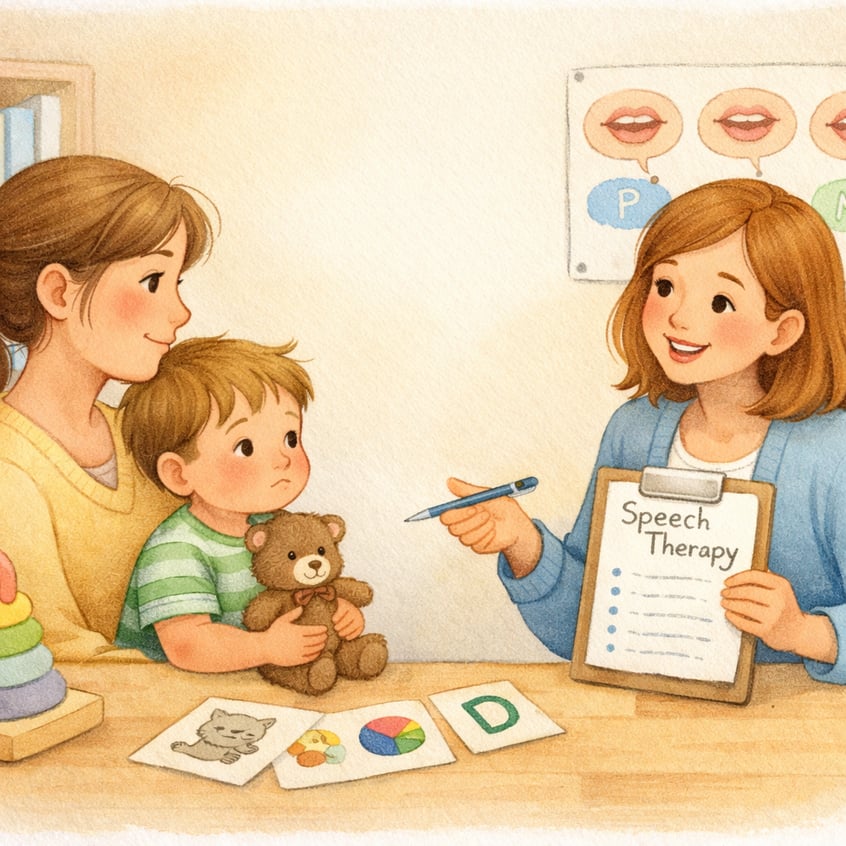
A formal speech pathology assessment is essential for evaluating your child's communication skills. Using various tools and play-based activities, the speech pathologist will assess speech sounds, vocabulary, sentence structure, and comprehension for a complete developmental picture. Early intervention is beneficial whenever needed; there’s no single optimal age.
Assessments are engaging to keep your child comfortable. The speech pathologist also consults with you about your concerns and your child's communication history to determine if there is a language disorder or delay.
Assessment results guide a personalized therapy plan if recommended.
|
Age Milestone |
Expected Speech Intelligibility |
|---|---|
|
Age 2 |
About 50% understood by unfamiliar people |
|
Age 3 |
About 70–80% understood by unfamiliar people |
Step 4: Beginning Individualised Speech Therapy Sessions
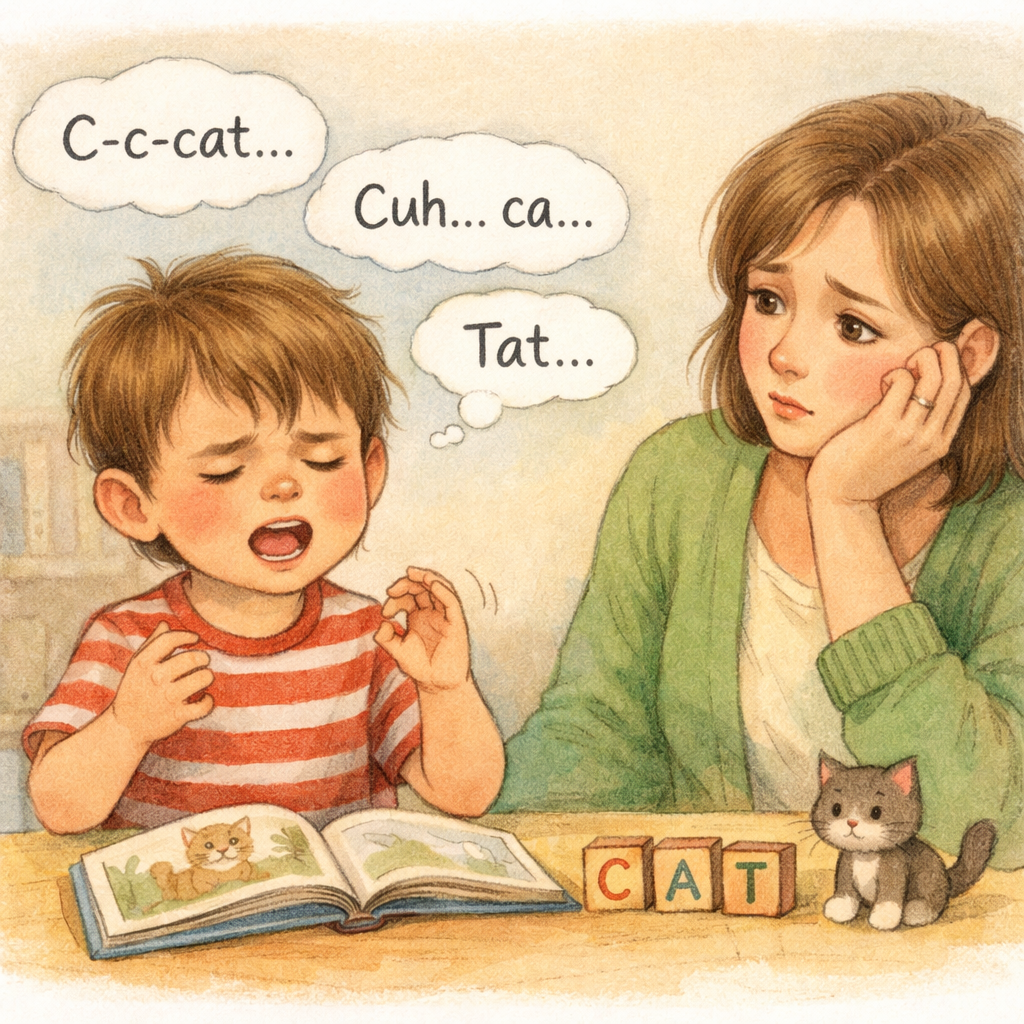
After the assessment, if speech therapy is recommended, your child will start individualized sessions tailored to their specific needs and goals. The speech therapist will create a personalized plan to build communication skills in an engaging, supportive way.
Starting speech therapy early—especially in the preschool years—offers significant benefits. Early intervention uses the brain’s natural adaptability, making it easier for children to learn new skills. Sessions often use play-based activities, making learning both fun and effective while addressing issues before they affect academic or social development.
The therapist will focus on areas identified during the assessment. Your involvement is essential; you’ll receive strategies and activities to practice at home to reinforce progress.
- Sessions are personalized to your child’s goals.
- Therapy is play-based and engaging.
- Parents get tools to support progress at home.
Conclusion
In summary, knowing when to start speech therapy is crucial for ensuring the best outcomes for your child's communication development. Early identification and intervention can make a significant difference in their speech and language skills. Whether you're noticing concerns or seeking professional advice, taking these steps can provide your child with the support they need. Remember, it's never too late to seek help, and the right guidance can empower both you and your child on this journey.
If you're considering starting speech therapy, reach out today for a consultation or call daar at 02 9133 2500 and take the first step toward enhancing your child's communication abilities.
Frequently Asked Questions (FAQ)
Addressing concerns about speech therapy often leads to questions about its necessity. Parents frequently inquire about specific red flags indicating a need for professional assessment, such as a child’s limited vocabulary or difficulties with sentence structure. Many seek guidance on identifying appropriate language milestones and the role of a speech therapist in enhancing communication skills. It's also common to wonder about the impact of early intervention, especially concerning cognitive development and social interactions in young children, ultimately facilitating effective communication.
Is there an ideal age to start speech therapy for children?
There isn't a single "ideal" age to start speech therapy, as it depends on your child's individual needs. However, early intervention is always recommended. If you notice your child is not meeting language milestones or you have concerns about their speech at any age, it's best to seek a professional assessment sooner rather than later.
Can starting speech therapy too early be a concern?
No, there isn't such a thing as starting speech therapy too early. The brain is most adaptable in the early years of a child's development, making early intervention highly effective. Addressing communication challenges early helps build a strong foundation for future learning and social skills, preventing potential difficulties down the road.
Is it ever too late for a child to benefit from speech therapy?
It is never too late for a child to benefit from speech therapy. While early intervention is ideal, individuals of any age can improve their language skills and communication abilities. The treatment of communication disorders can be effective at any stage, helping to boost confidence and improve quality of life.
.svg)




.svg)