
.png?width=48&height=48&name=Group%201%20(3).png)























9 April, 2026

What Are the First Signs of ADHD in a Child: A Quick Guide
Key Highlights
- Attention-deficit/hyperactivity disorder (ADHD) is a developmental condition with ongoing patterns of inattention, hyperactivity, and impulsivity.
- The first signs of ADHD can appear in early childhood and often include trouble focusing, constant movement, and acting without thinking.
- Recognizing these early warning signs is vital for early recognition, getting a proper diagnosis and finding effective treatment.
- There are three main types: predominantly inattentive, predominantly hyperactive-impulsive, and a combined presentation.
- This hyperactivity disorder can impact a child's social skills, school performance, and daily life.
- Understanding the difference between ADHD symptoms and typical childhood behaviour is the first step for parents seeking support.
Introduction
As a parent, you know that young children are naturally full of energy and can sometimes struggle with a child’s ability to pay attention. But when does this behaviour cross the line from typical kid stuff to something more? If you're concerned about your child's focus, activity levels, or impulsivity, you might be wondering about attention deficit hyperactivity disorder (ADHD). Recognizing the signs of ADHD is the first step toward understanding this common mental health condition and ensuring your child gets the support they need to thrive.
Understanding ADHD in Children
Attention-deficit/hyperactivity disorder (ADHD) is a condition related to brain development that affects many children and young people. Getting an accurate ADHD diagnosis is a crucial step toward managing the challenges that come with this hyperactivity disorder.
Understanding what this mental health condition is, how it differs from other disorders, and how common it is can empower you to seek the right help. Let's explore the fundamentals of ADHD, its different types, and its prevalence.
What Is ADHD? Overview for Parents
Attention-deficit/hyperactivity disorder (ADHD) is a common childhood mental health condition defined by ongoing patterns of inattention, hyperactivity, and impulsivity. These behaviours, recognized for early diagnosis, are more frequent and severe than what's typical for a child's age and can interfere with their daily functioning.
The key symptoms include difficulty focusing on details, making careless mistakes, and not seeming to listen when spoken to. A child with ADHD may also struggle with the challenges of ADHD by not following through on instructions, having trouble organizing tasks, and losing necessary items like school supplies.
Hyperactivity can show up as constant fidgeting, running or climbing in inappropriate situations, and excessive talking. Impulsivity involves acting without thinking, such as blurting out answers or interrupting others, especially at a young age. An official ADHD diagnosis requires these behaviours to be present in more than one setting, like at home and at school, for at least six months.
Types of ADHD Seen in Kids
ADHD isn't a one-size-fits-all condition. These categories depend on which symptoms are most dominant.
A child's presentation can even change over time. For example, a child with combined type might later show predominantly inattentive symptoms. The main types are:
- Predominantly Inattentive: This is what was once commonly known as ADD. Children with these inattentive symptoms struggle with focus and organization but are not overly hyperactive or impulsive.
- Predominantly Hyperactive-Impulsive: These children display impulsive symptoms and high energy levels characteristic of a hyperactivity disorder but can generally focus and pay attention.
- Combined Presentation: This is the most common type. Children show a mix of inattentive, hyperactive, and impulsive symptoms.
How Common Is ADHD in Australian Children
ADHD is a common condition affecting children worldwide. These children might face significant problems, particularly in areas related to attention and behaviour.
ADHD is usually identified in school-aged children when attention or behaviour issues become noticeable in class. Boys are diagnosed more often than girls, possibly due to differences in symptom presentation. Early signs may resemble typical toddler behaviour but become clearer with age.
ADHD can be diagnosed from age four. For ages 4–16, diagnosis requires at least six symptoms persisting for over six months, with most signs appearing before age 12.
|
Age Group |
Diagnostic Criteria |
|---|---|
|
Toddlers |
Symptoms often match normal development, making diagnosis challenging. |
|
4–16 years |
Six or more symptoms for over six months required. |
|
General |
Signs must appear before age 12 and cause issues in multiple settings (e.g., home, school). |
Early Warning Signs of ADHD at Home
Pinpointing the early warning signs of ADHD can be challenging, as many behaviours look like typical childhood energy. However, for young parents of children with ADHD, these actions are more severe, happen more often, and interfere with daily life.
The symptoms fall into two main groups: inattention and hyperactivity-impulsivity. Some kids primarily show inattentive symptoms, others have mostly hyperactive and impulsive symptoms, and many experience a combination. Recognizing these specific behaviours in daily activities at home is the first step toward getting professional help.
Inattentiveness in Daily Routines
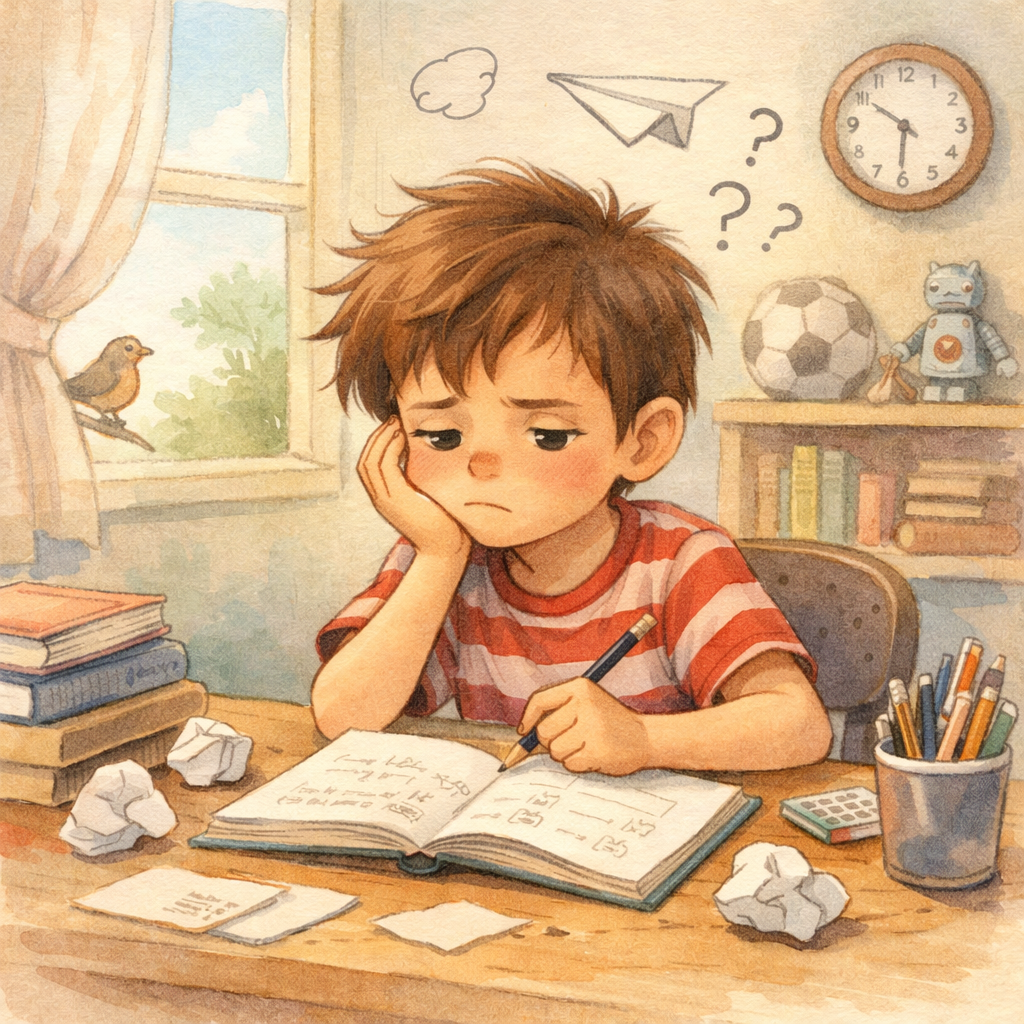
Inattentive symptoms are an early warning sign of ADHD. Your child may seem lost in their own world or struggle to focus, even during direct conversation. This isn't defiance—it's a genuine difficulty with attention that affects daily life.
Lack of focus can lead to problems like not following instructions, trouble organizing belongings, or frequently losing items like toys and school supplies. They may also avoid tasks that require sustained mental effort, such as puzzles or listening to a story.
Common inattentive behaviours at home include:
- Making careless mistakes during activities or chores
- Not listening when spoken to directly
- Being easily distracted by thoughts or surroundings
Hyperactivity and Impulsivity During Play
Children with a hyperactivity disorder often have very high energy and act on impulse. You might feel like your child is "driven by a motor," constantly on the go when they're expected to be still, especially during quiet activities or mealtimes.
Impulsive symptoms can also be very apparent during play. This might look like blurting things out, having difficulty waiting for their turn in a game, or interrupting others. These actions aren't meant to be disruptive; they reflect a genuine challenge with self-control that is part of the child's behaviour. As children get older, this hyperactivity might lessen and appear more like restlessness.
Key hyperactive and impulsive symptoms to watch for include:
- Fidgeting, squirming, or constantly tapping hands and feet.
- Running or climbing in situations where it's inappropriate.
- Talking excessively and finding it hard to play quietly.
Emotional Outbursts and Intense Reactions
Emotional dysregulation is a significant but often overlooked sign of ADHD. Children may have intense outbursts or reactions that seem disproportionate, such as a major meltdown over a minor disappointment.
These reactions aren’t just tantrums—the ADHD brain has trouble regulating emotions, so frustration and disappointment can escalate quickly. Capitalizing on small moments throughout the day can help children who may be labeled “dramatic” or “sensitive,” but they aren’t choosing these responses; their nervous system is overwhelmed. They need support to manage their feelings and build positive behaviours.
Watch for patterns like:
- Explosive reactions to small setbacks (losing a game, breaking a toy)
- Intense frustration followed by guilt or shame
- Extreme sensitivity to tone, facial expressions, or changes in routine
Recognizing ADHD Signs at School
The structure of school often makes ADHD signs more noticeable. While a child may cope at home, classroom demands can expose struggles with attention, self-control, and social skills.
These challenges can impact learning, rule-following, and making friends. Teachers are often the first to spot these patterns by observing differences among students. Next, we’ll review specific behaviours that may indicate ADHD in school.
Difficulty Following Instructions in the Classroom
A common sign of ADHD in school is difficulty following instructions. A child may hear the teacher but not fully process directions, leading to lost focus before tasks are finished.
This isn’t intentional defiance—it’s often due to challenges with working memory and organization. Multi-step directions can be overwhelming; the child might remember only the first step or get distracted partway through. This can cause careless mistakes and poor time management.
Look for classroom patterns like:
- Not listening when directions are given
- Struggling with multi-step assignments
- Difficulty organizing desk, papers, or activities
Restlessness or Fidgeting in Structured Settings
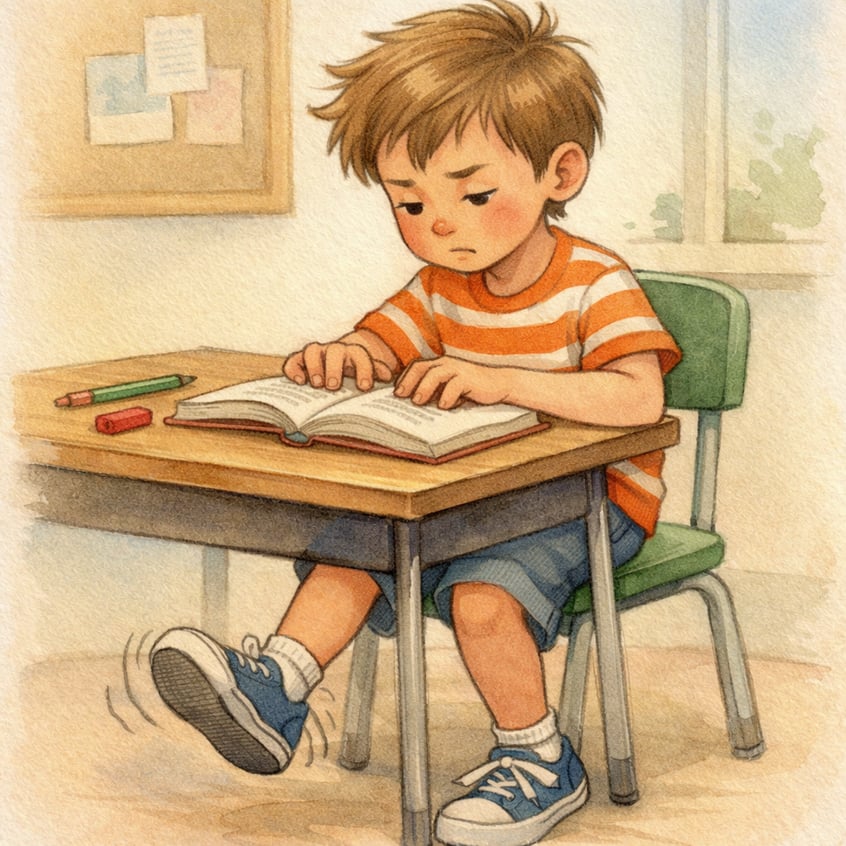
Constant motion is a classic sign of hyperactivity disorder. In structured settings like classrooms, a child who is always restless and fidgety stands out. This goes beyond typical wiggles—it's an inability to stay still when expected.
Restlessness makes it hard for them to engage in quiet activities or finish tasks that require sitting. High energy may show as tapping feet, squirming, or frequently getting up. This need for movement is a main symptom of hyperactivity.
Common signs at school include:
- Fidgeting with hands or feet, squirming in the seat
- Inability to stay seated during lessons or group work
- Acting restless or as if “driven by a motor”
Trouble Making and Keeping Friendships
Social interactions can be challenging for children with ADHD. Even friendly, energetic kids may have trouble making or keeping friends. Playdates might end in arguments, and events like birthday parties can feel overwhelming, affecting their development.
ADHD symptoms often disrupt social norms according to the National Institute of Mental Health. Children may interrupt, struggle to take turns, or dominate games—not out of rudeness, but because their brains move quickly. These behaviours can lead to rejection or embarrassment, causing them to withdraw.
Common social challenges include:
- Interrupting or talking over others
- Difficulty taking turns in games or activities
- Being seen as "bossy" or "too much" by peers
Considering Other Conditions
When you notice behaviours that might indicate ADHD, it's also important to consider other possibilities, including the cause of ADHD. Some symptoms can overlap with different conditions, which is why a thorough ADHD diagnosis from a professional is so important. Ruling out other potential causes is a standard part of the evaluation process described in the Diagnostic and Statistical Manual of Mental Disorders.
Getting the correct diagnosis ensures your child’s development and receives the right mental health support. Let's look at how ADHD differs from another common developmental disorder and discuss when it's time to seek guidance.
How ADHD Differs from Autism Spectrum Disorder
Parents may confuse ADHD with autism spectrum disorder (ASD) because both affect behaviour and social skills, but they are different. ADHD mainly involves inattention and hyperactivity, while ASD focuses on challenges with social communication and repetitive behaviours.
For example, a child with ADHD might interrupt others due to impulsivity, but a child with autism often struggles with social cues and nonverbal signals like eye contact. A thorough evaluation can clarify the difference.
Quick comparison:
- Social Interaction: Children with ADHD may break social rules out of inattention; those with autism often don’t understand these rules.
- Behaviours: ADHD is linked to fidgeting and constant movement; autism involves restricted interests and repetitive actions like hand-flapping.
- Communication: Children with ADHD may talk excessively; those with autism might have delayed speech or use language in unusual ways.
When to Seek Professional Guidance as a Parent
If you suspect your child’s behaviour indicates ADHD, consult your paediatrician or a mental health specialist. They can evaluate your child or refer you for an official diagnosis. Early intervention is crucial.
Don’t wait for behaviours to improve on their own. Document your observations and concerns to share with professionals—this will help during the assessment.
After diagnosis, treatment options may include:
- Behavioural therapy and parent training: Often the first choice for young children.
- Educational support: Your child may qualify for school accommodations.
- Support groups: Connecting with other families offers practical advice and emotional support.
Conclusion
Recognizing early signs of ADHD in children is essential for effective support. Symptoms like inattentiveness and social challenges can impact daily life. Understanding these behaviours and acting early can lead to better outcomes and support your child’s success. If you suspect ADHD, seek professional guidance to help your child thrive.
Reach out for a consultation or call daar at 02 9133 2500 for expert guidance tailored to your child’s needs.
Frequently Asked Questions
What are some common early symptoms of ADHD in children?
Common early symptoms of ADHD in children include inattentiveness, such as difficulty focusing on tasks or following instructions. Hyperactivity may manifest as excessive movement and impulsivity, leading to interrupting others or acting without thinking, especially when diagnosed at a young age. Emotional outbursts are also frequent, reflecting intense reactions to situations.
How can parents differentiate between normal childhood behavior and signs of ADHD?
Parents of children can differentiate between normal behavior and ADHD signs by observing the frequency and intensity of behaviors. Look for persistent inattentiveness, impulsivity, or hyperactivity that disrupts daily life. Typical childhood behavior usually improves with guidance, while ADHD symptoms tend to be more consistent and pervasive.
What steps should I take if I suspect my child has ADHD?
If you suspect your child has ADHD, start by monitoring their behavior and documenting specific concerns. Consult with their teacher for observations at school and schedule a meeting with a paediatrician or psychologist for a comprehensive evaluation if necessary. This can lead to appropriate support and interventions to help manage symptoms.
.svg)




.svg)