
.png?width=48&height=48&name=Group%201%20(3).png)























9 March, 2026

Understanding Autism and Gut Health: Key Insights

Key Highlights
- Children with autism spectrum disorder often experience more gastrointestinal symptoms than their neurotypical peers.
- The gut microbiome, which is the community of bacteria in our digestive system, plays a vital role in brain development and overall gut health.
- Research suggests a connection between the gut and brain, with imbalances in gut bacteria potentially influencing autism symptoms.
- Common gastrointestinal symptoms in autistic children include constipation, bloating, abdominal pain, and food sensitivities.
- Making dietary changes to improve gut health may help improve behavior, mood, and sleep in children with autism.
Introduction
Have you ever thought about the link between your child's tummy and their brain? It's a fascinating and growing area of research, especially for parents of children with autism spectrum disorder. The connection between gut health and neurodevelopmental conditions is becoming clearer. This research highlights how the human gut microbiome, including approaches like microbiota transfer, can influence everything from mood to behavior. Understanding the role of the human gut microbiome can open up new ways to support your child's overall health and digestive system, setting the stage for a happier future.
Exploring the Link Between Autism and Gut Health
Research increasingly links autism spectrum disorder (ASD) to altered gut microbiota and gastrointestinal disorders. Scientists have found that children with autism often have gastrointestinal issues, possibly due to differences in gut bacteria and permeability. The gut-brain connection suggests these imbalances may affect brain function and ASD symptoms. While gut bacteria don't cause autism, they can influence behavior. Ongoing studies may lead to gut-focused therapies for support.
Overview of Autism Spectrum Disorder in Australia
Autism spectrum disorder (ASD) is a neurodevelopmental condition affecting communication and interaction. In Australia, it’s viewed as part of natural neurodiversity, not something to be cured. Autistic individuals may face challenges with social interaction, including difficulties in developing social skills, repetitive behaviors, or intense interests.
These traits often appear in early childhood and vary widely, making ASD a “spectrum.” Some may struggle with non-verbal cues or find changes in routine distressing—simply different ways of experiencing the world.
Research shows autistic children often have less diverse gut bacteria than neurotypical peers, which may contribute to common gastrointestinal issues. This underscores their unique health needs.
Defining Gut Health and Its Relevance
Gut health refers to the balance of microorganisms, like bacteria, in your digestive tract—known as the gut microbiota. A healthy gut has diverse beneficial microbes working together.
This balance is vital because the gut microbiome supports digestion, boosts immunity, aids nutrient absorption, and communicates with your brain through the gut-brain axis. Gut health is especially important for children with neurodevelopmental differences.
Healthy gut microbes protect the gut lining and produce compounds essential for physical and mental well-being. Understanding the gut microbiome is key to supporting your child's overall health.
Why the Connection Matters for Families
Understanding the connection between gut health and autism symptoms empowers families to support their children and improve their quality of life. Focusing on gut health can ease discomfort and behavioral challenges.
Dietary changes and other gut-supportive strategies often lead to improvements in mood, sleep, and focus, as the gut communicates with the nervous system while also reducing oxidative stress. This approach helps manage symptoms—not "cure" autism—so your child feels their best. Supporting digestion can reduce irritability and boost engagement with their surroundings.
Gastrointestinal Challenges in Autistic Children
Many autistic children face a range of digestive issues that go beyond the occasional stomachache. These gastrointestinal symptoms can be chronic and significantly affect their daily life and comfort. Problems with gut flora can lead to a variety of uncomfortable GI symptoms that are often difficult for children to communicate.
Recognizing these issues is the first step toward providing relief. The challenges can range from constipation and diarrhea to bloating and abdominal pain. Understanding how these digestive issues present in autistic children can help you identify the problem and seek appropriate support.
Prevalence of Digestive Issues in Australia’s Autism Community
In Australia, it's widely recognized that children on the autism spectrum and those with attention deficit hyperactivity disorder (ADHD) experience digestive issues more frequently than their neurotypical peers. Research consistently shows that autistic children have a higher risk of developing chronic gastrointestinal symptoms. Some studies indicate that up to 80% of children with autism face significant GI challenges.
These digestive issues are not just a minor inconvenience; they can severely impact a child's comfort, behavior, and overall well-being. The discomfort from GI problems can often correlate with an increase in neuropsychiatric symptoms, highlighting the strong connection between the central nervous system, the vagus nerve, gut, and brain health.
While more clinical trials are needed to fully understand the mechanisms, the high prevalence of these bacterial species issues in the autism community is clear. Addressing gastrointestinal discomfort is now considered a vital part of supporting children on the autism spectrum in Australia and around the world.
Common Symptoms: Constipation, Diarrhea, and Abdominal Pain
Gastrointestinal problems in autistic children often present through a few common symptoms. Abdominal pain, constipation, and diarrhea are among the most frequently reported issues. These can be related to diet, low fiber intake, dehydration, or imbalances in the digestive system.
Constipation is a particularly common problem and can become chronic if not addressed. It can lead to significant discomfort and may even cause behavioral changes. Diarrhea and bloating can also indicate poor gut function and may be linked to food sensitivities or an imbalanced gut microbiome.
Recognizing these physical signs is key to getting your child the help they need. Common symptoms include:
- Chronic constipation or diarrhea
- Frequent abdominal pain or cramping
- Bloating and excessive gas
- Signs of food sensitivities, such as skin rashes or digestive upset after certain meals
Behavioral Signs Linked to Digestive Discomfort
For autistic children who may have trouble verbalizing their discomfort, digestive issues can manifest as behavioral symptoms. An increase in irritability, anxiety, or hyperactivity disorder symptoms can sometimes be a sign of underlying gut pain. Paying attention to these changes is crucial for identifying a potential problem.
Food selectivity is another common behavior that can be linked to digestive discomfort. A child might refuse certain foods because they associate them with pain or bloating. This can lead to nutritional deficiencies and further impact gut health. Changes in social behavior, such as withdrawal or difficulty concentrating, can also be connected to chronic GI issues.
Some behavioral signs to watch for include:
- Increased irritability or mood swings
- Changes in sleep patterns or increased fatigue
- Refusal to eat certain foods (food selectivity)
- More frequent repetitive behaviors or social withdrawal
Dietary Considerations for Children With Autism
Nutrition is a powerful tool for supporting the gut health of autistic children. Making thoughtful dietary changes can help create an environment where beneficial gut bacteria thrive. This often involves increasing certain foods while limiting others to reduce inflammation and support a healthy digestive system, which plays a significant role in their overall health.
For children with spectrum disorders, dietary modifications should be approached with care and personalization. There isn't a one-size-fits-all "autism diet," but certain principles can guide you in making choices that promote overall wellness. We will explore some recommended foods, what to avoid, and popular diets.
Recommended Foods for Supporting Gut and Brain Health
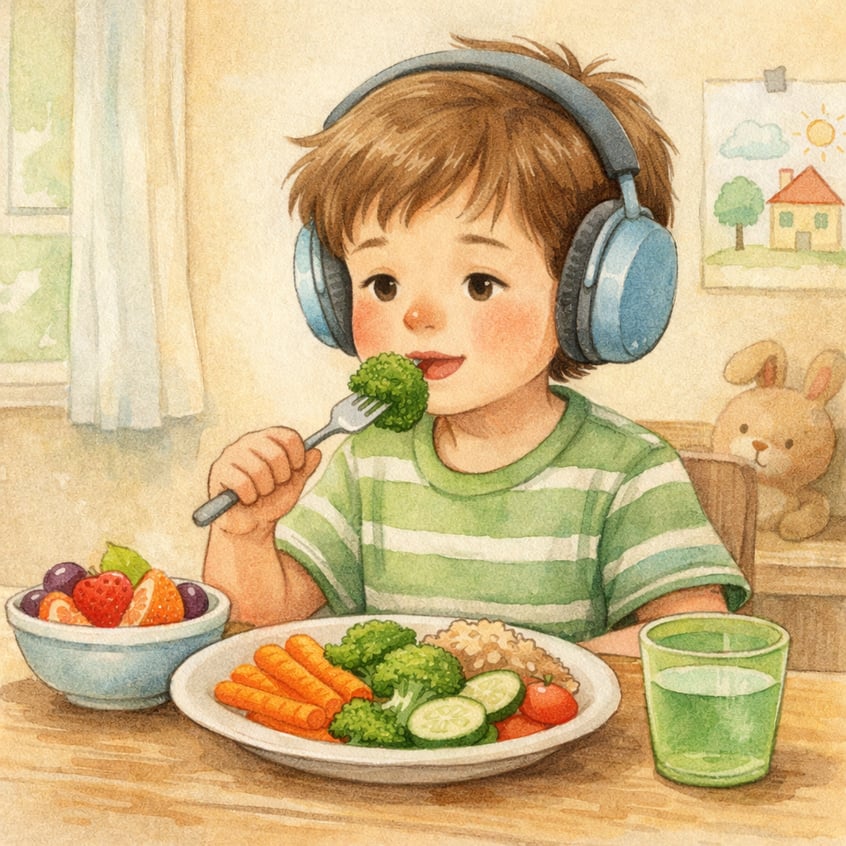
To promote a healthy gut and digestive health, focus on incorporating a variety of nutrient-dense foods. A diet rich in fiber is essential, as fiber feeds the beneficial bacteria in the gut. Including a rainbow of fruits and vegetables ensures a wide range of vitamins and minerals. For brain health, healthy fats like omega-3 fatty acids are important for reducing inflammation.
Probiotic-rich foods can also help restore balance to the gut microbiome. Things like yogurt with live cultures and fermented foods introduce good bacteria directly into the digestive system. Making these foods a regular part of your child's diet can support both gut and cognitive function, as well as brain function.
Here are some recommended foods for a healthy gut:
- High-fiber foods like whole grains, beans, and lentils.
- Probiotic-rich foods such as yogurt, kefir, and sauerkraut.
- Prebiotic-rich foods like bananas, onions, and garlic.
- Foods high in omega-3 fatty acids, including oily fish like salmon.
- A variety of colorful fruits and vegetables.
Foods and Ingredients to Limit or Avoid
Just as important as adding beneficial foods is knowing which ones to limit. Highly processed and inflammatory foods can disrupt the gut microbiota composition and contribute to issues in the digestive tract. These foods often feed harmful bacteria and can work against your efforts to build a healthy gut, which is especially important for autistic children who may already have a sensitive system.
Many processed foods are high in sugar, unhealthy fats, and artificial additives. Due to selective eating habits, some children may prefer these foods, but they can be hard on their digestive systems. Paying close attention to food sensitivities is also key, as some foods can trigger negative reactions.
To promote a healthy gut, it is best to limit or avoid these items through gradual dietary changes:
- High-sugar foods and drinks like candy and soda.
- Highly processed foods such as packaged snacks and fast food.
- Foods high in saturated and trans fats.
- Common allergens like gluten and dairy, if a sensitivity is identified.
- Artificial colorings and additives.
Comparing Popular Diets (GFCF, ketogenic, SCD) for Autism
Several specific diets are often discussed in the context of autism spectrum disorder. The Gluten-Free, Casein-Free (GFCF) diet is one of the most well-known dietary modifications. It involves removing all foods containing gluten (found in wheat, barley, and rye) and casein (found in dairy). The theory is that some children with spectrum disorders may have difficulty digesting these proteins, leading to gut issues and behavioral symptoms.
Other diets, like the ketogenic diet (high-fat, low-carbohydrate) and the Specific Carbohydrate Diet (SCD), are also explored. These diets are more restrictive and aim to alter the gut microbiome and reduce inflammation. However, the evidence from clinical trials for these diets is still emerging, and they may not be suitable for every child. It is crucial to make such dietary changes under professional supervision to avoid nutritional deficiencies.
|
Diet |
Focus |
Potential Benefits |
|---|---|---|
|
Gluten-Free, Casein-Free (GFCF) |
Removes gluten and casein proteins. |
May reduce GI symptoms and improve behavior in sensitive individuals. |
|
Ketogenic Diet |
High-fat, very low-carbohydrate. |
Studied for its effects on brain function and seizure control. |
|
Specific Carbohydrate Diet (SCD) |
Eliminates complex carbohydrates. |
Aims to reduce inflammation and rebalance gut bacteria. |
Digestive Enzymes and Supplements in Autism Support
Beyond diet, certain supplements might help support the digestive system of autistic children. Digestive enzymes, for example, can aid in breaking down food, potentially easing symptoms like bloating and discomfort. The goal of these supplements is often to restore balance and support digestive function.
Supplements like probiotics can introduce beneficial bacteria to the gut, which may help improve autism symptoms and maintain a healthy balance. However, it's important to approach any new supplement with guidance from a healthcare professional to ensure it is safe and appropriate for your child. Let's look at the roles these supplements can play.
Role of Digestive Enzymes in Managing GI Symptoms
Digestive enzymes can play a supportive role in managing GI symptoms for some individuals with autism. These enzymes help break down fats, proteins, and carbohydrates, making nutrients more available for absorption. For children who have trouble with digestion, this can relieve strain on their digestive tract and reduce discomfort.
Some studies have shown that supplementing with digestive enzymes can lead to positive clinical results. Parents have reported improvements in GI symptoms like bloating and gas, as well as some behavioral changes. This suggests that improving gut function can have broader benefits beyond just physical comfort.
However, digestive enzymes are not a cure-all and should be used as part of a comprehensive approach. They work best alongside dietary modifications and should always be introduced under the guidance of a healthcare provider who can recommend the right type and dosage for your child’s specific needs.
Probiotics and Prebiotics: What Parents Should Know
Probiotics and prebiotics are two key players in supporting a healthy gut microbiota. Probiotics, which can be a component of fecal microbiota transplantation, are live, beneficial bacteria that can help restore balance in the gut. For children with an altered gut microbiome, probiotics may help reduce inflammation and strengthen the gut lining.
Prebiotics, on the other hand, are types of fiber that act as food for these beneficial bacteria. They help the good microbes in your gut to grow and thrive, which improves microbial diversity. Including both probiotics and prebiotics in your child's diet can create a powerful synergy for gut health.
Here's what parents should know:
- Probiotics are found in fermented foods like yogurt and kefir.
- Prebiotics are found in high-fiber foods like bananas, onions, and whole grains.
- Some probiotic strains, like Lactobacillus reuteri, have been studied for their potential benefits in autism.
- Always consult a healthcare provider before starting a probiotic supplement.
Vitamins, Minerals, and Australian Supplement Guidelines
Nutrient deficiencies are not uncommon in children with autism, often due to selective eating. Vitamins and minerals like B6, magnesium, and vitamin D are crucial for overall health, including immune system function. Some research suggests that supplementing certain nutrients may improve symptoms in autistic individuals.
For example, studies have found that some children with autism have lower levels of vitamin D, and supplementation has been linked to improvements in attention and behavior. However, it's essential to approach supplementation cautiously. In Australia, healthcare providers recommend getting nutrients from food first.
Before starting any new vitamins or minerals, it's crucial to consult with healthcare providers. They can assess for deficiencies and recommend appropriate dosages. Here are a few points to remember:
- Focus on a balanced diet rich in whole foods first.
- Vitamin B6 and magnesium have been studied for their combined effects.
- Vitamin D is important, especially for those with limited sun exposure.
- Always follow the advice of a registered dietitian or doctor.
Practical Tips for Improving Gut Health in Autistic Children
Making changes to support your child's gut health doesn't have to be overwhelming. You can start with small, practical steps to encourage a healthy gut microbiota and consider microbiota transfer therapy from healthy donors as an option. The goal is to make sustainable changes that fit into your family's daily life and support your child's digestive system.
From meal planning to working with professionals, there are many ways to approach improving gut health. These practical tips can help you navigate the journey of supporting your autistic child's well-being from the inside out. We'll explore easy meal ideas, the importance of professional guidance, and how to track progress.
Easy Meal Ideas and Menu Planning for Families
Incorporating gut-friendly foods into your daily life can be easier with a bit of menu planning. Focus on simple meals that include a variety of nutrients. For example, you can "hide" extra vegetables in pasta sauces or blend them into smoothies to increase fiber intake without a fuss. Making food fun and involving your child in the preparation can also encourage them to try new things.
When planning meals, aim for a balance of protein, healthy fats, and complex carbohydrates from sources like whole grains. This will help keep blood sugar stable and provide sustained energy. Remember that hydration is also crucial for good gut health, so encourage your child to drink plenty of water throughout the day.
Here are a few easy meal ideas:
- Smoothies with spinach, banana, and a scoop of flax seeds.
- Oatmeal with berries and nuts for a high-fiber breakfast.
- Chicken and vegetable skewers for a fun and colorful dinner.
- Snacks like apple slices with nut butter or yogurt with fruit.
Importance of Professional Supervision and Dietitian Input
While it can be tempting to try new dietary modifications on your own, professional supervision is essential. Healthcare providers, such as a registered dietitian, can help you make changes safely and effectively. They can assess your child's specific nutritional needs and create a personalized plan that supports their overall health.
A professional can also help you navigate the information from clinical trials and separate evidence-based advice from fads. They will ensure that any dietary changes do not lead to nutritional deficiencies, which is a risk with restrictive diets. Partnering with a trusted professional ensures you have a safe and effective plan for your child's gut health journey.
Key reasons for professional supervision include:
- Personalized advice tailored to your child's needs.
- Ensuring nutritional balance and avoiding deficiencies.
- Monitoring for any side effects or interactions with medications.
Tracking Changes: Monitoring Symptoms and Progress
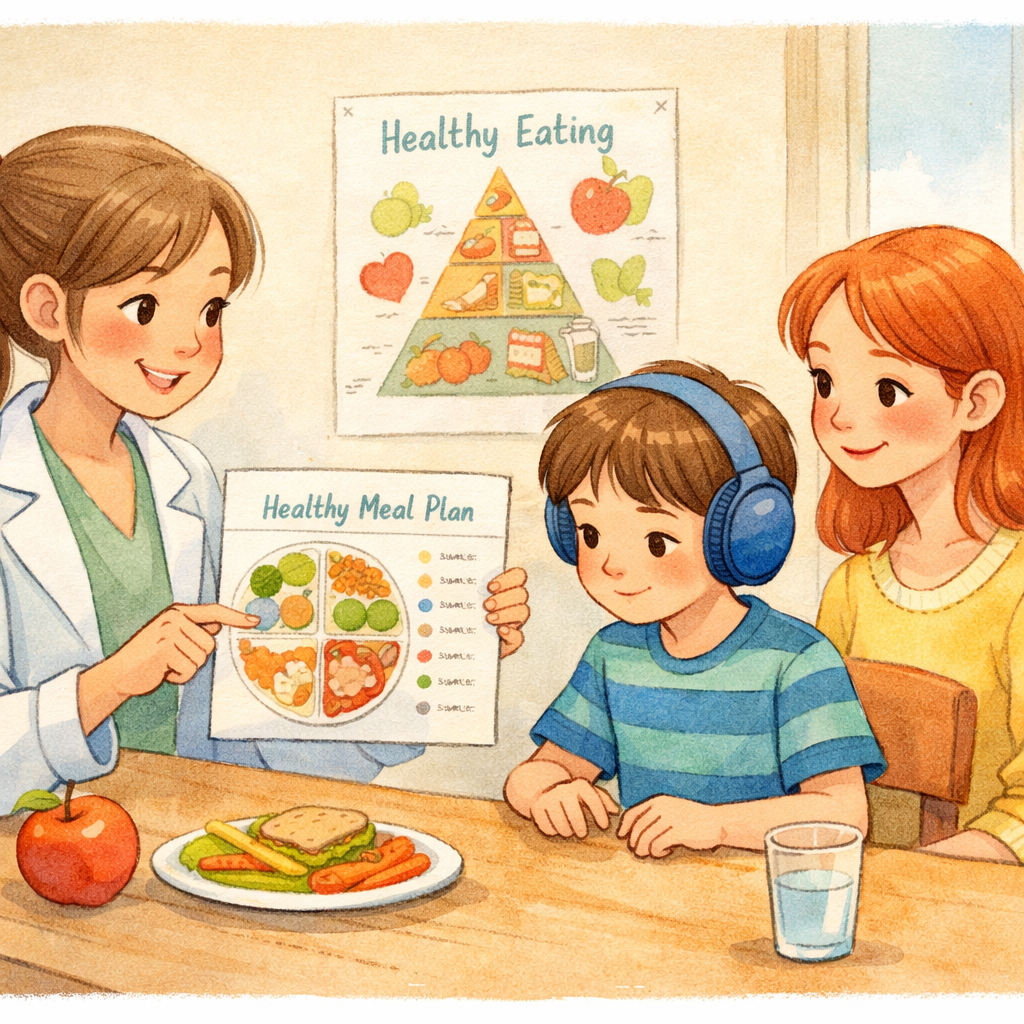
When you make dietary changes, it's helpful to track your child's symptoms and progress. Keeping a food and symptom diary can help you identify patterns and see what's working. Note any changes in GI symptoms, such as bloating or constipation, as well as any shifts in behavioral symptoms.
This tracking process allows you to take a systematic approach and provides valuable information for your healthcare provider. It helps you see the connection between the dietary changes you're making and any improvements in autism symptoms. Remember that changes may be gradual, so patience is key.
Here’s what you can track:
- Daily food and drink intake.
- GI symptoms, including bowel movements and any discomfort.
- Behavioral symptoms, such as mood, sleep quality, and focus.
Conclusion
In summary, understanding the intricate relationship between autism and gut health can have a significant impact on the well-being of children on the spectrum. By recognizing the prevalence of gastrointestinal challenges, dietary considerations, and the role of supplements following antibiotic use, families can adopt strategies that support both gut and brain health. These changes not only promote comfort but can also enhance overall behavior and development. As you navigate this journey, consider reaching out for professional guidance to tailor a plan that best suits your child's needs.
If you're ready to explore these insights further, book a consultation or call daar at 02 9133 2500 with our experts today.
Frequently Asked Questions
Can changing my child’s diet really impact autism symptoms?
Yes, for some autistic children, dietary changes can make a noticeable difference. By supporting the gut microbiome and addressing immune activation, you may see improvements in both gastrointestinal issues and behavioral symptoms. Many parents report positive changes in their child’s mood, sleep, and focus after implementing a gut-friendly diet.
What are early warning signs of gut issues in autistic children?
Early warning signs of gastrointestinal symptoms in children on the autism spectrum include chronic constipation or diarrhea, frequent abdominal pain, bloating, and food refusal. Behavioral changes like increased irritability or trouble sleeping can also indicate problems with the digestive system and an imbalanced gut flora, as highlighted in a systematic review.
Are there risks to trying gut health interventions without expert advice?
Yes, there are risks. Making significant dietary modifications without guidance from healthcare providers can lead to nutritional deficiencies and may not be safe for your child's overall health. It's crucial to work with a professional to ensure any interventions for gut health are appropriate and effective.
.svg)




.svg)