
.png?width=48&height=48&name=Group%201%20(3).png)
























9 March, 2026

Gut Health in Neurodiverse Children: Key Insights

Key Highlights
- Neurodiverse children, particularly those with autism spectrum disorder, often show more digestive symptoms than their neurotypical peers.
- The gut microbiome, the community of bacteria in the digestive system, is vital for brain development, immune function, and overall gut health.
- Research suggests a strong connection between gut-brain communication and conditions like autism, where imbalances in gut bacteria might influence behavioral symptoms.
- Common digestive issues in neurodiverse kids include constipation, bloating, abdominal pain, and food sensitivities.
- Improving gut health through diet and lifestyle changes may help improve behavior, mood, and sleep in children with neurodiverse conditions.
Introduction
Have you ever considered the connection between your child’s tummy and their brain? It's a fascinating and growing area of research, especially for parents of neurodiverse children. The link between gut health and conditions like autism spectrum disorder is becoming clearer, highlighting how the human gut microbiome can influence everything from mood to behavior. Understanding the significant role of gut bacteria can open up new avenues for supporting your child's overall well-being, providing a foundation for a happier, healthier life.
Understanding Gut Health in Neurodiverse Children
Gut health refers to the balance of microorganisms living in your digestive tract. For neurodiverse children, this balance is especially important. A healthy gut microbiome supports the immune system, nutrient absorption, and even brain development.
Since gut microbes communicate with the nervous system, poor gut health can affect more than just digestion in kids with neurodiverse conditions. When beneficial bacteria thrive, they protect the gut lining and support overall wellness. Let's explore what gut health means and why it's so crucial.
Defining Gut Health and the Microbiome
Gut health in early childhood is key to lifelong wellness. A balanced gut microbiome aids digestion, boosts immunity, and ensures children absorb essential nutrients for growth. Built from birth and shaped by diet, a healthy gut also supports stronger immunity and cognitive development.
The gut microbiome—trillions of microbes in the intestines—is vital for digestion. Diverse gut bacteria break down food, nourish the gut lining, produce vitamins, and help control inflammation.
Emerging research links autism and gut health. Scientists are finding that the gut microbiome may influence both the development and severity of autism symptoms by communicating directly with the brain.
Common Neurodiverse Conditions in Children (Autism, ADHD, etc.)
Neurodiverse children, such as those with autism spectrum disorder (ASD) or attention deficit hyperactivity disorder (ADHD), often have distinct gut health needs. Their gut bacteria may be less diverse or balanced compared to those of their neurotypical peers, which can lead to more gastrointestinal issues.
Digestive issues are significantly more common in children with spectrum disorders. Research consistently shows that they have a higher risk of experiencing a wide range of gastrointestinal problems. While healthy children may have occasional digestive upset, these issues are often more chronic and severe in neurodiverse kids.
This difference is linked to several factors:
- Dietary Preferences: Selective eating habits can reduce food variety and affect gut microbiome diversity.
- Stress and Anxiety: Higher stress levels common in ASD and ADHD can disrupt gut health.
- Microbiome Composition: Neurodiverse children often have a different composition of gut bacteria.
- Gut Permeability: They may have a less secure gut lining, sometimes called "leaky gut."
Why Gut Health is Especially Important for Neurodiverse Kids
The gut-brain axis is a direct line of communication between the digestive system and the central nervous system, influencing mood, focus, and even social behavior. For neurodiverse kids, maintaining a healthy gut microbiota is vital because imbalances can impact brain development and function.
Improving gut health has the potential to help manage autism symptoms. When we take steps to balance the gut, we may see positive changes in a child's mental health and behavioral symptoms. Parents often report noticeable improvements in mood and sleep after making dietary adjustments. Immune activation from an unhealthy gut can also contribute to behavioral issues.
By supporting the growth of beneficial gut bacteria, you can reduce inflammation and improve the production of important chemicals like serotonin. This can lead to better emotional stability, enhanced focus, and improved overall well-being, demonstrating how a healthy gut can contribute to a happier child.
Exploring the Gut Microbiome in Autism and ADHD
Research consistently shows that the gut microbiota composition in autistic children and those with ADHD can be different from that of their neurotypical peers. These differences often include lower microbial diversity and an imbalance between beneficial and harmful bacteria.
This altered gut environment is thought to contribute to the gastrointestinal issues frequently seen in these children. Understanding these specific microbial differences is a key step toward developing targeted interventions to support their gut health and overall well-being. Let's look closer at what the research says.
Microbiome Differences in Neurodiverse Children
Studies analyzing the fecal microbiota of neurodiverse children have revealed an altered gut microbiota compared to healthy controls. This means the balance and variety of bacterial species in their digestive systems are different. For example, children with autism often show a different ratio of major bacterial groups like Firmicutes and Bacteroidetes.
Specifically, research often points to a lower abundance of certain beneficial bacteria, such as Bifidobacterium and Lactobacillus. This lack of good bacteria can create an imbalanced gut environment, which may contribute to both digestive problems and some of the behavioral traits seen in neurodiversity.
These findings highlight that the digestive issues in neurodiverse children are not just coincidental but may be linked to these underlying biological differences in their gut microbiome. This research opens the door to therapies aimed at rebalancing these bacterial populations.
Bacterial Imbalances and Their Potential Effects
Bacterial imbalances in the gut flora can have wide-ranging effects that go beyond simple digestive issues. While gut bacteria do not cause autism, research suggests they can affect the severity of symptoms. An imbalanced microbiome can influence brain function and behavior through the gut-brain axis.
This disruption can contribute to inflammation and affect the production of neurotransmitters, which are chemicals that regulate mood and social interaction. For neurodiverse children, this can mean an increase in irritability, anxiety, and challenges with focus.
The potential effects of these imbalances can include:
- Increased Digestive Issues: Chronic constipation, diarrhea, and bloating become more common.
- Behavioral Changes: Irritability and difficulty with emotional regulation may worsen.
- Impact on Social Interaction: Gut-brain communication issues can sometimes affect social engagement and comfort.
Research on Microbial Diversity and Neurodevelopment
A growing body of research links gut microbial diversity to neurodevelopment. Low diversity in the gut is increasingly associated with conditions like autism. Scientists believe a less diverse microbiome is less resilient and may not function optimally.
Recent clinical trials on microbiota transfer therapy (MTT)—transferring gut microbes from healthy donors—show early promise. MTT has improved GI symptoms and behavior in children with autism, suggesting restored microbial diversity could be therapeutic.
While long-term safety needs further study, these findings offer hope. Common bacterial differences observed in autistic children include:
|
Bacterial Group |
Finding in Autistic Children |
Potential Impact |
|---|---|---|
|
Lactobacillus |
Often decreased |
Reduced support for digestion and gut lining |
|
Bifidobacterium |
Often decreased |
Weaker immune function and gut barrier |
|
Firmicutes |
Altered ratio |
May affect energy absorption and inflammation |
|
Bacteroidetes |
Altered ratio |
Impacts breakdown of fiber and nutrients |
Dietary Factors That Influence Gut Health
A variety of dietary factors significantly contribute to the overall health of the gut microbiome, especially in autistic children. Foods rich in fiber, such as whole grains and fruits, promote beneficial gut bacteria, enhancing microbial diversity. Additionally, healthy fats, like those found in fish, support brain development and help manage gastrointestinal symptoms. Avoiding processed foods may reduce gut permeability, potentially alleviating behavioral symptoms related to autism spectrum disorder. Careful dietary modifications can lead to improved gut function, impacting attention span and social interactions positively.
Foods That Support a Healthy Gut in Children
To support your child's gut health, focus on incorporating a variety of nutrient-dense foods. The best foods are those that feed beneficial bacteria and promote a healthy balance in the gut flora. For infants, breast milk is an excellent start, as it contains prebiotics that help establish a healthy microbiome.
As children grow, a diet rich in dietary fiber is key, as it acts as food for good gut bacteria. Including a rainbow of fruits and vegetables ensures a wide range of nutrients. Healthy fats, like omega-3 fatty acids found in fish, are also important for reducing inflammation.
Here are some of the best foods to support a healthy gut:
- High-fiber foods: Whole grains, beans, lentils, fruits, and vegetables.
- Probiotic-rich foods: Yogurt with live cultures, kefir, and fermented foods.
- Prebiotic-rich foods: Garlic, onions, bananas, and asparagus.
- Anti-inflammatory foods: Oily fish for omega-3 fatty acids, turmeric, and ginger.
Foods and Additives That May Disrupt Gut Health
Just as important as the foods you add are the ones you limit. The worst foods for gut health are typically highly processed and inflammatory, as they can disrupt the gut microbiome. These foods can feed harmful bacteria, increase oxidative stress, and harm the digestive tract.
Many processed foods are high in sugar, unhealthy fats, and artificial food additives, which can be particularly hard on a sensitive digestive system. These ingredients can increase gut permeability, also known as "leaky gut," allowing unwanted substances to enter the bloodstream.
To promote a healthy gut, it's best to limit or avoid:
- High-sugar foods and drinks: Soda, candy, and sugary cereals.
- Highly processed foods: Packaged snacks and fast food with long ingredient lists.
- Foods high in unhealthy fats: Fried foods and many commercial baked goods.
- Artificial food additives: Certain colorings, preservatives, and sweeteners.
Food Sensitivities and Allergies in Neurodiverse Kids
Food sensitivities and allergies are more common in neurodiverse children and often cause gastrointestinal issues. These reactions can lead to digestive symptoms and influence eating habits, sometimes resulting in selective eating.
Autistic children frequently experience chronic constipation, diarrhea, bloating, or abdominal pain. These symptoms can be hard to express, often leading to behavioral changes like irritability or withdrawal. Chronic discomfort may also affect concentration and increase resistance to certain foods.
Understanding the link between food selectivity and digestive problems is important. Children may avoid foods not just for taste or texture but because they associate them with feeling sick. Addressing these sensitivities is essential for supporting gut health.
Diets and Nutrition Strategies for Gut and Brain Wellness
Nutrition is a powerful tool for supporting your child's gut and brain health. Making targeted dietary modifications can help create an environment where beneficial gut bacteria thrive, which in turn supports better gut function and overall wellness.
A diet rich in fiber, vitamins, and anti-inflammatory compounds can help nourish the gut, reduce inflammation, and positively influence brain health. By being mindful of your child's daily food intake, you can actively contribute to a healthier gut. Let's explore specific foods and strategies to help.
Overview of Common Therapeutic Diets (GFCF, SCD, Ketogenic)
Several therapeutic diets are recommended for children with autism to support gut health and manage symptoms. The gluten-free, casein-free (GFCF) diet is one of the most common. It involves removing gluten (found in wheat) and casein (found in dairy). Some parents report behavioral improvements with this diet.
Another approach is the Specific Carbohydrate Diet (SCD), which limits complex carbohydrates to reduce inflammation in the gut. The ketogenic diet, high in fats and low in carbs, has also been studied for its potential to improve symptoms by altering the gut microbiota.
It is important to note that these diets can be restrictive and should be implemented under the guidance of a healthcare provider. What works for one child may not work for another.
|
Therapeutic Diet |
Description |
Potential Benefits |
|---|---|---|
|
Gluten-Free, Casein-Free (GFCF) |
Eliminates proteins from wheat and dairy. |
May reduce GI symptoms and improve behavior. |
|
Specific Carbohydrate Diet (SCD) |
Restricts complex carbs to heal the gut. |
Can improve digestion and reduce inflammation. |
|
Ketogenic Diet |
High-fat, very low-carb diet. |
May improve anxiety and social behaviors. |
Nutritional Best Practices for Supporting Gut Health
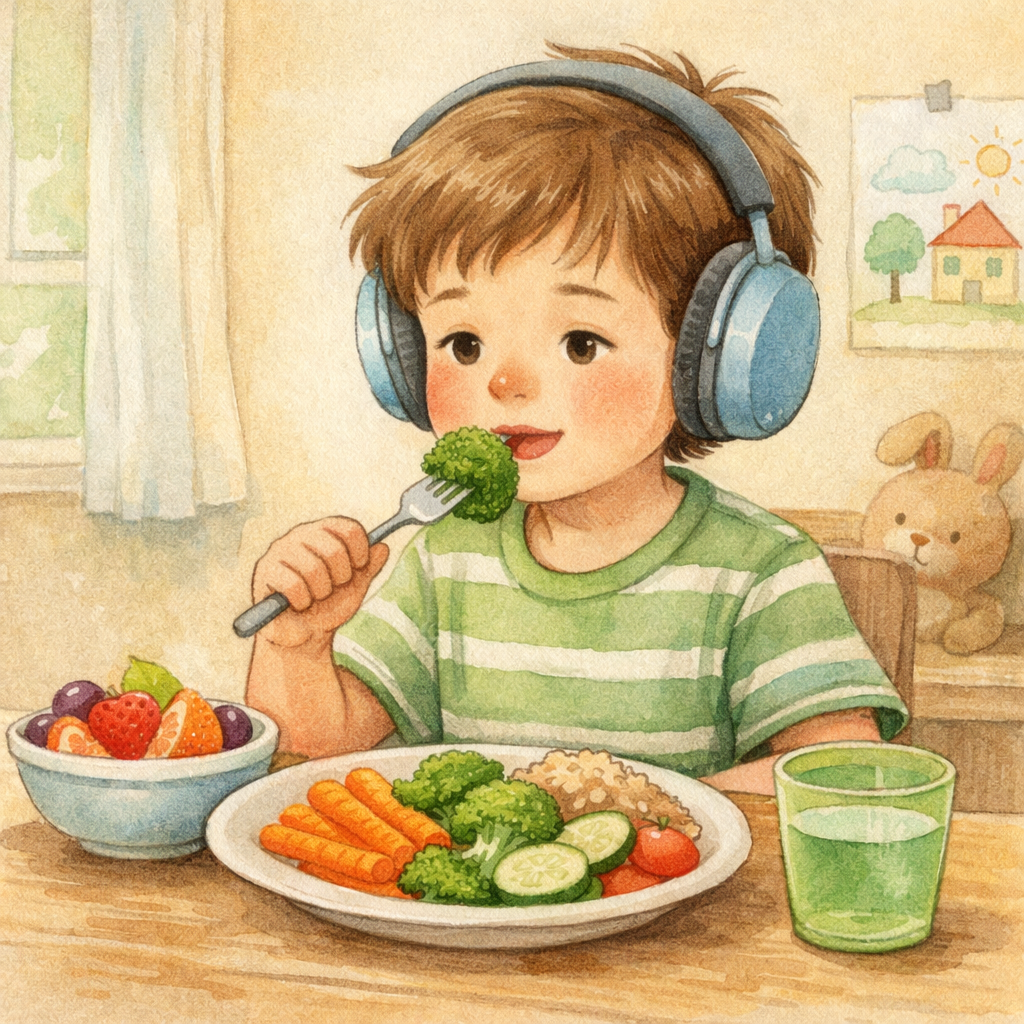
Supporting a healthy gut through nutrition doesn't always require a strict therapeutic diet. Incorporating nutritional best practices into your child's daily routine can make a significant difference in their energy levels, immune system function, and behavior.
Yes, changing your child's diet can really improve their behavior or symptoms. Dietary changes that promote a healthy gut can positively influence the gut-brain axis, leading to better mood regulation and focus. The key is to focus on whole, unprocessed foods that nourish the body and the microbiome.
Here are some best practices:
- Prioritize Fiber: Include plenty of fruits, vegetables, and whole grains to feed good gut bacteria.
- Incorporate Healthy Fats: Foods like avocado, nuts, and oily fish can reduce inflammation.
- Stay Hydrated: Water is essential for proper digestion and overall gut function.
- Limit Processed Foods: Reduce intake of sugary snacks and drinks that can disrupt gut balance.
Practical Tips for Family Meals and Meal Planning
Incorporating dietary modifications into your family's daily life can feel overwhelming, but meal planning can make it much more manageable. A little preparation goes a long way in ensuring your child gets the nutrients they need for their overall health.
Changing a child's diet can make a real difference for autism by supporting their gut health, which is closely linked to behavior and well-being. Start with small, achievable changes. Involve your child in the process by letting them help choose or prepare healthy foods. This can make them more willing to try new things.
Here are some practical tips:
- "Hide" Nutrients: Blend vegetables into pasta sauces or add spinach to smoothies.
- Offer Choices: Give your child a choice between two healthy options to foster a sense of control.
- Make Food Fun: Use cookie cutters to make fun shapes or arrange food in colorful patterns.
- Eat Together: Family meals create a positive, low-pressure environment for trying new foods.
Supplementation and Therapeutic Approaches
Beyond diet, certain supplements and therapies can offer additional support for gut health. Probiotics and digestive enzymes are two of the most commonly discussed options, as they can help restore balance and improve digestive function.
However, it's crucial to approach supplementation with care. The supplement world can be confusing, and not every product is suitable for every child. Always consult with trusted healthcare providers before starting any new regimen to ensure it is safe and appropriate for your child's specific needs.
Probiotics, Prebiotics, and Their Role in Gut Support
Probiotics are live beneficial bacteria that help restore balance to the gut microbiota. For neurodiverse children, who often have an imbalanced gut, probiotics can be a helpful tool. They work by replenishing the good bacteria, which can help strengthen the gut lining and reduce inflammation.
Prebiotics are just as important. These are types of dietary fiber that act as food for probiotics and other beneficial bacteria. Foods like garlic, onions, and bananas are rich in prebiotics. By including both probiotics and prebiotics in your child's diet, you create a powerful combination for gut support.
Improving gut health through these supplements can help manage autism symptoms by positively influencing the gut-brain axis. A healthier gut can lead to better production of mood-regulating neurotransmitters, potentially improving behavior, reducing anxiety, and enhancing focus.
Digestive Enzymes and Their Role in Autism Therapy
Digestive enzymes are proteins that help break down food. Some children with autism may lack enough of these enzymes, leading to poor digestion. Supplementing with digestive enzymes can aid the breakdown of fats, proteins, and carbohydrates.
In autism therapy, digestive enzymes help relieve bloating, gas, and indigestion. Improved nutrient absorption can boost energy and overall well-being.
Before using supplements:
- They may ease symptoms but don’t address the underlying enzyme deficiency.
- Choose a high-quality product made for children.
- Side effects are possible—consult a professional first.
- Use them as part of a broader gut health plan.
Consulting Healthcare Professionals for Supplement Guidance
When considering supplements or major dietary changes, consult qualified healthcare professionals such as pediatricians, dietitians, or gastroenterologists. They can provide personalized advice for your child’s unique needs and ensure safe choices.
Self-prescribing supplements can be risky; some may interact with medications or be unsuitable for children. A professional can recommend appropriate products and dosages, monitor side effects, and align the plan with your child’s health goals.
While dietary changes or supplements can improve behavior, they should be implemented correctly. Working with an expert ensures informed, evidence-based decisions that truly benefit your child’s well-being.
Latest Research and Future Directions in Gut Health and Neurodiversity
The field of gut health and neurodiversity is rapidly evolving, with exciting research paving the way for new interventions that may enhance cognitive function. Scientists are conducting clinical trials to better understand the gut-brain connection and test innovative therapies like microbiota transplantation.
These studies are providing valuable insights into how we can support neurodiverse individuals. The future directions of this research promise more personalized and effective approaches to improving gut health and, in turn, quality of life. Let's explore some of the key studies and emerging trends.
Key Australian and Global Studies on Gut-Brain Interventions
Significant research, including work from Australian families and global institutions, is exploring gut-brain interventions. A recent systematic review highlighted that gut bacteria imbalances may worsen autism symptoms, leading to new therapy options that target the gut.
One of the most promising interventions being studied in clinical trials is fecal microbiota transplantation (FMT). This procedure aims to restore a healthy gut microbiome by transferring microbes from a healthy donor. Early studies suggest FMT may ease GI issues and improve behavioral symptoms in children with ASD.
While more research is needed to confirm long-term safety and effectiveness, these findings offer new hope. Here is a summary of recent research directions:
|
Intervention |
Focus of Study |
Reported Outcomes |
|---|---|---|
|
Fecal Microbiota Transplantation (FMT) |
Transferring healthy gut microbes to restore balance. |
Improvement in GI and ASD-related symptoms. |
|
Probiotic Supplementation |
Using specific strains to support gut health. |
Potential improvements in mood and social behavior. |
|
Dietary Changes |
GFCF, ketogenic, and other targeted diets. |
Reduced inflammation and behavioral improvements. |
|
Maternal Health Studies |
Impact of maternal infections on fetal neurodevelopment. |
Link found between maternal immune activation and autism risk. |
Emerging Trends and Areas for Further Investigation
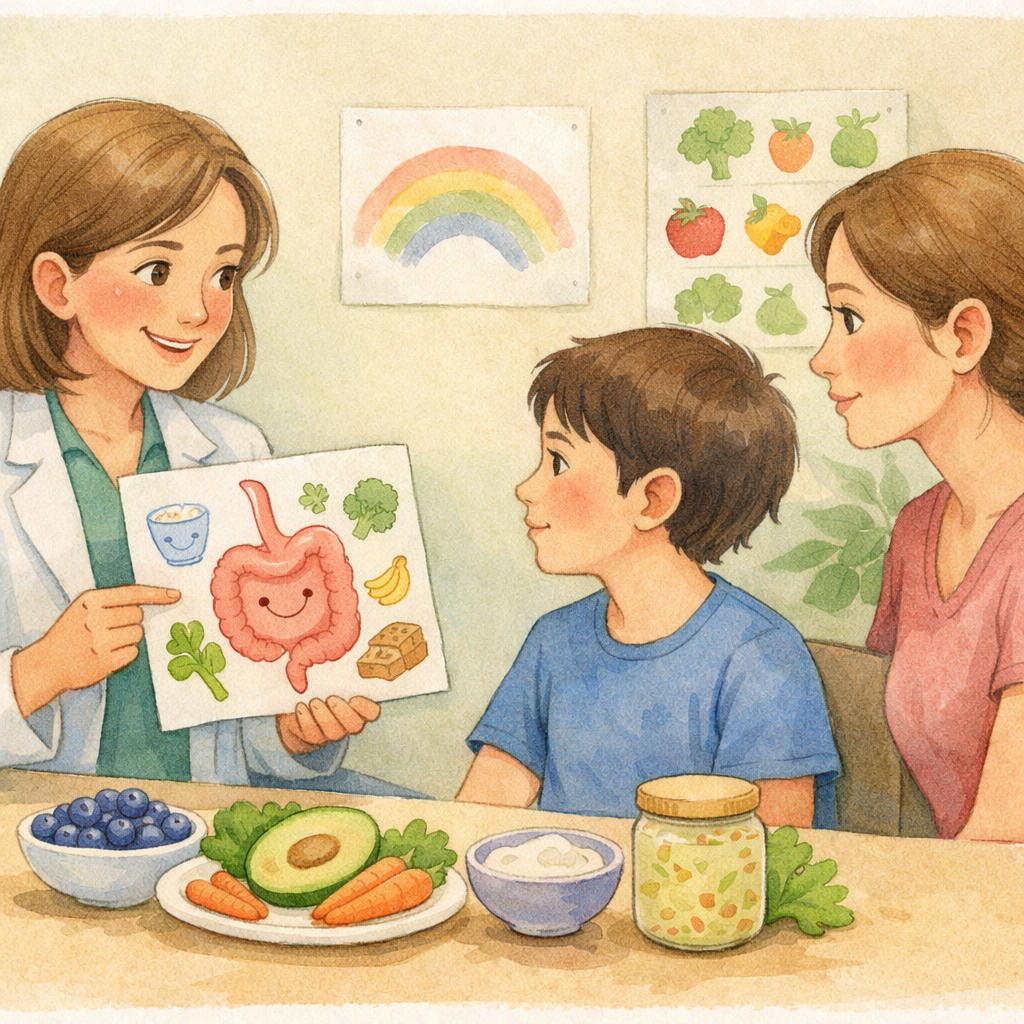
As research into the gut-brain axis continues, several emerging trends are shaping the future of care for neurodiverse individuals. One of the most significant is the move toward personalized medicine, where interventions are tailored to an individual's unique microbiome composition.
Another area of intense investigation is the long-term impact of microbiota transfer therapy. While early results are promising, researchers are now focused on understanding how these changes to the gut microbiome are sustained over time and how they continue to influence behavioral symptoms and quality of life.
Key areas for further investigation include:
- Identifying specific microbial markers for neurodiverse conditions.
- Developing non-invasive therapies that can modulate the gut microbiome.
- Understanding the role of antibiotics and other early life factors.
- Exploring the impact of diet on the microbiome with greater precision.
Conclusion
In summary, supporting gut health in neurodiverse children is essential for their overall well-being. A balanced diet, awareness of food sensitivities, and proper supplementation can improve both gut and brain function. Staying informed about new research and dietary strategies helps address your child’s unique needs. Prioritizing gut health benefits their physical, emotional, and behavioral wellness.
For personalized guidance, schedule a consultation or call daar at 02 9133 2500 to enhance your child’s wellness journey.
Frequently Asked Questions
How do I know if my neurodiverse child has gut health issues?
Look for common gastrointestinal symptoms like chronic constipation, diarrhea, bloating, or frequent abdominal pain. In autistic children, these digestive issues can also manifest as behavioral changes, such as increased irritability, food refusal, or disruptions in their daily life, as they may have trouble verbalizing their discomfort.
Can changing my child’s diet really improve their behavior or symptoms?
Yes, dietary changes can make a noticeable difference. A diet that supports gut health can reduce inflammation and improve brain function, potentially leading to better energy levels, improved communication skills, and fewer challenging autism symptoms. Many parents report a significant improvement in their child's overall quality of life.
Are digestive issues more common in kids with autism compared to other children?
Yes, research consistently shows that gastrointestinal disorders are significantly more common in autistic individuals compared to their neurotypical peers. This higher prevalence is linked to differences in the gut microbiome and other factors associated with autism spectrum disorder, making digestive health a crucial area of focus.
.svg)




.svg)