
.png?width=48&height=48&name=Group%201%20(3).png)























9 January, 2026

Exploring Speech Therapy: Methods and Approaches
Introduction
Have you ever wondered what speech therapy is and how it works? It’s a specialized field dedicated to assessing and treating a variety of communication problems and speech disorders. This treatment is carried out by highly trained professionals called speech-language pathologists (SLPs), though you might know them as speech therapists. They use a range of proven techniques, from articulation therapy to language intervention activities, designed to improve your ability to communicate effectively and confidently.
Key Highlights
Here are the key takeaways about the world of speech therapy:
-
Speech therapy is the assessment and treatment of communication problems and speech disorders, performed by a speech pathologist.
-
It benefits people of all ages, from young children with developmental delays to adults with neurological disorders.
-
A speech pathologist addresses a wide range of issues, including language disorders, swallowing difficulties, and cognitive-communication challenges.
-
Therapy sessions involve tailored activities like articulation therapy and language intervention to improve communication skills.
-
Early intervention is crucial, as it leads to better outcomes and can significantly improve a person’s quality of life.
Who Benefits from Speech Therapy?
Speech therapy benefits people of all ages—from infants and toddlers to seniors in hospice care. Speech-language pathologists evaluate and treat both acute and chronic communication challenges.
Whether you’re a parent concerned about your child’s language development or an adult recovering from a stroke, speech therapy offers valuable support. It addresses a wide range of needs, proving it’s never too early or too late to improve communication. Knowing how it helps each age group can clarify your next steps.
Pediatric Speech Therapy: Supporting Communication in Children in Liverpool
Speech therapy can greatly benefit young children’s language development. Depending on the communication disorder, therapy may be one-on-one, in small groups, or in classroom settings, always aiming to be engaging and fun. To become a speech pathologist, individuals typically need to earn a master’s degree in speech-language pathology, complete supervised clinical experience, and obtain proper licensure or certification according to local regulatory requirements. Additional qualifications may include passing a national examination and fulfilling ongoing professional development.
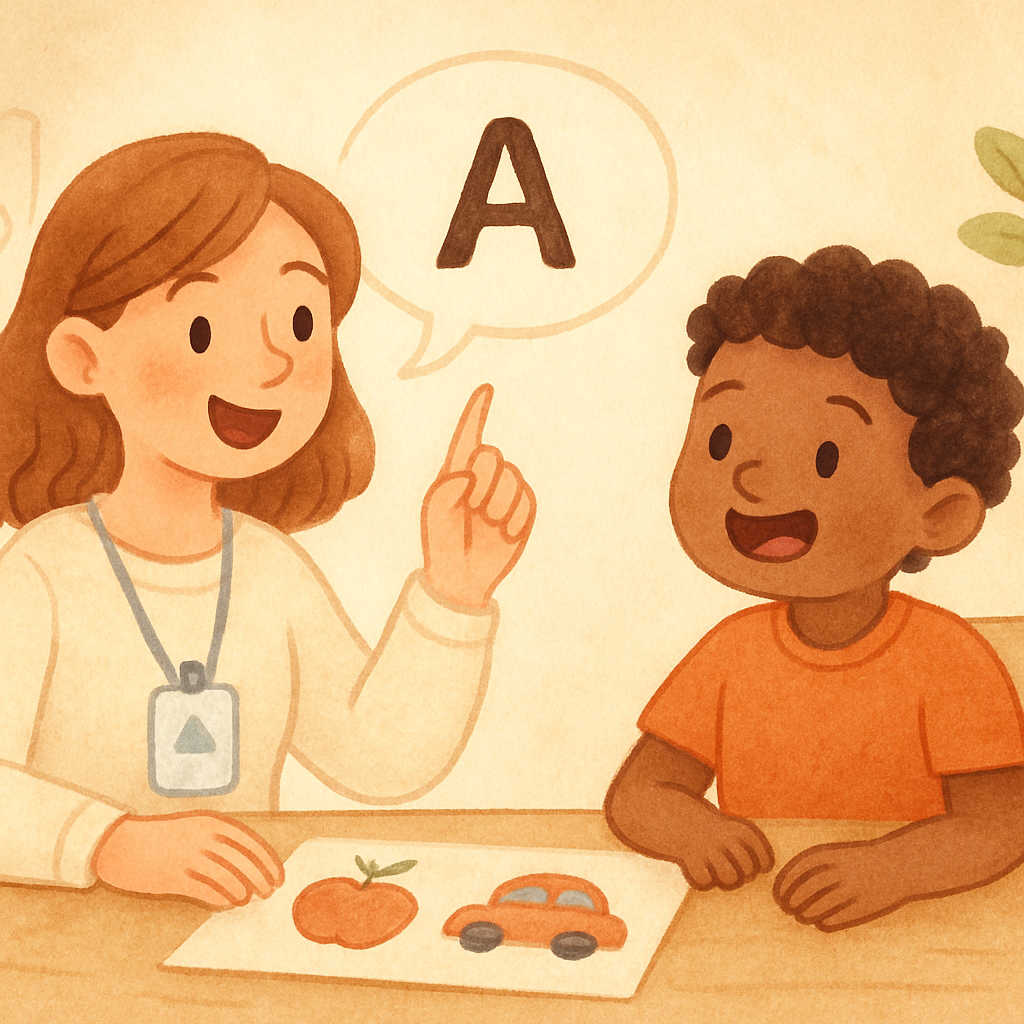
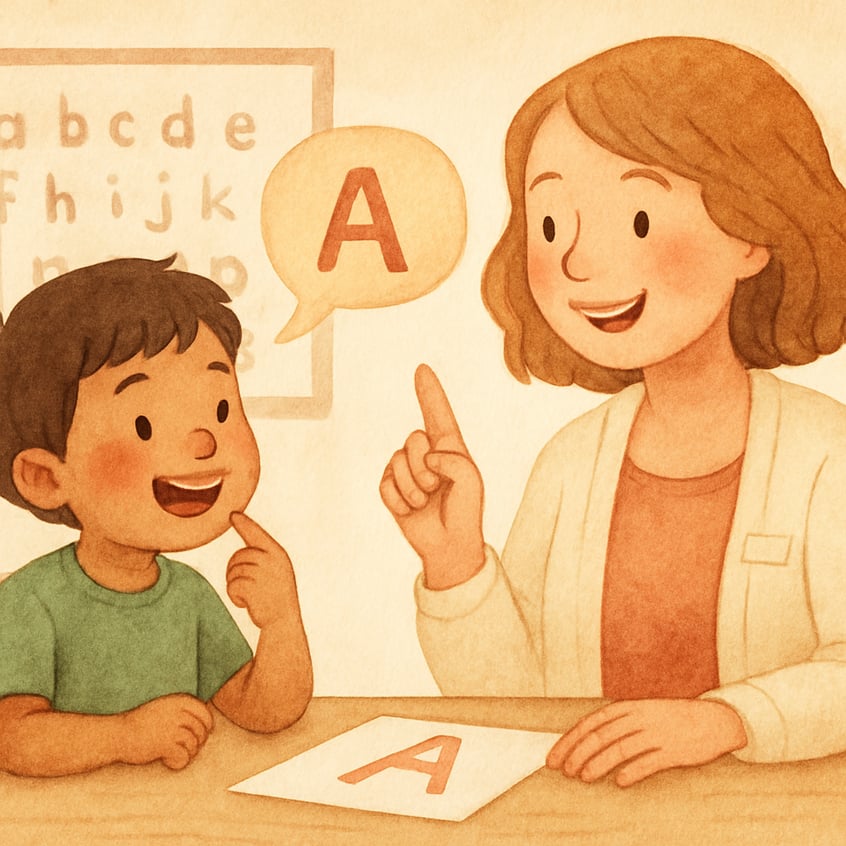
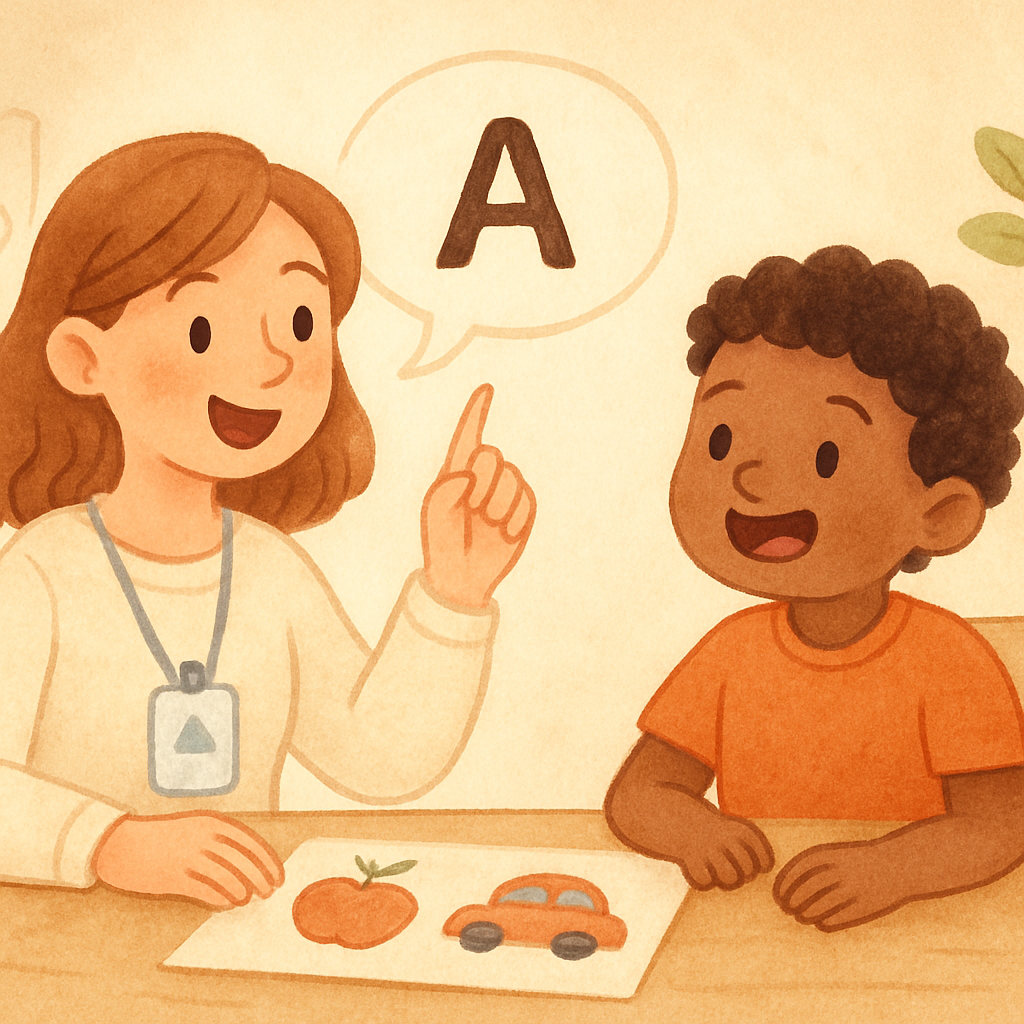
Speech pathologists use play, books, pictures, and objects to stimulate language. Through age-appropriate activities, they model correct sounds and syllables, teaching children how to form words and build essential communication skills in a supportive environment.
Parental involvement is crucial. Therapists often provide strategies and homework for both child and parent, helping you support your child’s progress at home and reach developmental milestones.
Adult Speech Therapy: Addressing Needs in Canterbury
Speech therapy for adults is important and effective. It starts with a thorough assessment to identify your communication needs and create a treatment plan. Exercises target speech, language, and cognitive challenges.
Adults often need therapy after injury or due to medical conditions like Parkinson's, oral cancer, or stroke. Therapy can retrain swallowing, treat voice disorders, and address issues from neurological conditions.
Exercises may include problem-solving for cognitive skills, strategies for better conversations, or movements to strengthen oral muscles. These targeted services help adults regain essential skills and improve daily life.
Common Conditions Helped by Speech Pathology
Speech pathology addresses a wide range of communication challenges, from developmental delays and brain injuries to chronic health conditions. Speech therapists help with issues such as traumatic brain injury and cleft palate, offering support for word formation, understanding, and expression.
Conditions like Parkinson’s disease can cause slurred speech, while strokes may lead to aphasia—affecting speaking, comprehension, reading, and writing. Cerebral palsy often also requires speech therapy.
Below are common conditions treated by speech therapists:
|
Condition Type |
Description |
|---|---|
|
Articulation Disorders |
Difficulty forming certain sounds; may swap or distort them. |
|
Fluency Disorders |
Affects flow and speed of speech (e.g., stuttering, cluttering). |
|
Resonance Disorders |
Blocked airflow affects voice quality; often linked to cleft palate. |
|
Receptive Disorders |
Trouble understanding or processing what others say. |
|
Expressive Disorders |
Difficulty conveying information or forming sentences accurately. |
Recognizing Signs for Speech Therapy Intervention
Knowing when to seek help is the first step toward improvement. Early intervention is a critical factor for successful outcomes in both children and adults with speech disorders or communication problems. Identifying issues early allows therapy to begin before challenges significantly impact social or academic development.
For adults recovering from an injury or illness, starting therapy as soon as possible can dramatically improve recovery. Don't hesitate to speak with a professional if you notice signs of a problem. The next sections will explore specific indicators to watch for in children and adults.
Indicators of Social Communication Challenges in Children
Some communication issues are tied to a child’s social skills. For autistic children or those with language disorders, therapy is often key to learning how to interact. Speech therapists teach kids to understand and use social cues.
These challenges can appear in different ways as a child grows. Therapists use games and storytelling to make learning feel natural. Parents can also benefit from professional advice on encouraging language and social interaction at home.
Signs of social communication problems include:
-
Difficulty understanding others (7 months–2 years)
-
Says few words and rarely interacts (12–18 months)
-
Doesn’t combine words into sentences (1.5–3 years)
-
Struggles with early reading and writing (2.5–3 years)
Identifying Adult Speech Disorders in Liverpool and Canterbury
Most adults notice when something is wrong with their speech, such as hoarseness or trouble finding words. These issues often follow medical events like strokes, concussions, or brain injuries. A professional evaluation can identify the cause and guide treatment. For instance, in Australia, Speech Pathology Australia connects people with certified therapists.
Common signs of speech and language disorders in adults include speaking in short phrases, slurred words, difficulty imitating sounds, or frequent coughing during meals. If you notice these symptoms, seek professional help.
Early Warning Signs Parents Should Note
If you’re concerned about your child’s speech, don’t just “wait and see”—early intervention is key. If your child isn’t reaching language milestones, get an evaluation from a speech therapist for guidance and peace of mind.
Even if therapy isn't needed yet, a consultation can offer helpful strategies to support your child. Early action on speech issues can prevent future challenges.
Watch for these warning signs:
-
No babbling by 4-7 months
-
Only a few words at 12-18 months
-
Speech not understood by familiar people (18 months-2 years)
-
Difficulty saying sounds or words (stuttering)
Methods and Approaches in Speech Therapy
Once you begin speech therapy, what can you expect? A speech pathologist uses many different methods, but the goal is always to provide effective treatment tailored to you. Sessions are carefully planned to be "just right"—challenging enough to promote growth but not so difficult that they cause frustration.
Common approaches include articulation therapy, which focuses on producing sounds correctly, and language intervention activities, which build vocabulary and sentence structure. The following sections will explore some of these evidence-based strategies and typical session activities in more detail.
Evidence-Based Strategies for Speech Improvement
A speech therapist uses evidence-based methods tailored to the specific speech disorder. For articulation disorders, the therapist models correct sounds and syllables. Fluency disorders like stuttering are addressed with exercises to improve rhythm, speed, and flow. Resonance disorders are treated with breathing techniques to regulate airflow. If weak oral muscles are the issue, targeted exercises strengthen the tongue, lips, and throat. Each approach is selected for its effectiveness with the specific disorder.
Tailored Interventions for Social Communication Disorders
Social communication disorders require a personalized approach, as they impact how you interact with others. Speech therapists focus on building practical social skills tailored to each person’s needs—often beyond just language.
For children, therapists guide parents in encouraging social cues during daily routines. For adults, therapy may involve practicing conversations to improve real-world interactions. This builds confidence and reduces isolation.
The goal is to make social situations less stressful. Whether ordering food or joining family dinners, therapy provides tools to help you connect more easily.
Typical Activities and Goals in a Speech Therapy Session
A typical speech therapy session is goal-oriented but features varied, engaging activities to improve daily communication skills.
For children, sessions are often play-based, using games, picture cards, and books. For adults, therapy may focus on memory and problem-solving tasks.
Common activities include:
-
Talking and playing to build language skills
-
Practicing memory, problem-solving, and organization
-
Using conversation strategies for social communication
-
Doing exercises to strengthen speech and swallowing muscles
Conclusion
In conclusion, the various methods in speech therapy play a crucial role in improving communication for children and adults. Recognizing who may benefit and spotting signs of need empowers individuals to seek help. Evidence-based, personalized strategies not only enhance speech but also build confidence and social skills. If you or someone you know faces communication challenges, consult a speech therapist to explore effective, customized treatment options.
Book a consultation or call daar at 02 9133 2500 to take the first step toward clearer communication today.
Frequently Asked Questions
Is speech therapy effective for both children and adults in Liverpool and Canterbury?
Yes, speech therapy is highly effective for both young children and adults. Speech pathology services are tailored to the specific needs of each age group, whether it's addressing developmental delays or helping adults recover communication skills. Success depends on factors like early intervention and consistent practice.
How long does speech therapy typically take to show results?
The timeline for effective treatment varies for each person. It depends on age, the severity of the disorder, and the underlying medical condition, such as a brain injury. Some may see improvement within their first year, while others require long-term therapy to manage their challenges in daily life.
What distinguishes speech therapy from language therapy?
Speech therapy and language therapy both treat communication disorders but have different focuses. Speech therapy, including articulation therapy, often targets the physical production of sounds. Language therapy addresses understanding language (like a receptive language disorder) and using words to express thoughts and ideas effectively.
.svg)




.svg)