
.png?width=48&height=48&name=Group%201%20(3).png)























6 April, 2026

Understanding the Effects of Sugar on Child Development

Key Highlights
- Excessive sugar intake can lead to various health problems for your child, including weight gain and a higher risk of chronic diseases.
- Understanding the effects of sugar is crucial for protecting your child’s health in the long run.
- The American Heart Association recommends no added sugar for children under two and less than 25 grams daily for those aged 2 to 18.
- While many parents believe sugar causes hyperactivity, there isn't strong scientific proof, but it can still affect mood and energy.
- Reading food labels is a key first step to managing the sugar in your child's diet.
- Too much sugar can have a significant impact on both physical and mental well-being.
Introduction
It is a joy to see a child’s face light up at the taste of a sweet treat or sugary treats. But have you ever wondered how much is too much sugar? Balancing treats in your child’s diet is a common concern for many parents. Understanding the impact of sugar intake on child development is vital for raising healthy kids. This guide will explore the effects of sugar on children's health, from their physical growth to their mental well-being, and provide practical tips for making informed choices for their diet.
Physical Effects of Added Sugar on Kids’ Health
High sugar intake in children can cause immediate and long-term health issues. Consuming sugary foods and drinks often leads to unhealthy weight gain and reduces their intake of essential nutrients. These empty calories can increase the risk of type 2 diabetes and other chronic diseases, harm growth, affect dental health, and weaken the immune system.
Impact on Growth, Weight, and Chronic Disease Risks
Excess sugar leads to unhealthy weight gain, especially in children and teens, increasing their risk of obesity. Carrying extra weight strains a young body and can cause serious health issues.
Weight gain from too much sugar also raises the risk of insulin resistance and type 2 diabetes and can contribute to liver disease. High sugar intake can lead to high blood pressure and cholesterol—even in youth—both major factors for heart disease later in life. In fact, high blood pressure at age 18 strongly predicts future heart problems.
Building healthy eating habits early at the University of Southern California is essential. Limiting your child’s sugar intake helps prevent chronic diseases and supports long-term health. A balanced diet stabilizes blood sugar and encourages healthy growth without added risks.
Influence on Dental Health and Immune Function
Sugar's link to dental health is well-known. Excess sugar is a leading cause of tooth decay in children, as it interacts with the brain’s reward system. When kids eat sweets, mouth bacteria feed on the sugar and produce acid that erodes enamel, leading to cavities—a common childhood health issue worldwide.
High sugar intake also crowds out nutritious foods needed for a strong immune system and can negatively impact cognitive function. Limiting sweet treats and sugary drinks—even “healthy” options like some fruit juices and snack bars—protects your child’s teeth and overall health. Mindful choices help ensure kids get the nutrients they need for strong teeth and immunity.
Mental and Behavioral Effects of Sugar Consumption in Children
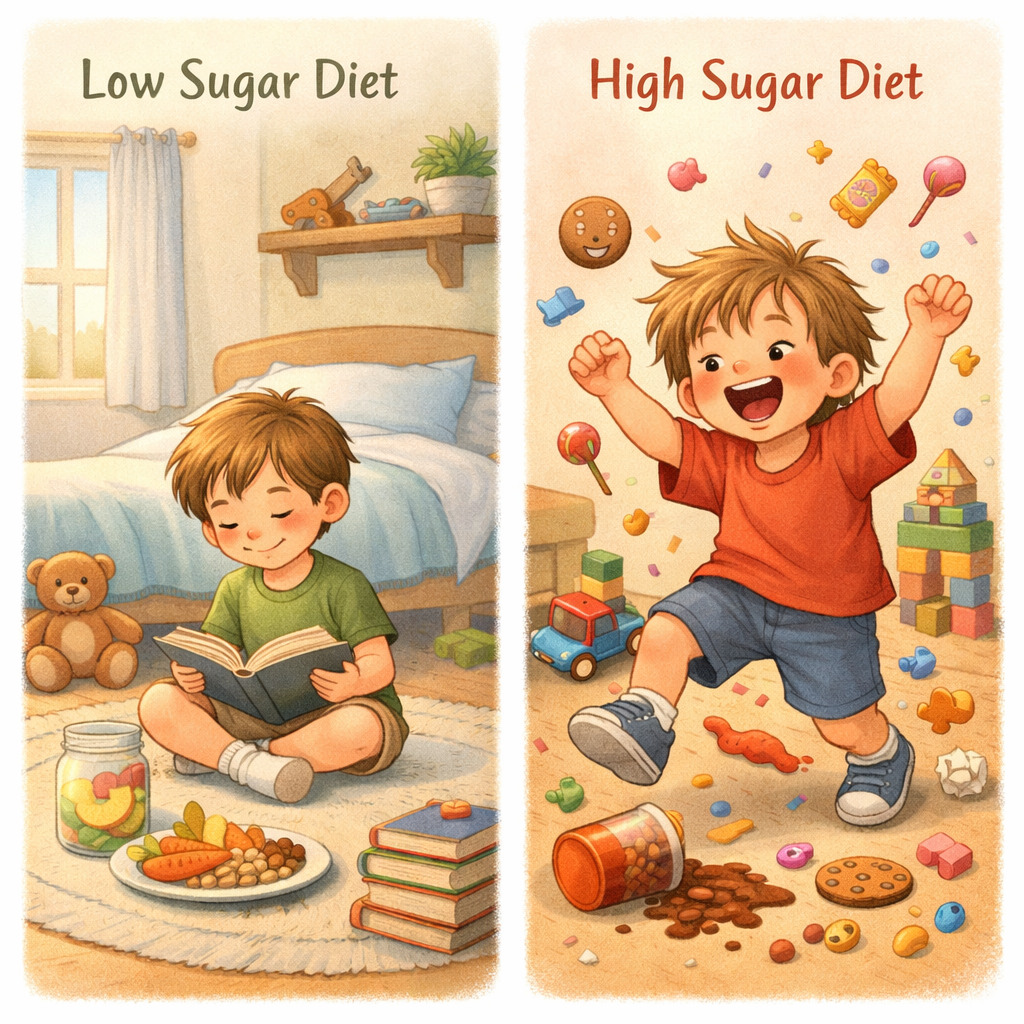
Many parents observe that their child's mood and behavior change after consuming sugar. While the link between sugar and brain hyperactivity is debated, research shows that high-sugar diets can impact brain function. Rapid blood sugar spikes and crashes may cause energy drops, irritability, and brain fog, affecting mood and focus.
These swings can make children less attentive and more irritable. Though no direct clinical link between sugar and ADHD exists, sugar’s health effects on mood and attention remain a concern. Next, we’ll explore how sugar influences a child’s mood, learning, and behavior in more detail.
Changes in Mood, Attention, Learning, and Behavior
A diet high in added sugar can affect a child's mood and energy, particularly in their developing brain. After a sugary snack, children may experience a quick energy boost followed by a crash, leaving them tired, irritable, and prone to mood swings. These shifts make it harder for them to regulate emotions.
Fluctuating blood sugar also impacts attention and learning. Kids may struggle to concentrate or feel mentally foggy when their blood sugar drops. While studies haven’t confirmed a link between high sugar consumption and hyperactivity, many parents notice behavioral changes after high sugar intake. Research is ongoing into sugar’s long-term effects on brain development.
Limiting added sugars helps keep your child’s energy and moods stable, supporting better focus, learning, and behavior throughout the day.
Healthy Ways to Reduce Added Sugar in Children’s Diets
Reducing your child's sugar intake doesn't have to be a battle. It's about making small, sustainable changes and promoting healthier choices. One of the best places to start is by swapping out sugary drinks like soft drinks and sports drinks for water. You can also look for healthy alternatives to common snacks that are often high in hidden sugars.
Creating a balanced diet built around whole foods is key. By understanding how to read labels and being mindful of how much sugar is in products, you can empower yourself to make better decisions for your family. The following sections offer practical strategies and nutritious snack ideas to help you manage your child's sugar intake effectively.
Practical Strategies for Parents
To manage your child's sugar intake, start by reading nutrition facts labels—especially the "Added Sugars" line. Remember, 4 grams of sugar equals one teaspoon.
Choose more whole foods like fruits, vegetables, and whole grains instead of processed snacks. Try these tips:
- Make homemade snacks to control sugar content.
- Limit sugar per treat and save sweets for special occasions.
- Offer water instead of sugary drinks like juice or soda.
- Pick unsweetened yogurt and add fruit for natural sweetness.
These habits will help reduce your child’s sugar consumption, improving their health now and lowering the risk of diseases like type 2 diabetes and heart disease later on.
Nutritious Alternatives to Sugary Snacks
Finding healthy alternatives to sugary snacks, like ice cream, is simpler than it seems. Keeping naturally sweet foods like fresh fruit on hand can satisfy cravings while providing vitamins and fiber.
Whole grains are also great for snacking. Swap processed snack bars for whole-grain crackers or toast. Unsweetened yogurt, nuts, and trail mix offer protein and healthy fats to keep your child energized.
Try these easy swaps:
|
Instead of This Sugary Snack |
Try This Nutritious Alternative |
|---|---|
|
Sugary Breakfast Cereal |
Oatmeal with fresh fruit |
|
Candy or cookies |
A handful of berries or an apple |
|
Fruit-flavored yogurt |
Plain yogurt with a little honey |
|
Soda or sports drinks |
Water or milk |
These simple changes give your child snacks that are both tasty and nutritious.
Conclusion
In summary, understanding sugar's impact on child development is key to fostering healthy habits. Added sugar contributes to obesity, dental issues, mood swings, and learning difficulties, including challenges in memory tasks. By offering nutritious alternatives and practical strategies, parents can help reduce sugar intake and support their children’s well-being. Small changes can make a big difference.
For personalized advice, contact our experts for a consultation or call daar at 02 9133 2500!
Frequently Asked Questions
What are the main effects of added sugar on kids’ health?
Added sugar contributes to several health problems affecting children’s health. It is a primary cause of unhealthy weight gain, which increases the risk for obesity, type 2 diabetes, and high blood pressure. Too much sugar in a child's diet also leads to tooth decay and can displace more nutritious foods.
Does sugar consumption cause hyperactivity in children?
While many parents report behavioral changes during occasions like birthday parties, scientific studies have not found strong evidence that sugar consumption directly causes hyperactivity. However, the rapid spikes and crashes in blood sugar levels can lead to irritability and energy slumps, which may be mistaken for hyperactivity or influence a child's overall disposition.
What are healthy alternatives to sugary snacks for kids?
Healthy alternatives to sugary snacks include options rich in natural sugars and nutrients, which often have a higher nutritional value. Offer fresh fruits, plain yogurt with berries, whole-grain crackers, or nuts. These snacks provide sustained energy without the empty calories found in processed treats, supporting your child's growth and well-being.
.svg)




.svg)