
.png?width=48&height=48&name=Group%201%20(3).png)























28 January, 2026

Apraxia of Speech: What You Need to Know for Support
Introduction
Have you ever wondered why a child might struggle to speak clearly, even when they know exactly what they want to say? Apraxia of speech is a neurological speech disorder that makes it difficult to say words correctly and consistently. It happens when the brain has trouble sending the right messages to the mouth muscles for speech. This isn't about weak muscles; it's about the planning and sequencing of movements. Understanding this condition is the first step in providing the right support for your child’s speech development.
Key Highlights
-
Apraxia of speech is a motor speech disorder that affects the brain's ability to plan and coordinate the muscle movements for speaking.
-
Childhood apraxia of speech (CAS) is a rare disorder present from birth, while acquired apraxia can occur at any age due to brain damage.
-
This speech disorder is not caused by muscle weakness but by a disruption in the signals from the brain to the mouth.
-
Key symptoms include inconsistent speech errors, groping for sounds, and incorrect rhythm or stress in words.
-
Speech therapy is the primary treatment for apraxia, focusing on improving motor planning for speech.
-
Early diagnosis and intervention are critical for helping children with apraxia improve their communication skills.
Causes and Risk Factors for Apraxia of Speech
The precise causes of apraxia of speech are often not fully understood, especially in children. For many with developmental apraxia, a specific reason cannot be found. However, it can be linked to a brain injury, stroke, or tumor.
In some cases, apraxia is associated with a genetic condition or a metabolic disorder. Brain damage affecting speech pathways is a clear cause for acquired apraxia in adults. Understanding the potential influences, from genetics to neurological events, can offer insight into this complex condition. We will explore these factors in more detail.
Genetic, Neurological, and Developmental Influences
Neurological disorders are a major cause of acquired apraxia. Stroke, brain injury, or tumors in adults can damage areas responsible for speech planning, disrupting muscle coordination and resulting in loss of clear speech.
Recent studies show that genetic factors play a role in about one-third of childhood cases. Mutations in genes like FOXP2, or larger chromosomal changes such as missing parts of chromosome 22q11.2, increase risk by affecting control over mouth muscles. Sometimes, apraxia is part of broader genetic syndromes like galactosemia.
Developmental apraxia differs from simple speech delay—children don’t outgrow it, and their speech development doesn’t follow typical patterns even at a slower rate. The core issue is the brain’s inability to form motor plans for speech, setting it apart from other developmental speech problems.
Associated Conditions and Speech Delay Connections
Children with developmental apraxia of speech often face additional challenges, such as speech delays and other communication disorders. They may have difficulty understanding language, limited vocabulary, or trouble using correct grammar and sentence structure.
Beyond speech, apraxia can affect motor skills, coordination, reading, spelling, and writing. These issues may be linked to learning disabilities or conditions like sensory processing difficulties and Developmental Coordination Disorder, requiring comprehensive care.
Apraxia differs from other speech disorders. Articulation disorders involve problems making specific sounds; dysarthria results from muscle weakness. In apraxia, the brain knows the words but struggles to plan the movements needed to speak them. This leads to inconsistent errors and "groping" for sounds—key signs that set apraxia apart.
Recognizing Signs and Symptoms at Different Ages
Recognizing childhood apraxia of speech is essential for early intervention. Signs vary by age and severity, but inconsistency is key—a child may pronounce a word correctly one time and not the next.
You may notice your child struggling to transition smoothly between sounds or words, or making inaccurate jaw or tongue movements ("groping") while speaking. Understanding what to watch for at different stages helps identify issues early. Below are specific signs in children and adults.
Key Symptoms in Young Children and Warning Signs for Parents
In early childhood, signs of apraxia may include less babbling between 7 and 12 months and delayed first words after 12 to 18 months. As vocabulary grows, children may use few consonant and vowel sounds, leave out sounds in words, or have speech that's hard to understand.
Key markers unique to apraxia are:
-
Distorted or altered sounds, especially vowels
-
Incorrect stress on syllables or words (e.g., "BUH-na-nuh" for "banana")
-
Difficulty imitating simple words
-
Saying the same word differently each time
-
Pauses between syllables or words
-
Groping for sounds with their mouth
If these symptoms appear between 18 months and two years, professionals may diagnose "suspected CAS." Early evaluation and speech therapy are important to support communication development.
Apraxia of Speech in Adults—What to Look For
Acquired apraxia of speech in adults results from brain injury, such as stroke or trauma, causing loss of previously normal speech ability. Unlike the developmental form in children, adults know what they want to say but cannot plan the movements needed for speech.
Key signs include effortful, trial-and-error speech, frequent self-correction, abnormal rhythm or stress, and a robotic tone. Longer words are especially difficult to pronounce.
A speech pathologist diagnoses apraxia by observing these traits. While both adult and childhood apraxia involve motor planning problems, adult cases stem from lost function; childhood cases result from failure to develop normal function.
Treatment Approaches and Therapy Options
The primary treatment for apraxia is speech therapy with a certified speech-language pathologist. Children with apraxia need targeted intervention and will not outgrow the condition without it. Adults with acquired apraxia may experience some spontaneous recovery, but therapy is usually needed.
Treatment aims to improve the brain’s motor planning for speech through frequent, intensive, and personalized sessions focused on practicing speech movements until they become automatic. The next sections will cover specific therapy techniques and the importance of early support.
Evidence-Based Therapy Techniques for Apraxia of Speech
Effective speech-language therapy is individualized. For apraxia, therapy targets motor planning—not muscle strength—since weakness isn’t the issue. Treatment involves intensive practice of sounds, syllables, and words to help the brain automate speech movements.
Evidence-based approaches for apraxia focus on improving planning, sequencing, and execution of speech:
|
Therapy Approach |
Description |
|---|---|
|
Articulatory-Kinematic |
Uses modeling and repetition to improve movement accuracy and timing. |
|
Rate/Rhythm Control |
Uses tools like a metronome to regulate speech timing and rhythm. |
|
PROMPT |
Employs touch cues on the face and neck to guide articulatory movements. |
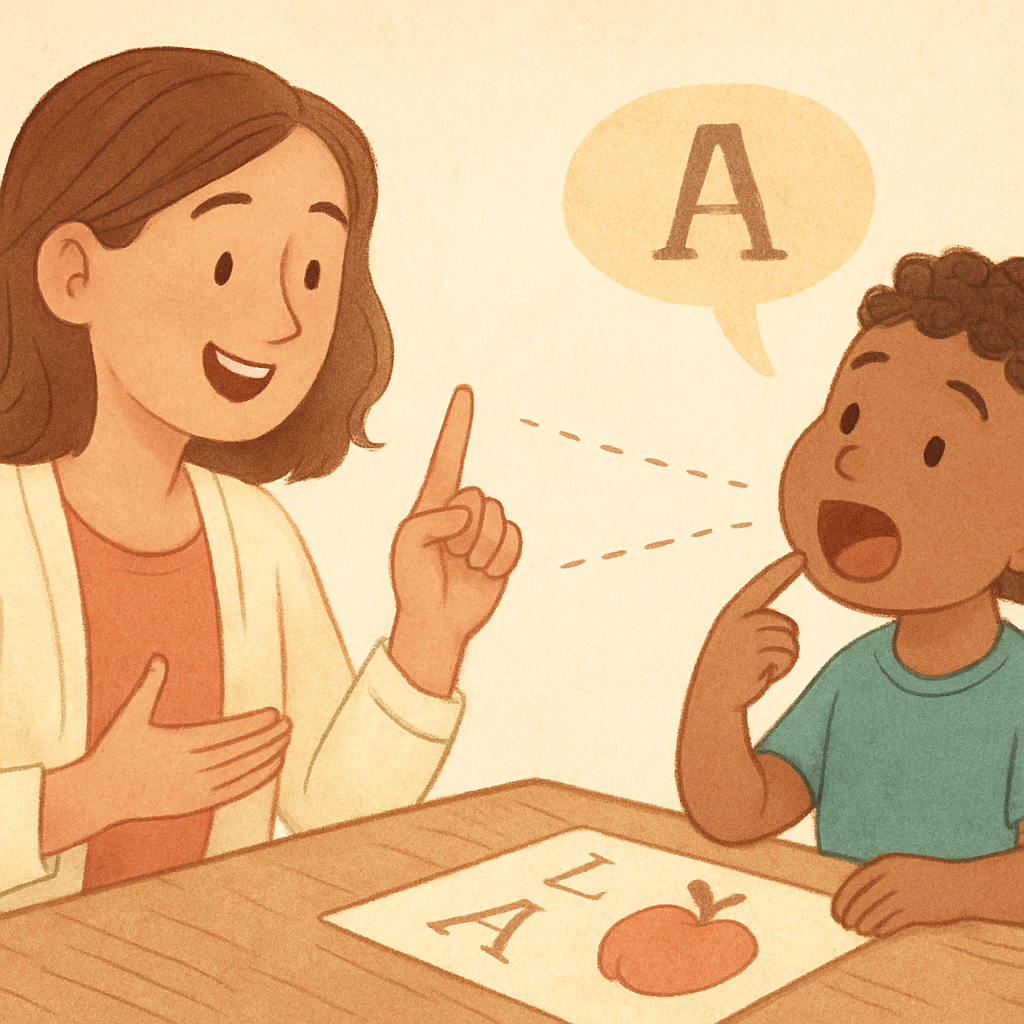
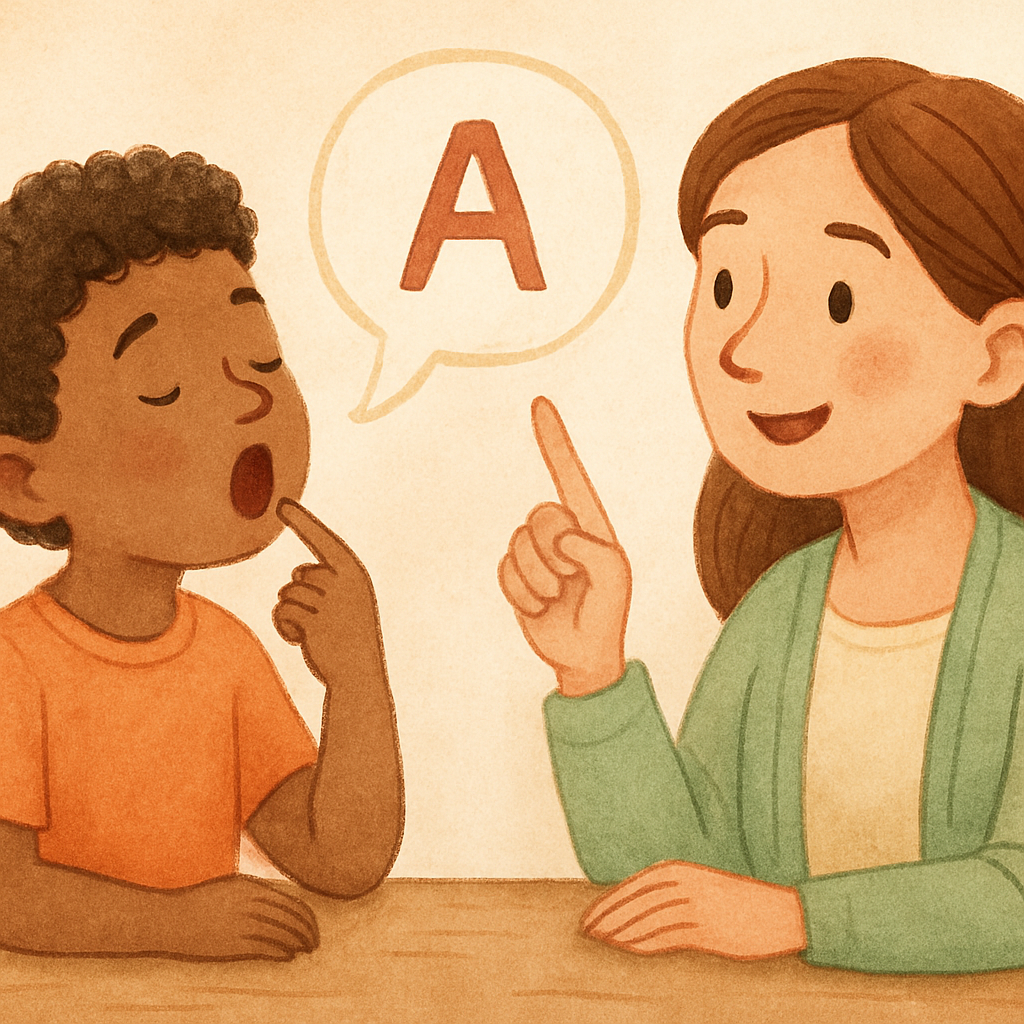
Therapy often uses multisensory cues—such as mirrors for visual feedback or touch cues—to reinforce correct speech patterns.
The Role of Early Intervention and Ongoing Support
Early intervention is crucial for young children with apraxia. Starting therapy promptly can reduce long-term risks and build a foundation for communication. Begin with a formal diagnosis from a speech-language pathologist, who will create a personalized treatment plan.
Family support is just as vital as therapy. Your child’s SLP may provide exercises to practice at home, and consistent reinforcement helps your child apply new skills in daily life. A patient, supportive environment—where your child can communicate without pressure—makes a significant difference.
For severe cases, alternative communication methods like sign language, picture boards, or speech-generating devices can help. These tools ease frustration and support language development without hindering speech progress.
Conclusion
In conclusion, understanding apraxia of speech is essential for providing the right support and intervention for those affected. By recognizing the signs and symptoms at various ages and exploring effective treatment options, we can foster an environment that promotes communication and confidence. Whether you are a parent, caregiver, or professional, staying informed about apraxia will empower you to help individuals express themselves more freely. If you have further questions or need personalized guidance, please feel free to reach out for assistance. Your support can make a world of difference!
Contact us for a consultation or call daar at 02 9133 2500 today!
Frequently Asked Questions
Can apraxia of speech be outgrown or is it lifelong?
Childhood apraxia of speech is considered a lifelong condition and is not something a child outgrows. However, with intensive and consistent work with a speech pathologist, a person's speech can improve significantly. In severe cases, some communication challenges may persist into adulthood, but therapy helps manage them effectively.
What therapy is most effective for apraxia of speech?
There is no single "most effective" therapy, as treatment for this motor speech disorder must be individualized. A speech language pathologist will recommend therapy approaches that focus on motor planning and repetition. Frequent and intensive speech therapy sessions are key to helping a person achieve more clear speech.
How can you tell if speech issues are caused by apraxia or another disorder?
A differential diagnosis from your child’s SLP is the only way to be sure. Professionals look for key signs that separate apraxia from other speech disorders, such as inconsistent errors in speech production and visible groping mouth movements. These markers are not typically seen in articulation or phonological disorders.
.svg)




.svg)