
.png?width=48&height=48&name=Group%201%20(3).png)
























9 April, 2026

Top Signs of Dairy Sensitivity in Toddlers to Watch For
Key Highlights
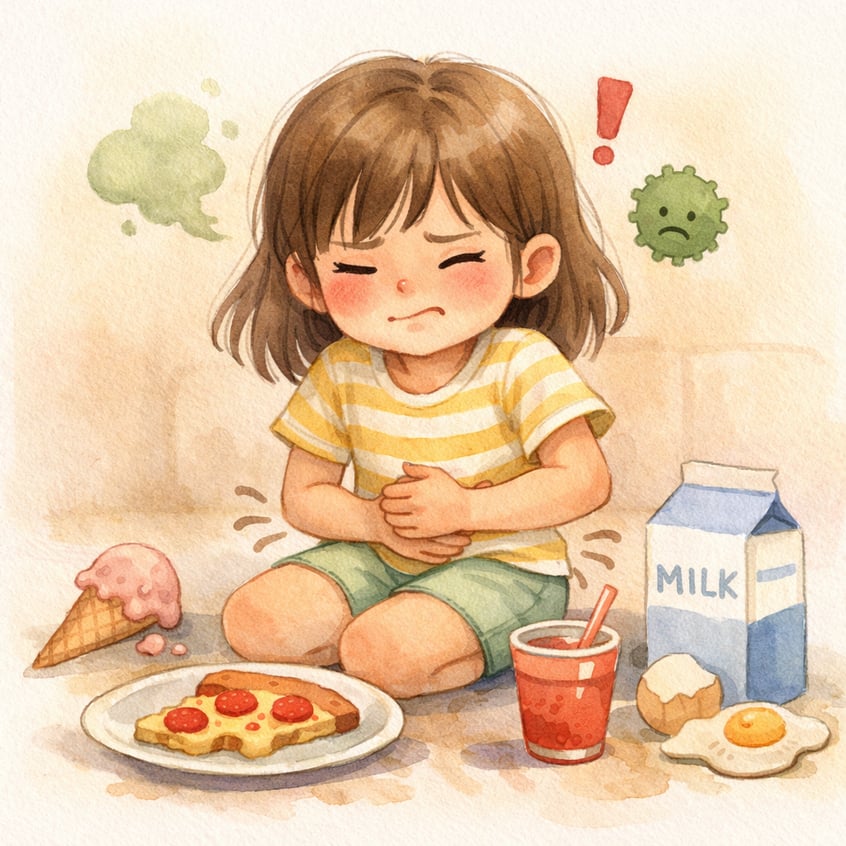
Dairy sensitivity in young children often stems from either a milk allergy or lactose intolerance, which is a matter of concern for many parents in New Zealand.
- Dairy sensitivity in young children often stems from either a milk allergy or lactose intolerance.
- A milk allergy is an immune system reaction to milk protein and is one of the most common food allergies in children.
- Lactose intolerance is a digestive issue where the body struggles to break down the sugar in milk.
- Common symptoms of lactose intolerance include bloating, gas, stomach pain, and diarrhea after consuming dairy products.
- Skin reactions like hives or eczema, and respiratory issues can also be signs of a dairy allergy.
- It's vital to consult a doctor before removing dairy from your child's diet to ensure they get enough calcium.
Introduction
Does your toddler seem uncomfortable after having milk, cheese, or ice cream? You're not alone in wondering if dairy products are the cause. For many young children, reactions to dairy can be due to two different conditions: a milk allergy, which is an immune system response, or lactose intolerance, which is a digestive problem. To better understand these issues, consulting a registered dietitian could be beneficial. Distinguishing between these food allergies and intolerances is the first step toward finding the right solution. This guide will walk you through the common signs and help you understand when it's time to speak with a healthcare professional.
Most Common Signs of Dairy Sensitivity
When your toddler reacts to dairy foods, it can be tricky to figure out the cause. Both milk allergies and lactose intolerance can lead to an upset digestive system, but they are not the same. A milk allergy involves an immune system reaction, while lactose intolerance is strictly a digestive issue involving a deficiency of the enzyme lactase. The symptoms of lactose intolerance often depend on the amount of dairy consumed.
Observing your child’s specific reactions is key to understanding whether their body is having an immune system reaction or whether carers need to be aware of any struggles to digest dairy. Let's look at the specific digestive and skin-related symptoms you should watch for.
Digestive Symptoms to Look For
Digestive issues are the most common signs of dairy sensitivity. In lactose intolerance, your child's small intestine doesn’t make enough lactase to digest lactose, the sugar in milk. This causes an upset stomach and other symptoms soon after eating dairy.
Symptoms depend on how much lactose is consumed and may include:
- Stomach pain or cramping
- Bloating and gas
- Nausea
- Watery or frothy diarrhea
These symptoms signal a digestive issue, not a milk allergy, which involves the immune system. A doctor can diagnose lactose intolerance—sometimes with a hydrogen breath test—so seek medical advice before changing your child’s diet.
Skin Reactions Linked to Dairy
Beyond digestive troubles, skin reactions can also signal a dairy issue, particularly a milk allergy, as noted by ASCIA. When the immune system reacts to milk proteins like casein or whey, it can trigger an allergic reaction that shows up on the skin. These reactions can happen quickly or be delayed.
Common skin reactions include hives, which are red, itchy welts, or a worsening of existing eczema. Unlike intolerance, these skin issues are a clear sign that the immune system is involved. If you notice a rash after your toddler consumes products with milk solids or changes in their poo, it's a good idea to track the symptoms.
Here’s a look at how skin and digestive symptoms can differ between an allergy and intolerance:
|
Symptom Type |
Milk Allergy (Immune System) |
Lactose Intolerance (Digestive System) |
|---|---|---|
|
Skin |
Hives, rash, eczema, swelling |
Nappy rash (due to diarrhea) |
|
Digestive |
Vomiting, diarrhea, stomach pain |
Bloating, gas, diarrhea, nausea |
Behavioural and Respiratory Signs in Sensitive Toddlers
Sometimes, the signs of a reaction to cow’s milk aren't just in the tummy or on the skin. You might notice changes in your toddler's behaviour, breathing, or even the stool. These symptoms can be linked to the immune system's response to dairy proteins and are important to discuss with a doctor or dietitian.
Understanding these less obvious signs can provide a more complete picture of your child's health. We will now explore how dairy sensitivity can affect your toddler's mood and breathing.
Mood and Behaviour Changes
Noticing your toddler is unusually fussy or irritable due to something like gluten? While mood swings are normal, persistent irritability may be linked to their diet. Digestive discomfort or immune reactions to dairy can make children feel unwell and affect behaviour.
Diet-related mood changes are often overlooked. Unexplained fussiness or sleep disturbances might be signs of a problem—especially in older kids who consume more dairy, though it’s possible at any age.
If you suspect a connection, keep a food and symptom journal. Tracking what your child eats and how their mood changes can help your doctor identify potential food sensitivities.
Respiratory Issues Related to Dairy Sensitivity
Respiratory issues can be a frightening sign of a milk allergy. This is another way the immune system can react to dairy proteins. While a runny nose can have many causes, recurring respiratory problems after consuming an amount of lactose warrant a closer look.
Some of the breathing-related symptoms associated with a milk allergy include:
- Persistent cough or wheezing
- Congestion or a runny nose
- Difficulty breathing
In rare cases, a severe allergic reaction known as anaphylaxis can occur, causing the throat to swell and making it hard to breathe. This is a medical emergency requiring immediate healthcare attention. If your child ever has trouble breathing, becomes pale, or seems floppy, call for an ambulance right away.
Conclusion
In summary, recognizing the signs of dairy sensitivity in toddlers is crucial for ensuring their comfort and well-being. From digestive issues to skin reactions and even behavioural changes, being vigilant can help you address any concerns swiftly. If you suspect your child is experiencing dairy sensitivity, consider consulting with a paediatrician or the Australasian Society of Clinical Immunology for guidance and support. Understanding this condition not only aids in improving your toddler's quality of life but also empowers you as a parent to make informed dietary choices. Together, we can create a healthier environment for our little ones, promoting their overall happiness and health.
If you have more questions or need personalized advice, feel free to reach out for consultation or call daar at 02 9133 2500 for assistance!
Frequently Asked Questions
What should I do if I suspect my toddler is dairy sensitive?
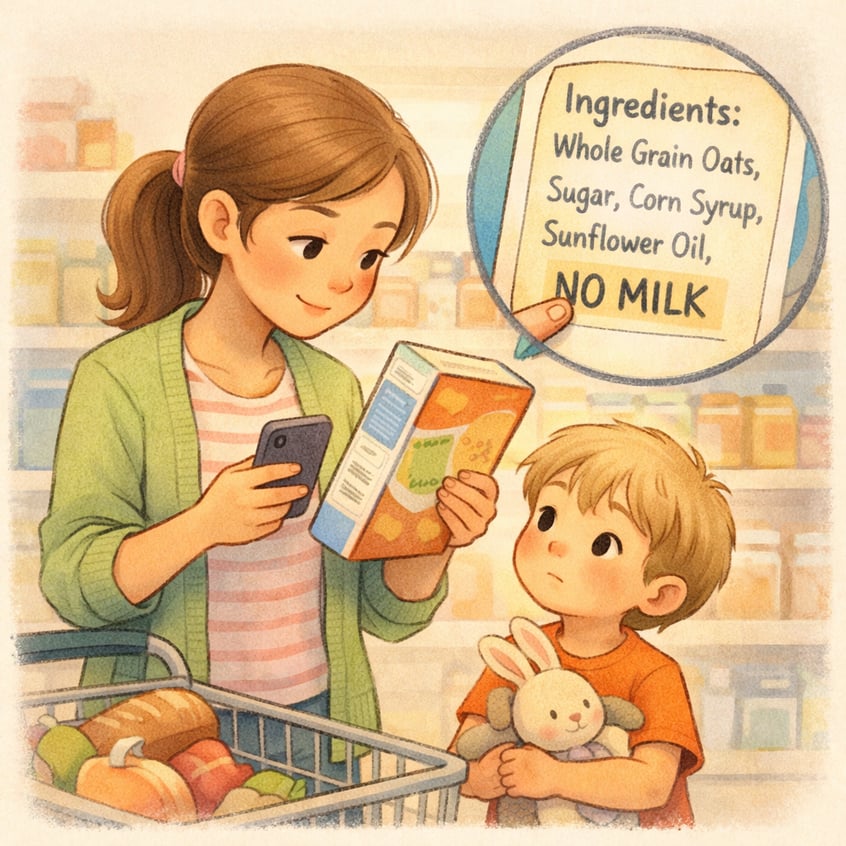
If you notice symptoms of lactose intolerance or an allergic reaction, schedule an appointment with a healthcare professional. Avoid removing dairy from your child's diet on your own. A doctor or dietitian can properly diagnose the issue, teach you about food labels, and create a safe and nutritious plan for your child.
Can dairy sensitivity cause sleep disturbances or irritability?
Yes, the discomfort from a dairy sensitivity can affect a child’s behaviour during the first year of life, leading to irritability and sleep disturbances. The pain from an immune system reaction or digestive issues can make it hard for them to rest comfortably. Discussing these changes with a doctor or dietitian can help identify the cause.
What are dairy-free diet options for kids with dairy sensitivity?
For toddlers over one, there are many dairy-free substitutes available. Fortified soy milk is a popular choice. Other options include milks made from oats or rice, and coconut products. It's important to choose nutrition-focused substitutes enriched with enough calcium and vitamin D to support your child's growth.
.svg)




.svg)