
.png?width=48&height=48&name=Group%201%20(3).png)























8 April, 2026

Identifying Signs of Dairy Sensitivity in Toddlers
Key Highlights
- Dairy sensitivity in young children can be caused by a milk allergy or lactose intolerance.
- Common symptoms include digestive issues like diarrhea and bloating, and skin reactions like hives or eczema.
- A milk allergy is an immune system reaction to milk protein, while lactose intolerance is a digestive problem.
- Less obvious signs might include respiratory issues, frequent colds, and behavioural changes.
- It's important to consult a doctor before removing dairy products from your child's diet.
- A healthcare provider can diagnose the issue and rule out other conditions.
Introduction
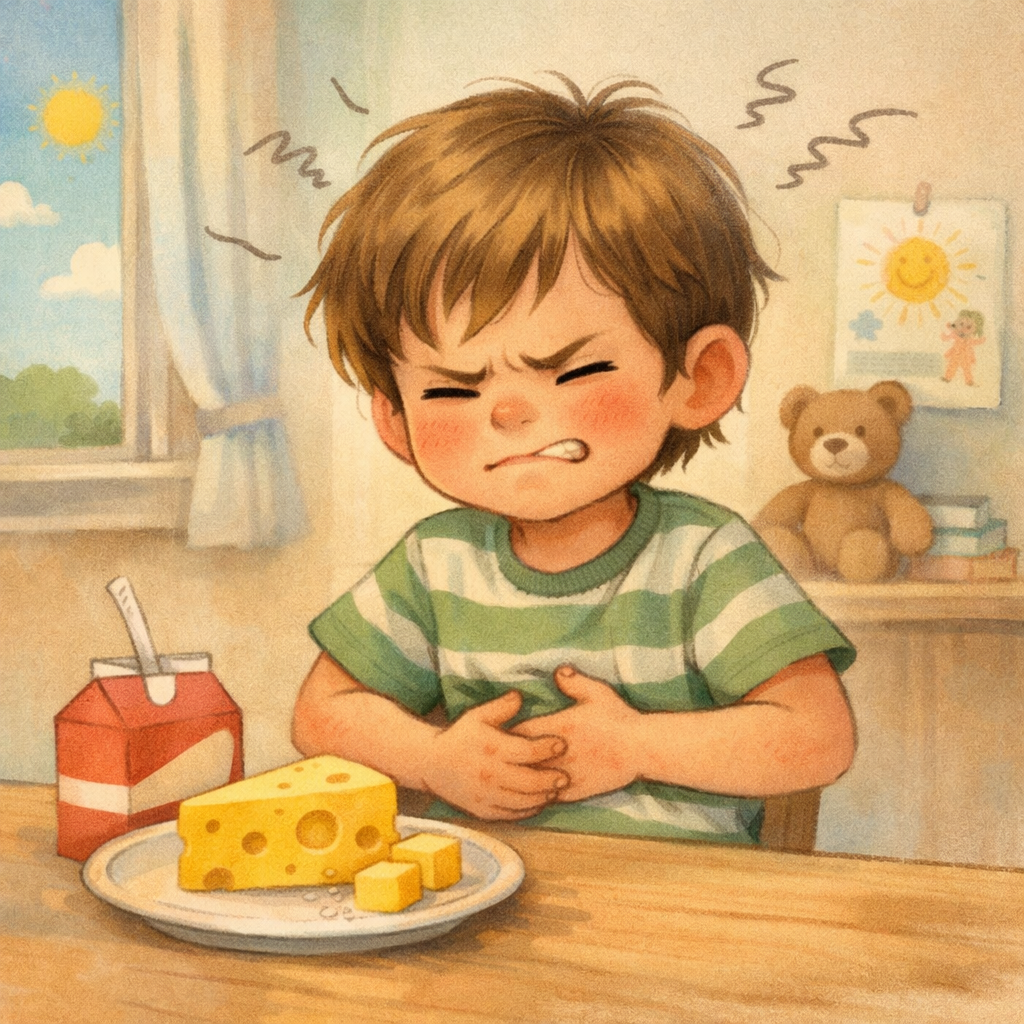
Does your toddler seem uncomfortable or unwell after having milk, cheese, or other dairy products? You're not alone. Many parents notice reactions in their young children after they consume milk solids and dairy products. These reactions can stem from two different conditions: a milk allergy, which involves the immune system, or lactose intolerance, which is a digestive issue. Understanding the difference is the first step toward managing your child's symptoms and ensuring they get the proper nutrition. This guide will help you spot the signs and know when to get professional advice.
Common Signs and Symptoms of Dairy Sensitivity
If your toddler reacts to dairy, it can be hard to tell if it's a milk allergy or lactose intolerance. A milk allergy is an immune response to milk proteins, such as casein, and can affect different parts of the body. Lactose intolerance, however, is a digestive issue caused by not having enough lactase to break down milk sugar.
Both conditions may cause stomach upset, but their causes and symptoms differ. Watching for specific signs, including signs of temporary lactose intolerance, can help you determine if it’s an allergy or intolerance. Here’s how to tell them apart.
Digestive Issues: Diarrhoea, Bloating, and Gas
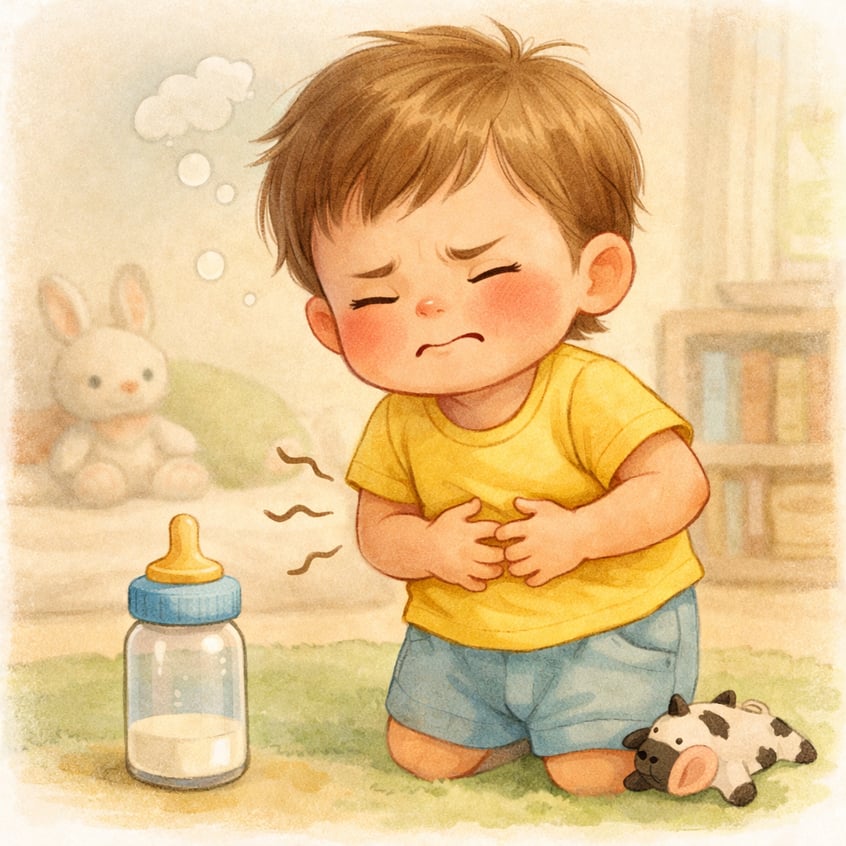
A common sign of dairy sensitivity is an upset stomach. If your toddler is lactose intolerant, their digestive system can't break down lactose—the sugar in milk products—so it passes to the small intestine and large intestine, where bacteria ferment it and cause discomfort.
Symptoms usually appear soon after eating dairy foods. Watch for complaints of tummy aches or increased gas, which indicate trouble digesting dairy foods.
Key symptoms include:
- Loose stools or diarrhea
- Bloating and cramps
- Excessive gas
- Nausea
If these symptoms occur regularly after dairy, consult a doctor. They may suggest tests like a hydrogen breath test to confirm the cause and rule out other issues. Remember, lactose intolerance affects digestion, while a milk allergy involves the immune system.
Skin Reactions: Rashes, Eczema, and Hives
Dairy sensitivity can cause skin problems in children. An allergic reaction to milk protein may trigger immune responses that show up as rashes or flare-ups after consuming dairy products.
Skin reactions may appear within minutes or hours and are often itchy and uncomfortable. While rashes have many causes, it’s important to consider a possible link to dairy.
Common skin reactions from milk allergy include:
- Hives (red, itchy welts)
- Increased eczema
- Swelling of lips, face, or eyes
If your toddler shows these symptoms, especially with other issues, consult a healthcare professional. They can confirm if milk allergy is the cause and advise on management.
Less Obvious Symptoms Linked to Dairy Sensitivity
Beyond the more common digestive and skin issues, dairy sensitivity can cause symptoms you might not immediately connect to food. These less obvious signs can include respiratory issues and even behavioural changes. A milk allergy can trigger an immune system reaction that affects breathing, while the discomfort from lactose intolerance, often related to the lack of the enzyme lactase, can make a child irritable or fussy.
In rare cases, a severe allergic reaction can cause signs of an allergic reaction and anaphylaxis, which requires immediate medical attention. Understanding these subtle symptoms is key to getting a full picture of your child's health. Now, let's explore these less obvious signs in more detail.
Respiratory Issues and Frequent Colds
Could your toddler’s stuffy nose or frequent colds be linked to dairy and a lack of vitamin D? Sometimes, an immune response to dairy can cause respiratory symptoms similar to a common cold, making it hard to identify without professional advice.
Symptoms can range from mild to severe. Anaphylaxis—a severe reaction—can cause breathing difficulties and, in some cases, soy formula may be necessary. It requires immediate medical attention. If your child has wheezing or throat swelling, call an ambulance right away.
Possible respiratory symptoms of milk allergy include:
|
Symptom |
Description |
|---|---|
|
Wheezing |
A high-pitched whistling sound while breathing |
|
Difficulty Breathing |
Shortness of breath or trouble getting enough air |
|
Frequent Colds |
Recurring cold-like symptoms, such as runny nose |
|
Throat/Tongue Swelling |
Can block the airway; very serious |
If these symptoms appear after your child consumes dairy, talk to your doctor about allergy testing.
Behavioural Changes Associated With Dairy Sensitivity
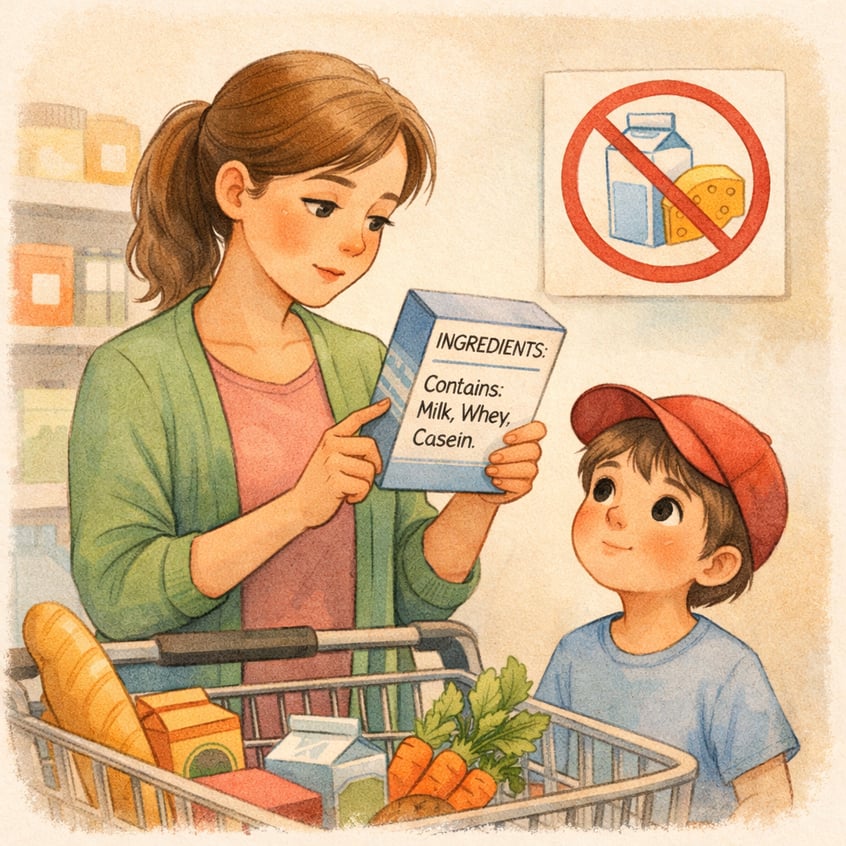
Dairy sensitivity can affect your toddler’s mood and behaviour, especially if they consume ice cream. Symptoms like stomach pain, bloating, or nausea may appear as irritability, fussiness, increased crying, or poor sleep—especially if your child can’t explain their discomfort.
Parents may not immediately connect these behaviours to diet. If your toddler seems unsettled after consuming dairy, consider it a possible cause.
Tracking behavioural changes along with physical symptoms can help your doctor identify the issue. Managing your child’s diet may improve their mood and overall well-being.
Conclusion
In conclusion, recognizing dairy sensitivity in toddlers and older children is vital for their health and well-being. Symptoms like digestive issues, skin reactions, or behavioural changes can affect their quality of life. Stay alert to these signs and consult a paediatrician if you suspect sensitivity—they can recommend dietary adjustments and alternatives. Caring for your child is a journey; seek support when needed.
For more questions or personalized advice, schedule a consultation or call daar at 02 9133 2500 to find the best options for your child.
Frequently Asked Questions
Can skin changes alone mean my toddler has dairy sensitivity?
While it's possible, skin reactions like eczema or hives are often accompanied by other symptoms when related to dairy sensitivity. If you notice skin changes or unusual changes in your child's poo after they consume milk products, it’s best to consult a doctor. They can determine if it's a food allergy and rule out other potential causes.
Are there dairy-free diet options in Australia for kids?
Yes, there are many dairy-free options available in Australia. For toddlers over one, calcium-fortified soy milk, oat milk, or rice milk can be good alternatives to cow's milk. You can also find dairy-free yogurt, cheese, and other products made from ingredients like soy or coconut, as well as whey protein options, to ensure your child gets enough calcium.
What should I do if symptoms improve on a dairy-free for kids diet?
If your child’s symptoms get better on an elimination diet, it's a strong indicator of a sensitivity. The next step is to consult a healthcare professional, like a registered dietitian, who can help you read food labels. They may recommend a supervised food challenge to confirm the diagnosis and will provide guidance on managing your child’s diet long-term.
.svg)




.svg)