
.png?width=48&height=48&name=Group%201%20(3).png)























6 April, 2026

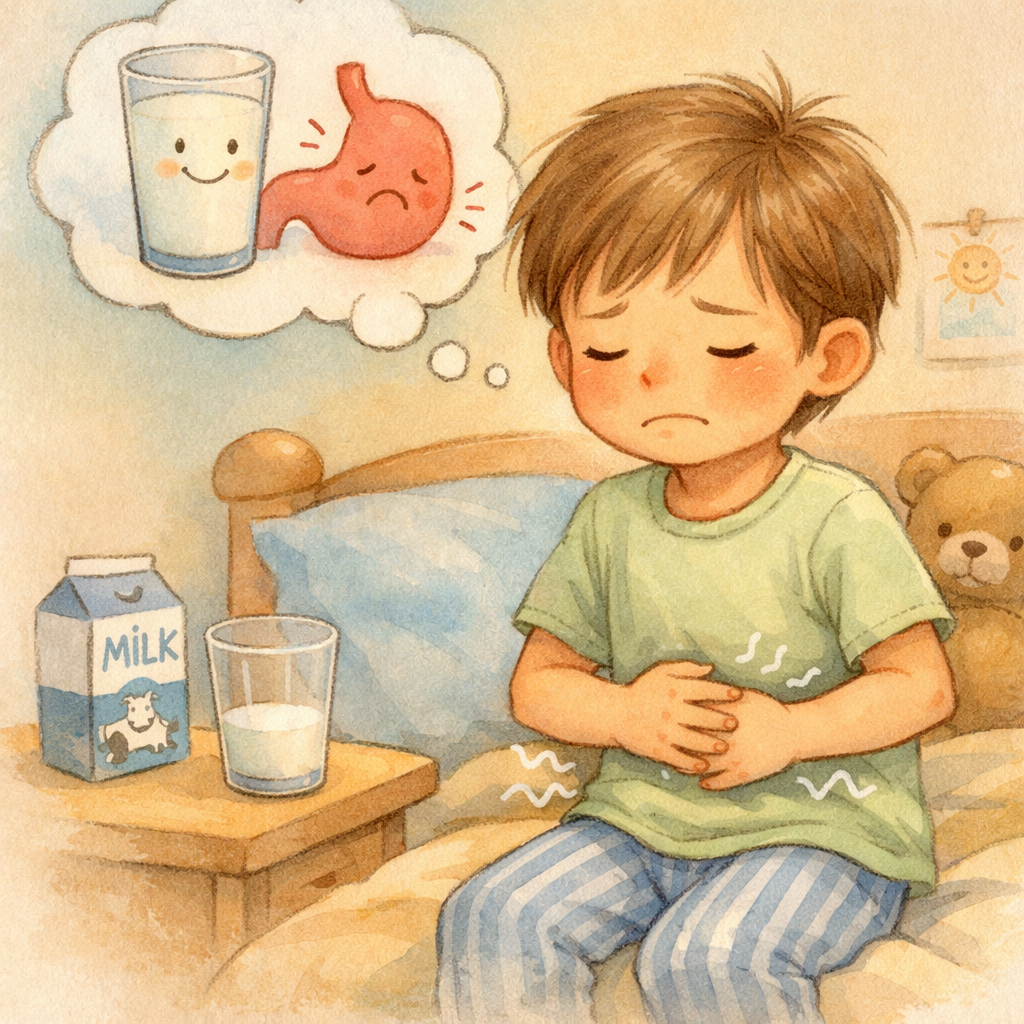
Dairy Intolerance Children: Essential Insights to Know
Key Highlights
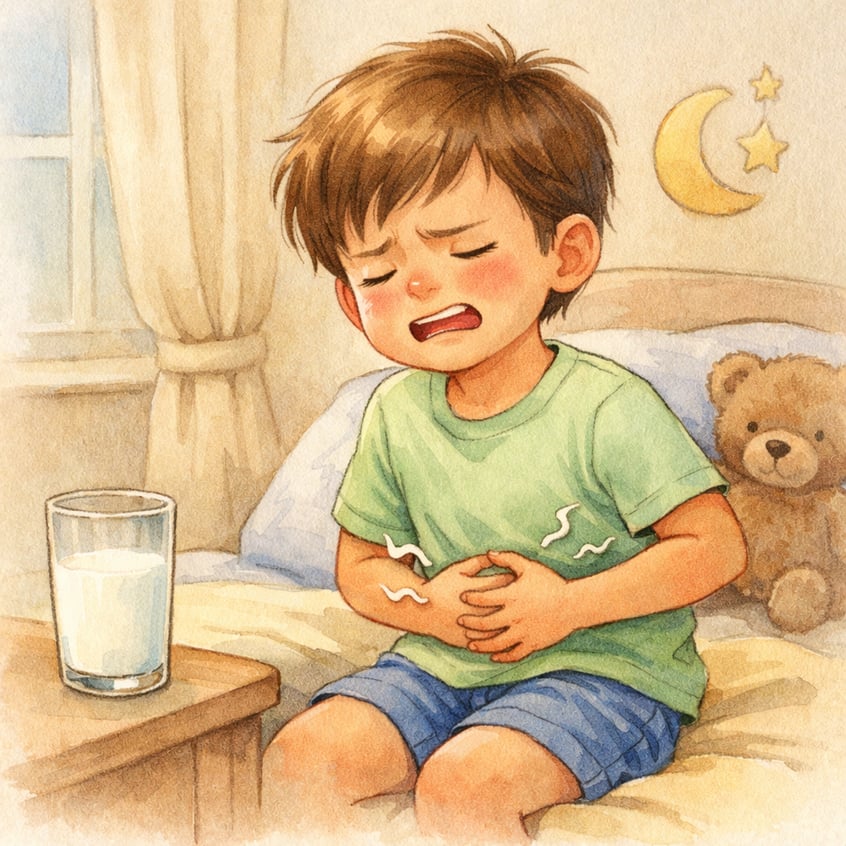
- Dairy intolerance in young children can be due to a milk allergy or lactose intolerance. Symptoms of lactose intolerance or dairy intolerance in kids typically show up within a few hours after consuming dairy products. A milk allergy, which is the most common food allergy in infants, involves an immune system reaction to milk protein, causing a potential allergic reaction.
- A milk allergy involves an immune system reaction to cow’s milk protein, causing a potential allergic reaction.
- Lactose intolerance is a digestive system issue where the body cannot properly digest the sugar in milk.
- Symptoms of lactose intolerance can include stomach pain, bloating, and diarrhea.
- Milk allergy symptoms may include hives, vomiting, and respiratory issues.
- It's important to consult a doctor before removing dairy products from your child’s diet.
Introduction
Does your child seem to have a bad reaction after consuming milk, ice cream, or other dairy products? You're not alone. Many parents navigate the challenges of dairy intolerance in young children during the first year of life. This reaction can stem from two different conditions: a milk protein allergy, which is an immune system response, or lactose intolerance, a digestive issue. Understanding the difference is the first step toward managing your child's symptoms and ensuring they get the right nutrition. This guide will help you identify the signs and know when to seek professional advice.
Recognizing Symptoms of Dairy Intolerance
When your child reacts to dairy foods, it can be confusing to pinpoint the cause. Both milk allergy and temporary lactose intolerance can lead to an upset digestive system, including symptoms like cramps, but the underlying mechanisms are different. A milk allergy triggers an allergic reaction from the immune system, while lactose intolerance is a digestive problem.
The symptoms of lactose intolerance often appear alongside other digestive complaints, especially after an episode of gastroenteritis. It's crucial to observe your child's specific lactose intolerance symptoms and reactions to determine whether their immune system or digestive system is involved. Now, let’s look closer at the distinct signs of each condition.
Signs of Milk Allergy in Children
A milk protein allergy occurs when a child's immune system mistakenly attacks the proteins in cow’s milk. This common childhood allergy can trigger symptoms within minutes to hours after consumption.
Rapid reactions may include:
- Hives (red, itchy rash)
- Swelling of the lips, face, or eyes
- Vomiting or diarrhea
- Wheezing or difficulty breathing
In severe cases, milk allergy can cause life-threatening anaphylaxis, requiring immediate medical care. Delayed symptoms may include worsening eczema, stomach pain, or blood and mucus in the stool. If your child is diagnosed with a milk allergy, avoid all dairy products.
Signs of Lactose Intolerance in Children
Lactose intolerance occurs when the body doesn’t produce enough lactase enzyme in the small intestine to digest lactose, a type of sugar in milk. Undigested lactose can cause gastrointestinal discomfort, but it does not involve the immune system like an allergy.
Symptoms usually appear after consuming lactose and may include:
- Stomach pain or bloating
- Gas
- Nausea
- Watery or frothy diarrhea
These symptoms are common in babies, but persistent issues may indicate lactose intolerance, which is more frequent in older children. Severity depends on the amount of lactose consumed, and some children can tolerate small amounts of dairy.
Diagnosis and When to Consult a Healthcare Provider
If you suspect your child has a dairy intolerance, getting an accurate diagnosis from a healthcare provider is a critical step. Self-diagnosing and altering your child's diet without professional guidance can lead to nutritional deficiencies, including vitamin D. A doctor can help determine if the issue is one of the various food allergies or a condition like primary lactase deficiency, so it's essential to check food labels.
Your doctor will review your child's symptoms and may recommend specific tests, such as a hydrogen breath test, to confirm a diagnosis. Understanding the diagnostic process, including consulting a registered dietitian and referring to guidelines from ASCIA, can help you prepare for your visit and know what to expect. Let's explore how doctors diagnose these conditions and when it’s time to seek medical help.
How Dairy Intolerance is Diagnosed
To diagnose your child’s symptoms, a doctor will review their medical history and symptoms related to a cow’s milk allergy. For a suspected milk allergy, skin or blood tests may check for an allergic response, providing important information for parents and carers.
Lactose intolerance is diagnosed differently, as it involves an enzyme deficiency. The doctor might recommend an elimination diet to see if a small amount of dairy causes symptoms to improve. A hydrogen breath test or stool test can also help confirm lactose intolerance.
Here’s a quick overview:
|
Condition |
Diagnostic Methods |
|---|---|
|
Milk Allergy |
History review, elimination diet, skin or blood test |
|
Lactose Intolerance |
Symptom review, elimination diet, breath or stool test |
When to Seek Medical Advice for Your Child
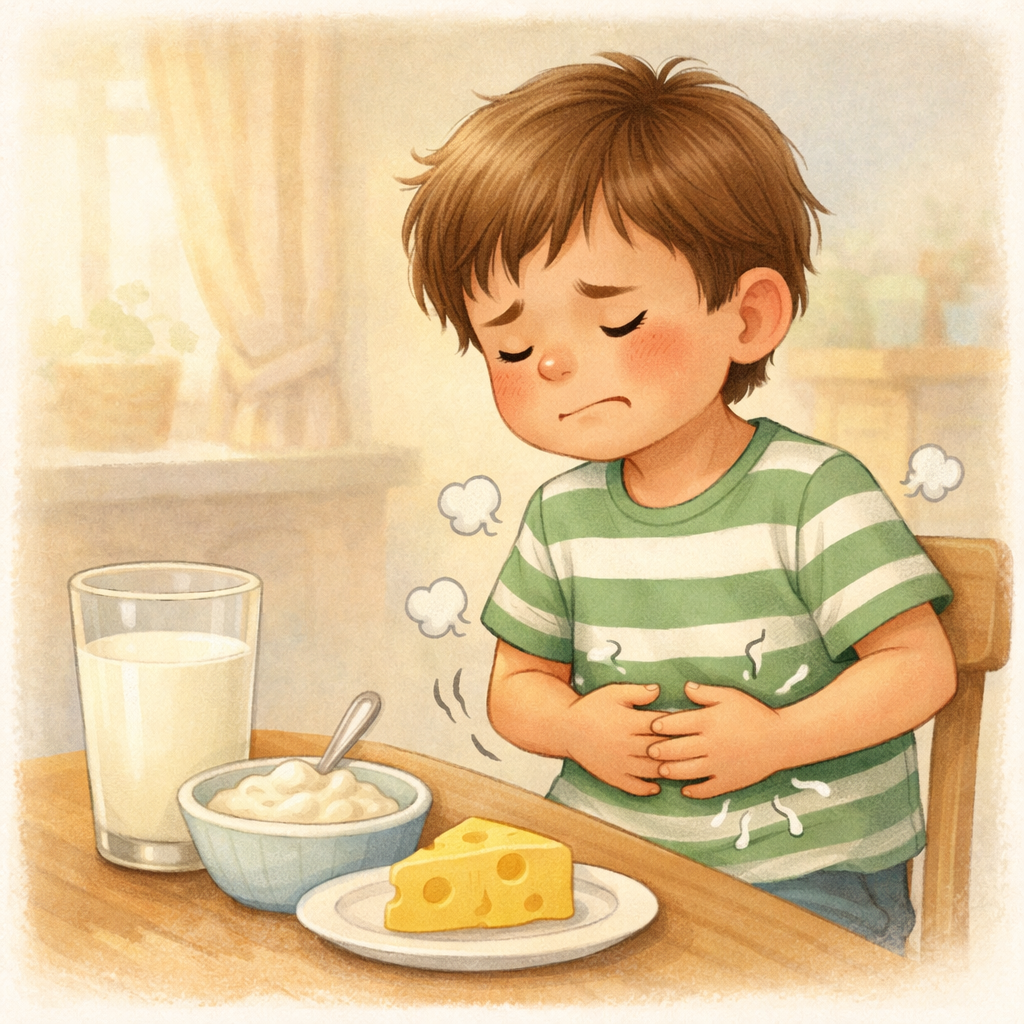
Always seek medical advice for general information if your child has recurring symptoms after consuming dairy in Australia. Only a doctor can provide an accurate diagnosis and rule out other conditions, especially if symptoms are severe.
Consult a doctor if your child has:
- Persistent diarrhea or vomiting
- Poor weight gain
- Blood or mucus in stool
- Signs of a severe allergic reaction
If your child has acute symptoms—such as trouble breathing, swelling of the throat or tongue, or becomes pale and limp—call emergency services immediately. These may be signs of anaphylaxis, a life-threatening reaction. Never hesitate to call an ambulance in these situations.
Conclusion
In conclusion, understanding dairy intolerance in children in New Zealand is essential for ensuring their well-being and comfort. By recognizing the symptoms of both milk allergies and lactose intolerance, parents can take appropriate steps to seek a proper diagnosis and care. It's crucial to work closely with healthcare providers, including the Australasian Society of Clinical Immunology, to determine the best dietary adjustments for your child's needs. Remember, early intervention can lead to better health outcomes and improved quality of life for your little one.
If you have questions or need further guidance, feel free to reach out for a consultation or call daar at 02 9133 2500. Your child's health and happiness are worth it!
Frequently Asked Questions
Is it safe for children with dairy intolerance to eat yogurt or cheese?
It depends on the type of intolerance. For a milk allergy, all dairy foods must be avoided. However, children with lactose intolerance may tolerate some dairy, including options like soy milk. Yogurt and hard cheeses like cheddar have lower lactose levels and are often better handled by the digestive system than milk solids and milk.
Can children grow out of lactose intolerance or milk allergy?
Yes, many young children outgrow their milk allergy by the time they start school. Similarly, transient lactose intolerance, often caused by an infection, usually resolves. However, primary lactase deficiency can be a lifelong condition. Your doctor can guide you on when it's safe to reintroduce dairy after breastfeeding to ensure your child gets enough calcium.
What should I do if my baby reacts after having dairy?
If your baby shows signs of an allergic reaction to dairy, such as hives, vomiting, or breathing difficulties, contact your doctor right away. A severe reaction, or anaphylaxis, is a medical emergency that requires immediate attention. In some cases, soy formula might be recommended for infants with a cow's milk allergy, which should always be evaluated by a healthcare professional. Additionally, pay attention to your baby's poo for any unusual signs that may indicate an issue.
.svg)




.svg)