
.png?width=48&height=48&name=Group%201%20(3).png)























13 January, 2026

How Speech Therapy Can Transform Communication Abilities
Introduction
Effective communication is the cornerstone of human interaction, allowing you to share ideas, build relationships, and navigate daily life. However, for many, speech and language challenges can create significant barriers. This is where speech therapy plays a transformative role. By improving communication skills and supporting language development, this specialized treatment can dramatically enhance your overall quality of life. Throughout Australia, speech pathology offers a path to clearer, more confident expression for everyone.
Key Highlights
-
Speech therapy significantly improves the communication abilities of people of all ages, from young children to adults.
-
Qualified speech therapists create personalized plans to address a wide range of speech and language disorders.
-
Early intervention is crucial, as children who receive therapy before age five often show the most significant progress.
-
Speech therapy services help enhance social skills, boosting confidence and improving interactions with others.
-
Treatment can help individuals recover communication skills after a stroke, brain injury, or due to neurological conditions.
Conditions and Challenges Addressed by Speech Therapy
Speech therapy addresses a wide range of communication disorders, helping those with developmental delays, neurological conditions, or physical impairments affecting speech. Whether assisting a child with autism or an adult recovering from injury, therapy is personalized to each individual’s needs.
Speech pathologists identify the underlying causes of both minor and complex speech issues. The following sections will discuss common conditions treated and how to recognize when someone might need support.
Common Speech and Language Disorders Treated
A range of speech disorders can be effectively managed with proper support. Speech therapy helps people of all ages improve clarity, fluency, and vocal quality, making everyday communication easier and more confident.
Some struggle with specific sounds; others face challenges with speech rhythm or flow. Speech pathologists diagnose and treat issues such as:
-
Articulation disorders (difficulty pronouncing sounds)
-
Fluency disorders (like stuttering)
-
Voice disorders (problems with pitch, volume, or quality)
-
Language disorders (trouble understanding or expressing thoughts)
Speech therapy is also vital for those with neurological conditions like stroke, brain injury, Parkinson’s, or Alzheimer’s—helping individuals regain lost communication skills.
Identifying Signs Your Child May Need to See a Speech Pathologist
As a parent, you may wonder if your child's language development is on track. While every child develops at their own pace, certain signs may indicate that they could benefit from professional support. Paying attention to these developmental markers is the first step toward getting your child the help they need.
Early intervention is key, as addressing language delays before the age of five often leads to the best outcomes. If you notice your child struggling with communication, it's always a good idea to consult a specialist. Look out for these common signs:
-
A limited vocabulary compared to other children their age.
-
Difficulty with speech clarity, making them hard to understand.
-
Trouble following directions or understanding social cues.
-
Frustration when trying to express their needs or thoughts.
A speech pathologist can assess your child’s skills and determine if therapy is needed. They can provide you with strategies to practice at home, helping to reinforce what is learned during sessions and supporting your child's journey toward clearer communication.
Inside a Typical Speech Therapy Session
Walking into your first speech therapy session can feel uncertain, but a speech pathologist will guide you comfortably and productively. These professionals tailor sessions to your needs, focusing on practical communication skills in a supportive, judgment-free environment.
Each session helps you progress toward your goals, whether that’s improving speech clarity or language comprehension. The following sections explain what to expect during the initial assessment and highlight common therapy techniques.
Assessment and Goal Setting with Speech Pathologists
The therapy process starts with a thorough assessment, where a speech therapist identifies your specific needs and communication challenges using tests, observation, and interviews. For children, this may involve structured play; for adults, tasks may assess memory, problem-solving, and language skills.
After the assessment, the speech pathologist works with you to set personalized, achievable goals. This ensures the treatment plan is tailored to your needs and focuses on areas that will most improve your daily life.
Techniques and Strategies Used in Canterbury and Liverpool Sessions
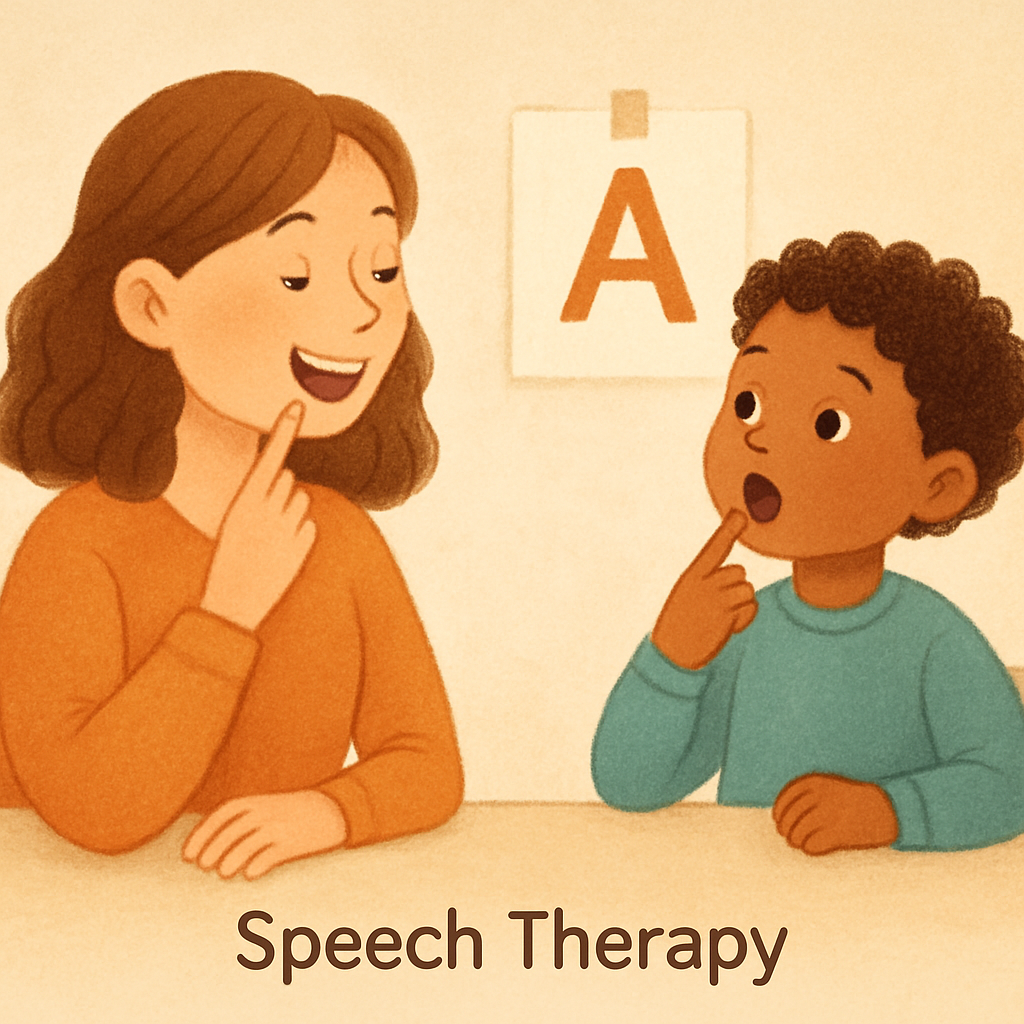
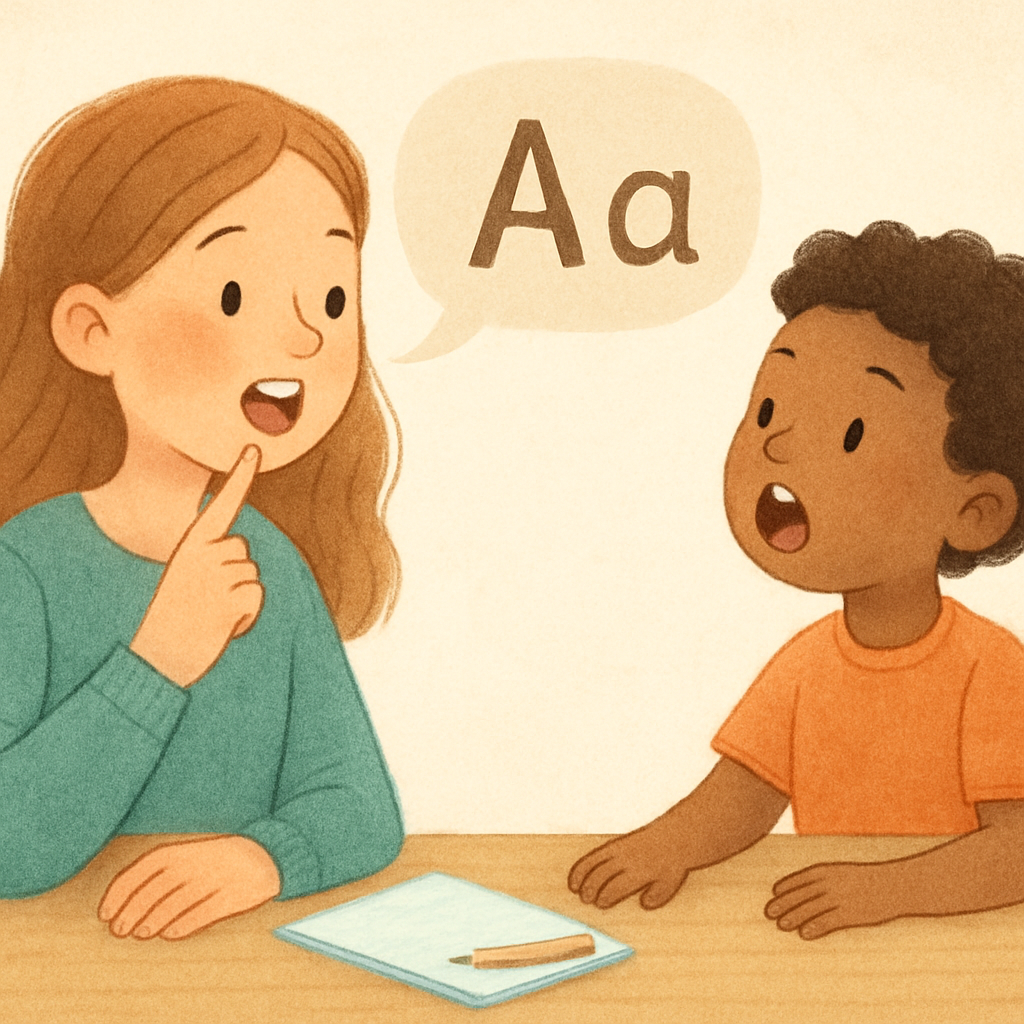
After your assessment, the speech pathologist will use evidence-based techniques tailored to your age and needs. For articulation issues, therapy may include exercises for correct tongue placement and sound production to improve clarity.
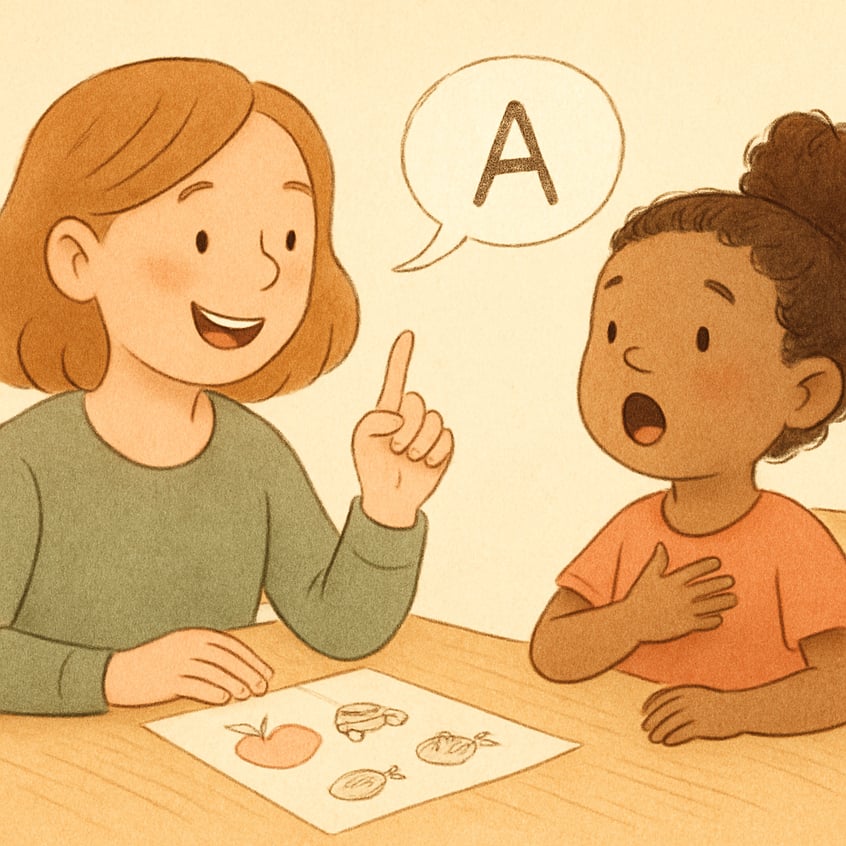
Language intervention often uses storytelling, picture cards, or interactive play to expand vocabulary and strengthen sentence structure. For social communication challenges, therapists might use role-playing to practice conversations and interpret social cues. Alternative communication methods like sign language may also be introduced when needed.
Speech therapy approaches are personalized and varied. Common techniques in areas like Canterbury and Liverpool include:
|
Therapy Technique |
Primary Goal |
|---|---|
|
Articulation Therapy |
Clearer speech through improved production of sounds |
|
Language Intervention |
Building vocabulary, grammar, and sentence structure |
|
Fluency Therapy |
Managing stuttering with breathing control and pacing strategies |
|
Voice Therapy |
Enhancing vocal quality, pitch, and volume |
Accessing Speech Therapy Services in Australia
Finding the right support for communication difficulties is a significant step toward improving your quality of life. In Australia, speech therapy services are available through various channels, including hospitals, schools, and private clinics. Many of these therapy services are accessible and can be tailored to meet your unique needs.
For many families, navigating the cost of therapy is a concern. Fortunately, schemes like the National Disability Insurance Scheme (NDIS) can provide funding and NDIS coverage for speech therapy. The next section will guide you on how to find a qualified professional and understand your options for funding.
Finding Qualified Speech Pathologists and Navigating NDIS Coverage
When looking for speech pathology services, choose a qualified professional who suits your needs. A certified speech pathologist should have a university degree and accreditation from a body like Speech Pathology Australia.
Many therapists work in private practice and may focus on specific disorders or age groups. If you have NDIS funding, you can use it for therapy that matches your plan goals. The process can seem complex, but there are straightforward steps to help:
-
Ask your GP or specialist for a referral.
-
Search the Speech Pathology Australia directory.
-
Contact local private practices to learn about their services.
-
Discuss needs with your NDIS planner or support coordinator.
-
Check with schools or community health centers.
Conclusion
In conclusion, speech therapy is a powerful tool that can significantly improve communication abilities for individuals of all ages. By addressing various speech and language disorders, it not only enhances verbal skills but also boosts confidence and fosters better social interactions. Whether you're seeking help for a child or looking to improve your own communication skills, understanding the processes involved in speech therapy can empower you to take that important step.
If you're ready to make a change, don’t hesitate to reach out for a consultation or call daar at 02 9133 2500 to explore how speech therapy can benefit your child.
Frequently Asked Questions
At What Age Can Pediatric Speech Therapy Start Helping Children?
Pediatric speech therapy can begin at a very young age. Early intervention is highly effective, and a speech pathologist can work with infants and toddlers to support language development. For many young children with delays, starting therapy before the age of five yields the most significant and lasting results.
Can Adults Benefit from Speech Pathology, and What Issues Are Addressed?
Absolutely. Adults can greatly benefit from speech pathology. Therapy often addresses communication abilities affected by a stroke, traumatic brain injury, or neurological conditions like Parkinson's disease. It helps adults rebuild their language skills, improve speech clarity, and regain confidence in their ability to communicate effectively.
Are Speech Therapy Services Like Those in Liverpool and Canterbury Covered by NDIS?
Yes, speech therapy services in areas like Liverpool and Canterbury can be covered by NDIS. If your communication needs are related to a disability, your NDIS plan can include funding for these therapy services. This coverage allows you to access support from various providers, including private practices.
.svg)




.svg)