
.png?width=48&height=48&name=Group%201%20(3).png)
























12 March, 2026

Fun Activities for Autistic Children: Top Ideas at Home
Key Highlights
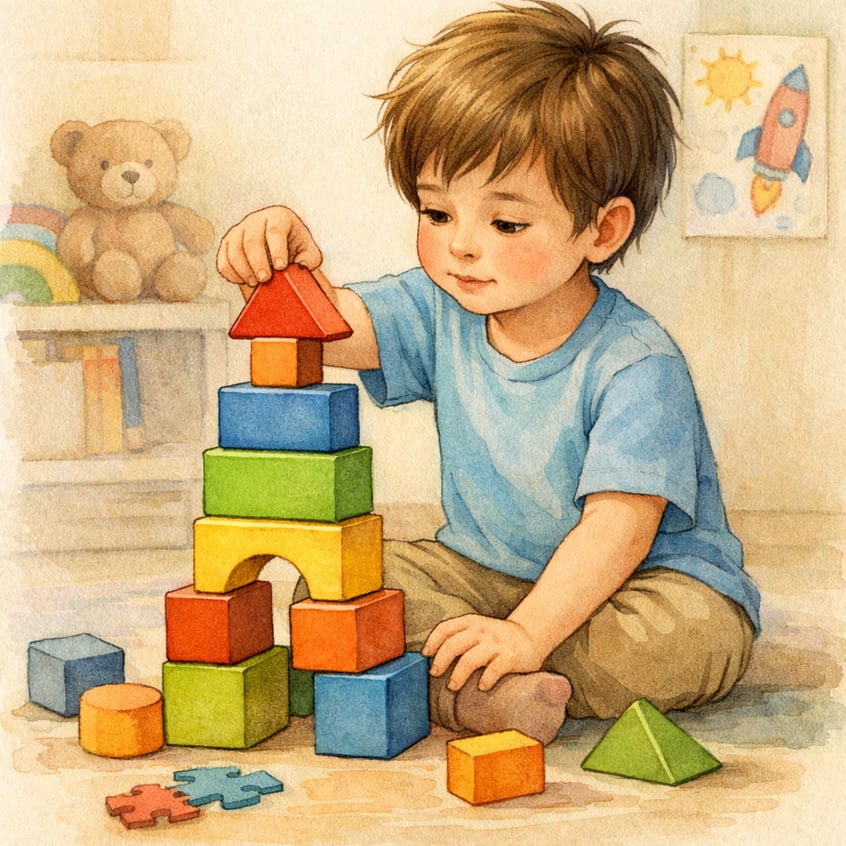
- Sensory play, including DIY sensory bins and messy play, helps autistic children explore different textures and manage sensory input. Physical activities like indoor obstacle courses and yoga improve gross motor skills and body awareness. For virtual activities, autistic children can benefit from online guided yoga sessions, interactive movement games, and virtual obstacle courses that encourage them to practice motor skills at home. Additionally, digital sensory play apps can help children engage with different textures and sensory input in a safe and controlled environment.
- Physical activities like indoor obstacle courses and yoga improve gross motor skills and body awareness.
- Structured and unstructured play are both crucial for developing social skills and emotional regulation in children with autism. Classroom activities such as role-playing, turn-taking games, and collaborative group projects often work well because they encourage interaction while providing clear rules and expectations. Additionally, sensory-friendly activities created with simple household items support engagement and comfort. Incorporating play into daily routines provides consistency and helps build essential life skills, making these approaches particularly effective for children with autism.
- Sensory-friendly activities can be easily created at home using simple household items.
- Incorporating play into daily routines provides consistency and helps build essential life skills.
- Learning through play with visual aids and puzzles enhances cognitive development in a fun way.
Introduction
Play is a natural and effective way for young children to learn about the world. For autistic children, play activities are more than just fun—they are a vital opportunity to build essential skills. Whether it’s developing communication, improving motor functions, or understanding social interactions, play offers a relaxed and engaging path for learning and growth. Exploring different types of play, from messy fun to sensory play, can help your child navigate their environment in a supportive and enjoyable way at home. Additionally, many communities now offer autism-friendly attractions and places, such as sensory-friendly events at museums, inclusive playgrounds, and specially designed spaces in local libraries, where autistic children and their families can enjoy play and socialization in a welcoming and accommodating environment.
Understanding the Needs of Children with Autism at Home
Children with autism spectrum disorder (ASD) have unique needs at home, often affected by sensory sensitivities that can make everyday sounds, sights, or textures overwhelming. Understanding these challenges is key to creating a supportive environment.
Observing your child’s behavior helps you identify what suits them best. This may mean adapting activities to reduce sensory overload or selecting play that matches their interests. These considerations are also important for extracurricular activities, as familiar and comfortable settings can make a big difference.
How Autism Affects Play and Learning
Children on the autism spectrum often play and learn differently. They may find social interaction challenging, have trouble reading cues, or struggle with taking turns. Many prefer solo or repetitive play, which helps them process sensory input and create order.
These play styles are important for development. For example, lining up toys builds organizational skills. Supporting these behaviors—rather than changing them—helps children develop communication skills and meet their needs comfortably.
Recognizing these differences allows for better activity choices at home or in class. Activities with clear instructions and predictable structure, like puzzles or building blocks, encourage focus and provide a sense of accomplishment while supporting each child’s learning style.
The Importance of Predictable Routines and Environments
Predictable routines provide security for children with autism, reducing anxiety and supporting emotional regulation. A safe, controlled environment helps them explore and learn without feeling overwhelmed. Consistency is important for both home and extracurricular activities.
Adding play to daily routines reinforces skills and makes learning enjoyable. Linking tasks to everyday activities gives your child a sense of accomplishment and can be tailored to their needs.
Ways to add playful structure:
- Morning Game: Turn getting dressed into a game by letting your child choose from a few outfits.
- Mealtime Fun: Involve them in meal prep, like mixing salad or making sandwiches.
- Bedtime Story: End the day with a calming story or soft music to ease the transition to sleep.
Sensory-Friendly Activities for Kids with Autism
Sensory-friendly activities are designed to help children with autism manage sensory input in a positive way. Given that many children on the spectrum have sensory sensitivities, these activities allow them to explore different textures, sounds, and sights in a controlled setting. Sensory play can be calming and help children process information from their environment more effectively.
Creating these experiences at home doesn't have to be complicated. Simple setups can provide the right amount of sensory stimulation without causing overload. Next, we’ll look at some easy DIY options like sensory bins and calming bottles.
DIY Sensory Bins and Calming Bottles
Creating sensory tools at home is simple and effective for enriching your child's experience. Sensory bins, filled with materials like rice, beans, or water beads, encourage tactile exploration in a contained space. Add small toys for extra engagement.
Sensory bottles (calming bottles) provide soothing visual stimulation. Fill a clear bottle with water, glitter, beads, and food coloring; watching the items move helps children calm and focus.
Both bins and bottles are easy to customize:
- Sensory Bin Fillers: Dry rice, beans, sand, water beads, small toys.
- Calming Bottle Contents: Water, food coloring, glitter, beads.
- Themed Bin Ideas: Try an underwater scene with sand, shells, and plastic sea creatures.
Sensory Play with Water, Sand, and Textures
Water and sand are classic sensory play materials, offering a variety of tactile experiences. A simple water pouring station can entertain children while improving fine motor skills. Enhance it with food coloring or different-sized containers for more engagement. Consistent sensory input from this play supports sensory processing.
Exploring textures is also important. Try a "sensory walk" by arranging shallow bins with various materials for your child to walk through and feel with their feet.
Ideas for texture-based play:
- Pouring Station: Use measuring cups, funnels, and pitchers with colored water.
- Sensory Walk: Fill bins with sand, cotton balls, water beads, or dry leaves.
- Underwater Scene: Create a mini-world in a bin using sand, rocks, shells, and water.
Messy Play Ideas That Are Safe and Fun
Messy play offers a wonderful sensory experience that is crucial for a child’s development. For autistic children, these sensory play activities can be especially beneficial, allowing them to explore materials like slime or paint in a hands-on way. The key to making it successful is to create a controlled environment where your child feels safe to get messy without stress.
You can contain the mess by using plastic bins or taking the activity outside. It’s also important to use non-toxic, taste-safe materials, especially for children who tend to put things in their mouths. Let's explore some specific messy play ideas that are both safe and engaging.
Slime, Play Dough, and Shaving Foam Activities
Activities with slime, play dough, and shaving cream provide unique sensory experiences. Kids can squish, smear, and shape these materials, which is both calming and satisfying. For example, painting windows with shaving cream is a simple, fun way to build fine motor skills.
Adjust activities to your child’s comfort. If they’re hesitant, demonstrate first and encourage them to touch the material with a finger. Keep it positive and pressure-free.
Try these:
- Shaving Cream Art: Spray on a window or tray for drawing.
- Play Dough Creations: Use cookie cutters or let kids knead and roll the dough.
- Edible Slime: Mix cornstarch and water for safe slime play.
Art Projects Using Non-Toxic Materials
Art projects foster creativity and self-expression. Using non-toxic materials keeps activities safe, even for kids who may taste them. Finger painting, for example, develops fine motor skills and encourages imaginative play.
To make art more engaging, tailor projects to your child’s interests. If they love dinosaurs, use dinosaur-shaped sponges; if they prefer bright colors, provide a variety of safe paints and markers. Focus on the creative process rather than the finished product.
Safe and creative art ideas include:
- Edible Finger Painting: Mix yogurt with food coloring for a taste-safe option.
- Clay Modeling: Use non-toxic clay for sculpting.
- Nature Art: Gather leaves, stones, and twigs to create collages.
At-Home Physical and Movement Activities
Physical and movement activities are essential for developing gross motor skills and body awareness. For children with autism, physical play can also be a great way to release energy, reduce stress, and improve coordination. Creating opportunities for movement at home can be simple and doesn't require any special equipment.
From building an indoor obstacle course to having a dance party, there are many ways to get your child moving. These activities not only support physical development but also provide sensory input that can be organizing and calming. Let’s look at some specific games and exercises you can do together.
Obstacle Courses and Indoor Movement Games
Building an indoor obstacle course is a great way to boost gross motor skills. Use household items like pillows, blankets, and chairs to create fun challenges that encourage problem-solving, balance, and coordination.
Indoor games also promote movement. A simple “stepping stones” game with pillows improves balance, while a dance party builds rhythm and coordination. Joining in makes these activities opportunities for social play.
Try these indoor movement ideas:
- Pillow Path: Lay out pillows or cushions for your child to step or jump across.
- Furniture Course: Have your child crawl under tables and climb over cushions.
- Plastic Bag Kites: Tie string to a plastic bag and let your child run around to make it “fly.”
Yoga, Stretching, and Balance Exercises
Yoga and stretching provide a calm, mindful way for children to improve body awareness and emotional regulation—especially helpful for sensory processing. Simple poses boost flexibility, strength, and balance.
Introduce these activities with kid-friendly videos or by demonstrating the moves yourself. Keep it relaxed and non-competitive. Turn balance exercises, like standing on one foot, into playful games.
Try these calming movement ideas:
- Animal Poses: Imitate animals—be a cat (Cat-Cow pose) or a dog (Downward-Facing Dog).
- Follow the Leader: Guide your child through easy stretches.
- Balance Beam: Walk along a tape line on the floor as a “balance beam.”
Learning Through Play – Educational Activities
Learning through play is a powerful approach for all children, and it's especially effective for those with autism. Educational activities that feel like games can help with cognitive development, communication, and understanding social cues in a low-pressure setting. Using tools like visual schedules can make these activities more predictable and easier to follow.
By turning learning into a fun experience, you can help your child build essential skills without them even realizing it. The following sections offer ideas for using pictures to tell stories and games to boost cognitive abilities.
Visual Schedules and Storytelling with Pictures
Visual aids like picture cards and schedules help children with autism by providing clear expectations, reducing anxiety, and easing transitions. Use picture cards to outline routines or break tasks into steps.
Storytelling with pictures supports language development. Picture books or homemade stories help children understand sequences, predict outcomes, and express ideas. These visual strategies are common in behavior analysis and easily adapted for home or classroom use.
Example visual schedule:
|
Step |
Picture |
|---|---|
|
1. Get paint |
Paint bottles |
|
2. Put on smock |
Child wearing smock |
|
3. Paint |
Hand with paint |
|
4. Clean up |
Hands being washed |
Puzzle and Sorting Games for Cognitive Skills
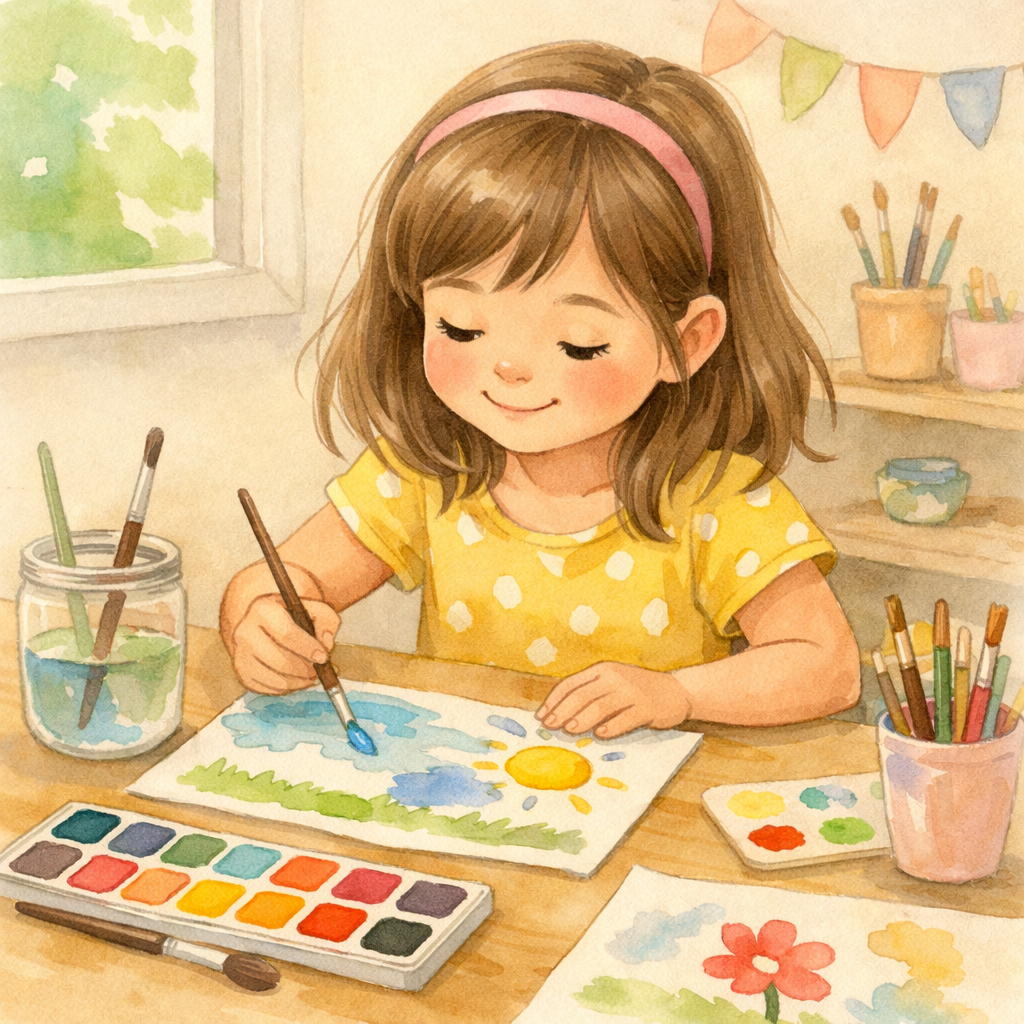
Puzzle games and sorting activities are great for building cognitive skills. Puzzles boost problem-solving, spatial reasoning, and fine motor skills. Start with simple puzzles and increase difficulty to give your child a sense of accomplishment.
You can create sorting games using everyday items like toys, buttons, or pom-poms. Ask your child to sort by color, shape, or size to improve categorization and attention to detail.
Try these ideas:
- Shape Sorters: Use a classic toy or make one from a cardboard box.
- Color Sorting: Have your child sort colorful blocks or pom-poms into a muffin tin.
- Jigsaw Puzzles: Pick themes your child enjoys, such as animals or vehicles.
Conclusion
In summary, engaging children with autism in structured home activities supports their development and well-being. Sensory-friendly play and educational games address their unique needs while building cognitive and motor skills. Predictable routines and playful learning foster a supportive environment. Patience is essential, as each child’s preferences differ. Explore various activities to find what works best for your child.
For personalized support, contact us for a consultation or call daar at 02 9133 2500.
Frequently Asked Questions
What are the best activities for autistic children at home?
The best activities for autistic children at home often involve sensory play, such as using sensory bins or play dough. Activities that promote imaginative play, develop gross motor skills like obstacle courses, and provide opportunities for practicing social skills in a comfortable setting are also highly beneficial.
How can I adapt activities for my autistic child’s needs?
Adapt activities by observing your child’s needs and sensory preferences. Simplify instructions, use visual aids, and adjust the environment to prevent overload. Break down tasks into smaller steps to support their individual needs and help with emotional regulation, ensuring the experience is positive and encouraging.
What are sensory activities that support autism at home?
Sensory activities that support autism at home include using sensory bins filled with materials like rice or water beads, playing with textures like slime or shaving cream, and creating calming sensory bottles. These activities provide a controlled sensory experience, helping children manage sensory input through engaging sensory play.
.svg)




.svg)