
.png?width=48&height=48&name=Group%201%20(3).png)























10 March, 2026

Engaging Activities for Autistic Children to Boost Skills

Key Highlights
- Sensory play offers children on the autism spectrum a fun way to explore their senses and develop new skills. Activities like sensory bins and texture boards help with skill building for fine motor skills. Many community centers and local recreation programs also offer sensory activities specifically designed for kids with autism, providing inclusive opportunities for sensory play and motor skills development in a supportive environment.
- Activities like sensory bins and texture boards help with skill building for fine motor skills.
- Music, movement, and outdoor adventures are great for developing gross motor skills.
- Sensory play can be adapted to meet each child's unique sensory needs and preferences.
- Calming activities such as visual bottles can provide a soothing sensory experience.
- Simple tasks like cooking can improve social skills and language development.
Introduction
Finding engaging activities for children with autism spectrum disorder can be a wonderful way to bond and support their development. Sensory activities are play experiences designed to provide sensory stimulation to touch, sight, sound, smell, or taste. For children with ASD, who often process sensory information differently, this type of play is especially beneficial. Sensory play provides structured, positive opportunities to explore different sensations, which can help your child feel calm, focused, and ready to learn new skills.
Fun and Skill-Building Activities for Autistic Children
Engaging your child in activities is a fun way to encourage their development and improve social, emotional, and cognitive skills. Many activities are designed to enhance fine motor skills and provide a unique sensory experience through the exploration of different textures.
These activities are not just about play; they are a fantastic method for skill building. You can help your child improve everything from social skills to gross motor skills in a supportive and enjoyable environment. Let's explore some simple and effective activities you can try at home.
1. Sensory Bin Exploration
Sensory bins are an easy and effective way to encourage play. Simply fill a container with materials like rice, beans, or pasta for your child to explore different textures and get tactile input. This activity helps develop fine motor skills as kids scoop, pour, and manipulate items.
You can also hide small toys or letters in the bin to make play more engaging and boost attention and focus. Sensory bins are often used in early autism services to support exploration and learning.
Here are some simple ideas:
- Hide magnetic letters in dry pasta for a literacy game.
- Fill a bin with water, floating toys, cups, and funnels.
- Use sand with shovels and buckets for a beach-themed bin.
2. DIY Texture Boards
Creating a DIY texture board is an affordable activity that offers a rich sensory experience for young children. By gluing various textured materials onto cardboard, you help your child safely explore different sensations—especially beneficial for those with sensory processing challenges.
This activity boosts fine motor skills as children trace their fingers over the surfaces and builds sensory awareness by exposing them to diverse textures. Each child may react differently, so observe their responses; some textures can even provide comfort during distress.
Use household items like:
- Soft fur, smooth fabric, and rough sandpaper
- Bumpy bubble wrap or ridged cardboard
- Cotton balls, ribbons, and sponges
3. Visual Calming Bottles
Sensory bottles, or calm-down jars, help calm children during emotional or sensory overload by providing gentle visual stimulation. Watching the contents swirl and settle can soothe and help regulate emotions, making these bottles useful during stressful moments.
Making sensory bottles is a fun activity. Fill a clear plastic bottle with water, glitter, food coloring, and small objects to customize it for your child. This simple tool offers a predictable, mesmerizing visual focus for sensory processing.
Ideas for calming bottles:
- Fill with warm water, glitter, and food coloring.
- Use clear glue or corn syrup to slow movement.
- Add beads or sequins that float or sink at different speeds.
4. Music and Movement Games
Incorporating music and movement is an excellent way to engage children on the autism spectrum. These activities boost gross motor skills, body awareness, and provide a healthy energy outlet. Music therapy uses rhythm and melody to support development in a fun, interactive way.
Encourage your child to dance, stretch, or march to music for a joyful experience. Participating together or in groups also builds social skills like turn-taking and interaction.
Try these music and movement ideas:
- Play musical chairs or freeze dance to practice listening and following cues.
- Use simple instruments like shakers or drums to explore rhythm.
- Sing songs with movements to improve coordination and memory.
5. Water Play Activities
Water play is a simple, calming sensory activity that helps children explore temperature, texture, and movement. It supports sensory integration and can be done in a tub, sink, or water table.
Enhance water play by adding items like water beads for texture, or cups and funnels to boost coordination. Scooping and pouring small objects refines motor skills. Always supervise your child during water activities.
Easy water play ideas:
- Add bubbles, floating toys, or sponges to the sink or tub.
- Freeze small objects in ice cubes for your child to melt with warm water.
- Use different containers for pouring and measuring practice.
6. Nature Walks and Outdoor Adventures
Exploring the outdoors offers rich sensory stimulation. Nature walks help children develop gross motor skills as they walk, run, and climb, while sights, sounds, and smells provide a varied sensory experience.
Walking in a park or hiking improves body and sensory awareness. Encourage your child to notice leaf textures, grass, or bird sounds—helping them connect with nature. A simple scavenger hunt can make it more engaging.
Outdoor activity ideas:
- Create a "sensory walk" with leaves, pinecones, and smooth stones.
- Collect items with different textures like bark or moss.
- Listen for nature sounds and identify them together.
7. Simple Cooking and Baking Tasks
Involving your child in simple kitchen tasks is a multi-sensory experience that builds life skills. Activities like mixing dough, washing produce, and pouring ingredients engage touch, smell, taste, and sight.
Cooking together develops fine motor skills through stirring and kneading, and boosts language skills by following recipes and discussing steps. It also encourages critical thinking and teamwork.
Easy kitchen activities include:
- Mixing ingredients for cookies or muffins
- Kneading playdough or bread dough
- Washing fruits and vegetables
8. Virtual Sensory Experiences
Virtual sensory experiences provide new ways to stimulate the senses in today’s digital world. Many apps and games offer controlled visual and interactive play, making them ideal for tech-savvy children and helping build sensory awareness in a structured setting.
These tools range from simple cause-and-effect games to more complex problem-solving activities, allowing kids to explore colors, shapes, and sounds that might feel overwhelming in real life. Some also support communication skills by prompting interaction.
Consider these virtual sensory options:
- Apps for digital finger painting or creating light and color patterns
- Interactive storybooks with visuals, sound, and simple gameplay
- Calming video games focused on building or exploration
Adapting Activities for Different Sensory Needs
Every child with autism spectrum disorder is unique, especially when it comes to their sensory needs and sensory sensitivities. What one child finds calming, another may find overwhelming. It's important to observe your child and understand their specific sensory processing abilities to create a positive and supportive play environment.
Adapting activities for special needs doesn't have to be complicated. Small adjustments can make a big difference. The key is to be flexible and responsive to your child's cues. The following sections will guide understanding your child's preferences and modifying activities accordingly.
Understanding Sensory Preferences
To adapt activities effectively, start by understanding your child’s sensory preferences. Some children seek extra sensory input, while others are easily overwhelmed. Observe how your child responds to different sounds, sights, and textures.
Notice if your child touches everything or avoids certain materials, prefers bright colors or muted environments. These observations help you tailor activities to their needs. Sensory seekers may enjoy bins of textured items; avoiders might do better with just one simple texture.
Introduce one new sound or texture at a time and watch for signs of comfort or distress. Offering choices empowers your child and reveals more about their preferences. By understanding these cues, you can create enjoyable and beneficial activities.
Tips to Modify Activities for Home and Classroom Environments
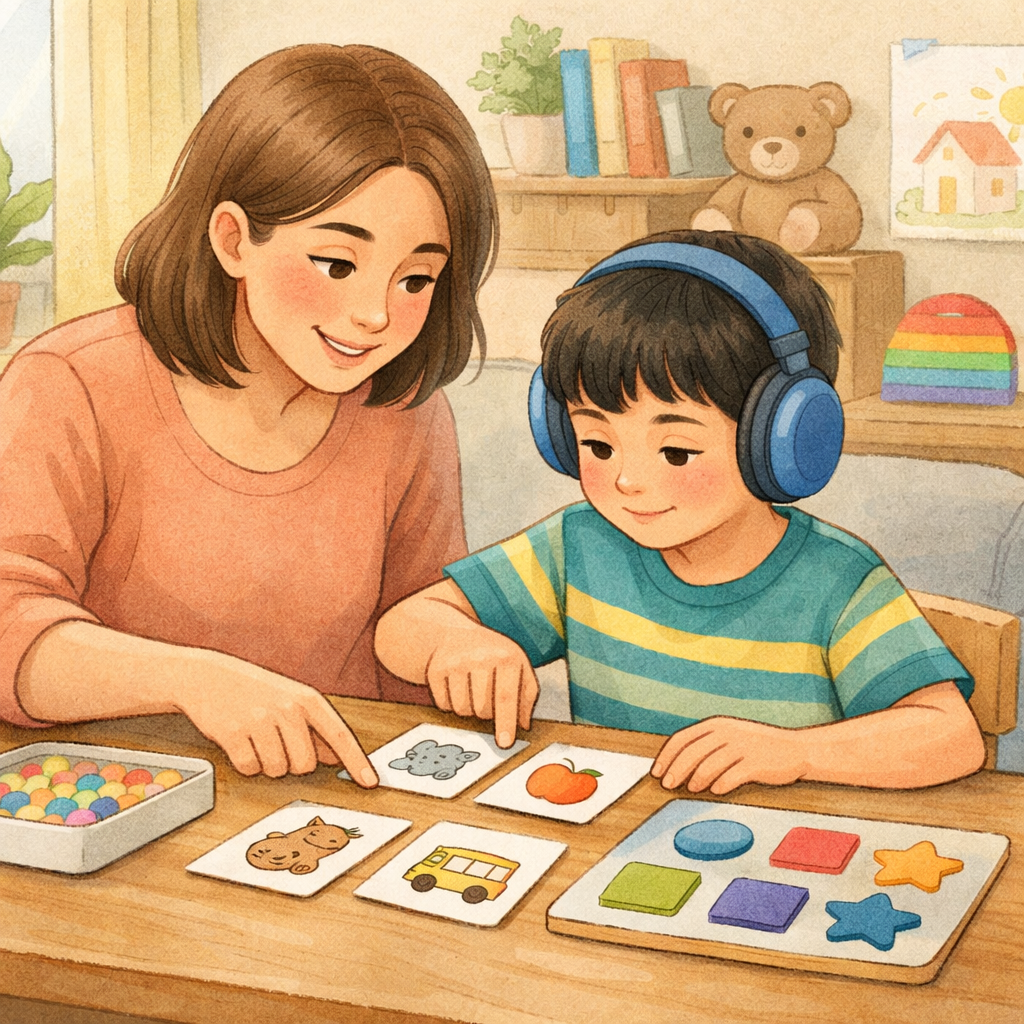
Modifying activities for home and classroom settings is important to support children with different sensory needs. At home, you can personalize the environment; in classrooms, activities should be flexible and fit the routine.
The goal is to encourage sensory integration in a safe, supportive way. Behavior analysis techniques—such as starting with small steps and using positive reinforcement—can help. For instance, if a child is sensitive to noise, introduce music at a low volume and increase it gradually.
Here are some modification ideas:
|
Environment |
Modification Suggestion |
|---|---|
|
Home |
Set up a "sensory break zone" with calming items like pillows and fidgets. |
|
Home |
Add sensory play to routines, such as bubbles during bath time. |
|
Classroom |
Provide individual sensory bins at desks. |
|
Classroom |
Offer noise-canceling headphones for sound-sensitive students. |
|
Classroom |
Supply discreet fidget toys for use during lessons. |
Conclusion
Engaging, tailored activities for autistic children enhance skills and provide enjoyment. Incorporating sensory experiences, creative tasks, and interactive play helps foster growth and development. Adapting activities to each child's unique needs is key. Whether through DIY projects, nature walks, or sensory bins, the goal is to create positive interactions that build confidence. Every small step supports their well-being.
For personalized strategies, reach out for a consultation or call daar at 02 9133 2500—your child’s skill-building journey starts with the right support.
Frequently Asked Questions
What sensory activities can help calm an autistic child during meltdowns?
Sensory play activities that have a calming effect can be very helpful. Consider using sensory bottles for gentle visual stimulation, listening to soft music, or providing a weighted blanket. These activities help with sensory processing and can soothe a child by meeting their sensory needs in a predictable and non-overwhelming way.
How do I create a safe sensory space at home for my autistic child?
Designate a quiet corner with minimal distractions. Fill it with items that provide calming sensory input, such as soft pillows, sensory toys, and a small sensory bin. This "sensory break zone" offers a predictable space for sensory stimulation where your child can go to self-regulate when feeling overwhelmed.
Are there group sensory activities that work well for children with autism?
Yes, many group activities can be adapted to support social interaction. Music and movement games like "Simon Says" or collaborative projects like building with blocks encourage teamwork. Simple board games can also help teach turn-taking and other social skills in a structured way, often complementing goals in ABA therapy.
.svg)




.svg)