
.png?width=48&height=48&name=Group%201%20(3).png)























11 March, 2026

Sensory Activities Autism: Creative Ways to Support Growth
Key Highlights
- Sensory activities are crucial for individuals with autism spectrum disorder to help them process sensory information.
- Engaging in sensory play can retrain the brain's response, making it easier to cope with different sounds, textures, and lights.
- These activities stimulate the brain, improve fine motor skills, and enhance language and social development.
- A positive sensory experience can be calming and help with emotional regulation.
- You can create effective sensory activities using simple, safe household items.
- From messy play to calming sensory bottles, there's a wide range of options to support growth.
Introduction
For children with autism spectrum disorder, the world can sometimes feel overwhelming. They often process sensory information differently, which can make everyday experiences challenging. Sensory activities offer a fun and engaging way to help your child navigate these challenges. These activities are designed to stimulate the senses in a controlled and positive way, supporting cognitive development, emotional regulation, and motor skills. By incorporating sensory play into your routine, you can provide valuable support for your child's growth and learning journey.
Creative Sensory Activities to Support Growth in Autism
Finding the right sensory activities can make a significant difference for a child on the autism spectrum. The goal is to provide a positive sensory experience that is both fun and therapeutic. You can create a rich sensory play environment right at home with simple, everyday items.
If you're looking for resources or guides for autism-friendly sensory play, many reputable organizations—such as Autism Speaks, the Autism Society, and local occupational therapy centers—offer detailed guides and activity ideas online. You can also find practical tips and printable activity sheets through specialized autism support blogs or websites dedicated to sensory-friendly resources.
These activities are often recommended in occupational therapy and are designed to build tolerance, improve motor skills, and help with self-regulation. Let's explore some creative ideas you can try with your child to support their development. For autistic adults, recommended sensory activities include using textured objects or sensory bins, engaging with calming tools such as weighted blankets or fidget items, listening to soothing music, and exploring gentle movement exercises like yoga or tai chi. These activities can provide sensory input while also promoting relaxation and personal growth.
1. Messy Play with Safe Household Items
Messy play lets children explore new textures and sensations in a fun, relaxed setting. This sensory activity builds fine motor skills and encourages self-expression. Using safe, edible items is ideal for kids who may put things in their mouths.
Set up a station with different foods for finger painting to engage your child’s senses of touch, smell, and taste. Lay down newspaper or a tablecloth for easy cleanup.
Simple options for messy play include:
- Shaving cream: Spread on a window or tray for drawing.
- Edible paints: Try apple puree, yogurt, or chocolate sauce.
- Dry beans or rice: Fill a bin for scooping and pouring.
2. Calming Sensory Bottles for Overstimulation
When a child feels overstimulated, calming sensory activities can help. Sensory bottles, or calm-down jars, offer gentle sensory input to soothe and regulate. They're easy to make and can be customized to your child's preferences.
The slow movement inside the bottle provides a visual focus that quiets an overactive mind. For children with sensory processing disorder, sensory bottles are empowering tools.
To make a simple sensory bottle:
- Use a clear plastic bottle, water, and clear glue or hair gel.
- Add fillers like glitter, beads, or sequins.
- Seal the lid tightly with superglue for safety.
3. Winter-Themed Sensory Bins
Incorporating seasonal themes into sensory play adds excitement and new learning opportunities. A winter-themed sensory bin introduces children to cold-weather textures and concepts in a fun, contained way—minimizing mess while maximizing exploration.
Try these winter sensory bin ideas:
- Fake snow: Combine baking soda and hair conditioner for cool, moldable “snow.” Add mini arctic animals for pretend play.
- Icy treasures: Freeze small toys, cranberries, or pine clippings in ice. Kids can use warm water droppers or toy hammers to excavate the hidden items.
4. Outdoor Nature Exploration Activities
The outdoors provides free, accessible sensory experiences. Nature lets children explore sensations—from grass underfoot to wind in the trees—supporting gross motor skills and sensory processing.
A simple walk becomes a sensory adventure: encourage your child to touch leaves, smell flowers, and listen for birds. This exposure helps the brain organize and process sensory information.
Try these outdoor activities:
- Sensory walk: Make a path with bins of sand, water, leaves, or stones for your child to walk through.
- Scavenger hunt: Search for rocks, shells, or leaves with different textures and shapes.
- Kite flying: Use a plastic bag and string to make a kite and run with it to feel the wind.
5. Water Play for Tactile Engagement
Water play is a classic sensory activity that offers calming tactile engagement and can be easily adapted to your child’s needs. The sensation of water helps soothe and organize the nervous system.
A pouring station is a simple way to involve your child, building fine motor skills, hand-eye coordination, and focus. Using warm or cool water adds extra sensory input.
Water play ideas:
- Pouring station: Give your child containers, cups, and funnels to pour water. Add food coloring for more fun.
- Ice cube transfer: Let your child use spoons or tongs to move ice cubes from Mistake:bin of ice into colored water.
6. Music and Movement Therapy Play for Autism
Combining music and movement is a powerful way to create a multi-sensory experience. This type of play isn't just fun; it can also support communication, social skills, and emotional expression. Music therapy principles can be easily adapted for at-home play.
Engaging in musical activities helps stimulate different parts of the brain. For some individuals, it can be a gateway to improving speech therapy goals or practicing turn-taking and listening skills. The rhythm and predictability of music can be very organizing and calming.
Try these music and movement ideas:
- DIY instruments: Make shakers with plastic bottles and rice, or create a drum set with buckets and wooden spoons.
- Dance party: Put on your child's favorite music and dance together, encouraging them to move their body in different ways.
- Sing-alongs: Use songs with actions to encourage imitation and motor planning.
7. Texture Boards and DIY Fidget Toys
Sensory items can be highly beneficial for individuals with autism. Texture boards and DIY fidget toys provide tactile input that supports focus, calming, and fine motor skills—tools often recommended by occupational therapists for self-regulation.
You can easily make these at home with common materials. For example, create a texture board by gluing various fabrics and objects onto cardboard. Fidget toys offer quiet, discreet sensory input, ideal for settings like classrooms.
DIY ideas:
- Texture board: Attach soft fabric, sandpaper, pom-poms, and ridged cardboard to a board.
- Zipper board: Fix several zippers onto cardboard to build fine motor skills.
8. Scented Dough and Aromatherapy Activities
Engaging the sense of smell can be a powerful tool for calming and focus. Scented dough and aromatherapy activities offer a unique sensory experience that combines touch and smell. Certain scents can be incredibly soothing and help regulate emotions when a child feels overwhelmed.
Creating scented playdough is a simple way to introduce different smells into playtime. This activity not only stimulates the olfactory system but also promotes cognitive development as your child associates scents with different objects or feelings.
Try these aromatherapy-based activities:
- Scented playdough: Add a drop of vanilla extract, peppermint, or lemon juice to separate batches of playdough and have your child guess the scents.
- Scent guessing game: Place cotton balls with different essential oils or extracts in small containers and have your child identify them. Be mindful that some scents can be strong.
9. Visual Stimulation with Light and Colour Play
Visual stimulation can be a captivating sensory experience. While some individuals with autism are sensitive to bright lights, controlled light and color play can be very engaging and beneficial. These activities provide visual sensory input that can help with focus, tracking, and color recognition.
Creating your own light and color activities is easier than you think. These experiences can be calming or alerting, depending on how they are set up. They offer a great way to explore science concepts in a fun, hands-on manner.
Here are a couple of ideas for visual play:
- "Glowing" water: Under a black light, water mixed with ground-up vitamin B pills will glow, creating a magical sensory experience.
- Colored ice excavation: Freeze small toys inside layers of different-colored ice. As your child melts the ice, they will uncover the colors and treasures.
10. Weighted Blankets and Deep Pressure Tools
Deep pressure is a therapeutic method that has a calming and organizing effect on the nervous system. Tools like weighted blankets and compression vests provide this type of input, which can be very helpful for individuals who have trouble with sensory processing and regulation.
This form of sensory integration can help reduce anxiety and improve focus. A ball pit is another fun way to provide this type of all-over deep pressure. While weighted blankets are widely available, the Royal College of Occupational Therapists recommends consulting an occupational therapist to ensure they are used safely and effectively.
Here are some ways to incorporate deep pressure:
- Weighted blankets or vests: Use during quiet time to provide calming input.
- Ball pits: The pressure from the balls provides a mini-massage effect.
- Firm hugs or squeezes: If your child is comfortable with it, a firm hug can be very regulating.
How Sensory Activities Benefit Autistic Individuals
Sensory activities offer more than just fun; they play a vital role in helping autistic individuals manage their sensory processing challenges. People with autism spectrum disorder often experience senses more or less intensely than others. Sensory play helps their brains create new pathways for processing this information.
Engaging in these activities supports sensory integration, which is the brain's ability to organize sensory input for use. This can lead to improved emotional regulation, better focus, and enhanced motor skills, making it easier to navigate daily life. We will now look at these benefits more closely.
Enhancing Sensory Processing through Play
Sensory play naturally helps autistic children process sensory information. Engaging with different textures, sounds, and sights trains their nervous system to respond more effectively.
This strengthens neural pathways, improving how the brain handles sensory input and reducing sensitivities over time.
Varied sensory experiences also support cognitive development, teaching cause and effect, problem-solving, and material properties. This hands-on learning builds a stronger understanding of the world.
Supporting Emotional Regulation and Calming Strategies
Sensory activities help autistic individuals regulate their emotions, especially when overwhelmed or anxious. Calming sensory experiences—like deep pressure from a weighted blanket or repetitive actions such as pouring water—can soothe the nervous system.
These activities serve as both proactive tools to prevent overstimulation and reactive methods to calm distress. Occupational therapists and behavior analysts often use sensory strategies to build self-regulation skills.
By identifying which sensory activities work best for your child, you can create a personalized "sensory toolkit." This gives your child healthy coping mechanisms to manage emotions and handle challenges more effectively.
Boosting Learning and Communication Skills
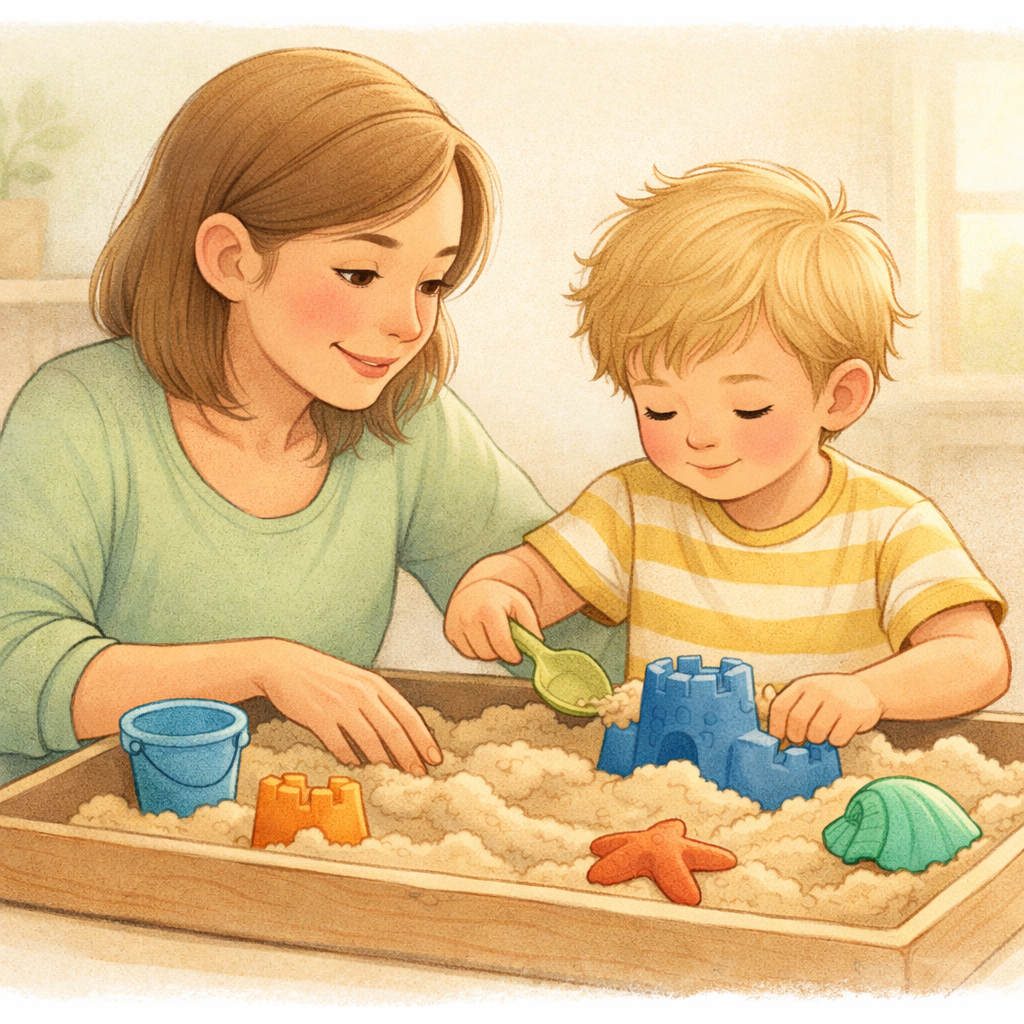
Sensory play is a great way to build communication skills. Engaging in activities with your child creates natural opportunities for interaction and lets you model language by describing actions and sensations.
Many activities also foster social skills like turn-taking, sharing, and listening. For example, making a construction site with shredded paper and toy trucks encourages collaboration and peer play.
These playful moments can support speech therapy goals by making language practice enjoyable and meaningful. Whether counting cotton balls or talking about colors while mixing water, sensory play offers hands-on, integrated learning.
Conclusion
In summary, incorporating sensory activities into the lives of autistic individuals can significantly enhance their growth and development. From messy play to calming sensory bottles, these creative methods not only boost sensory processing but also support emotional regulation and communication skills. The key is to tailor these activities to your child's preferences and needs, ensuring a positive experience. By engaging in sensory play, you create a nurturing environment where learning can thrive.
If you're eager to explore more ways to support your child's journey, get started with our consultation or call daar at 02 9133 2500 and help them flourish through the power of sensory activities.
Frequently Asked Questions
What are some examples of sensory activities that are particularly beneficial for children with autism?
Activities like playing with scented dough, creating sensory bins with rice or water beads, and engaging in messy finger painting are very beneficial. These types of sensory play engage different senses, help build fine motor skills, and allow children with autism spectrum disorder to explore textures in a controlled, fun way.
How can I create a sensory-friendly environment at home for my child?
You can create a sensory-friendly space by reducing overwhelming sensory input, such as dimming bright lights, and providing a quiet corner with calming sensory items. Use household items to create a "sensory kit" with things like fidget toys, a weighted lap pad, and noise-canceling headphones to support sensory integration.
What are the signs that a sensory activity is effective for my child with autism?
Positive signs include increased engagement, smiles, and calm focus during the sensory play. You may also notice improved emotional regulation, better tolerance for different sensory inputs outside of playtime, and advancements in fine or gross motor skills. These indicate the activity is positively affecting their sensory processing.
.svg)




.svg)