
.png?width=48&height=48&name=Group%201%20(3).png)























6 March, 2026

Alternative Screen Time Activities to Keep Kids Active
Key Highlights
- Discover fun activities that help you set screen time limits for young children and encourage more active play.
- Engage your kids in exciting outdoor play, such as treasure hunts and backyard sports, to improve their physical health.
- Boost creativity and motor skills with DIY arts and crafts projects and indoor obstacle courses.
- Strengthen family bonding with classic board game nights, cooking together, and gardening.
- Learn practical tips to motivate your children and make screen-free time a rewarding part of your routine.
- Involve friends and family to enhance social skills through engaging group games and activities.
Introduction
Are you worried about how much screen time your young children are getting? It's a common concern for many parents today. While technology has its benefits, balancing it with other activities is key for healthy development. Reducing time in front of a screen opens up a world of opportunities for physical activity, creative expression, and family connection. This guide is packed with fun, screen-free alternatives that will get your kids moving, thinking, and interacting, all while promoting habits like healthy eating and active living.
Creative Screen-Free Activities to Keep Kids Active
Finding screen-free alternatives doesn't have to be a challenge. This guide introduces a variety of fun activities designed to captivate your young kids and beat boredom. From imaginative outdoor activities to creative indoor projects, there are plenty of ways to keep them entertained without staring at a screen.
These activities are more than just a way to pass the time. They are designed to help develop crucial motor skills, build resilience, and encourage your children to create their own fun. Let’s explore some fantastic ideas that your family will love.
1. Outdoor Treasure Hunts and Nature Walks
Turn an ordinary walk into an adventure with a treasure hunt—an engaging way to get kids exploring outdoors. Plan one in your backyard, at a park, or along a nature trail. Treasure hunts spark curiosity, boost problem-solving skills, and keep children active.
They’re simple and affordable: just prepare a few clues and a small prize. On nature walks, give kids a list of items to find—like unique leaves, rocks, or feathers—to help them notice their surroundings.
Tips to get started:
- Use picture clues for younger kids.
- For nature hunts, ask them to find things like “something smooth,” “a pointy leaf,” or “a funny-shaped rock.”
- Hide a small reward—like a snack or sticker—at the end to celebrate their success.
2. Backyard Sports and Group Games
Your backyard can become the perfect spot for sports and group games. Outdoor play helps kids burn energy, improve coordination, and build social skills. Simple games teach teamwork, friendly competition, and patience—all while having fun outside.
No fancy equipment is needed; most classic backyard games just require a ball and space to run. These activities support gross motor development and suit children of all ages.
Try these backyard ideas:
- Play tag, hide-and-seek, or kickball.
- Use cones or chalk to set up a simple soccer field.
- Organize relay races or a quick game of frisbee.
3. DIY Arts and Crafts Projects
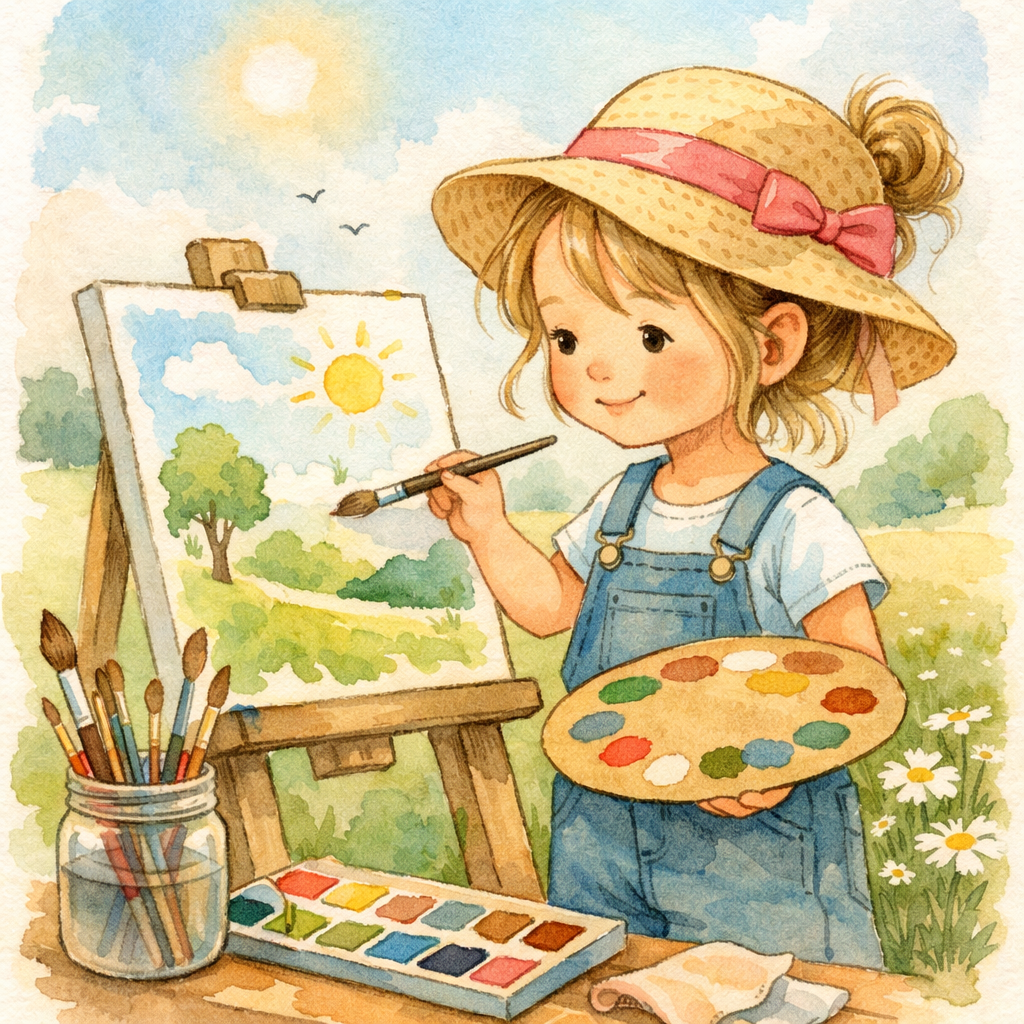
Unleash your child’s creativity with simple DIY arts and crafts. Instead of searching online for ideas, kids can create their own fun using everyday materials. Crafting encourages self-expression and gives children a sense of accomplishment.
Start with household items like old magazines, pipe cleaners, or cardboard boxes. Projects such as making slime, collages, or sculptures are entertaining and help develop fine motor skills.
Try these easy DIY ideas:
- Make hand puppets from old socks.
- Create collages with pictures, fabric scraps, or leaves.
- Build sculptures using recyclable materials like cardboard and plastic bottles.
4. Indoor Obstacle Courses and Movement Challenges
When you're stuck indoors, an obstacle course is one of the most fun activities to get everyone moving. You can easily turn your living room into an adventure zone using pillows, blankets, chairs, and toys. This is a fantastic way for young children to burn off energy, improve their balance, and develop gross motor skills.
The beauty of an indoor obstacle course is that you can customize it based on your child's age and abilities. Create stations where they have to crawl under a table, jump over a line of pillows, or walk along a line of tape on the floor. It encourages problem-solving and physical confidence.
Here are a few ideas for your course:
- Use couch cushions to create things to climb over.
- Have them crawl through a "tunnel" made from a large cardboard box or a blanket draped over two chairs.
- Challenge them to balance on one foot for ten seconds at a designated spot.
5. Family Board Game and Puzzle Nights
Family game night is a great way to unplug and spend quality time together. Board games and jigsaw puzzles strengthen bonds, encourage friendly competition, and teach social skills like patience and sportsmanship.
There’s a game for every age—from simple matching games for toddlers to complex strategy games for teens. Completing a large jigsaw puzzle together is collaborative, relaxing, and rewarding.
Try these favorites:
- For younger kids: Candy Land or Chutes and Ladders
- For older kids and teens: Catan or Ticket to Ride
- Jigsaw puzzles with popular themes like animals or favorite movies
6. Cooking and Baking Together
Gather the family in the kitchen for some hands-on fun. Cooking and baking together is a great alternative to screen time, teaching kids about healthy eating and where food comes from while building lasting memories.
Even young children can help by stirring, washing vegetables, or decorating cupcakes. These activities boost creativity, build vocabulary, and practice measuring skills—with a delicious reward at the end.
Try these easy recipes:
- Bake simple cookies or cupcakes for kids to decorate.
- Make personal pizzas with everyone’s favorite toppings.
- Prepare a colorful fruit salad together.
7. Gardening as a Healthy Hobby for Kids
Gardening is a healthy hobby that gets kids outdoors and connected with nature. It teaches patience, resilience, and gives children a sense of responsibility and accomplishment as they care for plants. Gardening is also a peaceful and rewarding way to play outside.
You don’t need a big yard—a few pots on a windowsill or small backyard patch is enough. Give your child their own space to dig, plant, and water. This hands-on activity helps them learn about plant life cycles and appreciate the environment.
Easy ways to start:
- Choose simple plants like sunflowers, herbs, or cherry tomatoes.
- Assign easy tasks like watering or weeding.
- Let kids decorate their own pot before planting seeds.
8. Science Experiments and Educational Fun
Swap entertainment media for hands-on educational fun with easy science experiments at home. Perfect for curious tweens, these activities can spark a lifelong love of science. Most use common household items to demonstrate basic scientific principles in an exciting way.
Watching a chemical reaction fizz or testing what sinks and floats is highly engaging. These activities build critical thinking, observation, and problem-solving skills—showing kids that learning happens everywhere, not just in school.
Try these simple experiments:
- Build a baking soda and vinegar volcano.
- Make a "rain cloud in a jar" with shaving cream, water, and food coloring.
- Explore magnets by testing which household objects are magnetic.
9. Building Forts and Imaginative Play Spaces
Transform a dull afternoon into an adventure by building forts. This classic activity sparks imagination and lets kids create their own fun—no screens needed. Using blankets, pillows, chairs, and cardboard boxes, children can design secret hideouts for endless stories and games.
Building the fort keeps them engaged for hours and gives them a cozy space to read, draw, or play.
Try these ideas:
- Drape blankets over couches and chairs for a tent-style fort.
- Use large cardboard boxes to build a castle or spaceship.
- Add fairy lights or flashlights for a magical touch.
10. Dance Parties and Music-Based Activities
Get the whole family moving with a spontaneous dance party. Music is a fun way to burn energy, express emotions, and strengthen family bonds—no special skills needed. Just turn up your favorite tunes and let loose for a mood boost and a bit of exercise.
Mix things up with music games like musical statues or lip-sync battles. For quieter moments, try listening to a storytelling podcast together for screen-free entertainment that sparks imagination.
Try these music-based activities:
- Create a family playlist with everyone’s favorite songs for impromptu dancing.
- Play "freeze dance"—dance when the music plays, freeze when it stops.
- Make homemade instruments from pots, pans, or plastic containers.
Encouraging Kids to Choose Screen-Free Fun
Encouraging young children to enjoy screen-free activities can be challenging, but the right approach makes it easier. Make offline options engaging and join in to create positive associations.
Set clear screen time limits and model healthy habits. Focus on building social connections, fostering creativity, and developing resilience through play to help your child discover fun beyond screens. The following sections provide practical strategies to motivate your kids.
Practical Tips for Motivating Children to Try New Activities
Motivating kids to take screen breaks can be tough, especially when they're bored. Involve them by brainstorming activities together—kids are more likely to join in if they help choose. Let them add their own ideas to an "idea box."
Present these activities as special opportunities, not as punishment for too much screen time. Show enthusiasm and join in; this makes it more fun and strengthens your bond while building their social skills.
Tips:
- Lead by example—put away your phone during family time.
- Set regular times for screen-free activities.
- Offer two or three activity choices so they feel in control.
Making Screen-Free Time Appealing and Rewarding
One effective way to reduce entertainment screen time is to make screen-free activities feel rewarding. The reward can be the activity itself or quality time together, not necessarily material prizes. Positive reinforcement helps build healthy habits.
A simple reward system can help set screen time limits. For example, use a chart where kids earn stickers for choosing non-screen activities. Collecting enough stickers could let them choose the weekend family movie.
Try these ideas:
- Create a "fun jar" with activity options; completing one earns a small reward like extra story time.
- Praise their creativity and effort during screen-free play.
- Offer privileges, such as a later bedtime on Friday, for sticking to weekly limits.
Involving Friends and Family for Group Engagement

Activities are more enjoyable when shared. Involving friends and family boosts engagement and makes screen-free time more fun. Group games and collaborative projects build social skills and strengthen connections—a win-win for everyone.
Host a playdate at the park, invite cousins for a board game tournament, or plan a family baking day. These shared experiences foster teamwork, communication, and lasting memories, supporting real-world interaction and family bonding.
Try these group activities:
- Organize a neighborhood scavenger hunt or backyard Olympics.
- Host a potluck with outdoor games.
- Start a family book club to read and discuss together.
Conclusion
In conclusion, alternative activities to screen time boost creativity, physical health, and family bonds. Outdoor games and DIY crafts keep kids active and entertained without screens. Encouraging movement, imaginative play, and family involvement helps nurture a balanced lifestyle. Try these ideas and see your children thrive.
For personalized guidance, reach out for a consultation or call daar at 02 9133 2500.
Frequently Asked Questions
What are some simple indoor activities for kids without screens?
When boredom hits indoors, try fun activities like building a pillow obstacle course, solving a puzzle, having a dance party, or doing arts and crafts. These screen-free options keep kids entertained and engaged.
What are some engaging outdoor activities for kids that limit screen time?
Outdoor activities such as treasure hunts, nature walks, and backyard sports promote physical engagement while limiting screen time. Encourage creativity with DIY projects in the garden or organize family dance parties to keep your kids active and entertained.
What are the benefits of reducing screen time for children's physical and mental health?
Reducing screen time boosts children's physical health by encouraging active play and outdoor activities. It also supports mental well-being, fostering creativity, better sleep, and less anxiety. These benefits promote a balanced lifestyle and strengthen emotional resilience.
.svg)




.svg)