
.png?width=48&height=48&name=Group%201%20(3).png)























13 March, 2026

Fun Activities for Autistic Children: Boost Learning Today
Key Highlights
- Sensory play, such as using sensory bins, is a fun way for autistic children to explore their senses and build new skills.
- Engaging in fun activities like music and movement helps develop gross motor skills and provides a healthy outlet for energy.
- DIY projects like calm-down bottles can support emotional regulation by providing a soothing visual focus. Simple tasks like cooking or art projects improve fine motor skills, language development, and social skills. Many community places and attractions now offer autism-friendly events or sensory-friendly hours, creating welcoming environments for individuals working on emotional regulation, social skills, and other key areas. You can often find local museums, theaters, or play centers that adjust lighting and noise levels, and provide simple tasks to support fine motor skills and visual focus.
- Simple tasks like cooking or art projects improve fine motor skills, language development, and social skills.
- Messy play offers a unique sensory experience that stimulates different textures and supports body awareness.
- Adapting activities to a child's sensory needs is key to creating a supportive and positive learning environment.
Introduction
Finding engaging activities for children on the autism spectrum is a wonderful way to connect with them and support their growth. Play activities tailored to your child’s interests can make learning feel like fun. For children with autism spectrum disorder, who often process the world differently, these experiences are especially powerful. Structured and positive play provides opportunities for your child to explore sensations, feel calm and focused, and get ready to learn new skills in a supportive, enjoyable way.
Understanding the Importance of Engaging Activities for Autistic Children
Engaging your child in meaningful activities boosts overall development and is especially important for children with autism spectrum disorder. For them, play is a key tool for building communication and social skills.
Simple activities at home can support your child’s social, emotional, and cognitive growth. These activities offer unique sensory experiences and help build essential skills in a comfortable environment. The following sections outline specific activities and their benefits.
How Activities Promote Learning and Development
Play powerfully supports learning, especially for autistic children. Well-chosen activities boost cognitive skills like problem-solving and critical thinking. Structured play teaches rule-following, patience, and logical reasoning.
These activities also build social and language abilities. Interactive games and collaborative projects naturally encourage turn-taking, sharing, and understanding social cues. Expressing thoughts during play improves communication and makes social interaction easier.
Play enhances motor skills and emotional regulation as well. Building, drawing, or manipulating objects strengthens fine motor control; physical play develops gross motor skills. Creative and sensory activities help children express emotions healthily, fostering emotional balance and self-awareness.
Factors to Consider When Selecting Activities for Autistic Kids
Selecting the right activities is essential for a positive experience. Focus on your child’s interests—whether it’s dinosaurs or music—to make playtime more engaging. Consider their sensory preferences, as some children seek extra input while others are sensitive to noise or textures. Understanding these needs allows you to create a supportive environment.
Break complex tasks into simple steps to prevent frustration and build confidence.
Practical tips:
- Play to their strengths: Choose activities that match what your child does well, such as puzzles or art.
- Use visual aids: Pictures and diagrams can help visual learners understand tasks more easily.
- Keep instructions simple: Clear directions make it easier for your child to follow along and succeed without feeling overwhelmed.
Sensory Activities for Autism Support
Sensory activities are play experiences designed to provide sensory input and stimulate a child's senses. For children who often have different sensory processing abilities, this type of sensory play is particularly beneficial. It provides structured, positive opportunities to explore different textures and sensations.
These activities can help your child feel calm, focused, and ready to learn new things. From sensory bins filled with various materials to texture boards, these experiences can be adapted to meet each child’s unique sensory needs and preferences, helping them manage sensory information in a safe and supportive way. The next sections will offer some simple ideas for sensory play at home.
Sensory Bin Exploration and Texture Play
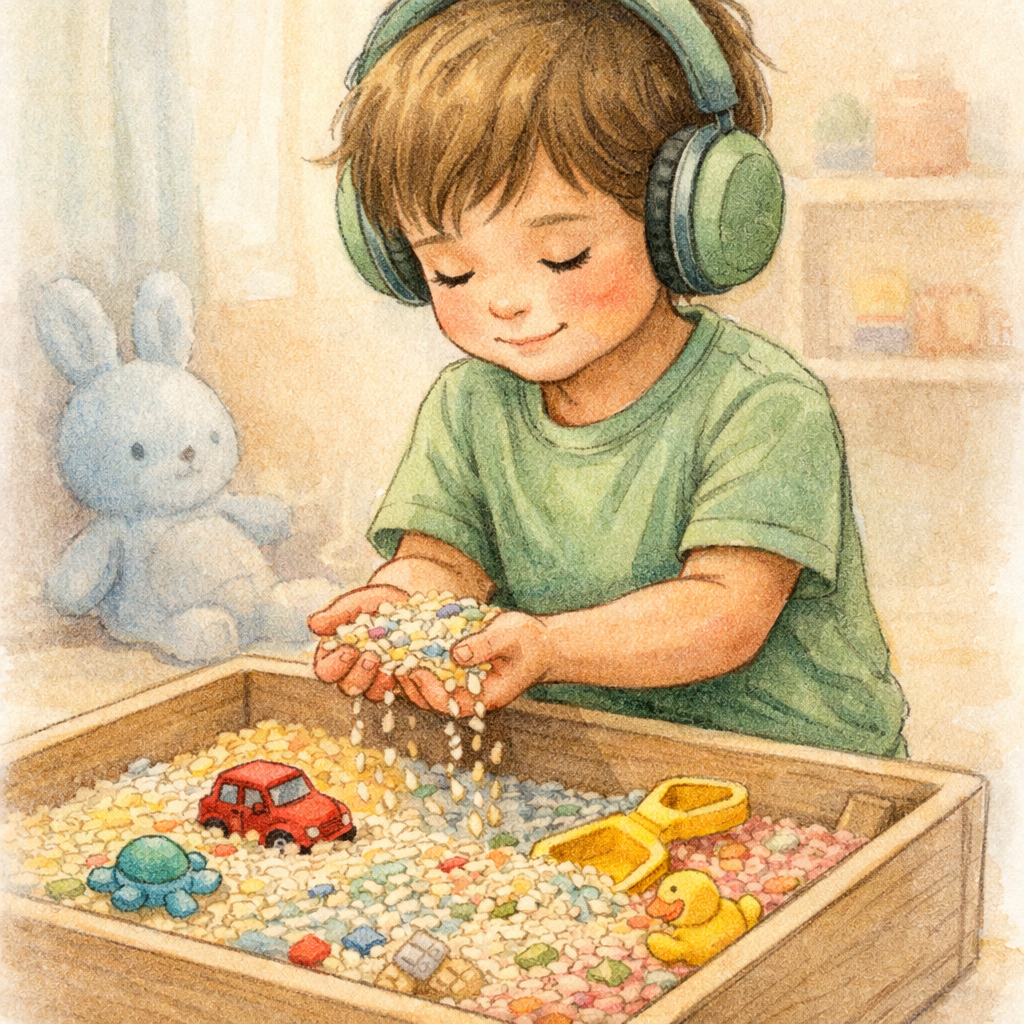
Sensory bins are an easy, effective way to encourage play and exploration. Filled with materials like rice, beans, or water, they let children explore textures and develop fine motor skills through scooping, pouring, and handling items.
Hiding small toys or letters makes sensory play more engaging and boosts focus. Sensory bins offer a controlled way for kids to process new sensations while supporting learning.
Try these simple sensory bin ideas:
- Fill a bin with water, floating toys, cups, and funnels for pouring practice.
- Use sand with shovels and buckets for a beach-themed scooping activity.
- Hide magnetic letters in dry pasta for a fun literacy game that combines learning with sensory play.
Simple DIY Calm-Down and Visual Bottles
Sensory bottles, or calm-down jars, help children manage emotional or sensory overload by providing soothing visual stimulation. Watching the contents swirl and settle can calm and support emotional regulation during stressful times.
Making a sensory bottle at home is simple and fun. Use a clear plastic bottle and household items to create a personalized tool for your child.
Here's how:
- Fill a bottle with warm water, glitter, and food coloring.
- Add clear glue or corn syrup to slow the movement of the contents.
- Drop in small objects like beads or sequins for extra visual interest.
Fun Messy Play Experiences at Home
Messy play offers a rich sensory experience that allows children to explore different textures and materials in a hands-on way. Activities like finger painting or playing with shaving cream provide valuable sensory stimulation and can be either calming or energizing, depending on your child's needs.
This form of sensory play is not just about making a mess; it's a fantastic way to develop body awareness and motor skills. As children engage with these materials, they are also building creativity and learning to express themselves in a fun, low-pressure environment. The following sections offer ideas for safe and creative messy play.
Safe and Creative Messy Play Ideas
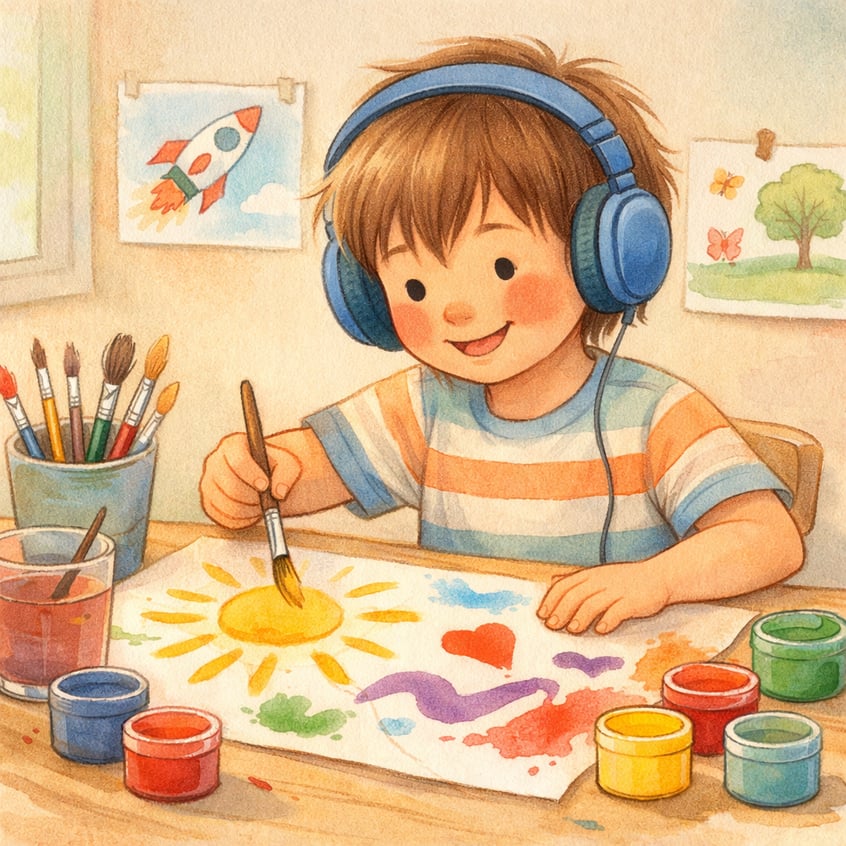
Creating safe, creative, messy play at home is simple. These activities promote exploration and can be tailored to your child's comfort. For example, finger painting is a classic that supports fine motor skills and creativity while being calming or stimulating.
Water play is another easy, calming sensory activity. Use a tub, sink, or water table, and add items like water beads for texture or cups for pouring to boost coordination. Always supervise water play for safety.
Try these ideas:
- Add bubbles, floating toys, or sponges to water for an easy setup.
- Mix food coloring into shaving cream for a colorful sensory activity.
- Use play dough with cookie cutters and plastic utensils to practice shaping and cutting.
Tips for Setting Up a Mess-Free, Sensory-Friendly Space
While messy play is beneficial, cleanup can be challenging. Set up a designated, sensory-friendly area—like a tiled floor or outdoor space—to contain the mess and make play more enjoyable.
Consider your child’s sensory preferences. If they have sensitivities, introduce new textures gradually. Use positive reinforcement to encourage exploration at their own pace.
Tips for a cleaner experience:
- Cover floors with a plastic tablecloth or old sheet.
- Dress your child in an art smock or old clothes.
- Keep wipes and towels nearby for easy cleanup.
Learning Through Play: Boosting Skills with Everyday Activities
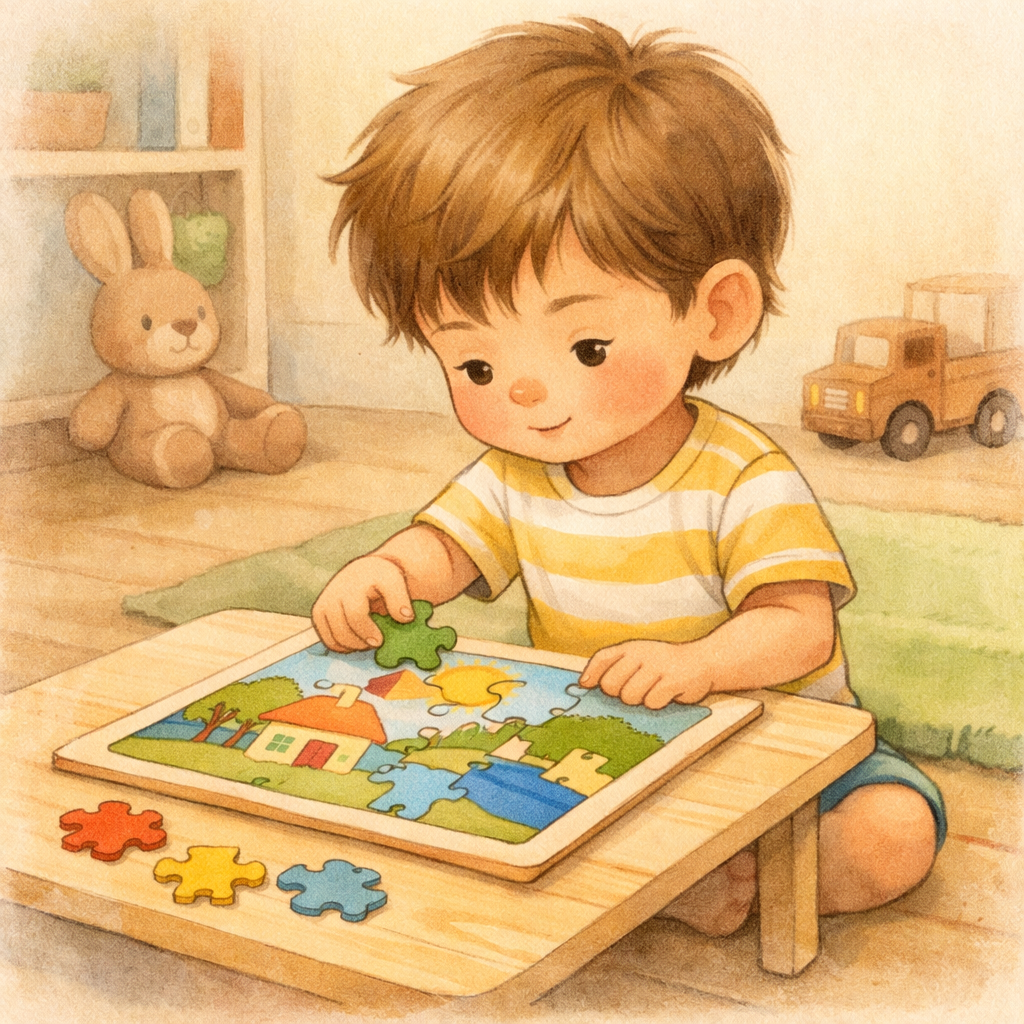
Play activities are not just for fun; they are a powerful tool for building essential life skills. Everyday activities can be transformed into learning opportunities that enhance communication skills, motor skills, and social interaction. This approach helps children develop critical thinking in a natural and engaging setting.
By incorporating play into daily routines, you can support your child's development in a way that feels comfortable and enjoyable. Whether through music, art, or simple household tasks, these playful moments build confidence and foster growth. The next sections highlight specific activities that boost cognitive and social development.
Music and Movement for Cognitive and Social Growth
Incorporating music and movement is an excellent way to engage autistic children. These activities are fantastic for boosting gross motor skills, improving body awareness, and providing a healthy outlet for energy. Music therapy often uses rhythm and melody to support language development in a fun, interactive manner.
Encouraging your child to dance, stretch, or march to different songs creates a joyful experience that also improves coordination. When done with others, these activities build social skills like turn-taking and interaction, helping to strengthen communication skills.
Try these music and movement ideas:
- Play "freeze dance" or musical chairs to practice listening and following directions.
- Use simple instruments like shakers or drums to explore rhythm and sound.
- Sing songs with actions, like "Head, Shoulders, Knees, and Toes," to improve memory and coordination.
Art Projects That Encourage Expression and Focus
Art projects offer a wonderful way for children to express themselves and improve their focus. Activities like drawing, painting, or making collages can be tailored to a child's interests and sensory preferences, providing a controlled sensory experience. These projects also help strengthen fine motor skills as children use brushes, crayons, or scissors.
Using visual aids like picture cards or picture books can provide inspiration and structure, making the creative process more accessible. Art becomes a valuable outlet for emotional expression, allowing children to communicate ideas and feelings beyond words.
Here are some art project ideas to get you started:
- Create a collage using textured materials like fabric, sandpaper, and cotton balls.
- Engage in watercolor painting for a less messy but visually stimulating experience.
- Use play dough with various tools to squeeze, roll, and shape, which strengthens hand muscles.
Classroom and Group Activities for Autistic Children
Classroom and group activities provide valuable opportunities for autistic children to practice social skills in a structured and supportive environment. Participating in group settings helps them learn to navigate social situations, take turns, and improve their communication skills. Structure is key to making these experiences successful.
Techniques from behavior analysis, such as providing clear instructions and positive reinforcement, can help children feel more comfortable and engaged. The goal is to create a setting where they can build confidence and interact with peers in a positive way. The following sections will explore specific strategies and games that work well in group settings.
Structure and Adaptations That Benefit Learners
Structure and thoughtful adaptations are crucial for helping autistic learners succeed in a classroom. Clear routines and predictable schedules reduce anxiety and help children understand what is expected of them. Visual aids, such as picture schedules or written instructions, are powerful tools that make abstract concepts more concrete.
Many of these strategies are rooted in principles of ABA therapy and behavior analysis, which focus on breaking down tasks into manageable steps and using reinforcement to encourage progress. For example, providing individual sensory bins at desks can help a child who needs extra sensory input to stay focused.
Here is a comparison of different classroom adaptations:
|
Adaptation |
How It Helps |
|---|---|
|
Visual Schedules |
Provides a clear, predictable sequence of daily activities, reducing anxiety about transitions. |
|
Noise-Canceling Headphones |
Allows sound-sensitive students to manage auditory input and focus during lessons. |
|
Individual Sensory Bins |
Offers discreet sensory input at a student's desk, helping with self-regulation and focus. |
|
Discreet Fidget Toys |
Gives students a quiet way to manage excess energy or anxiety, improving attention during lessons. |
|
"Sensory Break Zone" |
Designates a calming space for students to go when feeling overwhelmed, supporting emotional regulation. |
Collaborative Games and Turn-Taking Exercises
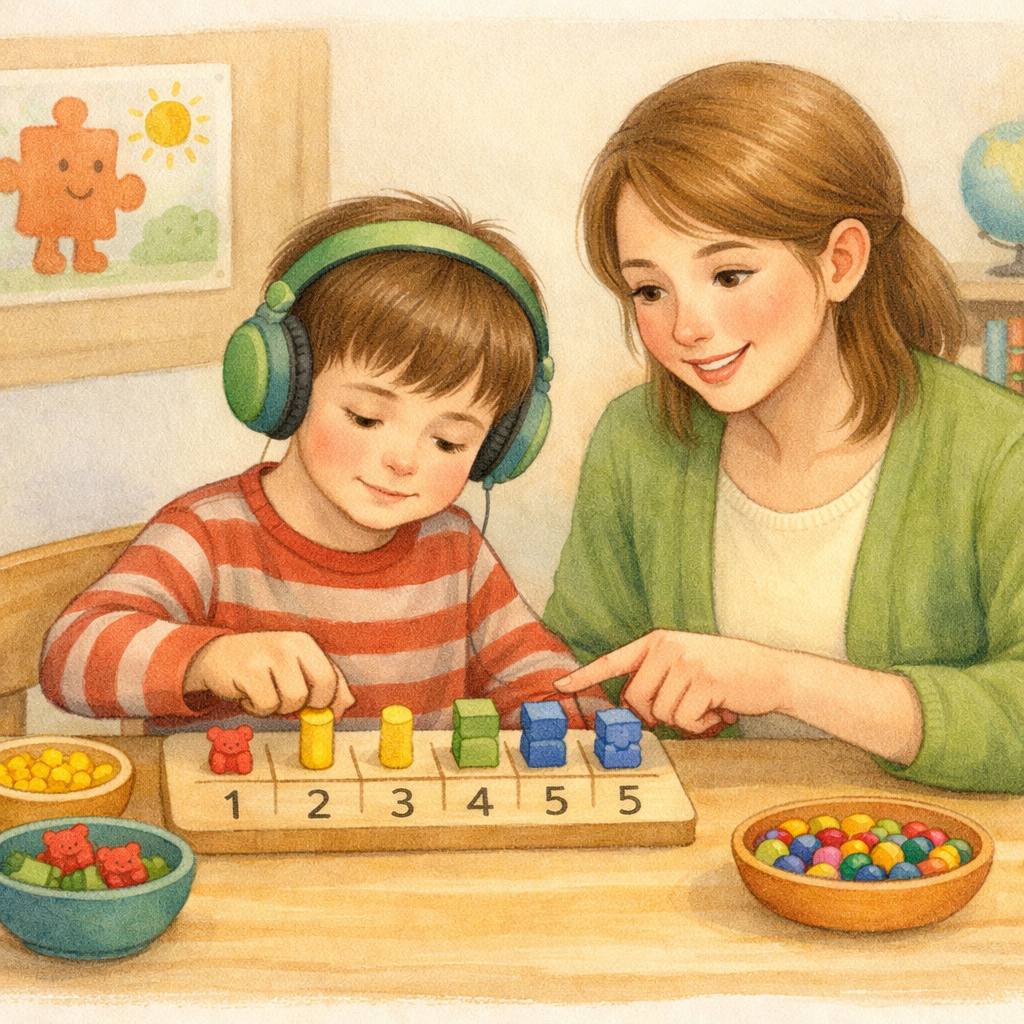
Collaborative games and turn-taking exercises are excellent for building social skills in a fun and structured way. These play activities teach the natural back-and-forth of social interaction, making the abstract concept of turn-taking more concrete and understandable. Simple board games are a great starting point.
These games provide a predictable framework for practicing social skills and communication skills with peers. The clear rules and defined turns help reduce the uncertainty that can make social situations challenging for autistic children.
Here are some collaborative game ideas:
- Simple board games with clear rules help children practice waiting for their turn and following directions.
- Building a tower together with blocks encourages teamwork and shared goals.
- Playing games like "Simon Says" or rolling a ball back and forth reinforces listening and reciprocal interaction.
Conclusion
In summary, engaging activities play a crucial role in promoting learning and development for autistic children. By selecting the right sensory experiences, messy play opportunities, and group activities, you can create an enriching environment that fosters growth and joy. Remember to tailor these activities to suit your child's unique preferences and needs, ensuring they feel comfortable and encouraged to explore. The key is to embrace creativity and flexibility, which will not only enhance their skills but also deepen your connection with them.
If you're looking for more personalized guidance or ideas, feel free to reach out for a consultation or call daar at 02 9133 2500!
Frequently Asked Questions
What are some simple sensory activities for autism support?
Simple sensory activities include creating sensory bins with materials like rice or water beads to explore different textures. You can also make DIY sensory bottles with glitter and water for calming visual sensory input. This type of sensory play is a great way to help children process sensations in a controlled environment.
Which virtual activities are suitable for autistic children?
Virtual activities like interactive storybooks, digital finger-painting apps, and calming building games are suitable fun activities. These play activities often use strong visual aids and can be tailored to a child’s interests. They provide a structured way to build skills, and some can even support communication skills by prompting interaction.
How do I choose extracurricular activities for autistic kids in Australia?
When choosing extracurricular activities, prioritize your child’s interests and sensory preferences. Look for programs that offer a supportive environment with instructors experienced in working with autistic children. Activities that build social skills in a structured way, like small group art classes or specialized sports programs, are often a great fit.
.svg)




.svg)