
.png?width=48&height=48&name=Group%201%20(3).png)























11 June, 2026

The Hidden Risks of Excessive Use of Gadgets Today

Key Highlights
- Excessive gadget use can affect your body, mood, sleep, and daily routine.
- Too much screen time often reduces physical activities and face-to-face social interactions.
- Heavy use of electronic devices may raise the risk of eye strain, poor posture, and sleep problems.
- In children, unhealthy gadget use can interfere with child development, learning, and communication.
- Some young people show signs of screen addiction or problematic internet use.
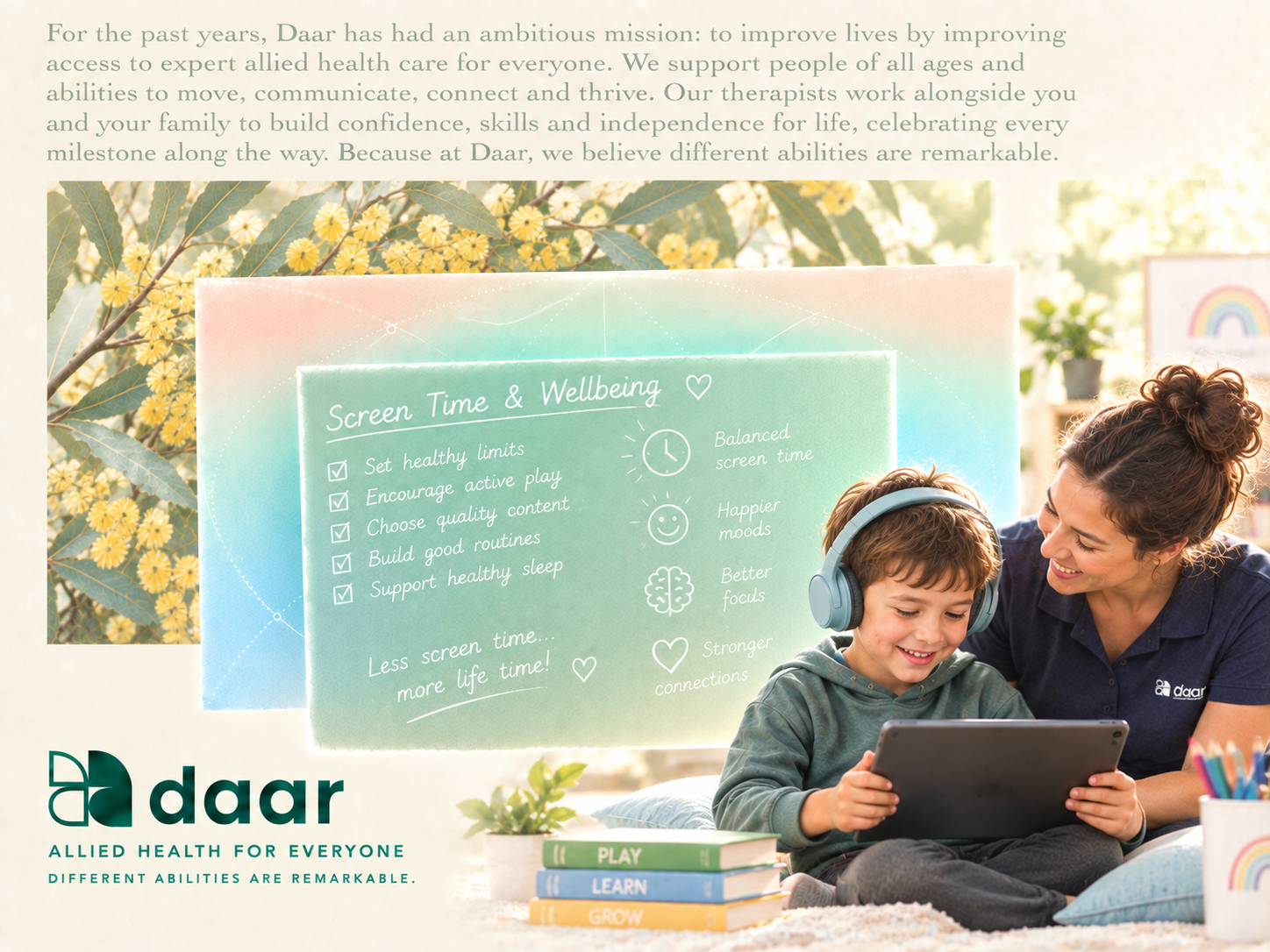
- Clear limits, family routines, and healthy screen habits can reduce negative effects.
Introduction
We live in a world where electronic devices are always within reach. Phones, tablets, laptops, and game consoles shape how you work, learn, relax, and connect. Still, frequent gadget use can have real downsides when it crowds out sleep, movement, and in-person connection. Concerns are growing around mental health, especially for children and teens. Understanding where normal use ends and harmful overuse begins is the first step toward making healthier choices.
Main Health Effects Linked to Excessive Gadget Use
The main health effects of excessive gadget use include physical strain and emotional stress. When screen time climbs, you may notice tired eyes, neck or shoulder pain, sleep disruption, and less movement during the day. Over time, these negative consequences can affect how you feel and function.
There is also a strong link between heavy screen use and mental health issues such as anxiety, low mood, and social withdrawal. When devices replace physical activities, rest, and real conversations, balance becomes harder to maintain. The next sections break down these effects more clearly.
Physical Impacts: Eye Strain, Posture, Sleep Disturbances
One of the most common problems tied to excessive screen time is eye strain. Looking at phones, tablets, or computers for long periods can leave your eyes dry, blurry, or tired. Headaches may also follow, especially when breaks are rare.
Then there is posture. Many people bend over screens without noticing it. That habit can lead to neck pain, shoulder tension, and muscle strain. Long sessions with video games or scrolling on cell phones often keep your body still in awkward positions for too long.
Sleep disturbances are another major issue. Screen use before bed can delay sleepiness and make your brain feel alert when it should be winding down. Bright screens, stimulating content, and late-night gaming can all cut into rest. Poor sleep then affects mood, focus, and energy the next day.
Mental and Emotional Wellbeing Concerns
Excessive gadget use can weigh on mental health in quiet ways at first. You may feel more stressed, more irritable, or less satisfied after spending long periods online. For some people, screens become a way to escape boredom, sadness, or pressure.
At the same time, heavy social media use has been linked with anxiety disorders, low self-esteem, and depressive symptoms. Constant updates, comparison, and fear of missing out can increase emotional strain. This matters even more when talking about adolescent mental health, since teens are still building coping skills.
Not every screen experience is harmful, but the negative effects grow when online time replaces rest, hobbies, or supportive relationships. If your mood changes, your child becomes withdrawn, or everyday life starts to revolve around devices, it may be time to reassess screen habits.
Increased Risk of Screen Addiction
Screen addiction is often used as a general term for a compulsive need to keep using devices despite harm. In practice, concerns usually involve unhealthy screen time, gadget addiction, or problematic internet use that disrupts daily life. It becomes more serious when use continues even after clear problems appear.
You might notice symptoms such as irritability when a device is removed, hiding the amount of time spent online, or losing interest in offline activities. Some children and teens neglect homework, chores, meals, or sleep because they cannot step away from screens.
Internet gaming disorder is one example that causes major distress or functional impairment. So yes, screen addiction concerns are real, especially when control is lost. When use damages relationships, school, health, or mood, professional help may be worth considering.
How Excessive Use of Gadgets Impacts Child Development
Child development depends on movement, talk, play, and shared experiences. When young children spend too much time with screens, they may miss chances to practice these essential skills. That matters because early years shape communication, behaviour, and emotional growth.
As gadget use increases at younger ages, concerns grow around learning, attention, and social interactions. A child who spends much time on devices may have less time for free play, family routines, and real-world exploration. The next sections look at these developmental areas more closely.
Effects on Social Skills and Communication
Children build social skills through back-and-forth conversation, shared play, and reading faces in real time. When screens take over large parts of the day, those natural moments can shrink. A child may become more comfortable with a device than with direct communication.
This can be especially challenging when social media use or social networking starts replacing in-person contact. Online contact may feel easier, but it does not always teach tone, patience, or active listening. Over time, that gap can feed social isolation and make face-to-face interaction feel harder.
Watch for signs such as:
- preferring screens over talking with family or friends
- trouble holding eye contact or joining conversations
- choosing online exchanges instead of real-world play
These patterns do not mean damage is permanent, but they do show why balanced screen use matters for healthy communication.
Learning, Attention, and School Performance
Yes, excessive gadget use can hinder school performance. When electronic devices pull attention away from lessons, homework, or reading, learning becomes less steady. Children may start tasks and quickly switch to games, videos, or messages instead of finishing what they need to do.
Over time, this pattern can lower academic performance. A child may struggle with focus, forget assignments, or rush through work. Sleep loss from late-night screen use can make attention even worse during class. Small habits often build into larger school performance problems.
Here is a simple breakdown:
|
Area |
Possible Effect of Excessive Gadget Use |
|---|---|
|
Attention |
Frequent distraction and trouble staying on task |
|
Learning |
Less deep focus and weaker follow-through |
|
Homework |
Delays, avoidance, or incomplete work |
|
School performance |
Lower grades and more classroom fatigue |
When these signs appear often, families may need firmer routines and healthier limits.
Emotional Growth and Behavioural Patterns
Emotional growth happens through practice. Children learn to wait, cope with frustration, and manage boredom when they move through everyday situations without constant digital entertainment. At a young age, too much screen exposure can interrupt those learning moments.
You may notice behavioural patterns such as irritability when devices are removed, mood swings, or a strong need for constant stimulation. Some children start using screens to avoid sadness, stress, or boredom instead of learning healthier ways to respond. That can shape behaviour over time.
These concerns also connect with adolescent mental health. Teens may appear withdrawn, reactive, or overly dependent on online feedback. Healthy screen use helps protect emotional development by making room for conversation, play, sleep, and routines that support self-control and resilience.
Dangers of Spending Too Much Time on Electronic Devices
Spending too much time on electronic devices can affect more than comfort or convenience. The dangers include sleep loss, physical inactivity, emotional strain, and growing dependence on screens. In some cases, screen use becomes hard to control and starts interfering with normal responsibilities.
The risks rise when device habits replace schoolwork, social connection, exercise, or rest. Problematic internet use may also affect mood, family life, and daily structure. To understand these dangers better, it helps to look at social media, productivity, and relationships one by one.
Negative Effects of Social Media Addiction
Social media addiction can make screen time feel endless. A person may keep checking updates, messages, or short videos even when they want to stop. Because social networking platforms are highly stimulating, they can pull attention back again and again throughout the day.
The negative effects often show up in mood and routine. Social comparison, fear of missing out, and constant alerts can increase stress. For some people, this pattern sits alongside mental health conditions such as anxiety or depression, making everyday balance harder.
Common warning signs include:
- checking apps compulsively during work, school, or family time
- feeling anxious, irritable, or low without access to social media
- losing interest in offline hobbies or friendships
When social media starts controlling attention and emotions, it is no longer just casual use. It becomes a pattern worth addressing early.
Impacts on Productivity at Work and School
Excessive gadget use can clearly hinder progress in both work and school. When the amount of time spent checking phones, gaming, or browsing keeps breaking concentration, tasks take longer, and mistakes become more common. What looks like multitasking is often repeated interruption.
At school, students may miss deadlines, rush assignments, or struggle to stay focused in class. At work, constant device checking can lower productivity and reduce the quality of attention given to meetings, planning, or problem-solving. Even short distractions add up over the day.
The biggest concern is functional impairment. That means screen habits are no longer just annoying; they are getting in the way of performance. If device use keeps harming results, routines, or responsibilities, it may help to set stronger limits and consider individual counseling or other support.
Isolation and Relationship Challenges
One of the less obvious dangers of overusing screens is what it does to connection. You can be online all day and still feel alone. When screens replace real conversation, social isolation can grow, even inside a busy home.
Family members often feel this shift first. Meals become quiet, shared routines fade, and quality time gets interrupted by constant checking. Social relationships may weaken when people are physically present but mentally elsewhere. Children and teens can also start choosing devices over friendships or family activities.
This may look like:
- less talking during meals or family outings
- fewer in-person social activities with friends
- more conflict at home about devices and attention
Strong relationships need time, presence, and listening. When screens take over those spaces, closeness can slowly wear down.
Conclusion
In conclusion, while gadgets have become an integral part of our daily lives, it is essential to recognise the hidden risks associated with their excessive use. From physical ailments like eye strain and disrupted sleep to significant effects on mental health and child development, the impacts are profound. By being mindful of our gadget usage and setting healthy boundaries, we can mitigate these risks and promote a balanced lifestyle. Remember to take breaks, engage in offline activities, and encourage meaningful connections with those around you. Your well-being is worth prioritising. If you’re ready to take a step towards a healthier relationship with technology, consider consulting a professional for guidance.
Reach out for a consultation or call daar at 02 9133 2500 for expert guidance tailored to your child’s needs.
Frequently Asked Questions
Is screen addiction a real condition and what are its symptoms?
Screen addiction is a commonly used term for unhealthy device use that involves a compulsive need to stay on screens despite harm. Warning signs include irritability without devices, loss of control, and functional impairment at school, home, or work. If mental health or daily life is affected, professional help may be needed.
How common is gadget overuse among children in Australia?
Gadget use is rising at younger ages in Australia, and many young people now spend large amounts of time on screens each day. The compiled information notes strong concern in Australia, while similar patterns are also discussed in the United States literature and on sources like Google Scholar.
Can excessive gadget use hinder academic or workplace performance?
Yes. Excessive screen time can reduce focus, delay task completion, and harm academic performance or work results. It may also affect impulse control, especially in children and teens. If routines keep breaking down, individual counseling can help alongside stronger boundaries and healthy screen use practices.
.svg)




.svg)