
.png?width=48&height=48&name=Group%201%20(3).png)























6 February, 2026

Why Are Kids Angry When Gadgets Are Taken Away? Understanding the Meltdown and Finding Solutions
Introduction
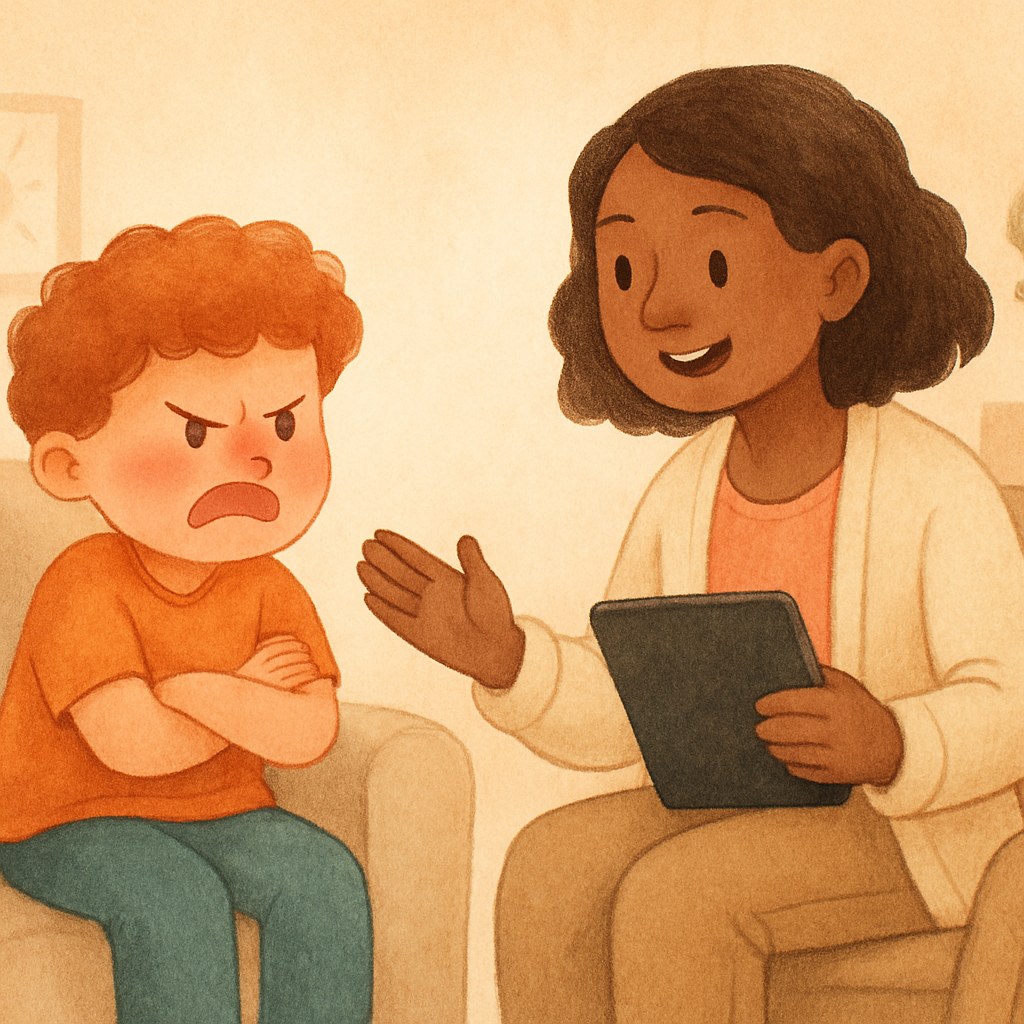
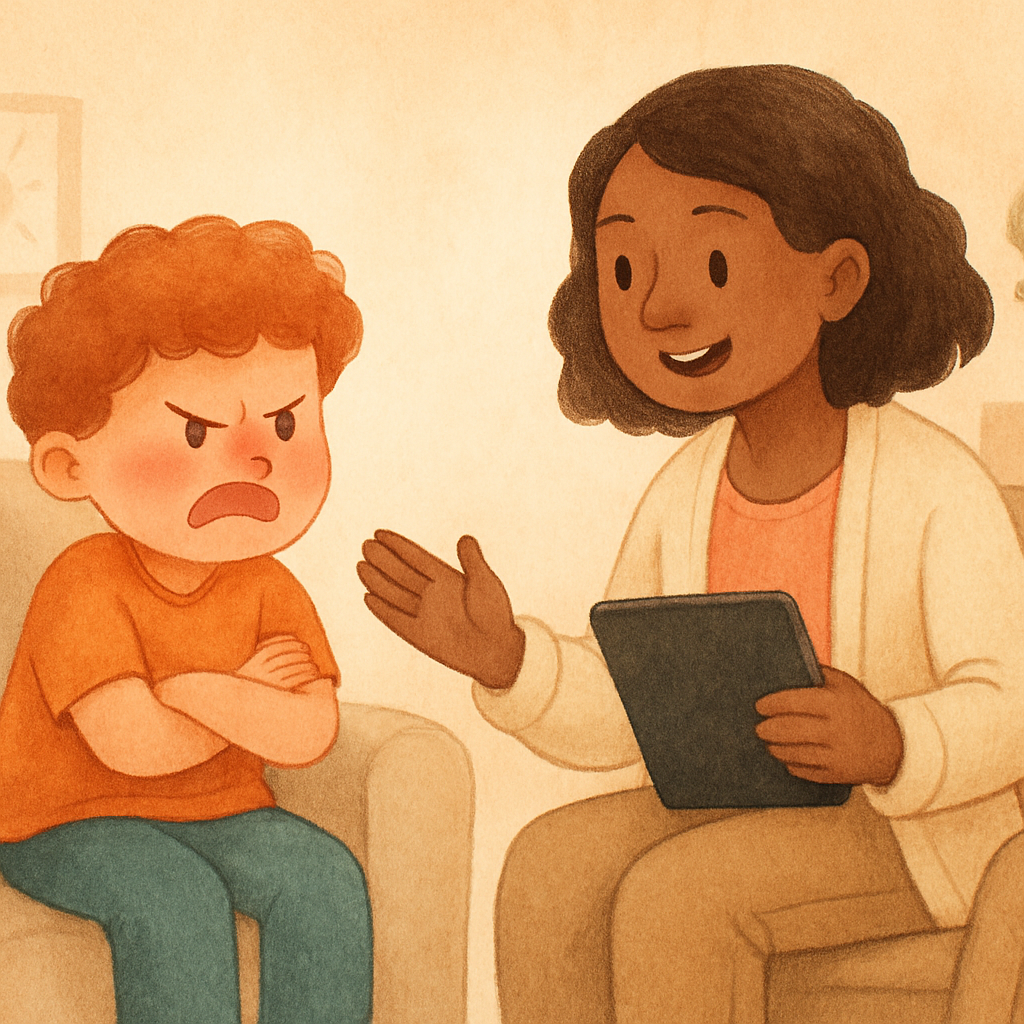
It is a scenario familiar to modern parents everywhere: The timer goes off, you ask your child to hand over the tablet, and suddenly, the atmosphere shifts. What follows is often screaming, crying, or even aggression. If you find your kids angry when gadgets are taken away, you are not alone.
In today’s digital age, screens are ubiquitous, but they can also become a source of significant conflict. The transition from the high-dopamine world of gaming and videos to the "boring" real world can trigger intense emotional reactions, often referred to as device withdrawal tantrums.
This article explores the psychology behind these reactions and offers actionable solutions. We will delve into behaviour therapy techniques, excessive gadget use therapy, and practical screen use behavior modification strategies to help your family regain control and foster healthier digital habits.
The Science Behind the Scream: Causes of Device Withdrawal Tantrums
To manage the behavior, we must first understand the trigger. Why does a simple request to turn off the TV result in such an explosive reaction?
The Dopamine Drop
Video games and social media platforms are designed to be addictive. They provide a constant stream of dopamine—the "feel-good" neurotransmitter. When a device is removed, dopamine levels drop sharply. This physiological crash can feel physically uncomfortable for a child, leading to irritability and anger.
Difficulty with Transitions
Children, especially those who are younger or neurodivergent, often struggle with transitioning between tasks. Moving from a highly engaging, interactive environment to a passive or demanding one (like doing homework or eating dinner) requires cognitive flexibility that many children are still developing.
Lack of Emotional Regulation
Screens often act as a digital pacifier. If a child uses a tablet to soothe themselves whenever they are bored or upset, they miss out on developing internal coping mechanisms. Consequently, when the device is gone, they lack the skills to manage their emotions.
The Psychological Impact of Excessive Screen Use
While technology has benefits, unmonitored consumption can lead to behavioral shifts. Excessive gadget use therapy often addresses the following impacts:
- Impulsivity: Fast-paced games can condition the brain to expect instant gratification, making real-world patience difficult.
- Social Withdrawal: Preferring virtual interactions over face-to-face play can stunt social skills development.
- Sleep Disruption: Blue light and overstimulation can ruin sleep quality, leading to crankiness and lower frustration tolerance the next day.
How Behaviour Therapy Helps Manage Screen-Related Anger
When "just taking it away" doesn't work, behaviour therapy offers a structured approach. This form of therapy focuses on reinforcing positive behaviors and reducing negative ones through consistent consequences and rewards.
Identifying Triggers
A behavioral therapist helps parents identify what specifically triggers the meltdown. Is it the loss of the game? The transition to a specific activity (like chores)? Or is it fatigue?
Replacement Behaviors
Therapy focuses on teaching the child what to do instead of just what not to do. This might involve teaching deep breathing techniques or having a "transition object" (like a stress ball) to hold when the iPad is turned off.
Excessive Gadget Use Therapy Techniques
Professionals utilize specific techniques to address the dependency on screens. These methods are designed to gently wean the brain off the high-stimulation loop.
1. The Gradual Desensitization Approach
Instead of going "cold turkey," which can cause severe device withdrawal tantrums, this method involves slowly reducing screen time by 10-15 minutes every few days. This allows the child’s brain to adapt to lower levels of stimulation gradually.
2. Cognitive Restructuring
For older children, therapy involves talking through their feelings. Helping a child realize, "I feel angry because I want to keep playing, but I can handle this feeling," is a crucial step in emotional maturity.
Screen Use Behavior Modification Strategies
You can implement screen use behavior modification at home to create a more balanced environment.
The "Grandma’s Rule" (Premack Principle)
This psychological principle states that a high-probability behavior (screen time) should be contingent on a low-probability behavior (chores/homework).
- Incorrect: "You can play for an hour, but then you have to do homework."
- Correct: "Once your homework is done, you earn your screen time."
Visual Timers and Warnings
Sudden interruptions cause anxiety. Use a visual timer so the child can see time passing. Give verbal warnings at 10 minutes, 5 minutes, and 1 minute. This prepares their brain for the transition.
The "Save Game" Protocol
Often, kids scream because they are about to lose progress. Implement a rule where you ask, "Do you need 2 minutes to save your game?" before the device goes off. This shows respect for their effort and reduces friction.
Screen Time Control Therapy Methods for Parents
Screen time control therapy isn't just for kids; it’s about coaching parents on how to enforce boundaries without escalating conflict.
Consistency is Key
If you give in to a tantrum once, you teach the child that screaming works. You must be firm but calm. "I know you are upset, but the time is up. We can try again tomorrow."
Create Tech-Free Zones
Establish areas of the home where screens are never allowed, such as the dining table and bedrooms. This creates physical boundaries that help regulate usage naturally.
Model Healthy Habits
If you are on your phone while telling your child to get off theirs, the message is lost. Parents must model the behavior they wish to see.
Practical Tips for Reducing Tantrums Without Punishment
Punishment often breeds resentment. Instead, try these positive reinforcement strategies:
- The Token Economy: Create a jar where the child earns tokens for handing over the device calmly. These tokens can be exchanged for non-screen rewards (like a park trip or a favorite snack).
- Post-Screen Activity Planning: Have a fun, non-screen activity ready immediately after screen time ends. "Tablet off, let's go bake cookies!" bridges the gap between the digital and physical world.
- Empathize, Don't Argue: When the meltdown starts, validate their feelings. "I know it's really hard to stop playing when you're having fun." Validation de-escalates the fight-or-flight response.
Conclusion
Dealing with kids angry when gadgets are taken away is a modern parenting hurdle, but it is one you can overcome. By understanding the physiological effects of screens and implementing screen use behavior modification, you can reduce device withdrawal tantrums and restore peace to your home.
Remember, the goal isn't to ban technology, but to help your child develop a healthy relationship with it. Whether through home strategies or professional screen time control therapy, consistency and empathy are your best tools.
If your family is struggling with severe tantrums or screen dependency, don't hesitate to reach out for consultation or call daar at 02 9133 2500 for help.
Frequently Asked Questions
Why are my kids angry when gadgets are taken away, even if they only played for a short time?
It is often about the intensity of the stimulation rather than the duration. Even 20 minutes of a high-speed game can spike dopamine. When that stops abruptly, the drop in mood can cause irritability regardless of how long they played.
What is the best way to handle device withdrawal tantrums in public?
Preparation is key. Set clear expectations before you hand over the device ("You can watch this for 10 minutes, then we are putting it away"). If a tantrum occurs, stay calm, remove the child to a quiet area if possible, and do not negotiate or give the device back to stop the crying.
Can behaviour therapy really help with screen addiction?
Yes. Behaviour therapy is highly effective because it addresses the underlying patterns of reinforcement. It equips both the child and the parent with tools to manage emotional regulation and set healthy boundaries.
.svg)




.svg)