
.png?width=48&height=48&name=Group%201%20(3).png)























2 April, 2026

Addressing Excessive Use of Gadgets with Healthy Limits
Key Highlights
Here are the key takeaways from our discussion on managing gadget use:
- Excessive screen time in children is linked to negative impacts on mental health, academic performance, and can cause physical symptoms.
- Recognizing behavioral warning signs like loss of interest in other activities and emotional changes is crucial for early intervention.
- Setting healthy limits on digital media use and establishing clear family rules can help manage the amount of time spent on screens.
- Encouraging offline hobbies and social interactions helps children find a healthy balance.
- Excessive internet use can lead to withdrawal symptoms similar to other addictions when devices are removed.
Introduction
In today's digital world, electronic devices are everywhere. From tablets to smartphones, children are interacting with screens more than ever before. While technology can be a great tool for learning and connection, it's easy for media use to become excessive. This raises concerns for many parents about the potential negative effects of too much screen time on their child's development and well-being. This article will help you understand the signs of gadget overuse and provide strategies for setting healthy boundaries.
Signs and Symptoms of Gadget Addiction
Is your child spending too much time on devices? It can be tough to spot the difference between normal use and a problem. Gadget addiction often means a compulsive need for screens, even when it causes issues elsewhere—like losing interest in offline hobbies or family time.
Watch for signs such as preoccupation with video games or social media, behavioral changes, or trouble managing emotions. If screen time starts interfering with schoolwork or chores, it may be cause for concern. Here are some warning signs to look out for.
Behavioral warning signs parents should notice
A significant change in your child's behavior may signal problematic screen use. If devices negatively affect daily life, it's a red flag. Your child might become unusually aggressive or angry when asked to stop, a common warning sign.
Technology preoccupation can lead to neglecting important areas, such as schoolwork and relationships. You may notice declining grades, choosing gaming over homework, or favoring social media over real-life interactions.
Watch for these behavioral changes:
- Drop in grades or difficulty with schoolwork
- Loss of interest in favorite activities
- Preferring online time to family or friends
- Hiding true screen time from family
- Ignoring hygiene or skipping meals to stay online
Emotional changes linked to technology addiction
Excessive technology use can impact your child's emotions, often leading to struggles with emotional regulation. Children may become irritable, anxious, or moody when deprived of their devices, using screens as a coping mechanism for negative feelings and hindering healthy emotional development.
High screen time is linked to increased mental health risks. Studies show heavy social media use correlates with depressive symptoms in young people. Social media fosters constant comparison and FOMO, lowering self-esteem and increasing loneliness.
This creates a cycle: children turn to digital media for relief when feeling down, but it worsens their mental health over time. Reduced face-to-face interactions further isolate them, making it harder to build real-world relationships.
Withdrawal symptoms when gadgets are removed
When you try to limit your child's access to their gadgets, you may observe reactions that seem surprisingly intense. These can be withdrawal symptoms, similar to what is seen in other forms of addiction, like drug addiction or phone addiction. The child may become extremely anxious, irritable, or angry when their screen time is restricted.
This reaction stems from a psychological dependence on the device. The constant stimulation from the internet and apps can create a cycle of compulsive use. When that stimulation is taken away, the brain and body react. You might notice your child seems restless or unable to find enjoyment in other activities for a period.
Common withdrawal symptoms can include:
- Feelings of sadness, anger, or irritability when not able to use a device.
- Increased anxiety or restlessness.
- Constantly asking about when they can have their gadget back. This highlights how deep an internet addiction can become, affecting a child's mood and creating significant behavioral problems when the amount of time they spend online is curtailed.
Effects of Excessive Gadget Use
The negative consequences of excessive screen time are wide-ranging, affecting nearly every aspect of a child's life. From their mental well-being to their physical health, spending too much time in front of a screen can lead to significant challenges. It's not just about the hours logged; it's about how that time displaces other vital activities like sleep, exercise, and real-world social interaction.
These effects can create a domino effect, where poor sleep leads to trouble at school, and a lack of physical activity contributes to health issues. We will now look more closely at the specific impacts on mental health, the physical risks involved, and how excessive screen use influences academic performance.
Impact on mental health and emotional well-being
Excessive gadget use makes children especially vulnerable to mental health issues. Studies link high screen time—especially for entertainment and social media—to increased risks of depression and anxiety in young people.
Social media often encourages unhealthy comparisons, lowering self-esteem and fueling feelings of inadequacy. The constant pressure to stay connected can add stress, making it harder for children to regulate their emotions.
Heavy screen use also reduces time spent on activities vital for mental health, such as in-person socializing, outdoor play, and quiet reflection. As a result, children may feel lonely and isolated despite being digitally connected.
Physical health risks of prolonged screen exposure
Spending hours in front of a screen doesn't just affect the mind; it also carries significant physical health risks. One of the most immediate issues is eye strain. The blue light emitted from screens and the constant focus required can lead to a condition known as digital eye strain or computer vision syndrome.
Symptoms of this can be quite uncomfortable and disrupt daily activities. People who use screens for two or more hours continuously are at the greatest risk. Beyond eye issues, prolonged screen time often means a more sedentary lifestyle, which is a major risk factor for obesity and other related health problems in children and adolescents.
Another major concern is sleep deprivation. The blue light from electronic devices can interfere with the body's production of melatonin, the hormone that signals sleepiness. Engaging with stimulating content like video games or shows before bed can also make it difficult for the brain to wind down, leading to poor sleep quality and quantity.
|
Symptom Category |
Examples |
|---|---|
|
Eye-Related |
Dry eyes, blurred vision, double vision, eye strain |
|
Musculoskeletal |
Headaches, neck pain, shoulder pain |
|
Sleep-Related |
Difficulty falling asleep, reduced sleep quality |
Influence on academic performance and learning
Excessive gadget use often leads to poor academic performance in children. Video games and social media distract from homework, while multitasking—like texting during assignments—reduces focus and information retention, resulting in lower test scores. Instant gratification from screens makes sustained study less appealing. Late-night screen time causes sleep deprivation, further impairing memory, attention, and problem-solving in class. Studies also link early screen exposure to lower math and engagement scores later on.
How Excessive Gadget Use Affects Children
Excessive screen time among young people is a growing public health concern with significant, lasting effects on development. High screen time has been linked to behavioral issues, poor academic performance, and various negative outcomes.
This issue impacts children's social skills, physical health, and mental well-being. Understanding these effects helps parents and caregivers take action. Next, we’ll examine the public health risks, social challenges, and physical symptoms caused by excessive gadget use in kids.
Public health concerns surrounding screen addiction
Screen addiction among children and young adults is a growing public health concern in the U.S. and worldwide. Experts warn of long-term mental and physical health risks for this generation. While not officially recognized in the DSM-5, "internet gaming disorder" is listed as a condition for further study, signaling increased awareness.
Excessive screen time is linked to higher rates of depression, anxiety, and obesity. Sedentary behavior reduces physical activity, while digital content can harm mental health. Early intervention is crucial to prevent these issues from worsening over time.
Public health campaigns now target parents and educators, highlighting:
- The connection between high screen use and mental health issues.
- Increased obesity risk due to inactivity.
- The potential for developing addictive behaviors that undermine well-being.
Social development and relationship challenges

A child's social skills are built through real-world practice, but excessive gadget use can create significant relationship challenges. When children spend more time interacting with digital media than with people, they miss out on crucial opportunities to learn social cues like body language, tone of voice, and facial expressions. This can make it harder for them to form and maintain friendships.
Social networking sites may seem like a way to connect, but they can't replace the depth of face-to-face social interactions. The curated and often idealized nature of online profiles can also create social anxiety and pressure. Children may struggle to navigate the complexities of real-life conversations and conflict resolution if their primary social experiences are online.
In some cases, children with severe gadget addiction may require professional help, such as group therapy, to rebuild their social skills. These settings provide a supportive environment where they can practice communication and learn to connect with their peers without a screen acting as a buffer.
Visual and musculoskeletal symptoms in kids
Excessive screen time is causing more physical symptoms in children. Digital eye strain—tired, dry, or itchy eyes—occurs because focusing on screens is harder than on paper. Kids may also develop musculoskeletal issues from poor posture while using devices, leading to neck, shoulder, and back pain.
Parents should watch for:
- Eye discomfort: blurred vision, dryness, and eye strain
- Physical pain: headaches, neck, and shoulder pain
Addressing these symptoms is crucial, as long-term strain can cause lasting vision and posture problems.
Setting Healthy Limits for Technology
Now that you understand the risks, the next step is to take action. Setting healthy limits on technology use is one of the most effective ways to protect your child from the negative effects of too much screen time. This isn't about banning devices entirely but about creating a balanced lifestyle where technology has its proper place.
Establishing clear rules and finding a better time for activities away from screens can make a huge difference. This might involve scheduling a digital detox or simply reducing the amount of time spent on gadgets each day. Let's look at some practical strategies for creating family rules, encouraging other hobbies, and managing screen use at home.
Creating family rules for device use
One effective way to manage technology is to set clear, consistent family rules for device use. When everyone understands these expectations, it reduces arguments and helps children build self-control. Involving kids in making the rules also encourages their cooperation.
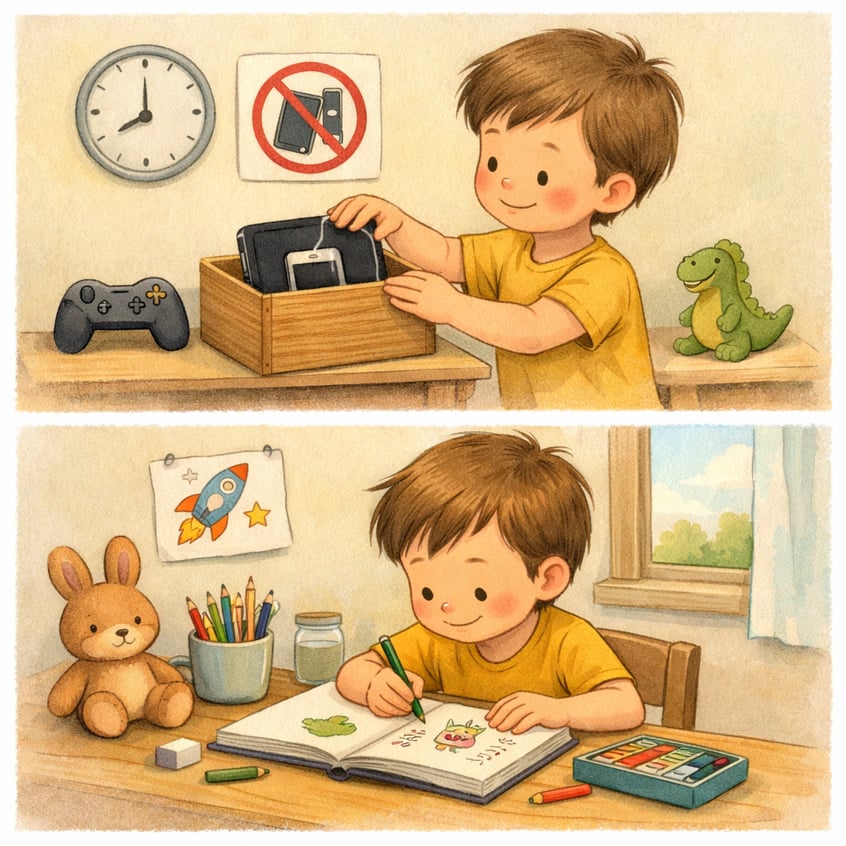
Start by designating screen-free times—such as no devices during meals or the hour before bed—to support family connection and healthy sleep. Setting a daily limit on recreational screen time is also helpful.
Sample family rules:
- No screens in bedrooms, especially overnight.
- All devices off during meals and family outings.
- Trackable daily or weekly screen time limits.
Enforcing these boundaries teaches children to use technology mindfully, rather than letting it take over.
Encouraging offline hobbies and physical activity
A key part of reducing screen time is filling that time with engaging and fulfilling alternatives. If a child's only source of entertainment comes from digital media, it's natural for them to resist spending less time on it. By encouraging offline hobbies and physical activity, you can help them discover new passions that don't involve a screen.
What does your child love to do? Think about activities that can spark their creativity, get them moving, or connect them with others. This could be anything from joining a sports team to learning a musical instrument, painting, or reading books. The goal is to make these activities more appealing than the passive consumption of media.
Consider these strategies:
- Schedule regular family time for physical activity, like going for a hike, bike ride, or playing in the park.
- Provide materials for creative hobbies, such as art supplies, building blocks, or science kits. When children have a rich and varied life offline, they are less likely to feel the need to escape into a digital world. This can also have a positive effect on their academic performance and overall well-being.
Monitoring and managing screen addiction in the home
If you suspect your child is developing an unhealthy relationship with technology, actively monitor and manage their screen time. Go beyond setting rules—stay aware of how much time they spend on devices and what content they access. Open communication about internet use with all family members is key.
Parental control apps can help limit online time and block inappropriate content, but they work best alongside ongoing conversations about responsible technology use. Explain your reasons for setting limits and share your concerns.
Regularly check in with your child about their online activities, including games and interactions. This keeps you informed and shows your engagement both online and offline. If screen addiction seems severe, seek professional help.
Strategies for Parents to Prevent Gadget Overuse
Preventing gadget overuse before it becomes a major problem is the ideal approach. Early intervention can make a significant difference in helping young people develop a healthy balance with technology in their daily lives. By being proactive, you can set a foundation for responsible screen time habits that will serve your child well into adulthood.
The key is to be observant, create a balanced lifestyle, and model healthy behavior yourself. The following strategies will provide you with practical ways to spot early warning signs and motivate your child to find a healthy equilibrium between their digital and real-world lives.
Spotting early behavioral changes
Early signs of problematic screen use can help prevent bigger issues later. Warning behaviors are often subtle, such as increased irritability or lost interest in favorite activities.
These changes signal it’s time to review your child’s tech habits. Is their screen time rising? Are they choosing devices over other daily activities? Address these shifts early—don’t dismiss them as a phase.
Watch for:
- Growing obsession with a game or app
- Preferring screens to friends or family
Recognizing and addressing these signs early helps guide your child toward healthier tech habits.
Motivating children to find a healthy balance

Simply asking your child to use their device less isn’t enough; you need to motivate them to seek a healthy balance. Encourage them by discussing the benefits of spending time on hobbies, with friends, and family, which can improve mood and well-being. Even a brief digital detox can help reset their perspective.
Frame conversations positively—highlight the advantages of offline activities rather than just the downsides of screen time. For example, explain how physical activity boosts energy and academic performance. Help your child find activities they genuinely enjoy.
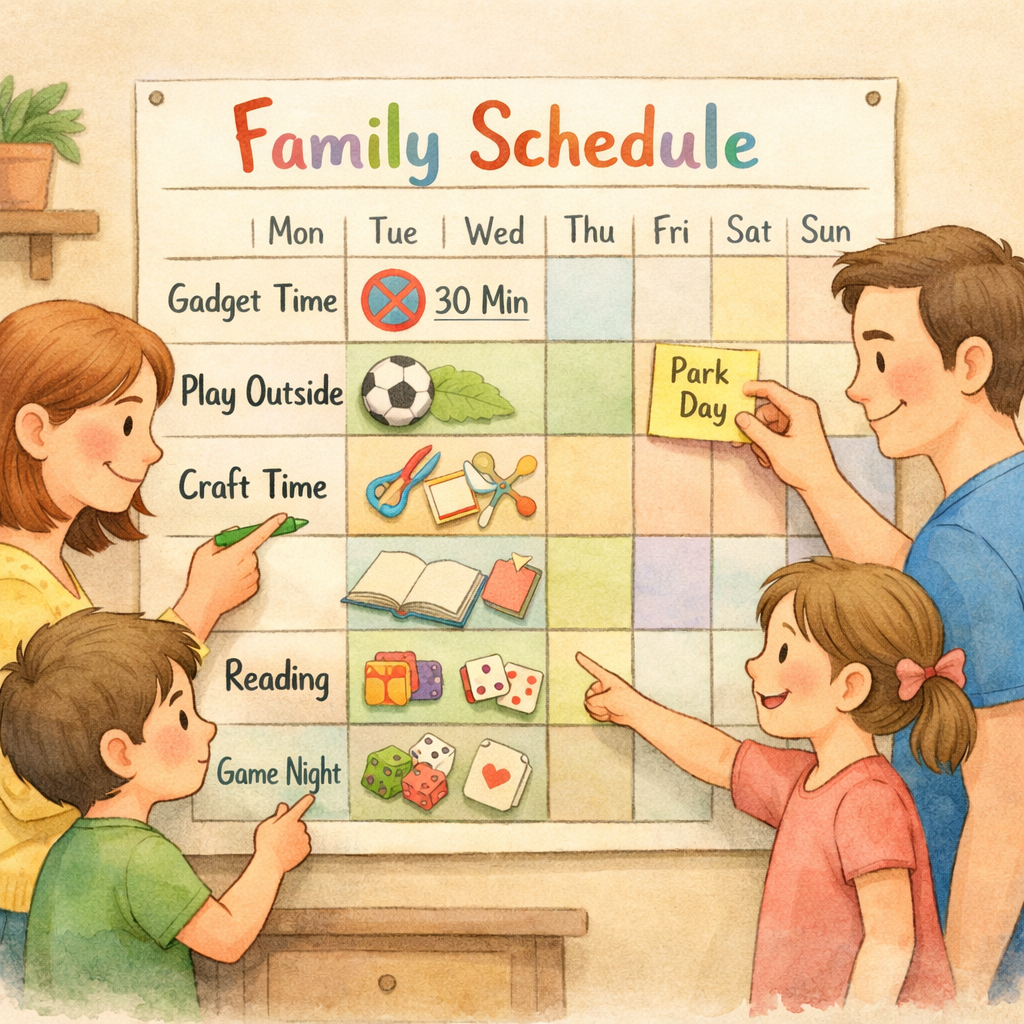
Work together to create a schedule that balances homework, chores, outdoor play, family time, and reasonable screen use. When children feel involved in setting their routine, they're more likely to embrace a balanced lifestyle.
Conclusion
In summary, addressing excessive gadget use requires understanding its signs, symptoms, and impacts on both children and adults. By setting healthy limits and encouraging offline activities, we can foster a balanced relationship with technology. Parents need to be proactive, spotting early behavioral changes and motivating their children towards a healthier lifestyle. Remember, the goal is not to eliminate technology, but to create a harmonious balance that enhances well-being and promotes healthier interactions. By implementing these strategies, we pave the way for a more mindful and fulfilling life in our increasingly digital world.
If you need further guidance on managing screen time and promoting healthier habits, don't hesitate to reach out for a consultation or call daar at 02 9133 2500.
Frequently Asked Questions
What is the difference between normal gadget use and addiction?
Normal gadget use is balanced and doesn't interfere with daily life. Addiction, on the other hand, involves compulsive internet use despite negative consequences. Key behavioral warning signs include a loss of interest in other activities and experiencing withdrawal symptoms like anxiety or irritability when screen time is limited.
How can parents help children develop healthy gadget habits?
Parents can help by setting healthy limits and creating clear family rules around screen time. Encouraging offline hobbies, modeling good behavior, and maintaining open communication are essential. This helps children find a healthy balance and avoids the development of behavioral problems related to excessive device use.
Are there safe screen time limits for children?
While there are some public health guidelines, there's no single magic number that fits every child. However, experts generally recommend limiting recreational screen time to around one to two hours per day for school-aged children. The focus should be on ensuring electronic devices don't displace sleep, physical activity, and social interaction.
.svg)




.svg)