
.png?width=48&height=48&name=Group%201%20(3).png)























5 February, 2026

Addressing Excessive Gadget Use for Kids Therapy Challenges
Introduction
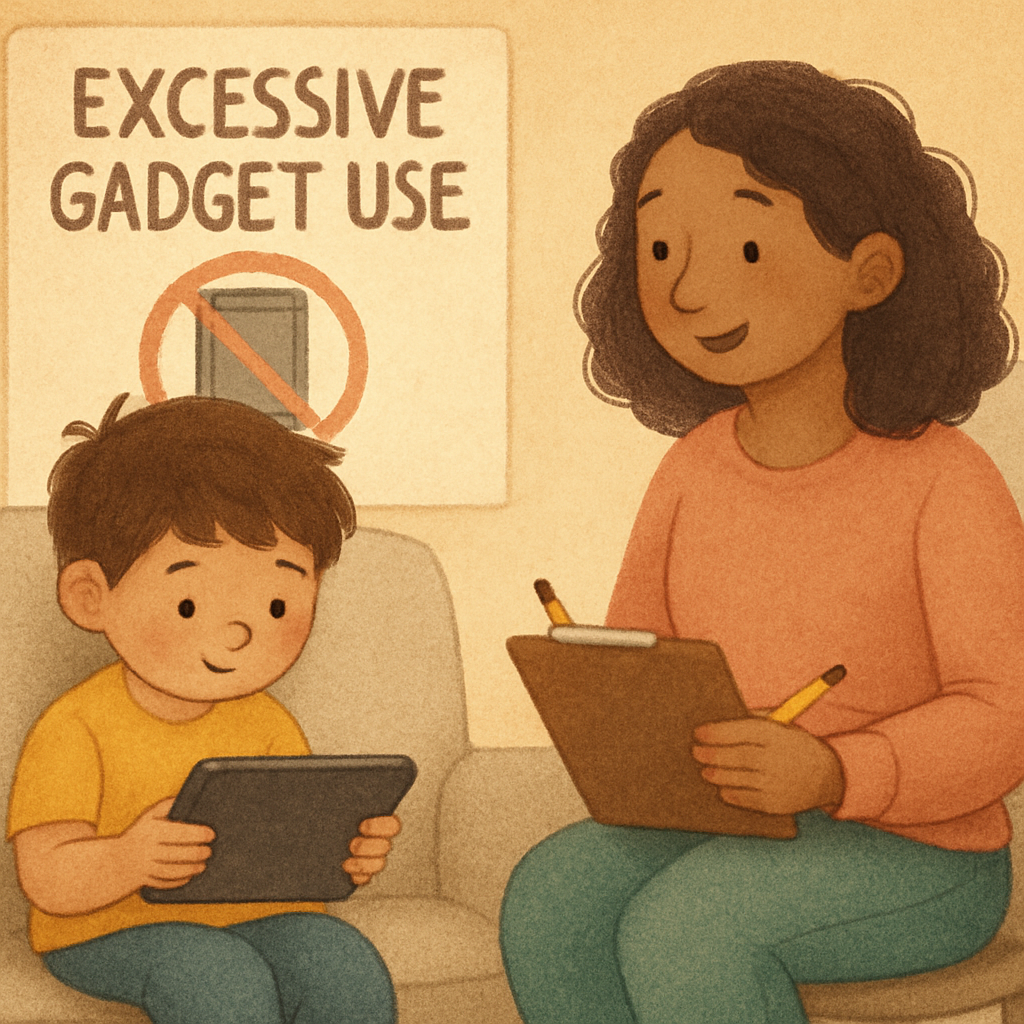
It often starts with a simple gesture—handing your child a tablet to keep them occupied. Before you know it, asking for the device back can trigger a full-blown meltdown. This common scenario leaves many parents wondering if their child's gadget use has crossed a line. Managing children’s screen time is a major challenge in today's digital world. This guide is here to help you navigate these concerns, improve your child's mental health, and foster crucial social skills away from screens.
Key Highlights
- Recognize the warning signs of excessive screen time, such as irritability when devices are removed and a loss of interest in other activities.
- Understand that technology addiction is a real concern, impacting a child's mental health and development.
- Learn how screen addiction can disrupt sleep, slow learning, and lead to behavioural issues.
- Discover strategies for setting healthy boundaries around children’s screen time, including tech-free zones and timers.
- Explore engaging, screen-free alternatives to help your child thrive.
- See how your own habits with social media and gadgets influence your child's behaviour.
Understanding Excessive Gadget Use in Children
Today's technology is designed to be interactive and engaging, which is why it can be hard for kids to put devices down. Algorithm-driven content on platforms like YouTube and TikTok can be particularly habit-forming. When media use becomes compulsive, it may signal a deeper issue.
Paying attention to the amount of time your child spends on devices and their behaviour is crucial. Recognizing the warning signs of screen addiction early can help prevent it from escalating into a more serious technology addiction. Let's look at the specific indicators that your child's gadget use may be becoming a problem.
Signs Your Child May Be Using Gadgets Too Much
Are you worried your child might be developing an unhealthy attachment to their gadgets? Identifying the warning signs is the first step toward addressing excessive screen time. A child with a gadget dependency often shows a compulsive need for their device, which can impact their mental health.
Their emotional reactions can be a major red flag. If taking a gadget away leads to extreme irritability, anxiety, or moodiness, it’s a sign of a problem. Young people may also start to prefer screens over activities they once loved.
Look out for these specific cues:
- They become extremely anxious or have tantrums when screen time ends.
- They constantly look for their gadgets, even the first thing in the morning or during meals.
- They lose interest in toys, outdoor play, creative activities, or homework.
- Older kids may become deceptive, hiding their device use or lying about how long they've been online.
Differentiating Healthy and Unhealthy Screen Habits
Not all screen time is bad. The key is to foster healthy screen habits and ensure that media use doesn't interfere with other important aspects of child development. The goal is balance, not complete elimination. So, what does a healthy relationship with technology look like?
Healthy habits involve intention and moderation. It means using devices for specific, high-quality purposes and knowing when to unplug. In contrast, unhealthy habits are characterized by compulsive, mindless use that displaces essential activities like sleep, homework, and face-to-face interaction.
Here’s how to promote healthy habits:
- Set limits and create clear time limits for daily use.
- Co-view content with your child to make it an interactive experience.
- Establish tech-free zones, such as bedrooms and the dinner table.
- Ensure screen time doesn't replace physical activity or social time.
When Excessive Gadget Use Suggests Therapy Intervention
For some children, gadget use becomes a true technology addiction—compulsive behaviour that disrupts daily life and harms mental health. While not formally diagnosed in most manuals, experts recognize problematic internet use as a serious issue needing professional help.
If setting limits and offering alternatives haven't worked, therapy may be necessary. When device use causes major family conflict, poor school performance, or severe behavioural problems like aggression or withdrawal, professional support is essential.
Therapy helps identify the root causes of addiction and teaches coping skills to both the child and family. A professional can assess the situation, develop a recovery plan, and guide your child toward healthier habits.
Effects of Excessive Screen Time on Kids
The impact of excessive screen time goes far beyond simple distraction. It can have profound effects on a child’s brain development, behaviour, and physical health. Constant digital stimulation can interfere with the natural growth of cognitive development and essential social skills, which are built through real-world interaction and play.
When a child spends hours in front of a screen, they are missing out on crucial experiences needed for healthy development. From sleep disruptions to behavioural challenges, the consequences can be significant. Let’s explore the specific ways in which too much screen time can affect your child.
Behavioural Impact of Prolonged Gadget Use
Excessive gadgets use quickly leads to behavioural changes in children, such as mood swings and irritability—especially when they're not on a device. For kids ages 3 to 5, using screens to calm them can backfire, increasing emotional reactivity later and preventing them from learning to self-soothe. This creates a cycle of relying on devices to cope with difficult feelings.
Over time, this pattern can cause loss of interest in other activities, increased aggression, and hyperactivity. A child’s mental health may suffer as their mood becomes increasingly tied to screen access, making everyday life seem dull without digital stimulation.
Developmental Consequences
A child's early years are crucial for brain development. Excessive screen time can hinder growth and learning, making it harder for kids to focus and solve problems. Studies show that too much digital exposure from infancy reduces attention spans and limits engagement in activities like reading or creative play.
Constant screen stimulation can prevent children from developing concentration and internal problem-solving skills, leading to dependence on external entertainment. This slows learning and adaptation by reducing essential real-world interactions.
The Impact on Physical and Social Health
Excessive screen time affects both physical health and social well-being. Prolonged device use leads to sedentary behaviour, increasing the risk of weight gain and heart disease. Blue light from screens disrupts melatonin production, making it harder for kids to sleep well—impacting focus, mood, and growth. Staring at small screens can also strain eyes and contribute to nearsightedness.
Screen time impacts include:
- Disrupted sleep patterns, causing fatigue and irritability
- Increased sedentary habits, raising health risks
- Less time for social interaction, hindering social skill development
- Physical strain like "text neck" and eye issues
Technology Addiction and Tablet Dependency Therapy
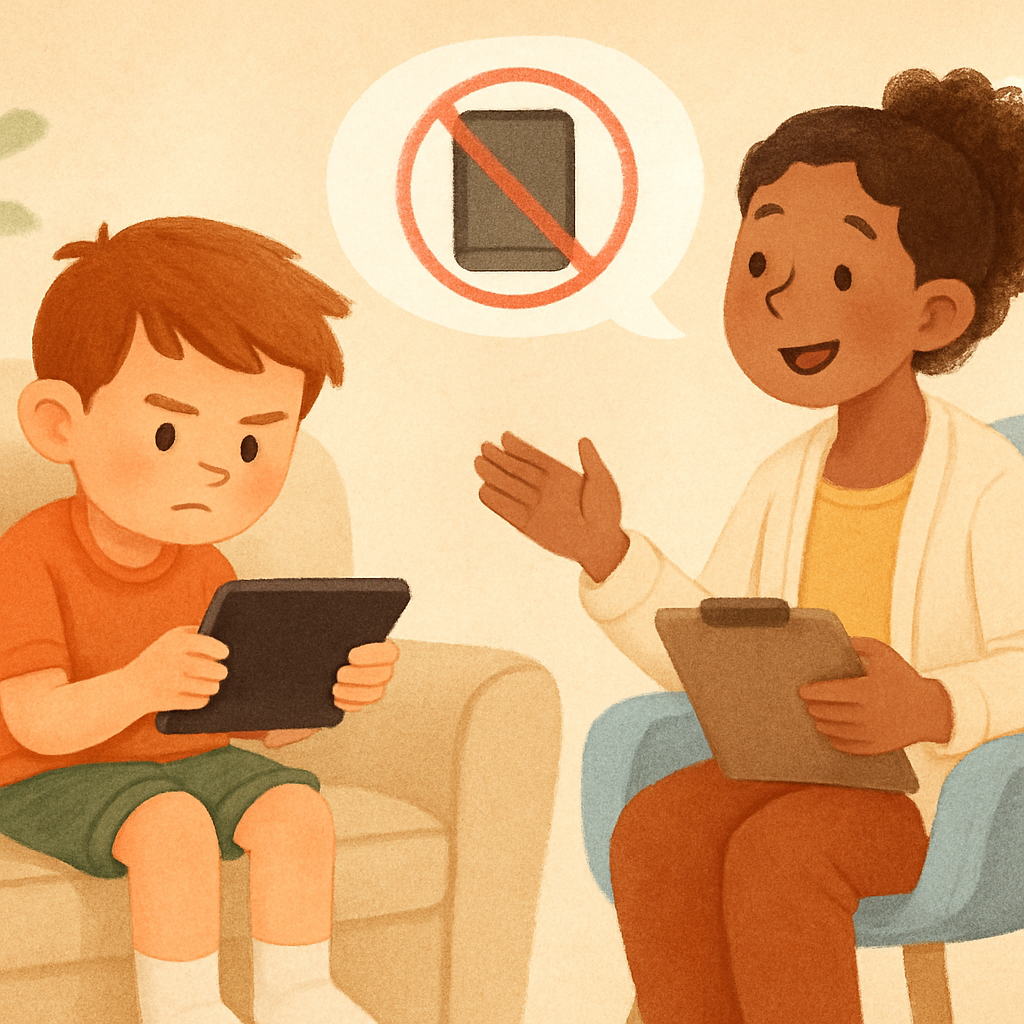
When excessive internet use becomes a compulsive habit that a child cannot control, it’s often referred to as technology addiction or digital addiction. This is more than just a love for video games or social media; it's a condition where the virtual world starts to take priority over real life, causing significant problems at home and school.
Recognizing the signs of tablet dependency is the first step, but what comes next? For many families, therapy offers a path forward. Professional help becomes necessary when the addiction starts to cause severe behavioural issues or negatively affects a child’s development.
What Is Technology Addiction in Childhood?
Technology addiction in childhood is a behavioural addiction marked by a compulsive need to use digital devices. Like other addictions, it triggers cravings and loss of control. This can disrupt a child’s development, relationships, and mental health.
Screen addiction in children is especially worrying because their brains are still developing. Though there are no universal diagnostic criteria, professionals look for escalating use, withdrawal symptoms when denied access, and inability to cut back despite negative effects.
Warning signs include neglecting schoolwork, friendships, or family responsibilities for screen time. If these patterns emerge, the behaviour may have shifted from a bad habit to a serious addiction.
Recognizing Tablet Dependency in Kids
It can be hard to tell if your child simply likes their tablet or is becoming dependent on it. Tablet dependency means a compulsive need for the device that disrupts daily life and emotions. Is your child’s media use taking over?
Warning signs include intense anger, anxiety, or sadness when the tablet is taken away—beyond normal frustration. Losing interest in other activities, like playing or seeing friends, is another red flag.
Watch for these signs:
- Irritability or moodiness without the tablet
- Lying about or hiding screen time
- Constantly thinking about the device when not using it
- Screen time affecting school, family, or friendships
How Tablet Dependency Therapy Works for Families
When dealing with tablet dependency, Behaviour therapy provides a structured approach to help families regain balance. Treatment often involves evidence-based modalities like Behavioural Therapy and Dialectical Behavioural Therapy (DBT). These therapies are designed to help children and family members understand and change problematic behaviours.
CBT helps children identify the thoughts and feelings that trigger their compulsive device use and develop healthier coping strategies. DBT focuses on emotional regulation, helping kids manage the intense feelings that arise when they can't access their devices. The goal is to build resilience and self-control.
Family involvement is a critical part of the process. Therapists work with the entire family to improve communication and establish a supportive environment for change.
|
Therapy Approach |
How It Helps |
|---|---|
|
Behaviour Therapy |
Identifies negative thought patterns and behaviours related to gadget use and replaces them with healthier ones. |
|
Dialectical Behavioural Therapy (DBT) |
Teaches emotional regulation and distress tolerance skills to manage withdrawal symptoms and cravings. |
|
Family Therapy |
Improves communication, sets collaborative rules, and ensures all family members support the new routines. |
Creating Screen Time Boundaries at Home
Establishing clear boundaries is one of the most effective ways to manage your children’s screen time. This isn't about banning gadgets but about teaching balance. By creating consistent rules and family routines, you can help your child develop a healthier relationship with technology.
Setting firm time limits and designating tech-free zones are great places to start. When everyone in the family understands and follows the rules, there are fewer arguments and more opportunities for connection. The following sections offer practical tips for creating and communicating these important boundaries.
Setting Age-Appropriate Screen Time Limits
How much screen time is too much? The answer often depends on your child’s age range. Health organizations provide guidelines to help parents set limits that support healthy development. For the youngest children, less is definitely more.
The World Health Organization (WHO) has specific recommendations based on years of age. For older children, the focus shifts from a strict time limit to ensuring that the child’s screen time is balanced with other essential activities like sleep, schoolwork, physical activity, and social interaction.
Here are some age-based guidelines to help you set limits:
- Under 2 years: Zero screen time is recommended, with the exception of video calls with family.
- 2 to 5 years: No more than one hour per day of high-quality, co-viewed content.
- 6 years and older: Focus on balance. Ensure screens do not replace sleep, exercise, or family time, and set consistent daily time limits.
Tools and Apps to Help Manage Gadget Access
Enforcing screen time rules can be challenging, but technology itself can offer some solutions. Using tools and apps to manage gadget access can help you consistently apply the boundaries you’ve set. These tools can take the pressure off you to be the constant timekeeper.
A simple kitchen timer is a great low-tech tool. Setting a timer helps give your child a clear, external cue that screen time is about to end, which can make the transition smoother. Many devices also have built-in parental control features that allow you to set time limits, filter content, and restrict access to certain apps.
Consider using these tools to help manage media use:
- Built-in parental control settings on smartphones, tablets, and gaming consoles.
- A simple timer to create a clear signal for when screen time is over.
- Third-party apps that allow you to remotely monitor and control your child's device.
- Wi-Fi router settings that can turn off internet access at certain times, like bedtime.
Communication Tips for Discussing Screen Rules with Kids
Laying down the law without explanation can lead to a power struggle. Effective communication is key when discussing screen time rules with your kids. Instead of just giving orders, have a conversation and explain the "why" behind the limits.
Talk about the importance of sleep for growing, play for learning, and conversation for strengthening family bonds. According to social cognitive theory, children learn by observing others and understanding the reasons for rules. When they understand your motives, they are more likely to cooperate. Validate their feelings, especially when they bring up peer pressure, and calmly reiterate your family’s values.
Here are some tips for better communication:
- Work together to establish the rules so your child feels involved.
- Explain your reasons calmly and lovingly.
- Listen to their concerns and validate their feelings.
- Be consistent and firm with the boundaries you’ve set together.
Behaviour Change Techniques and Family Involvement
Reducing screen time isn't just about restriction; it's about lasting behaviour change. This requires a proactive approach using proven techniques and getting the whole family involved. Strategies like positive reinforcement and creating new family routines can make a significant difference in your child's mental health and habits.
Similar to principles used in behavioural therapy, these techniques focus on rewarding positive actions and building healthy habits collaboratively. When your family works as a team, the changes are more likely to stick. The following sections will explore how to use these methods effectively.
Positive Reinforcement to Encourage Offline Activities
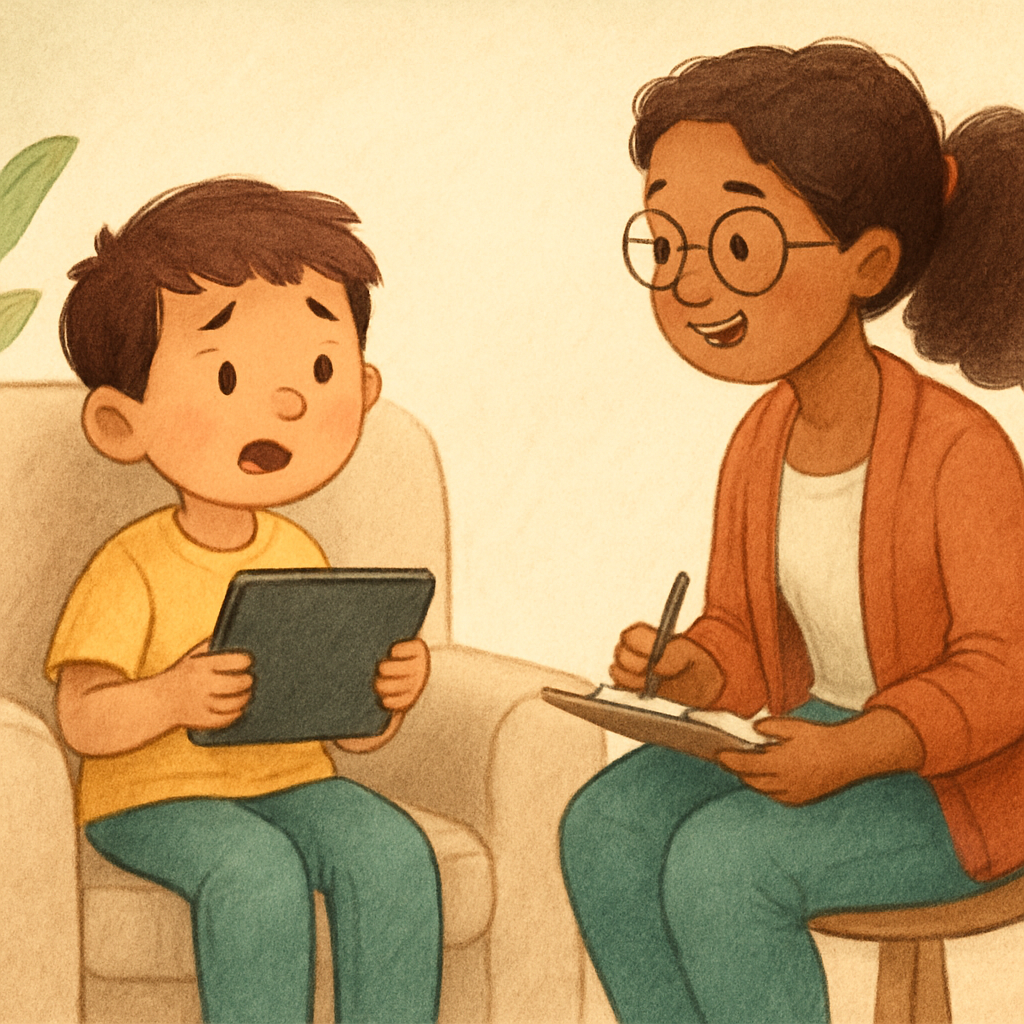
Instead of focusing only on what your child can't do, use positive reinforcement to celebrate what they can do. This means rewarding them for choosing offline activities over screens. The reward doesn’t have to be big; praise and quality time can be powerful motivators.
A great strategy is to have appealing alternative activities ready to go. When screen time is over, you can transition smoothly by saying, "After two more songs, we're going to have a snack and then play a board game!" This gives them something to look forward to instead of focusing on the loss of their device.
Here are some ways to use positive reinforcement:
- Praise your child for making good choices, like putting their device away without a fuss.
- Create a simple reward system where they earn points for screen-free time, which can be redeemed for a fun family outing.
- Plan exciting social activities or outdoor adventures to compete with the allure of screens.
- Declare a weekly family game night with fun board games.
Modeling Healthy Tech Use as Parents
Do you tell your kids to put their phones away at the dinner table while you scroll through yours? Your children are always watching, and they learn more from what you do than from what you say. Modeling healthy screen habits is one of the most powerful ways to influence their behaviour.
Social cognitive theory suggests that children learn behaviours by observing the people around them, especially their parents. If you want your child to have a balanced relationship with technology, you need to demonstrate one yourself. This means being present and engaged during family time and putting your own devices away.
Show them that life is more interesting than what’s on a screen. When you prioritize face-to-face conversations, hobbies, and outdoor activities, you are teaching them invaluable lessons about what it means to live a full and balanced life. Your actions set the standard for all family members.
Collaborative Family Routines for Sustainable Change
For new habits to last, they need to be integrated into your family routines. Creating sustainable change is a team effort. Sit down as a family and work together to design a new approach to technology use. This collaborative problem-solving makes everyone feel invested in the outcome.
Agree on tech-free times, like during meals and the hour before bed, and tech-free zones, like bedrooms. When you set limits together, they feel less like punishments and more like shared goals. This approach fosters a sense of responsibility in your child and reduces arguments.
Plan regular family activities that don't involve screens, such as walks, bike rides, or game nights. By building these new social activities into your weekly schedule, you create a new normal where technology is just one part of life, not the center of it.
Engaging Alternatives to Gadgets for Kids
Simply taking gadgets away isn't enough—you need to fill the void with engaging alternative activities. The goal is to make screen-free time just as fun and exciting as screen time. By introducing your child to new hobbies and experiences, you can help them discover passions that naturally compete with the lure of devices.
From encouraging physical activity to sparking creativity, there are countless ways to help your child thrive without a screen. The key is to find activities that genuinely interest them. Let's explore some fun and enriching alternatives that promote social play and healthy development.
Fun Screen-Free Indoor and Outdoor Activities
Looking for some screen-free fun? There are plenty of indoor and outdoor activities that can capture your child's imagination and get them moving. The best part is that many of them don't require expensive toys or elaborate planning.
Getting outside for physical activity is fantastic for both physical and mental health. The World Health Organization recommends at least 60 minutes of energetic play per day for preschoolers. This not only burns off energy but also helps develop crucial motor and social skills.
Here are some ideas to get you started:
- Outdoor Activities: Go for a bike ride, visit a local park, or teach your kids classic outdoor games.
- Indoor Activities: Build a pillow fort, have a painting session, or bake a simple recipe together.
- Board Games: Declare a weekly family game night with classic board games or card games.
- Creative Play: Bring out the art supplies, put on a play, or create a scavenger hunt.
Encouraging Creativity, Sports, and Social Play
To effectively reduce electronic media use, it's important to actively encourage activities that nurture different parts of your child's brain and body. Fostering creativity, an interest in sports, and opportunities for social play are excellent ways to do this. These activities provide rich, real-world experiences that screens cannot replicate.
Creativity can be sparked with simple materials like crayons, clay, or building blocks. These activities help children develop problem-solving skills and express themselves. Sports and other physical activities are not only great for their bodies but also teach teamwork, discipline, and resilience, which are beneficial for their mental health.
Social play is perhaps the most critical alternative. Arranging playdates or simply encouraging your child to play with siblings or neighborhood kids helps them learn to negotiate, cooperate, and read social cues. These are fundamental skills for building healthy relationships throughout their lives.
Supporting Interests That Compete with Gadgets
One of the most effective long-term strategies is to help your child discover and nurture their own interests and hobbies. When a child is genuinely passionate about something, it can naturally compete with the passive entertainment offered by gadgets. Pay close attention to what sparks your child's curiosity.
Do they love to draw, build things, or learn about animals? Whatever it is, provide them with the tools and encouragement to explore it further. This could mean signing them up for an art class, getting a library card, or visiting a science museum. These alternative activities can combat the loss of interest in non-digital pursuits.
By supporting their unique hobbies, you are helping them build a sense of identity and accomplishment outside of the digital world. Whether it's mastering a new song on the piano, scoring a goal in soccer, or finishing a challenging puzzle, these achievements provide a different kind of satisfaction that screens can't match.
Conclusion
In conclusion, addressing excessive gadget use in children is crucial for their overall well-being. Recognizing the signs of unhealthy screen habits, understanding the potential impacts on behaviour and development, and implementing effective strategies at home can foster a healthier relationship with technology. By setting appropriate boundaries and introducing engaging alternatives, parents can encourage creativity, social interaction, and physical activity. Remember, it's not just about limiting screen time; it's about promoting a balanced lifestyle.
If you're looking for tailored guidance and support, don't hesitate to book a consultation or call daar at 02 9133 2500 with our experts.
Frequently Asked Questions
What are the first steps if I suspect my child is addicted to gadgets?
First, observe for clear warning signs like extreme irritability when devices are removed or a loss of interest in other activities. Then, open a calm conversation about your concerns. The next step is to collaboratively set clear, firm limits on their media use to begin addressing the potential technology addiction.
Can therapy truly help kids reduce screen time and device dependency?
Yes, therapy can be very effective. Approaches like Behavioural Therapy help children with screen addiction develop coping skills to manage cravings and change behaviours. For problematic internet use, therapy provides a structured intervention that supports the child's mental health and helps the family create a healthier environment.
How do I find professional support for tablet dependency therapy in Australia?
To find professional support for tablet dependency, start by consulting your GP or a child psychologist. They can provide a referral to a therapist specializing in behavioural addictions or problematic technology use. Organizations like the Australian Psychological Society (APS) can also help you find qualified professionals in your area.
.svg)




.svg)